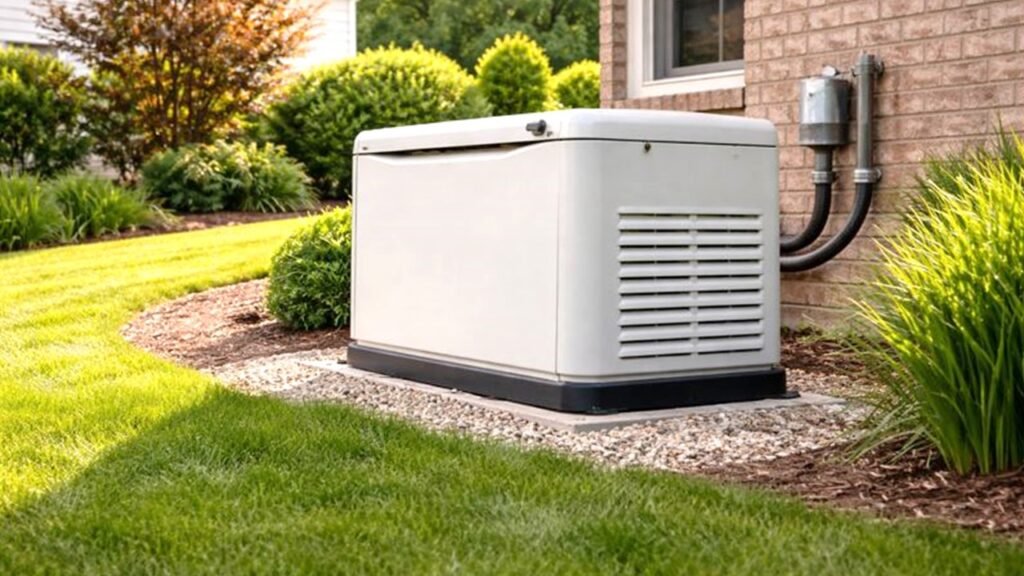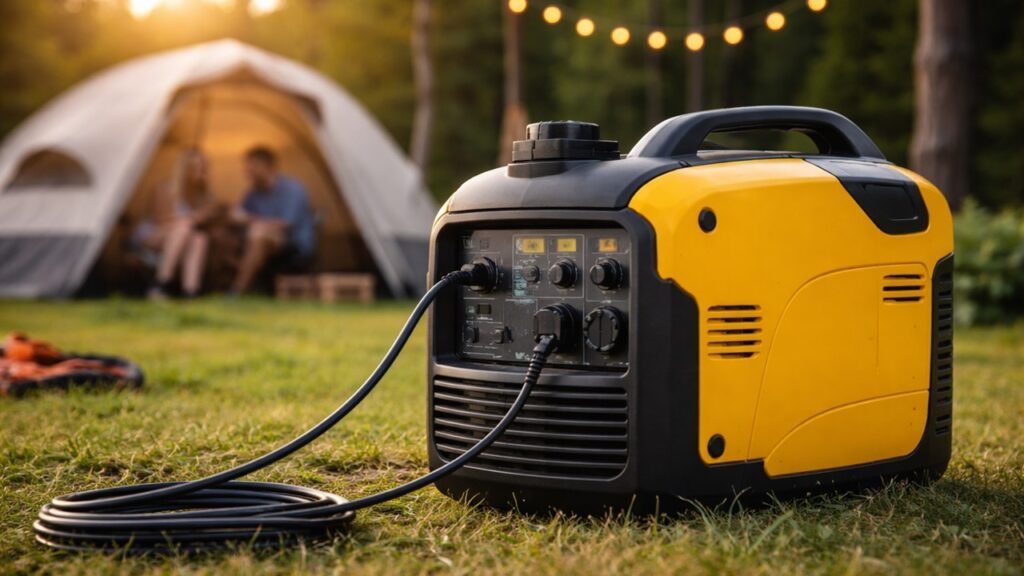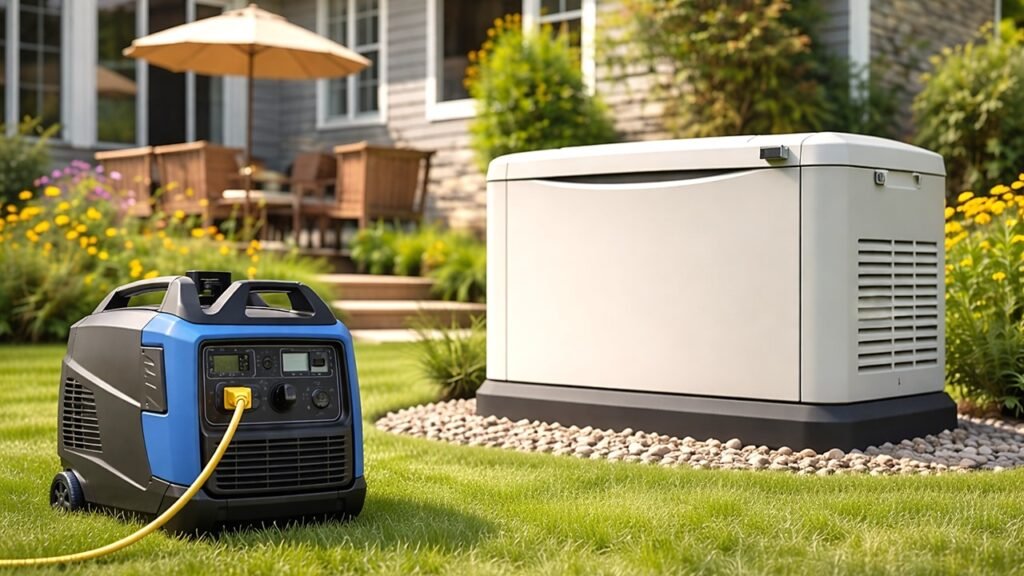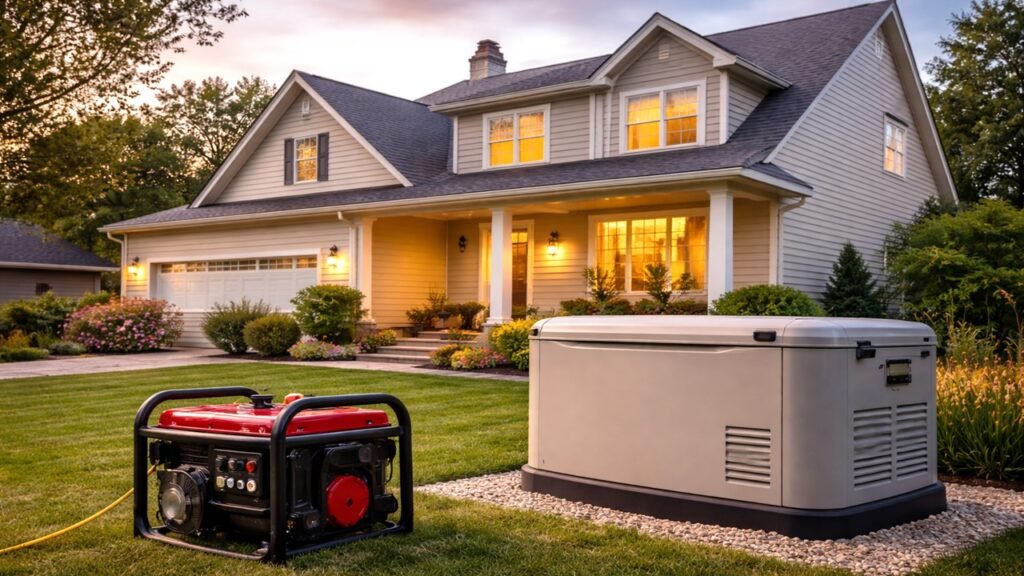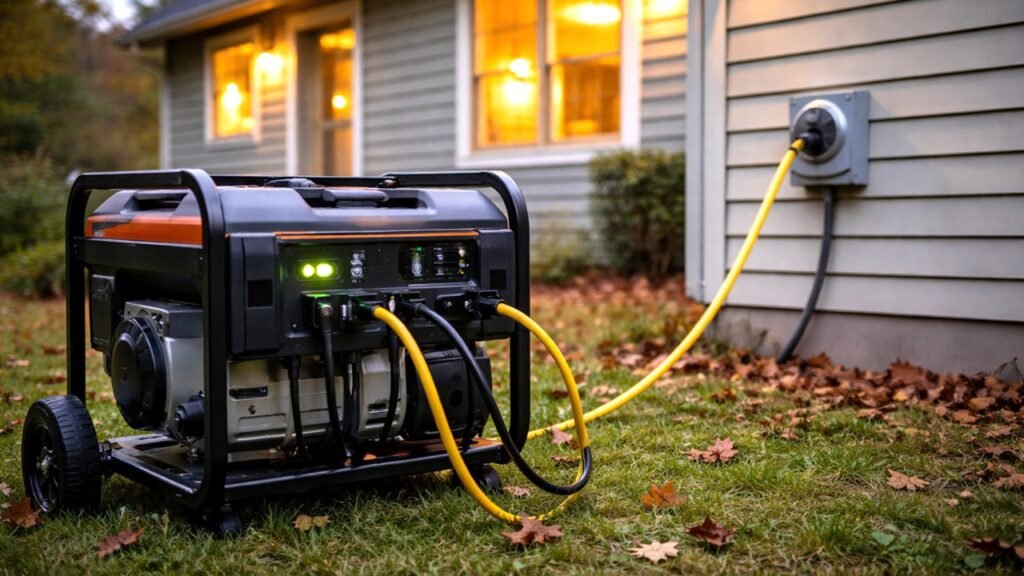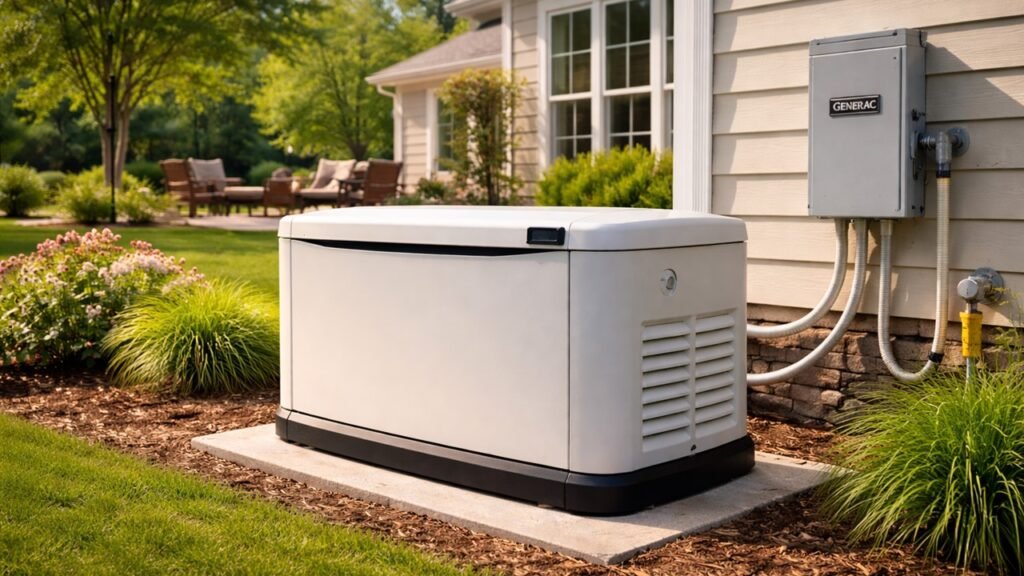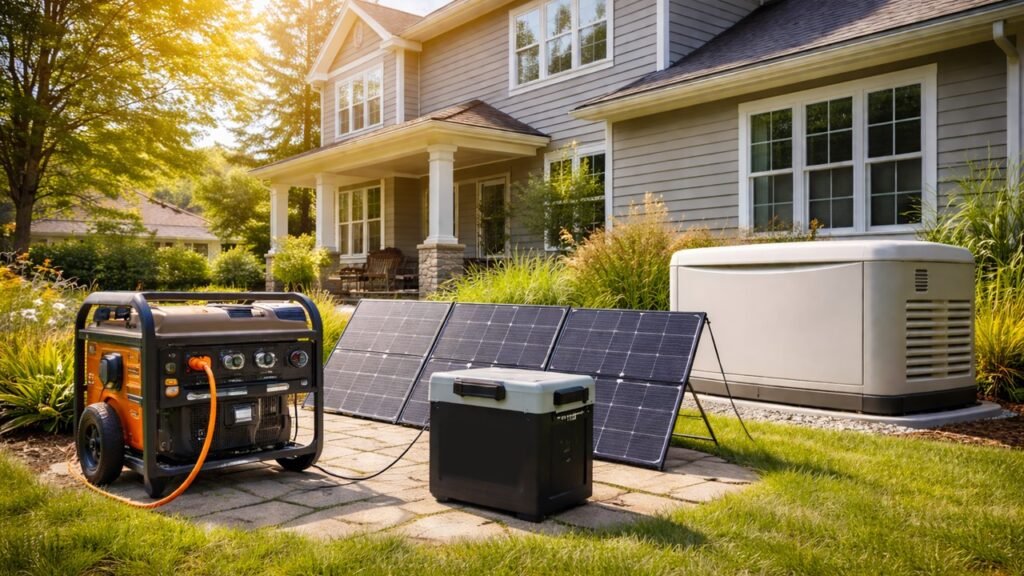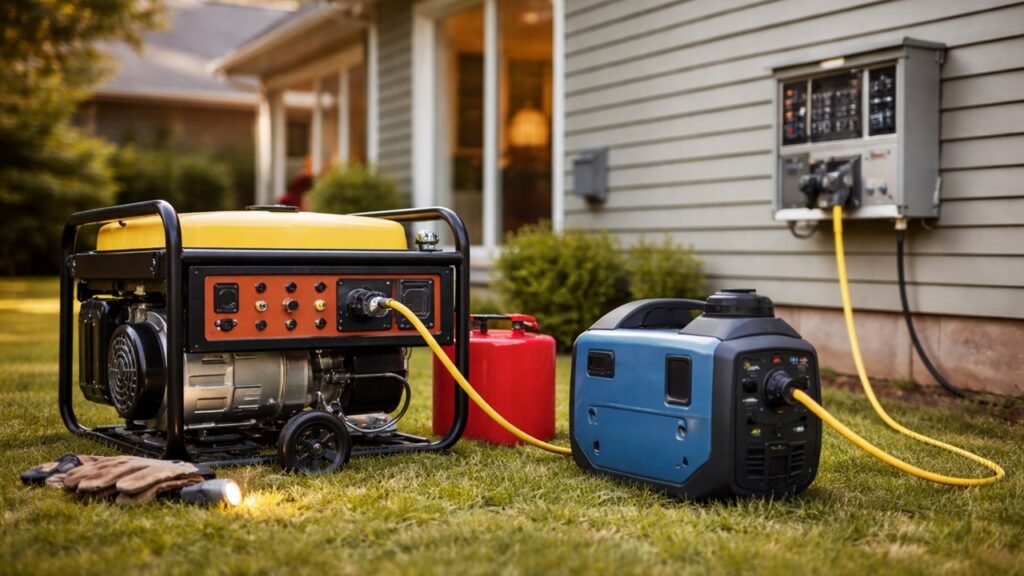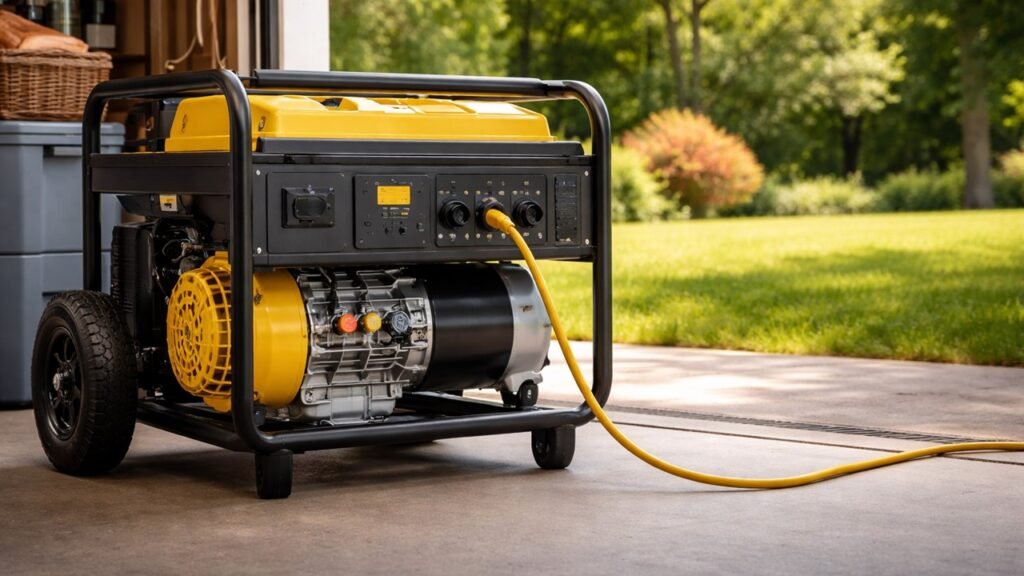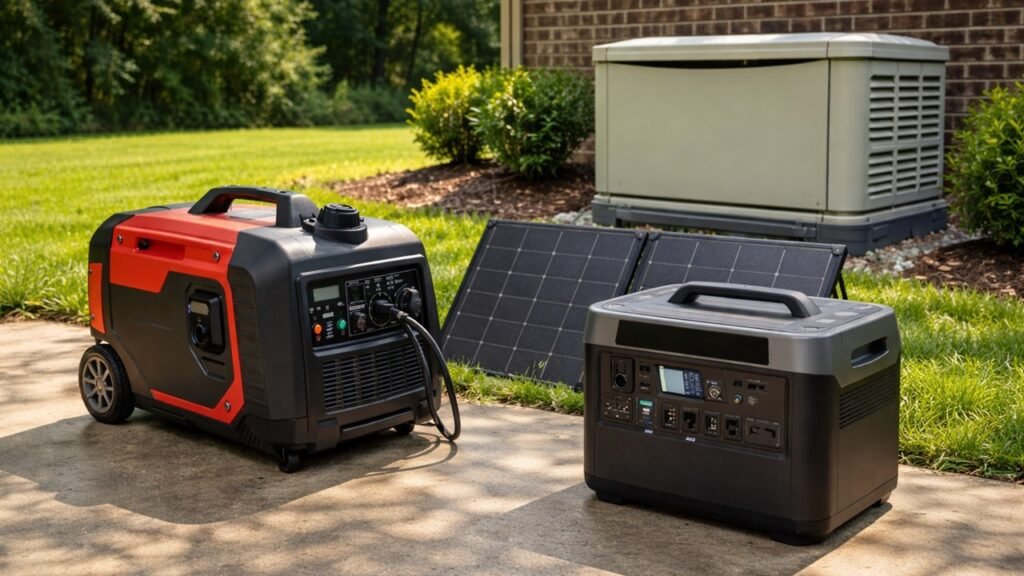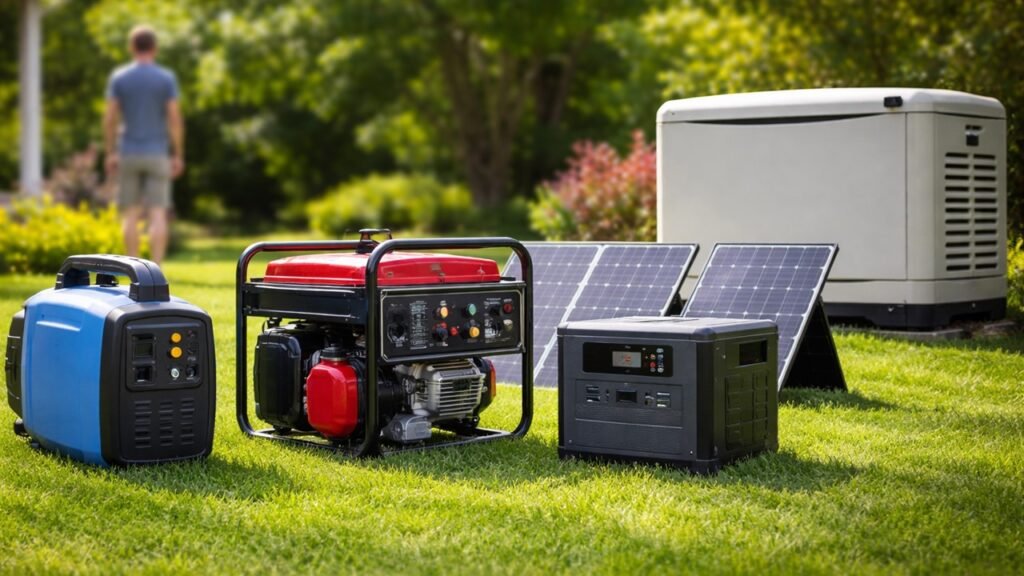
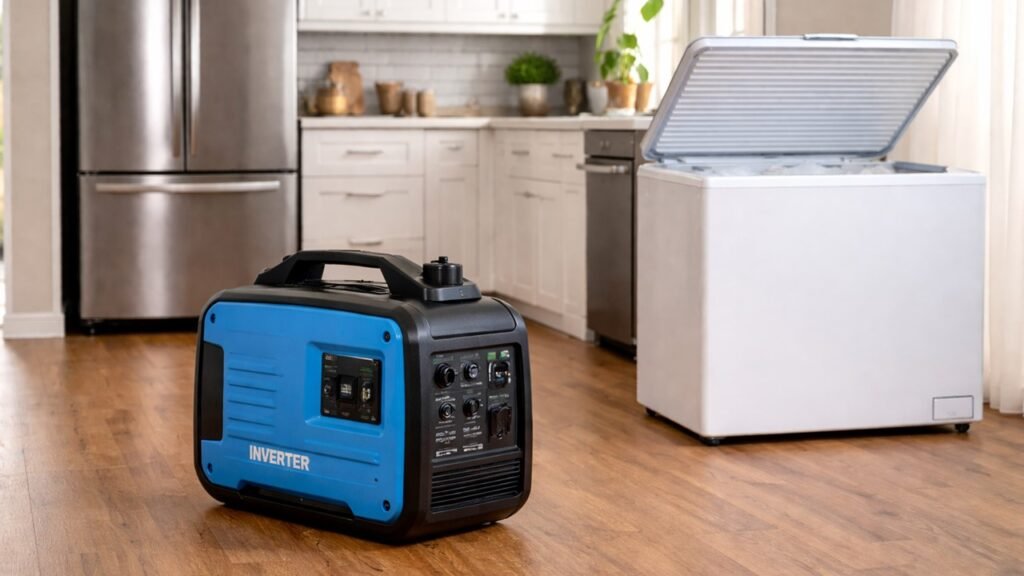
If you are trying to figure out what size generator to run refrigerator and freezer, you are really asking one thing: how much power do these appliances actually need during an outage? In most homes, a generator rated between 2,500 and 3,000 watts is enough to keep both running safely.
The exact size depends on how much power your refrigerator and freezer draw while running, and more importantly, how much power they need when the compressor first starts. That startup surge is what determines whether your generator handles the load smoothly or trips into overload.
Key Summary:
- Most refrigerators and freezers require a generator rated between 2,500 and 3,000 watts for safe operation.
- Refrigerator compressors require surge power that equals 2 to 3 times their running watts during startup.
- Generator size equals total running watts plus the highest starting watt, not both starting watts combined.
- Adding a 20 to 30 percent safety buffer increases reliability and prevents overload shutdowns.
- A slightly oversized generator improves runtime stability and reduces long-term engine strain.
What Size Generator Do You Need To Run A Refrigerator And Freezer?
Most refrigerators and freezers do not use a huge amount of electricity while running. The challenge comes when their compressors kick on. At that moment, power demand briefly spikes to two or sometimes three times the normal running load. Your generator must be able to handle that surge without struggling.
For a typical household setup:
- Small, energy-efficient refrigerator and freezer: around 2,000 to 2,500 watts can work
- Average modern units: 2,500 to 3,000 watts is a safer choice
- If you plan to run a few lights, a router, or charge devices too: 3,000 to 4,000 watts gives better headroom
Here is how it works in real life. Imagine your refrigerator uses 200 watts while running but needs 1,000 watts to start. Your freezer runs at 300 watts and needs 900 watts to start. You do not add both starting numbers together. Instead, you take the highest starting watt and add the other appliance’s running watt.
So in that case:
- Highest starting watt: 1,000W
- Other appliance running watt: 300W
- Required minimum: 1,300W
Then you add a safety buffer of about 20 to 30 percent. That is why most people land in the 2,000W to 3,000W range. It gives breathing room so the generator is not operating at its absolute limit.
Oversizing slightly is almost always better than undersizing. A generator running comfortably will last longer and operate more reliably during extended outages.
How Many Watts Does A Refrigerator And Freezer Use?
Refrigerators and freezers cycle on and off throughout the day. While running, they usually draw a modest amount of power. The startup moment is where the demand jumps.
Here is what you can expect for most household models:
| Appliance Type | Running Watts | Starting Watts |
| Compact Refrigerator | 100 to 250 W | 300 to 600 W |
| Standard Refrigerator | 150 to 400 W | 600 to 1,200 W |
| Side-by-Side Refrigerator | 300 to 800 W | 1,200 to 2,400 W |
| Chest Freezer | 150 to 300 W | 450 to 900 W |
| Upright Freezer | 200 to 400 W | 600 to 1,200 W |
Newer Energy Star models generally use less electricity than older units. In fact, according to the U.S. Environmental Protection Agency, modern refrigerators can use up to 40 percent less energy than models built before 2001. Older appliances tend to have higher startup demands, which means you may need a slightly larger generator.
If you want to be precise, check the label inside the refrigerator or freezer. You will usually find amps and voltage listed. Multiply amps by volts to calculate running watts.
Formula: Watts = Amps × Volts.
Taking a few minutes to verify your actual numbers makes a big difference. It prevents guesswork and ensures you buy a generator that keeps your food safe without wasting money on unnecessary capacity.
How To Calculate The Right Generator Size To Run A Refrigerator And Freezer Step By Step
To calculate the right generator size to run a refrigerator and freezer, you need three numbers: total running watts, the highest starting watt, and a safety buffer. Generator size equals total running watts plus the highest surge watt, then add 20 to 30 percent extra capacity for reliability.
Let’s walk through it clearly.
Step 1: Find The Running Watts Of Each Appliance
Check the label inside your refrigerator and freezer. You will usually see amps and volts listed. Multiply them to get running watts.
Formula: Watts = Amps × Volts
Example:
If the label says 6 amps at 120 volts:
6 × 120 = 720 running watts
If wattage is already listed, use that number directly.
Step 2: Estimate The Starting Watts
Refrigerators and freezers use compressors. Compressors require extra power for a few seconds at startup. In most cases, starting watts are 2 to 3 times the running watts.
If your refrigerator runs at 200 watts, it may need 800 to 1,000 watts briefly when it starts.
If exact surge watts are not listed in the manual, multiply running watts by 3 to estimate safely.
Step 3: Add Total Running Watts Together
Add the running watts of both appliances.
Example:
Refrigerator running watts: 200W
Freezer running watts: 300W
Total running watts: 500W
Step 4: Add Only The Highest Starting Watt
You do not add both surge numbers together. Most generators only need to handle the highest single startup surge at one time.
Example:
Refrigerator starting watts: 1,000W
Freezer starting watts: 900W
Use the highest one: 1,000W
Now add the other appliance’s running watts.
1,000W + 300W = 1,300W required minimum
Step 5: Add A Safety Buffer
Add 20 to 30 percent extra capacity so the generator is not operating at full load constantly.
1,300W × 1.3 ≈ 1,690W
In this case, a 2,000W generator would technically work, but a 2,500W unit would provide better reliability and longer engine life.
Can A 2,000 Watt Generator Run A Refrigerator And Freezer?
Yes, a 2,000 watt generator can run a refrigerator and freezer in many cases, especially if both appliances are newer and energy efficient. Most modern units fall well within that range when calculated correctly.
However, there is very little room for error. If both compressors try to start at the same time, or if the refrigerator is an older model with higher surge demand, a 2,000 watt generator can overload. It also leaves no capacity for lights, routers, or phone chargers.
For short outages and small appliances, 2,000 watts may be enough. For peace of mind during longer outages, 2,500 to 3,000 watts is a safer choice.
How Long Can A Generator Run A Refrigerator And Freezer?
A generator can run a refrigerator and freezer as long as fuel or battery power is available. Runtime depends on generator size, fuel tank capacity, and total load. Most portable gas generators can operate between 8 and 18 hours on a single tank when powering only essential appliances.
Here is a general runtime estimate:
| Generator Size | Estimated Runtime On One Tank |
| 2,000W Portable | 8 to 12 hours |
| 3,000W Portable | 10 to 18 hours |
| 4,000W Portable | 12 to 20 hours |
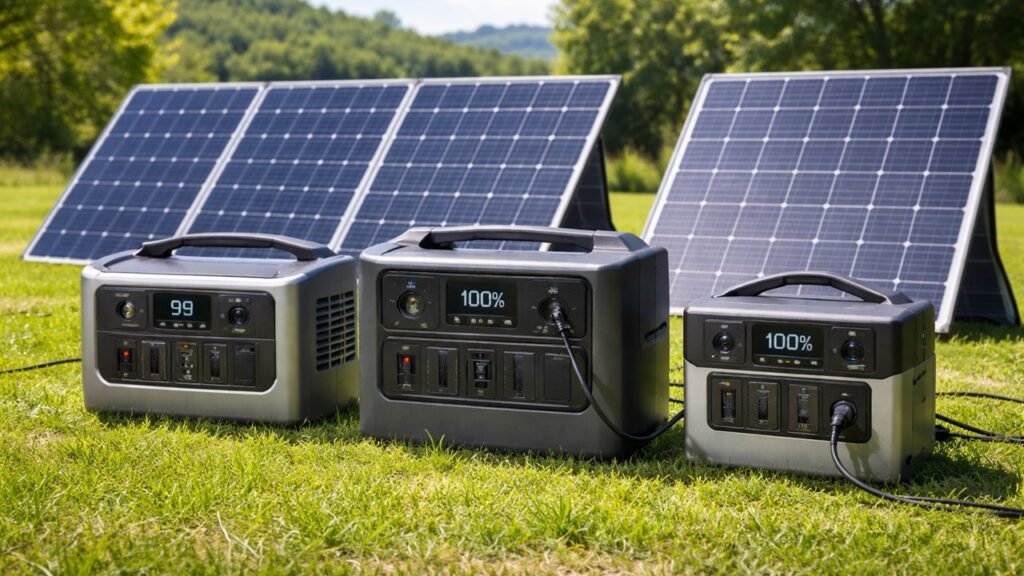
| Solar Generator 2kWh | 6 to 12 hours depending on load |
Keep in mind that refrigerators cycle on and off. They do not run continuously. That cycling helps conserve fuel and extend runtime.
What Are Common Mistakes When Choosing Generator Size?
Many people underestimate how much power their appliances need during startup. The biggest sizing errors usually happen because surge watts are ignored.
Common mistakes include:
- Ignoring starting watts and only calculating running watts
- Buying a generator that matches exact watt needs with no buffer
- Running additional high-watt appliances like microwaves at the same time
- Forgetting that older refrigerators use more power
- Using undersized extension cords that cause voltage drop
- Operating the generator at full load continuously
Avoiding these mistakes prevents overload shutdowns and protects your appliances.
What Is The Right Generator Size For Peace Of Mind?
For most homes, the right generator size to run a refrigerator and freezer comfortably is between 2,500 and 3,000 watts. That range covers startup surges and provides extra capacity for a few small devices.
If your appliances are older or larger, or if you plan to power lights and communication devices during an outage, moving up to 3,000 to 4,000 watts makes sense. The generator will operate more efficiently and experience less strain.
A slightly larger generator costs a little more upfront, but it reduces stress, improves reliability, and keeps your food protected during extended power outages.
Conclusion
Choosing the right generator size to run a refrigerator and freezer comes down to understanding running watts, starting watts, and adding a safety buffer. Most households land safely in the 2,500 to 3,000 watt range, which handles startup surges without stressing the generator.
A 2,000 watt generator can work in some cases, especially with smaller energy-efficient appliances. However, it leaves very little margin for error. If you want smoother performance and the ability to power a few small essentials, slightly oversizing is the smarter move.
The key takeaway is simple: calculate your actual appliance load, account for surge power, and avoid running your generator at full capacity. A properly sized generator protects your food, your appliances, and your peace of mind during an outage.
Related FAQs
Can a refrigerator run all night on a generator?
Yes, most portable generators can run a refrigerator overnight as long as there is enough fuel. Refrigerators cycle on and off, which helps extend runtime.
Will a generator damage my refrigerator?
A properly sized generator will not damage your refrigerator. Using an inverter generator with stable voltage reduces risk to modern electronics.
How many watts does a freezer need to start?
Most freezers require 450 to 1,200 starting watts depending on size and age. Older models may require more surge power.
Is 3,000 watts enough for a fridge and freezer?
Yes, 3,000 watts is sufficient for most standard refrigerators and freezers and provides extra capacity for small devices.
Can I run a refrigerator and freezer at the same time?
Yes, as long as your generator can handle total running watts plus the highest starting watt, both appliances can run safely together.
Should I oversize my generator?
Yes, adding 20 to 30 percent extra capacity improves reliability and prevents overload during compressor startup.

Robert Caldwell writes in-depth guides and reviews focused on generators, backup power systems, and portable energy equipment. His work is grounded in hands-on testing, covering fuel types, runtime performance, noise levels, and real-world reliability. He helps homeowners, RV owners, and outdoor users choose dependable power solutions with confidence. Every article emphasizes clear explanations, safe operation, and long-term value.