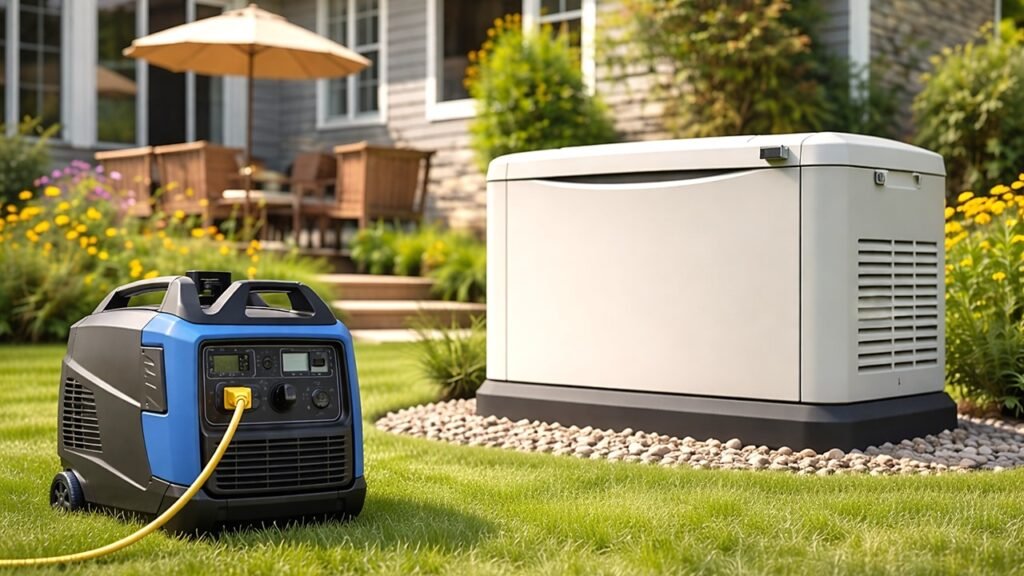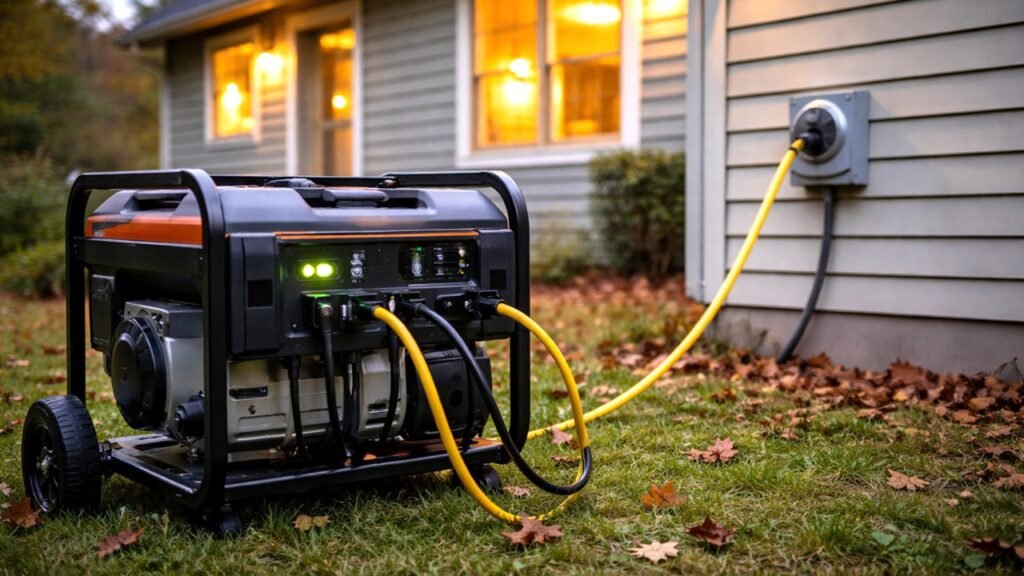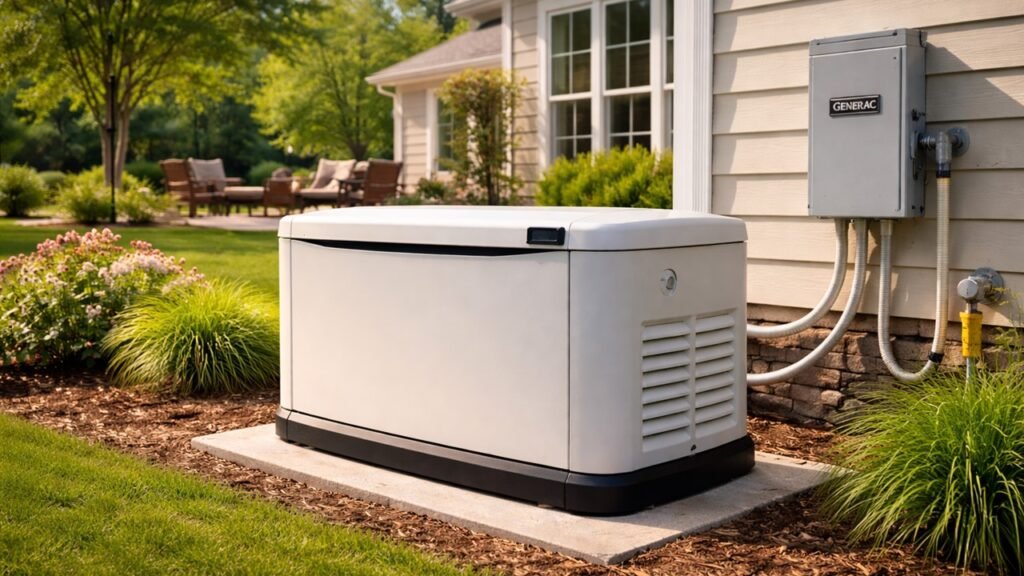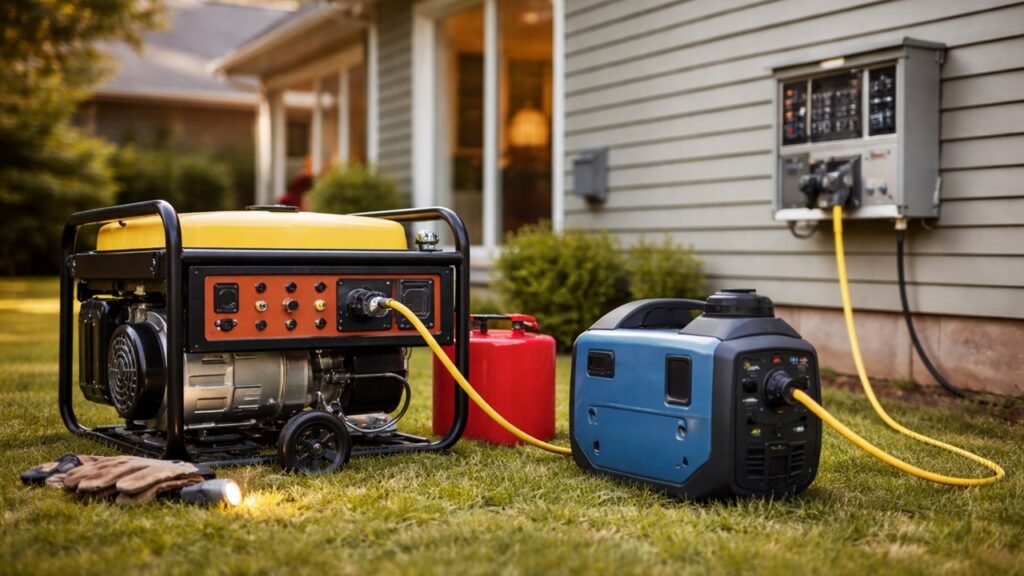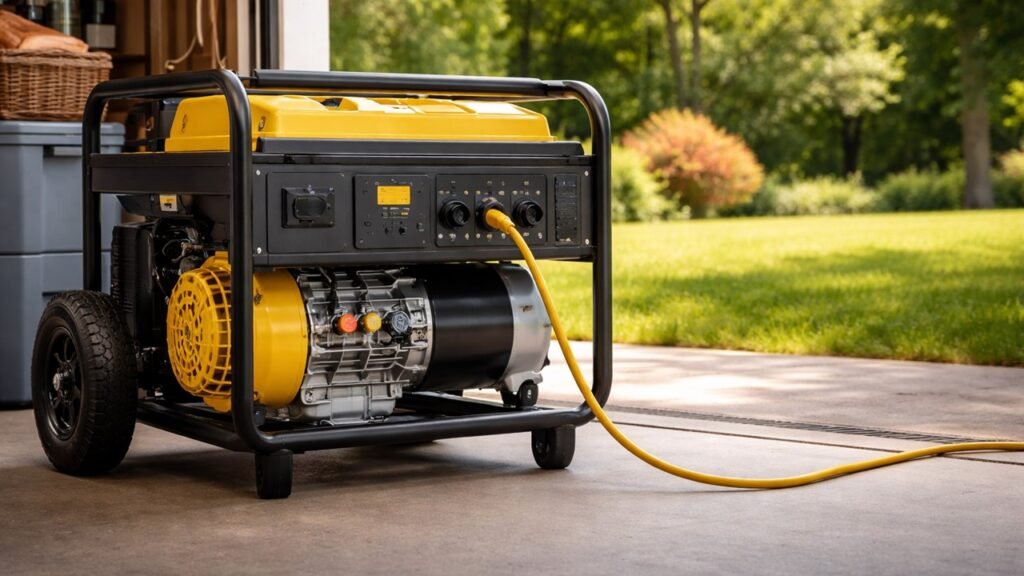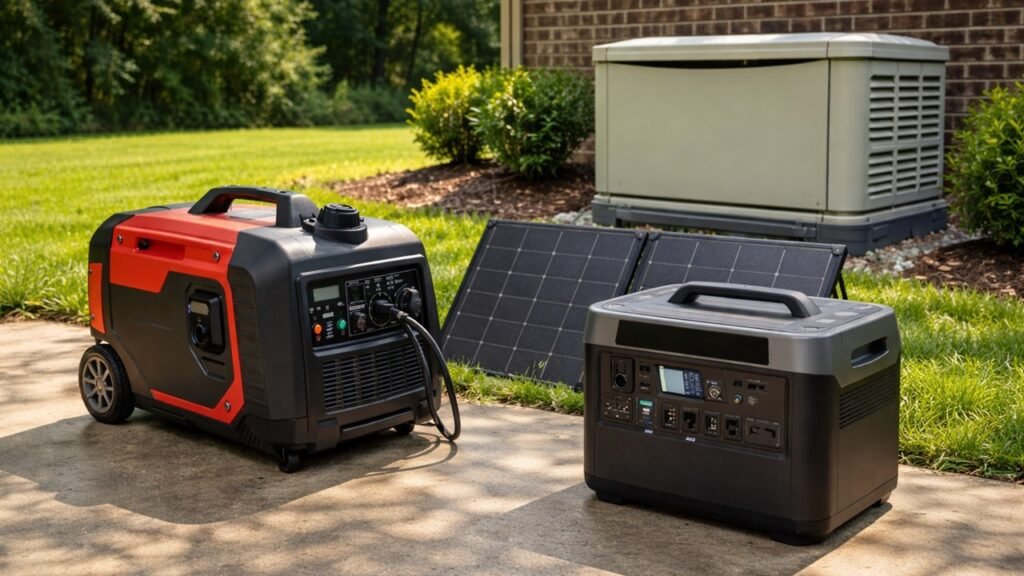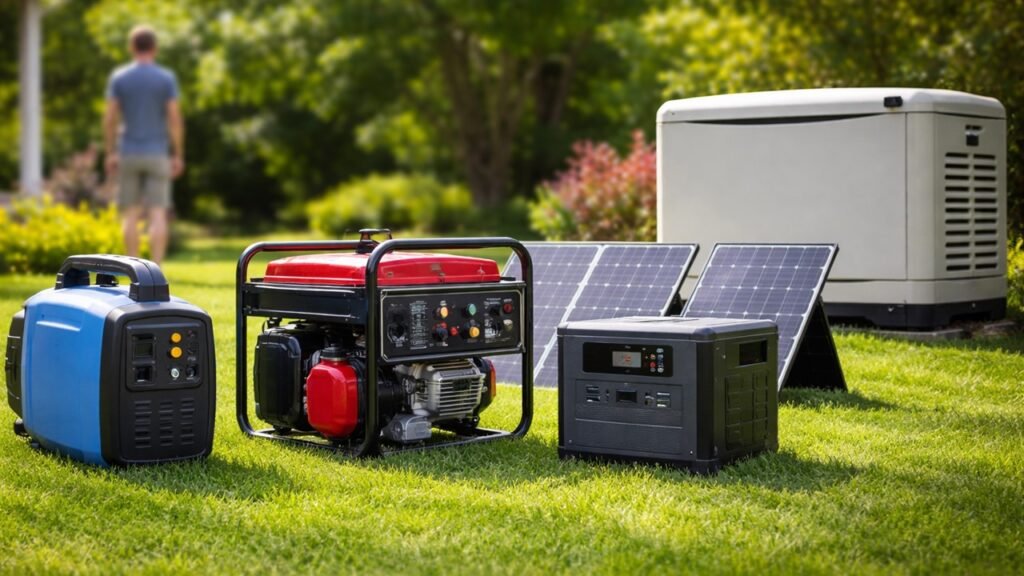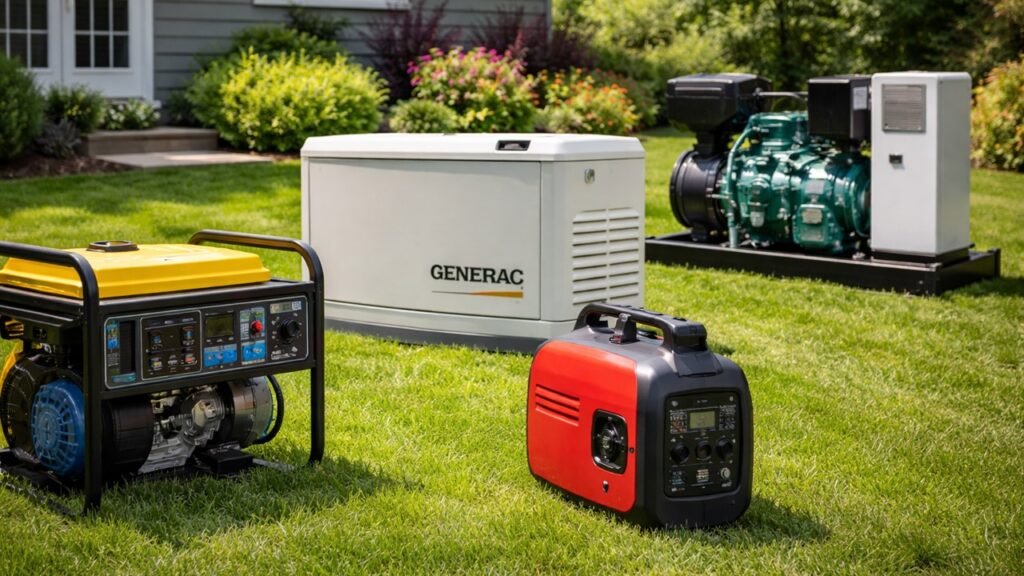
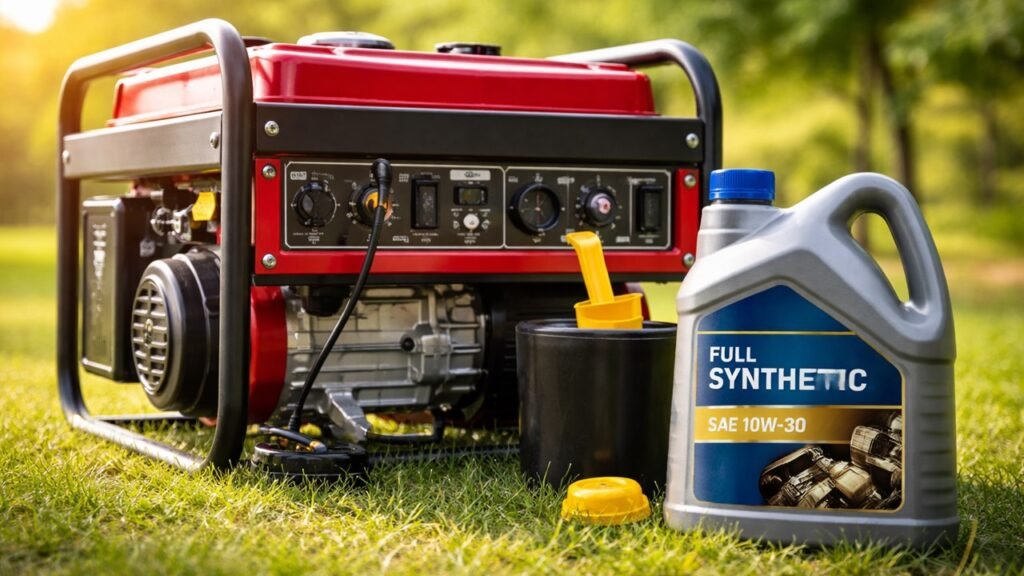
If you’re wondering what kind of oil does a generator take, the short answer is this: most portable gasoline generators use SAE 10W-30 motor oil. That said, the exact oil you need depends on your generator’s engine type and the temperature where you’re using it.
Choosing the right generator oil is not just about keeping it running. The correct viscosity protects the engine from wear, prevents overheating, and helps your generator last longer. The safest move is always to check your owner’s manual first, then match the oil to your climate and engine design.
Key Summary:
- Most portable gasoline generators use SAE 10W-30 motor oil for normal temperatures.
- Cold weather operation requires 5W-30 or synthetic oil for easier starting.
- Diesel generators typically require SAE 15W-40 heavy-duty oil.
- Generator oil viscosity must match ambient temperature and engine type.
- The owner’s manual determines the exact oil grade and API specification required.
Quick Answer: What Oil Do Most Generators Use?
Most generators use SAE 10W-30 engine oil for normal operating conditions. It works well in moderate temperatures and is widely recommended by manufacturers for portable gasoline models.
Here’s a clearer breakdown:
- Most portable gasoline generators use SAE 10W-30 motor oil.
- Cold weather use often calls for SAE 5W-30 or full synthetic 5W-30.
- Warm climates above 32°F can use SAE 30 single-grade oil.
- Diesel generators commonly use SAE 15W-40 heavy-duty oil.
- Small 2-stroke generators require 2-cycle oil mixed with fuel.
- The manufacturer’s manual should always be your final reference.
In most cases, if you own a standard portable generator for home backup, camping, or job site use, 10W-30 will be the correct choice.
Generator Oil Temperature Chart
Generator oil viscosity matters because oil behaves differently in hot and cold conditions. If it is too thick in cold weather, your generator will struggle to start. If it is too thin in high heat, it will not protect internal parts properly.
Below is a simple temperature guide you can use.
| Oil Type | Temperature Range | Best For | Notes |
| SAE 5W-30 Synthetic | Below 40°F (4°C) | Cold weather | Easier cold starts |
| SAE 10W-30 | -10°F to 100°F | Most climates | Most common recommendation |
| SAE 30 | Above 32°F (0°C) | Warm climates | Stable summer use |
| SAE 15W-40 | Hot climates | Diesel generators | Heavy-duty protection |
Most small gasoline generators are air-cooled, which means they run hotter than car engines. That makes using the correct viscosity even more important.
Does Engine Type Change the Oil You Need?
Yes, engine type absolutely changes what oil you should use. Most modern generators use 4-stroke engines, but some smaller or older models use 2-stroke engines. The oil system works differently in each case.
4-Stroke Generator Engines
A 4-stroke generator works like a car engine. The oil and fuel are separate. Oil sits in the crankcase and lubricates internal parts while the engine runs.
- You add oil to a dedicated oil fill port.
- You do not mix oil with gasoline.
- Most portable and standby generators use this design.
If you own a typical home backup generator or inverter generator, it is almost certainly a 4-stroke engine using standard motor oil like 10W-30.
2-Stroke Generator Engines
A 2-stroke generator works differently. The oil must be mixed directly with the fuel before it enters the engine.
- These engines require 2-cycle oil.
- You mix the oil with gasoline in a specific ratio.
- You should never add regular motor oil to a 2-stroke fuel tank.
Using the wrong oil in a 2-stroke engine can quickly cause serious damage, so always confirm your engine type before adding anything.
Synthetic vs Conventional Generator Oil
Synthetic oil offers better temperature stability, cleaner engine performance, and longer protection, while conventional oil is more affordable and works well for light or occasional use. Both can work in a generator, but synthetic oil generally provides better protection in extreme heat or cold.
Here is a simple comparison:
| Feature | Synthetic Oil | Conventional Oil |
| Cold Start Performance | Excellent | Moderate |
| Heat Resistance | Very high | Good |
| Engine Cleanliness | Fewer deposits | More sludge over time |
| Oil Change Interval | Longer | Shorter |
| Cost | Higher | Lower |
| Best For | Standby or heavy use | Occasional use |
If you run your generator during long outages or in very hot or cold weather, synthetic oil is usually worth the extra cost. If you only use it occasionally in mild conditions, conventional oil is typically fine.
How Often Should You Change Generator Oil?
Most generators need their first oil change after 20 to 25 hours of use, then every 50 to 100 hours after that, depending on the manufacturer’s guidelines. Regular oil changes are critical for engine longevity.
Here is what to follow:
- Change the oil after the first 20 to 25 hours of break-in use.
- Change oil every 50 to 100 runtime hours afterward.
- Check the oil level before every use.
- Change oil more frequently in hot, dusty, or heavy-load conditions.
- For standby generators, follow annual service schedules if runtime is low.
Dirty oil increases engine wear and can lead to overheating. Keeping fresh oil in your generator is one of the simplest ways to extend its lifespan.
Common Generator Oil Mistakes
Using the wrong oil or neglecting maintenance is one of the fastest ways to shorten a generator’s life. Most problems come from simple oversights that are easy to avoid.
Watch out for these common mistakes:
- Using car oil without checking the recommended viscosity.
- Ignoring temperature range when choosing oil.
- Mixing different oil grades or types.
- Overfilling the crankcase.
- Skipping the first break-in oil change.
- Forgetting to check oil level before starting the generator.
Even small mistakes can cause increased wear, hard starting, or automatic low-oil shutdown.
Conclusion
Most generators use SAE 10W-30 motor oil, but the right choice depends on temperature, engine type, and manufacturer recommendations. Matching the oil to your climate and engine design ensures proper lubrication and long-term reliability.
Synthetic oil offers better protection in extreme conditions, while conventional oil works well for light, occasional use. Whichever you choose, always confirm the correct viscosity and API rating in your owner’s manual.
Regular oil checks and timely oil changes are essential. With the right oil and proper maintenance, your generator will run smoother, last longer, and be ready when you need it most.
Related FAQs
Can I use 5W-30 instead of 10W-30 in my generator?
Yes, you can use 5W-30, especially in colder weather. It flows better during cold starts and still protects at normal operating temperatures. Always confirm with your manual.
Is synthetic oil better for generators?
Synthetic oil performs better in extreme heat and cold. It keeps the engine cleaner and may last longer between changes. It is ideal for standby or heavy-use generators.
What happens if I use the wrong oil in my generator?
Using the wrong oil can cause hard starting, overheating, increased wear, or engine damage. Always match the viscosity grade to your climate and engine type.
Do inverter generators use different oil?
Most inverter generators still use standard 4-stroke motor oil like 10W-30. The oil type depends on the engine, not whether it is an inverter model.
How much oil does a portable generator take?
Most small portable generators hold between 0.4 to 1.1 quarts of oil. Check your owner’s manual for the exact capacity before filling.
How do I check generator oil level correctly?
Place the generator on level ground and remove the dipstick. Wipe it clean, reinsert without threading it in, then check the oil level against the markings.

Robert Caldwell writes in-depth guides and reviews focused on generators, backup power systems, and portable energy equipment. His work is grounded in hands-on testing, covering fuel types, runtime performance, noise levels, and real-world reliability. He helps homeowners, RV owners, and outdoor users choose dependable power solutions with confidence. Every article emphasizes clear explanations, safe operation, and long-term value.