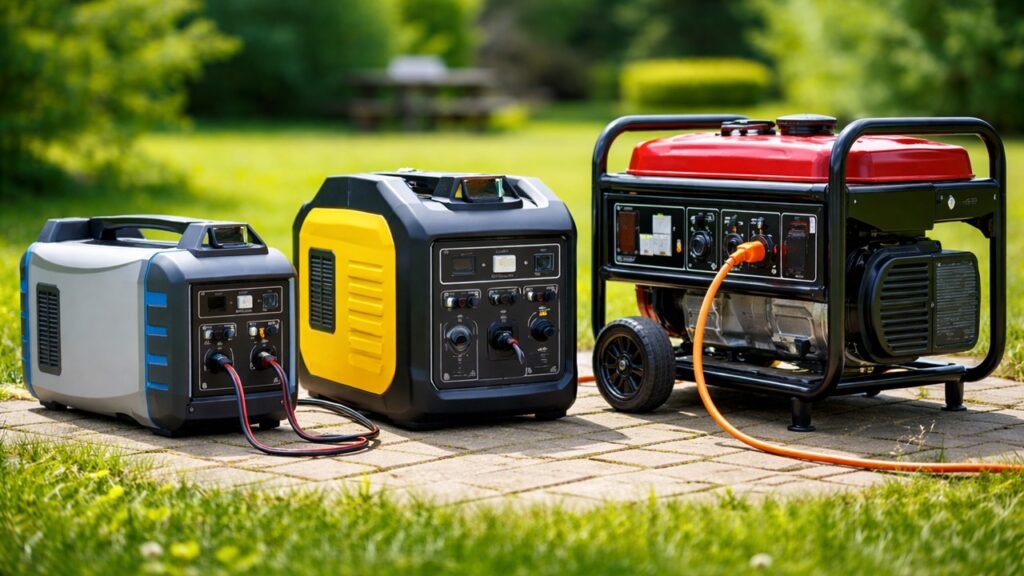
The difference between an inverter and a generator is simple once you strip away the technical noise. A generator makes electricity from fuel, while an inverter takes stored electricity and converts it into a usable form for your appliances.
If you are trying to decide which one you need for home backup, camping, RV trips, or off grid living, the key question is this: Do you need to create power from scratch, or do you already have power stored in batteries? That answer usually points you in the right direction.
Key Summary:
- An inverter converts DC power from batteries or solar panels into usable AC electricity for appliances.
- A generator produces electricity by burning fuel such as gasoline, propane, or diesel.
- An inverter generator creates electricity from fuel and stabilizes it using inverter technology.
- Inverters operate silently indoors, while generators must run outdoors due to exhaust gases.
- Inverter generators deliver cleaner and more stable power than conventional generators, making them safer for electronics.
What Is an Inverter?
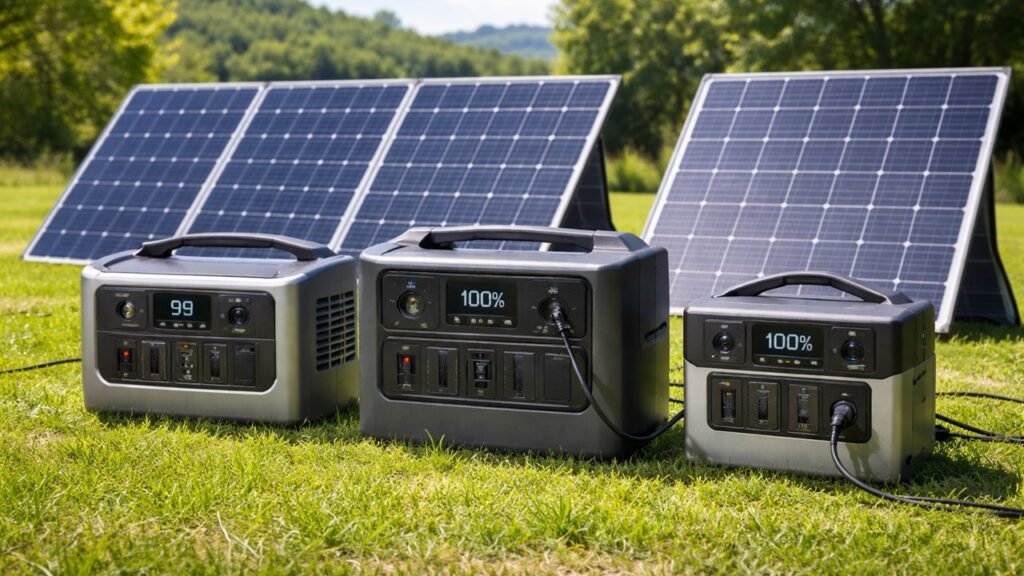
An inverter is an electronic device that changes electricity from one form to another. More specifically, it converts DC power into AC power. DC power usually comes from batteries or solar panels. AC power is what your home appliances use.
The important thing to understand is that an inverter does not create electricity on its own. It cannot run without a battery or another DC power source connected to it. Think of it as a translator. It takes the electricity stored in a battery and converts it into something your fridge, TV, or laptop can understand.
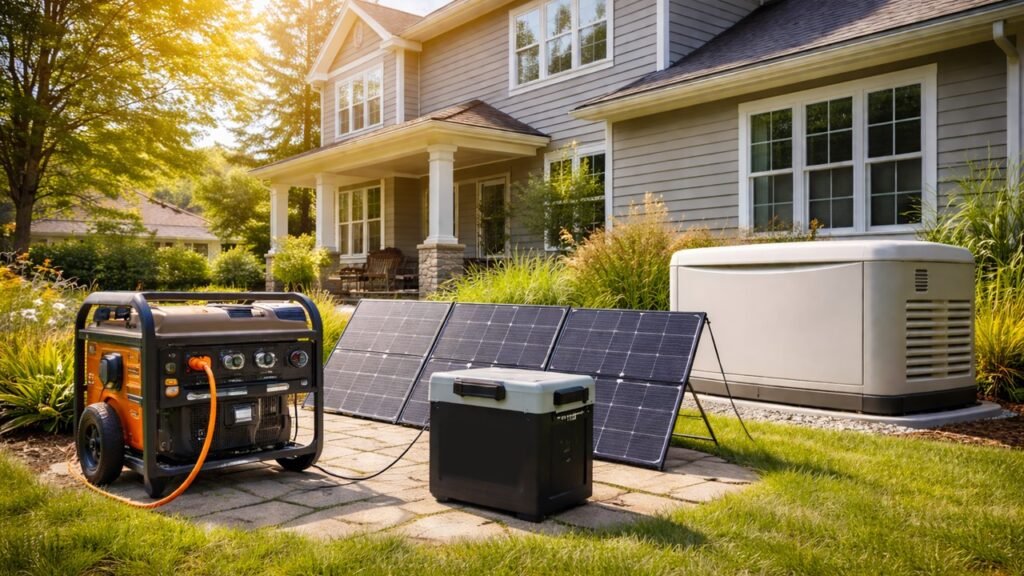
Inverters are commonly used in solar systems, home battery backups, RV setups, and UPS systems for computers. Since they do not burn fuel and do not have engines, they can operate indoors safely when properly installed.
What Is a Generator?
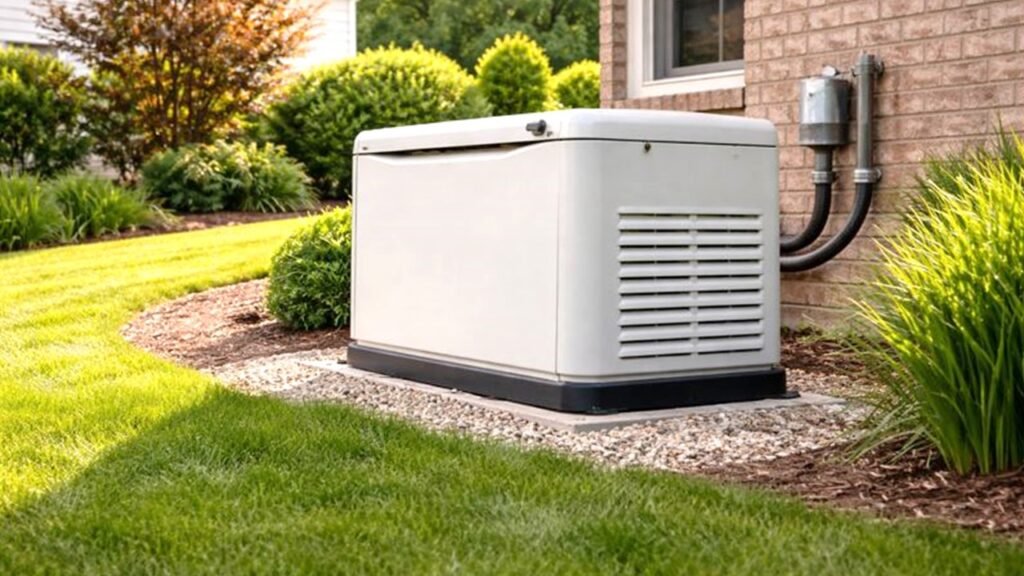
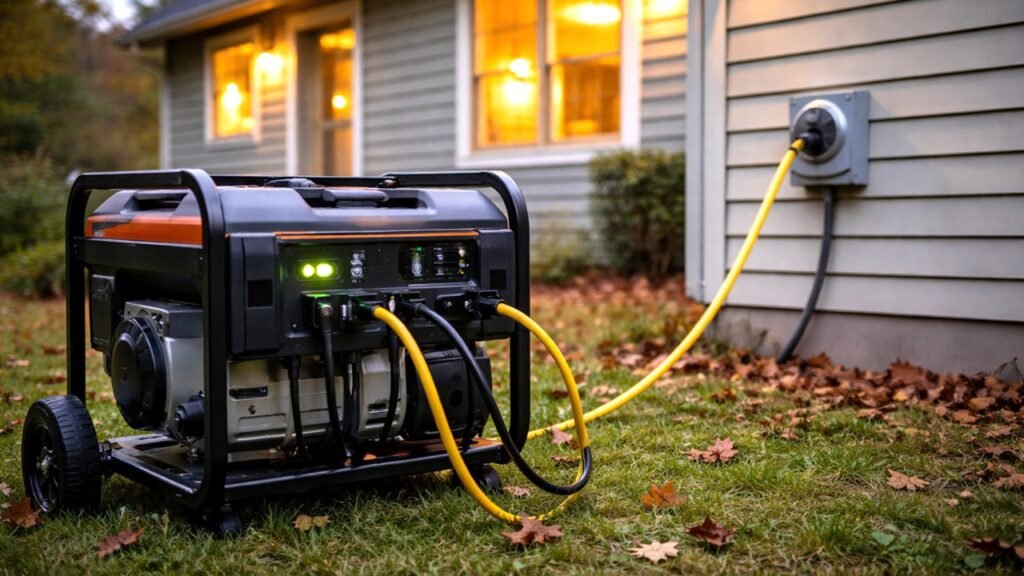
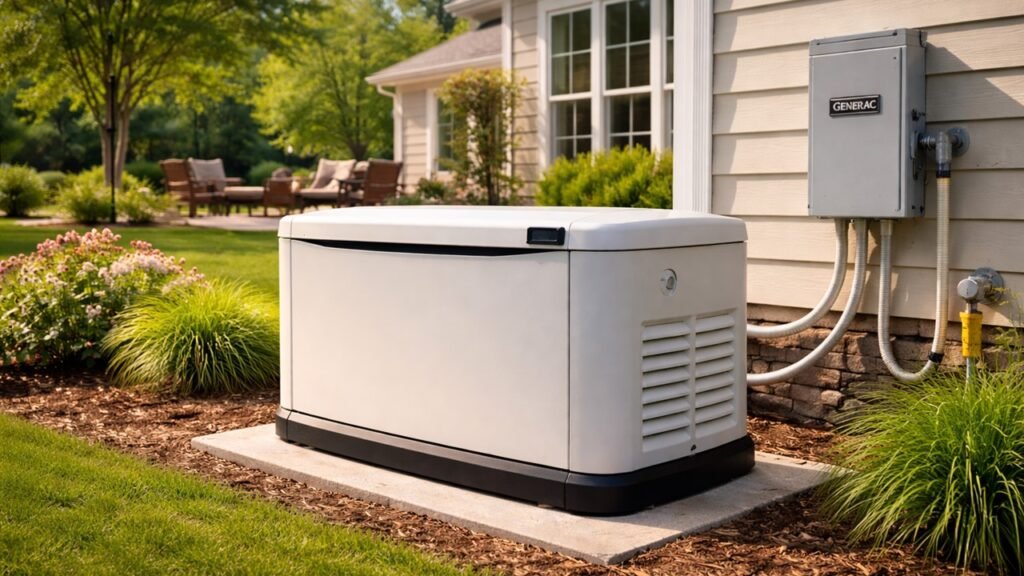
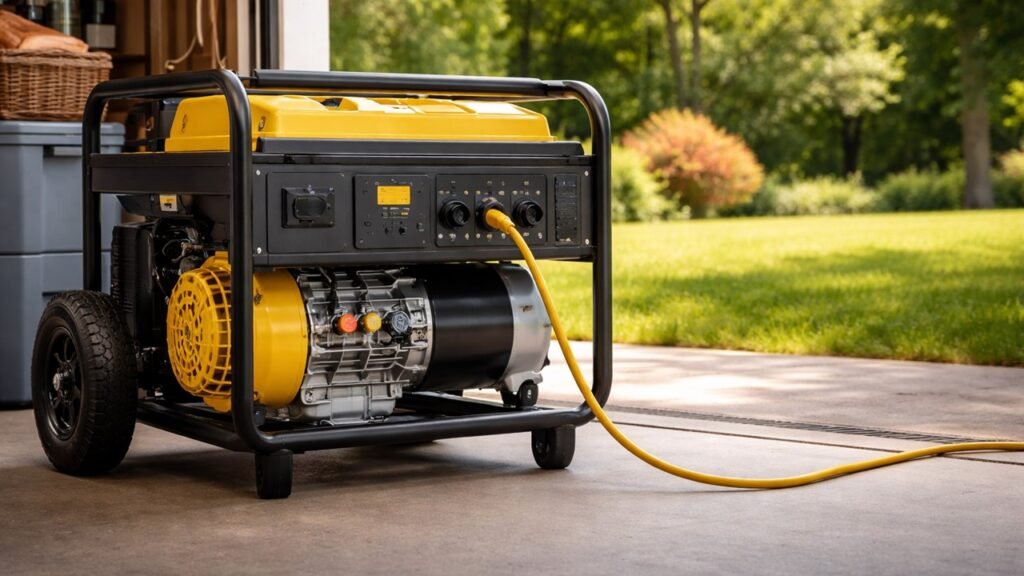
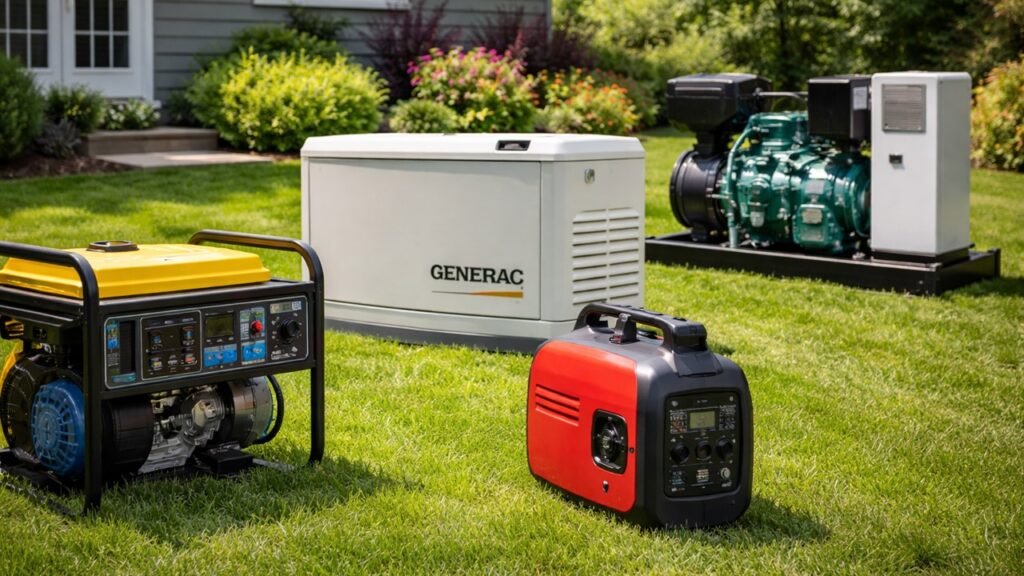
A generator is a machine that creates electricity by burning fuel. It uses gasoline, propane, diesel, or natural gas to power an engine. That engine spins an alternator, which then produces electricity.
Unlike an inverter, a generator does not need a battery to operate. As long as it has fuel, it can keep producing power. That is why generators are popular during power outages. They can run refrigerators, sump pumps, air conditioners, and other heavy appliances without relying on stored energy.
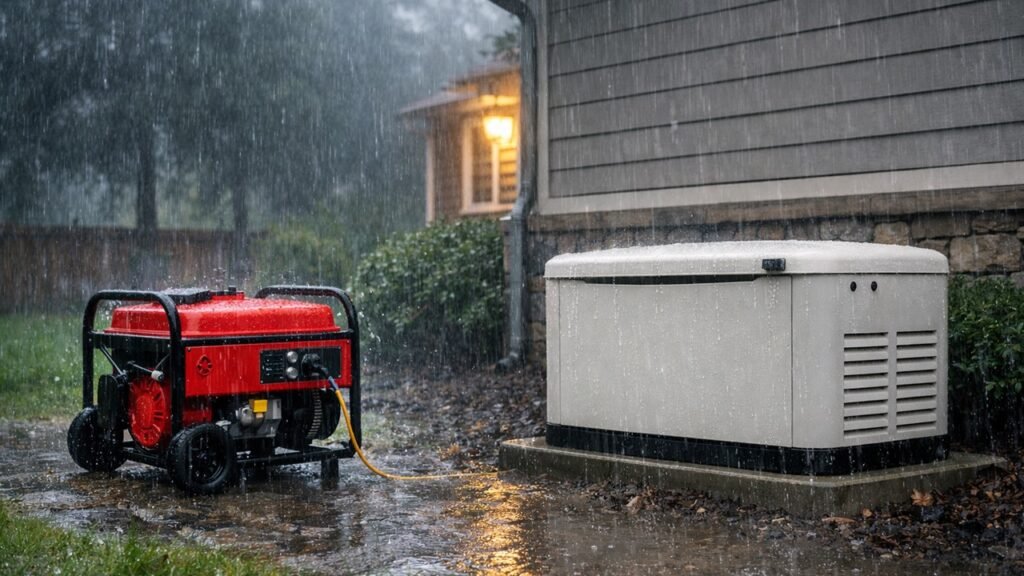
Because generators burn fuel, they produce exhaust gases, including carbon monoxide. This is why they must always be used outdoors and placed far away from doors and windows. Safety is not optional here.
What Is an Inverter Generator? (Commonly Confused)
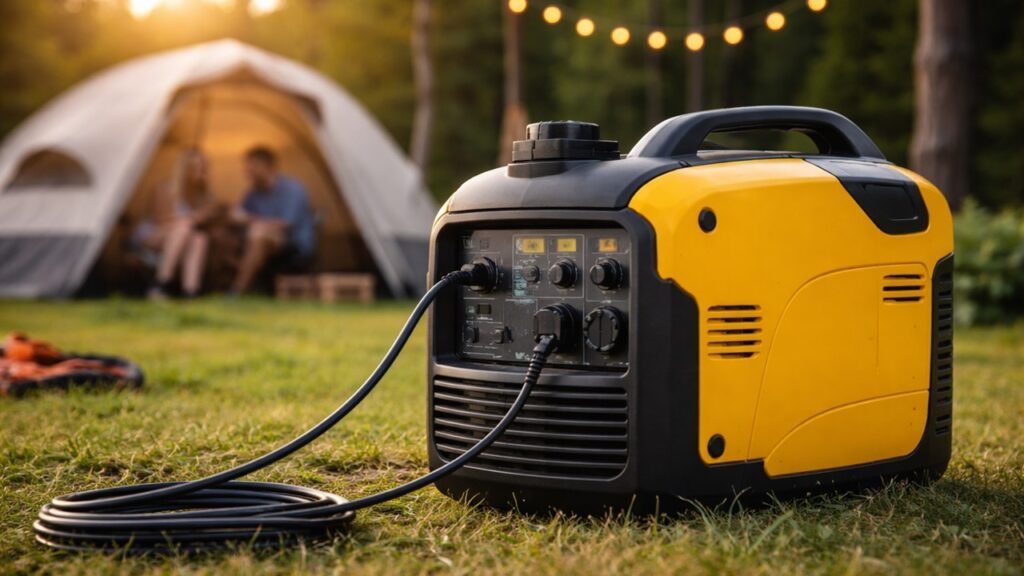
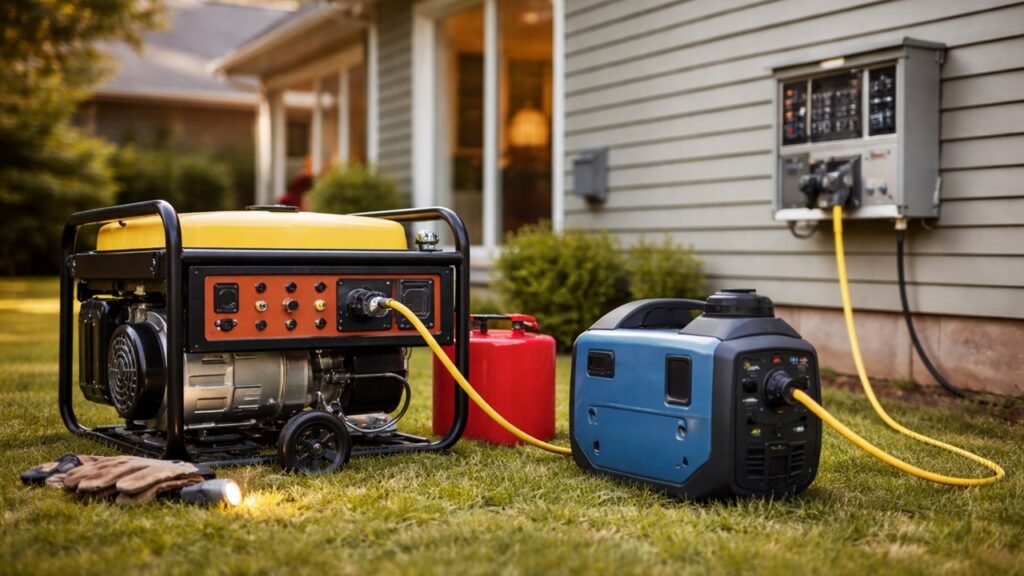
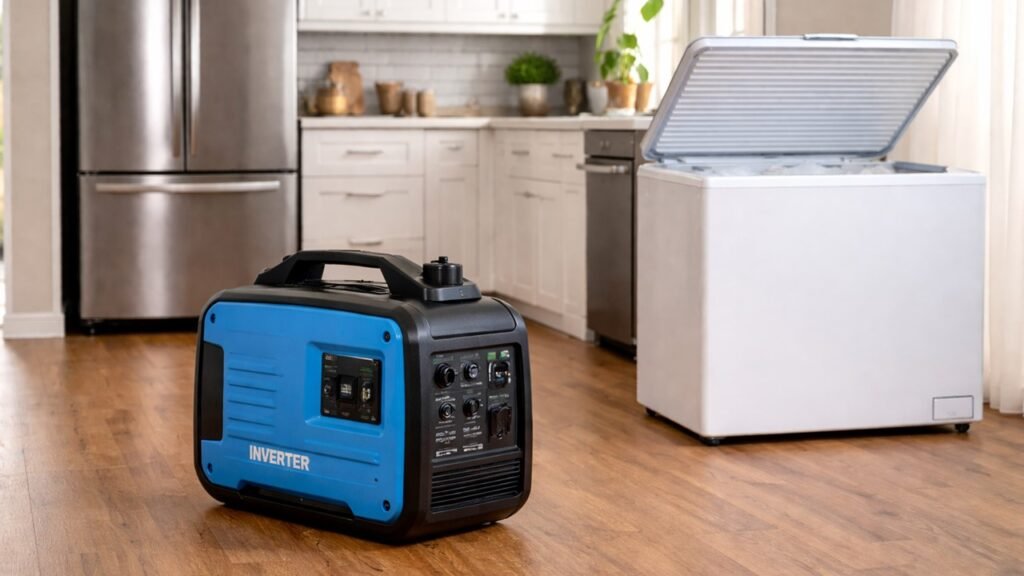
An inverter generator is where many people get confused. Despite the name, it is still a generator. It burns fuel and creates electricity just like a traditional generator. The difference is what happens next.
Instead of sending raw electricity straight to your outlets, an inverter generator processes that power electronically before delivering it. This extra step makes the electricity more stable and cleaner. That matters if you are running sensitive electronics like laptops, phones, or medical devices.
Here is what makes an inverter generator different from a conventional generator:
- It adjusts engine speed based on how much power you are using, which improves fuel efficiency.
- It runs quieter because the engine does not stay at full speed all the time.
- It produces more stable electricity, which is safer for modern electronics.
- It is usually smaller and more portable than traditional open frame generators.
In simple terms, a traditional generator focuses on raw power. An inverter generator focuses on cleaner, more efficient power.
Inverter vs Generator vs Inverter Generator (Key Differences)
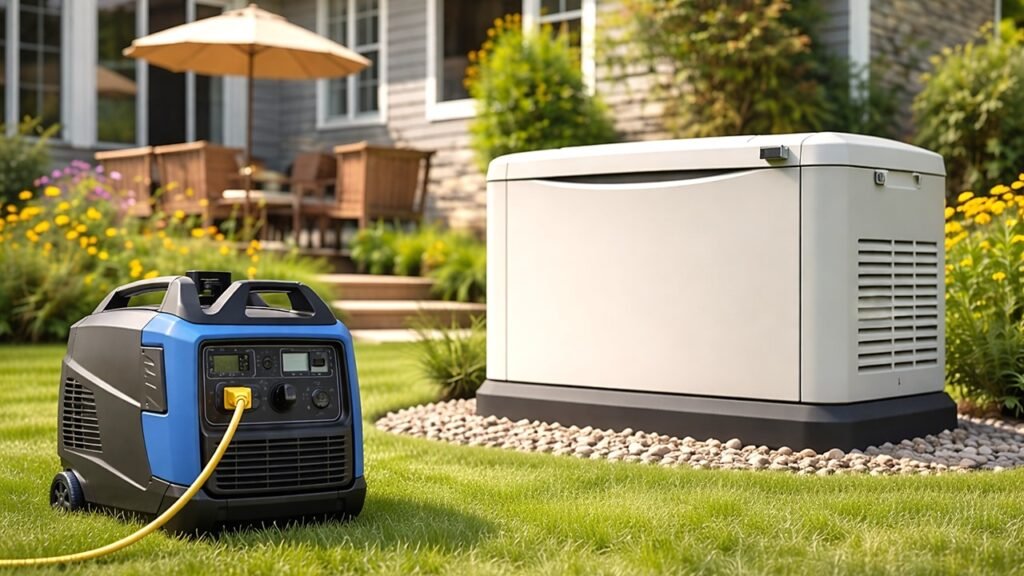
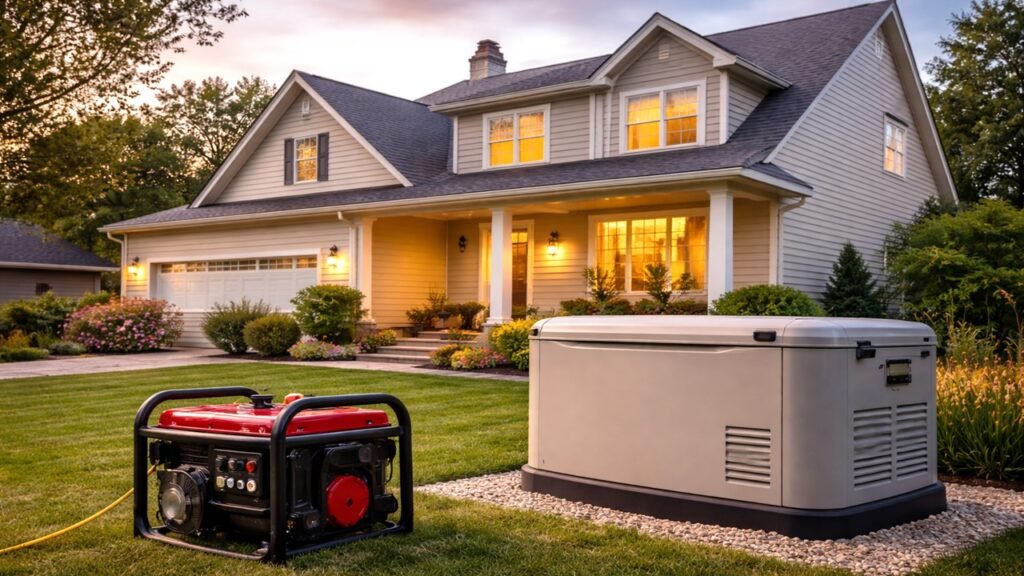
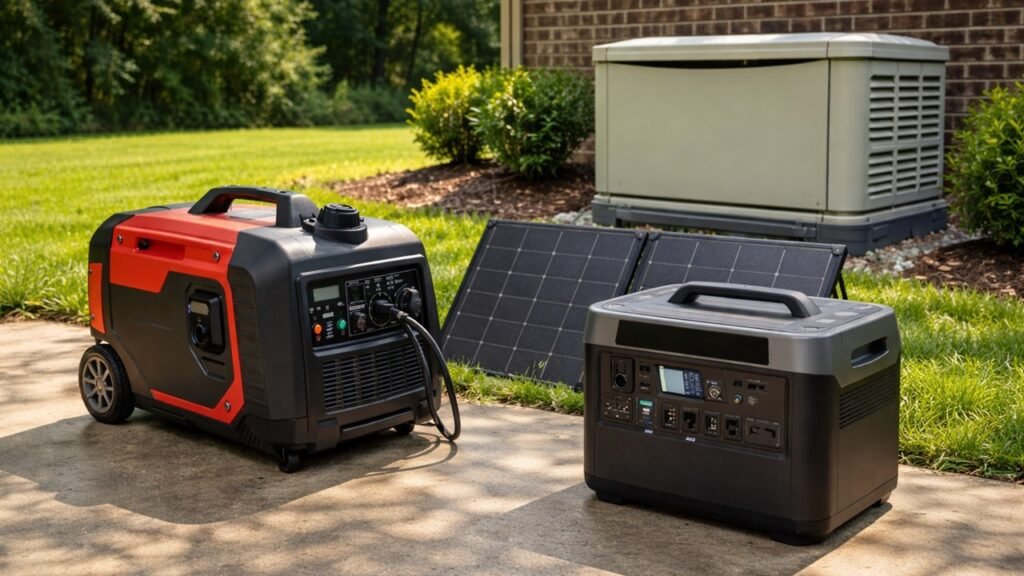
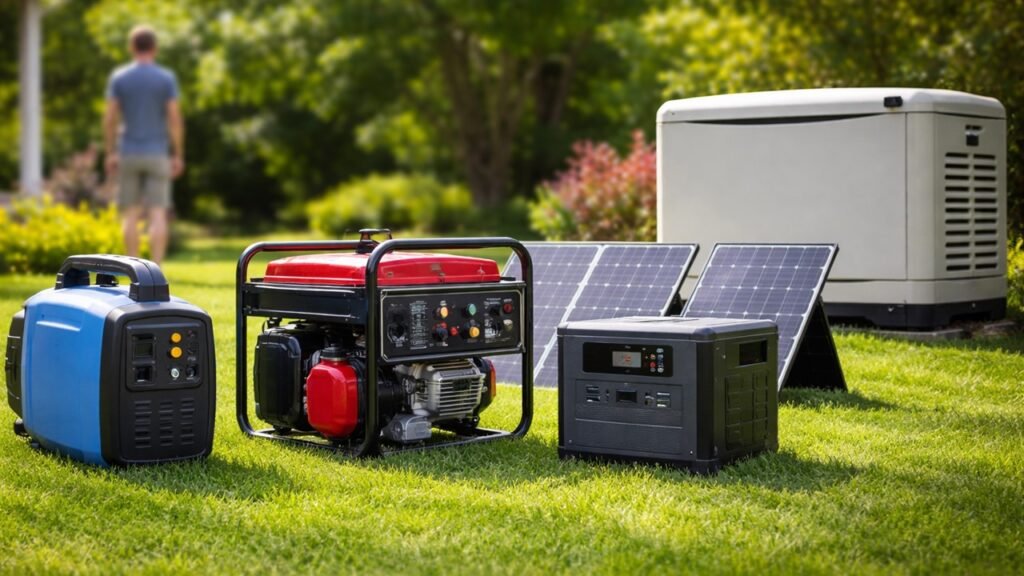
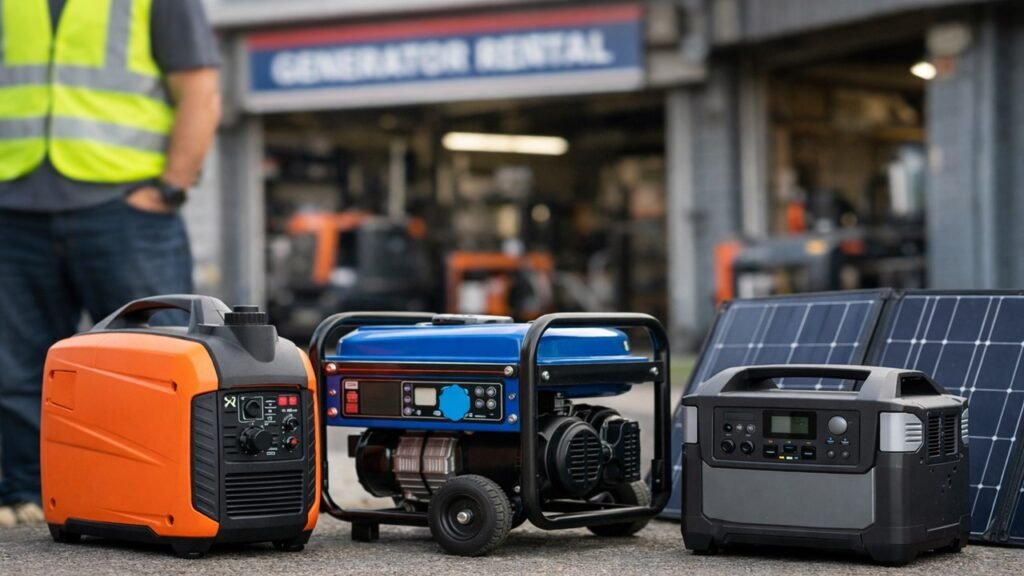
The main difference is simple. An inverter converts stored DC power into usable AC power. A generator creates electricity by burning fuel. An inverter generator also burns fuel, but it cleans and stabilizes the power before sending it to your devices.
If you are comparing them side by side, the real differences show up in how they produce power, how clean that power is, and where you can safely use them.
| Feature | Inverter | Generator | Inverter Generator |
| Produces electricity | No | Yes | Yes |
| Power source | Battery or solar | Gasoline, propane, diesel, natural gas | Gasoline or propane |
| Power quality | Very clean and stable | Can fluctuate | Clean and stable |
| Noise level | Silent | Loud | Quieter |
| Indoor use | Yes | No | No |
| Best for electronics | Excellent | Risky | Excellent |
| Best for heavy appliances | Limited by battery size | Very good | Good |
Which One Should You Use?
The right choice depends on what you are trying to power and for how long. If you understand your use case first, the decision becomes much easier.
Use an Inverter If
Choose an inverter if you already have batteries or a solar setup and need quiet indoor power.
- You want silent operation inside your home or RV
- You are powering lights, fans, laptops, routers, or small appliances
- You want a clean energy setup without fuel
- You are building a solar or battery backup system
An inverter makes sense when stored energy is available and noise or emissions are a concern.
Use a Generator If
Choose a conventional generator if you need strong, reliable power for large appliances.
- You need to run a refrigerator, air conditioner, well pump, or power tools
- You expect long power outages
- You do not mind engine noise
- Fuel access is not a problem
Generators are built for raw output and long runtime.
Use an Inverter Generator If
An inverter generator is the middle ground.
- You want cleaner power but still need fuel backup
- You care about lower noise levels
- You camp, RV, or tailgate often
- You want better fuel efficiency
It gives you the strength of a generator with better power stability.
Power Quality and Safety Differences
Power quality and safety are often overlooked, but they matter more than most people realize.
Clean power means stable voltage and low total harmonic distortion. Sensitive electronics perform better and last longer when powered by stable electricity.
Here is what separates them:
- Inverters produce stable pure sine wave electricity suitable for electronics.
- Conventional generators can produce voltage fluctuations that may stress sensitive devices.
- Inverter generators electronically stabilize output for cleaner delivery.
- Generators and inverter generators must always run outdoors due to carbon monoxide risk.
- Inverters can operate indoors because they do not burn fuel.
- Fuel powered units require proper ventilation and safe placement away from windows and doors.
If safety and electronics protection are priorities, the difference becomes very important.
Cost and Practical Trade-Offs
Inverters are usually affordable on their own, but they require batteries. Once you factor in a quality battery bank, the total system cost can rise quickly. However, there is no ongoing fuel expense, which can save money over time.
Conventional generators typically offer the lowest cost per watt. You get more raw power for less upfront money. The trade off is fuel consumption, noise, and maintenance like oil changes and spark plugs.
Inverter generators cost more than traditional generators of similar wattage. What you are paying for is quieter operation, better fuel efficiency, and cleaner electricity. For many homeowners and RV users, that balance is worth it.
Conclusion
An inverter converts stored power into usable electricity. It does not create power on its own. It is best suited for battery based and solar setups where quiet indoor use is important.
A conventional generator creates electricity from fuel. It is strong, reliable, and ideal for heavy appliances or extended outages, but it is louder and requires outdoor operation.
An inverter generator combines fuel powered generation with cleaner electronic output. It offers better efficiency and safer power for electronics while still delivering solid backup performance.
If you are clear about what you need to power and how long you need it to run, choosing between them becomes much easier.
Related FAQs
Is an inverter better than a generator?
It depends on your needs. An inverter is better for silent indoor use and powering electronics, while a generator is better for running heavy appliances during long outages.
Can an inverter run a refrigerator?
Yes, but only if the battery capacity and inverter wattage are high enough. Small inverters may not handle the startup surge of a refrigerator.
Why are inverter generators more expensive?
Inverter generators use advanced electronics to stabilize power and adjust engine speed. That added technology increases cost but improves efficiency and power quality.
Do generators damage electronics?
Conventional generators can produce voltage fluctuations that may stress sensitive devices. Inverter generators and pure sine wave inverters provide safer, cleaner power.
Can I use an inverter without a battery?
No. An inverter requires a DC power source such as a battery or solar system. It cannot produce electricity on its own.
Which is better for home backup power?
For whole house or high wattage backup, a generator is usually better. For quiet essential loads with batteries or solar, an inverter system works well.

Robert Caldwell writes in-depth guides and reviews focused on generators, backup power systems, and portable energy equipment. His work is grounded in hands-on testing, covering fuel types, runtime performance, noise levels, and real-world reliability. He helps homeowners, RV owners, and outdoor users choose dependable power solutions with confidence. Every article emphasizes clear explanations, safe operation, and long-term value.