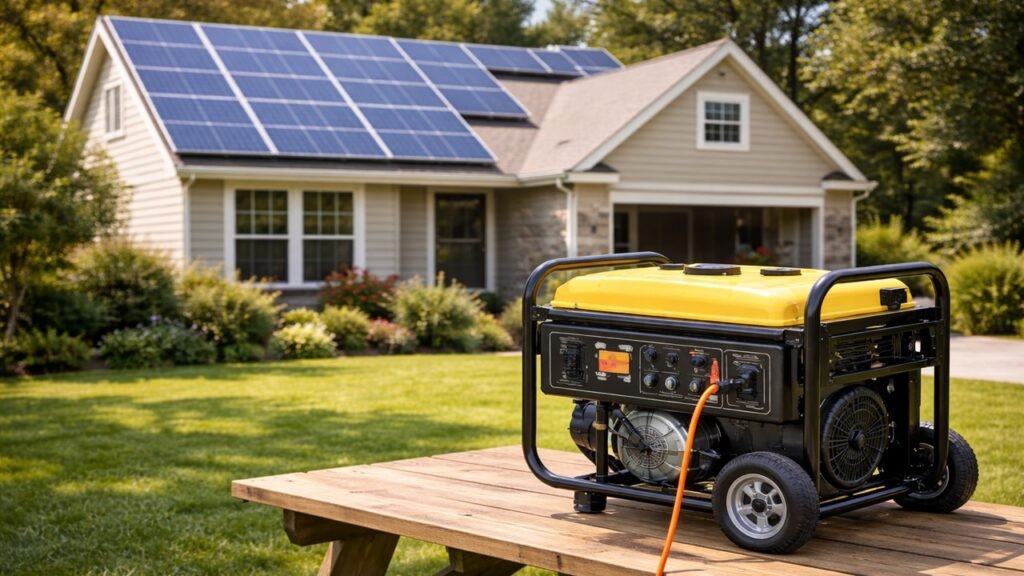
If you are comparing solar panel vs generator, you are really choosing between two different ways of keeping the lights on when the grid goes down. A solar panel system makes electricity from sunlight and stores it in batteries. A generator makes electricity by burning fuel.
The real decision comes down to this: do you want lower long term costs and quiet, clean power, or lower upfront cost with higher fuel and maintenance expenses over time?
Key Summary:
- Solar panels generate electricity from sunlight and reduce long term energy costs.
- Generators produce electricity from fuel and provide high instant power output.
- Solar systems require higher upfront investment but lower operating expenses.
- Generators require ongoing fuel and maintenance costs over their lifespan.
- Solar panels operate silently and produce zero direct emissions, while generators create noise and exhaust fumes.
Solar Panel vs Generator (Quick Comparison)
A solar panel system with battery backup gives you silent, clean electricity and very low operating costs after installation. A generator gives you strong, immediate power output but depends on fuel, produces noise, and needs regular servicing.
| Feature | Solar Panels With Battery | Generator |
| Power Source | Sunlight | Fuel combustion |
| Noise Level | Silent | Loud engine noise |
| Emissions | Zero direct emissions | Carbon monoxide and CO2 |
| Upfront Cost | Higher | Lower |
| Long Term Cost | Low | High due to fuel |
| Maintenance | Minimal | Regular oil and service |
| Indoor Safety | Safe | Unsafe due to fumes |
| Lifespan | 25 to 30 years | 10 to 15 years |
Here is the simple breakdown. Solar panels reduce electricity bills over time. Generators increase costs because fuel must be purchased continuously. Solar depends on sunlight and battery size. Generators depend on fuel availability.
According to the U.S. Energy Information Administration, the average U.S. home uses about 10,500 kWh per year. A properly sized solar system can offset most of that usage long term. A generator is usually a short term emergency solution.
What Is a Solar Panel System With Battery Backup?
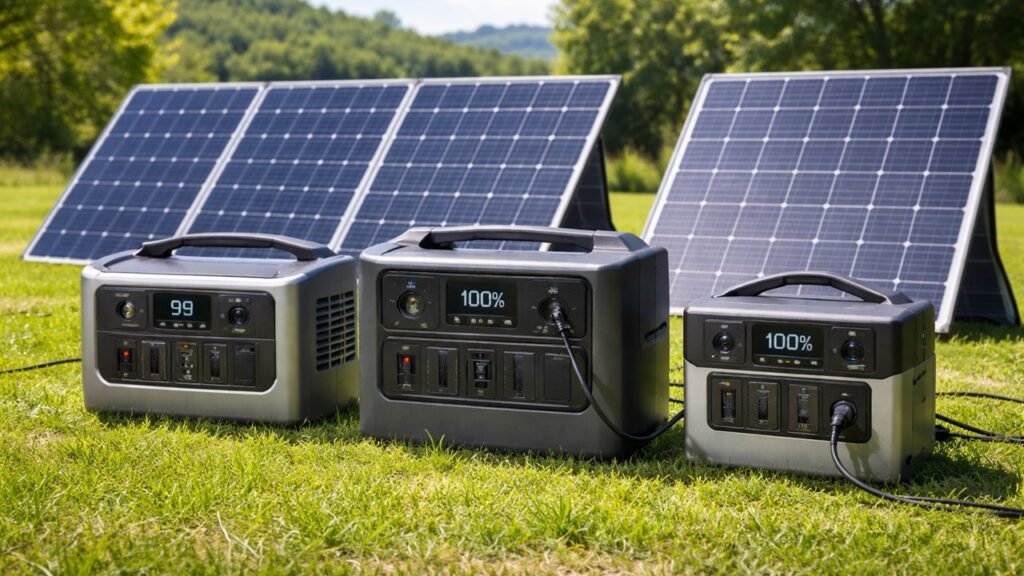
A solar panel system with battery backup captures sunlight during the day and stores extra energy in batteries for later use. The panels produce electricity. The inverter converts it into usable power. The battery saves excess energy for nighttime or outages.
Most solar panels last 25 to 30 years and often come with long performance warranties. Lithium batteries typically last 10 to 15 years depending on how heavily they are used. Once installed, the system runs quietly with almost no ongoing maintenance.
If you want energy independence and predictable long term costs, solar is built for that. The main limitation is that production depends on sunlight and system size.
What Is a Generator?
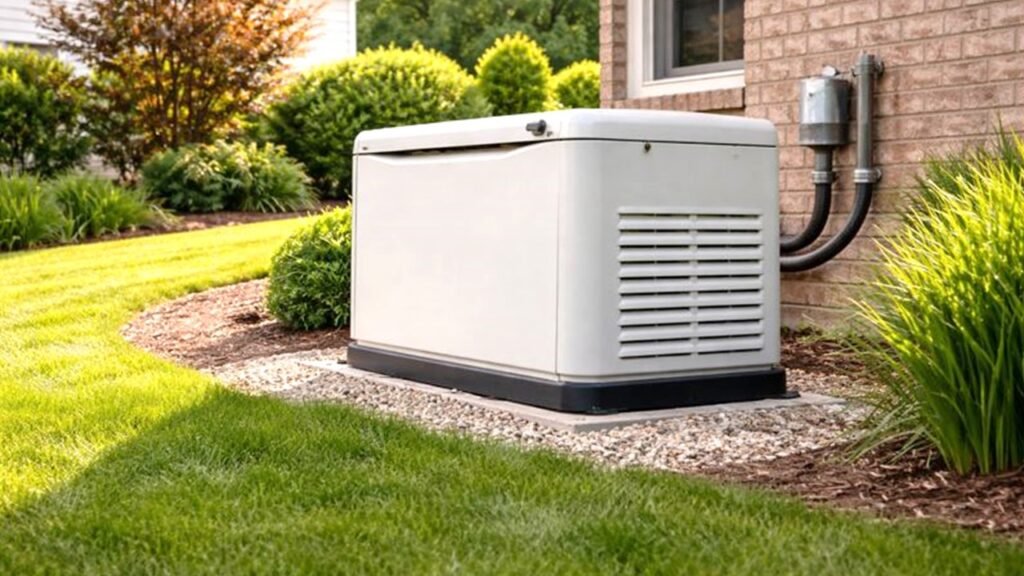
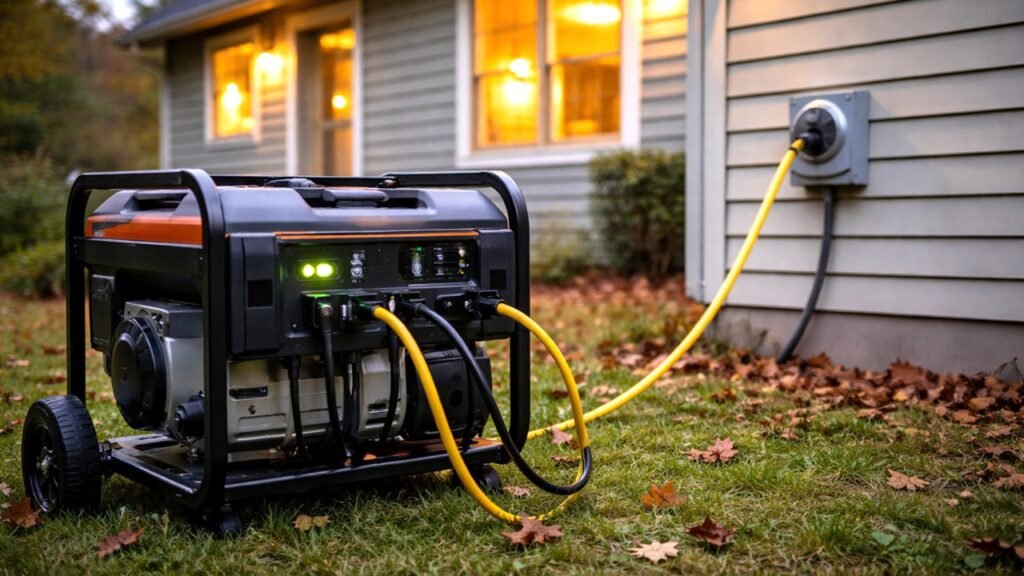
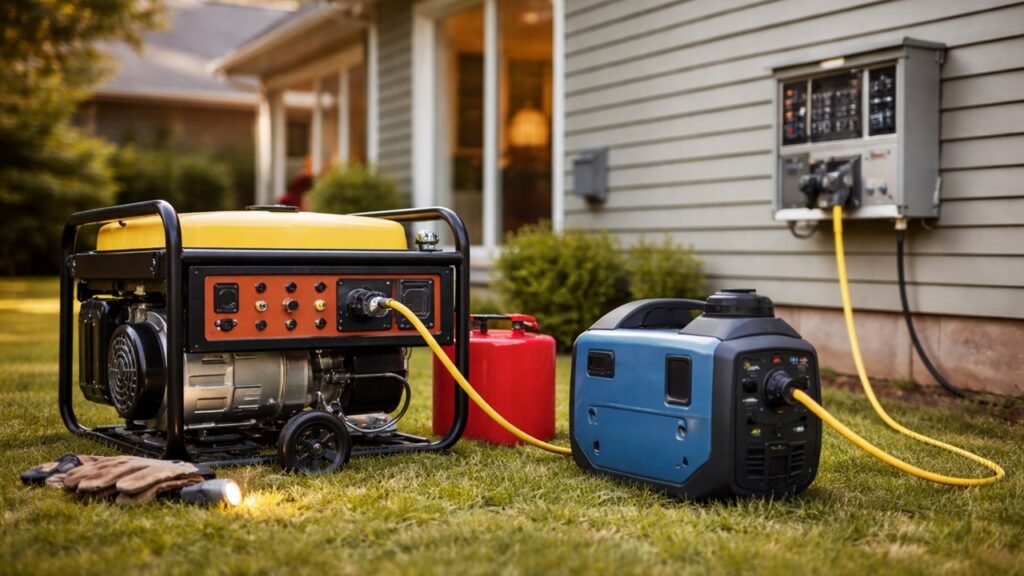
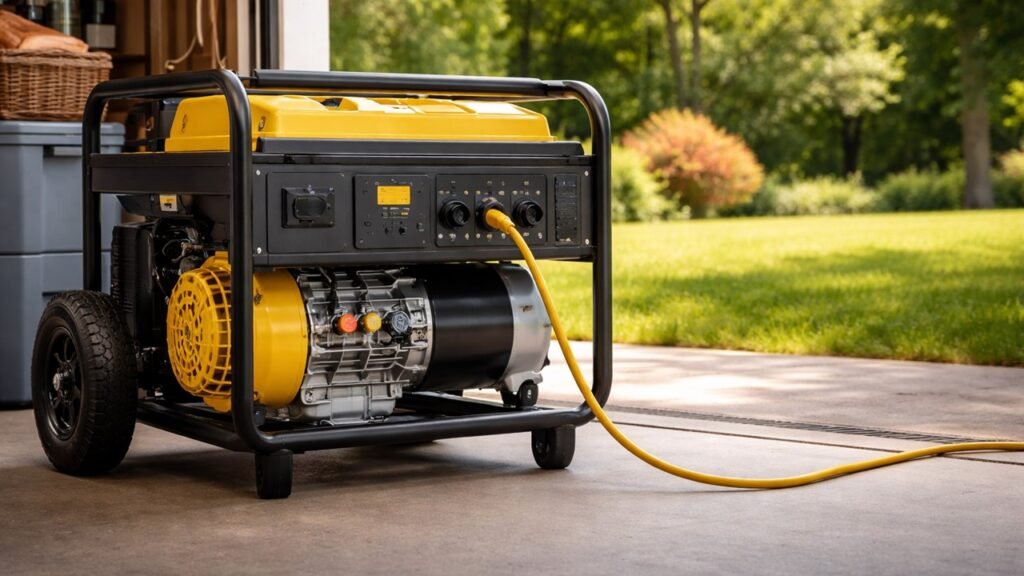
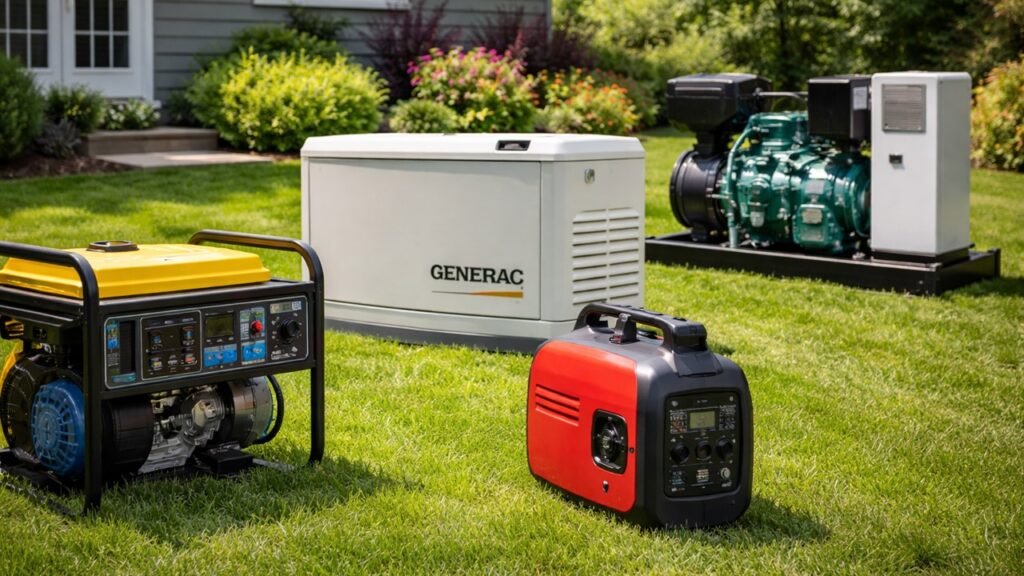
A generator produces electricity by running a fuel powered engine. That engine spins an alternator, which creates power for your home. It can run on gasoline, diesel, propane, or natural gas.
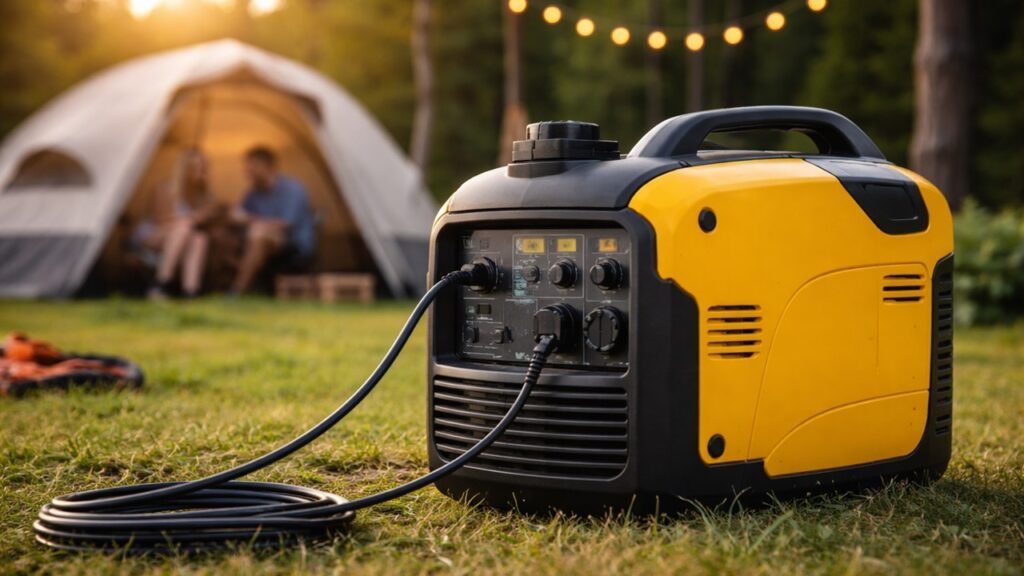
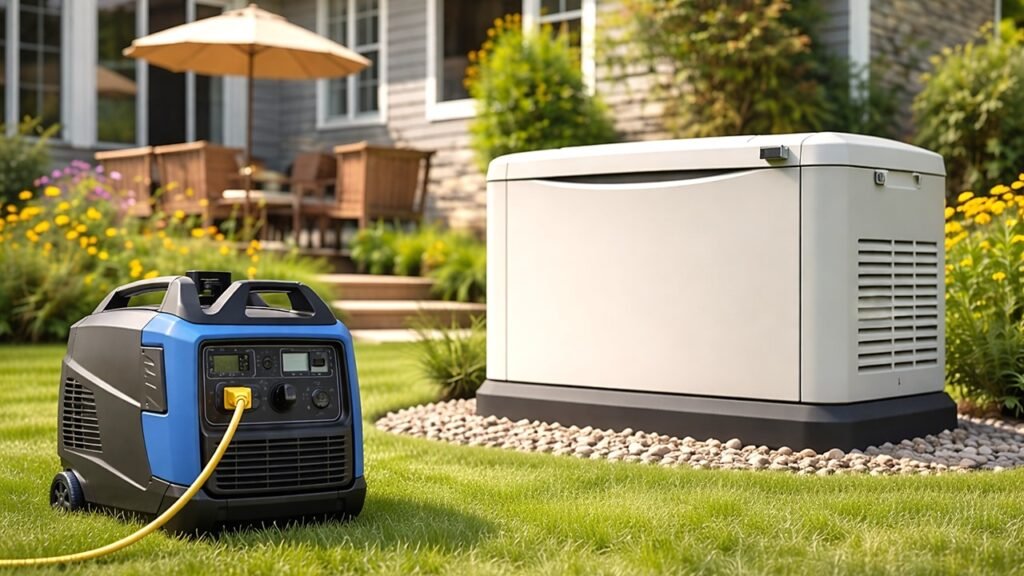
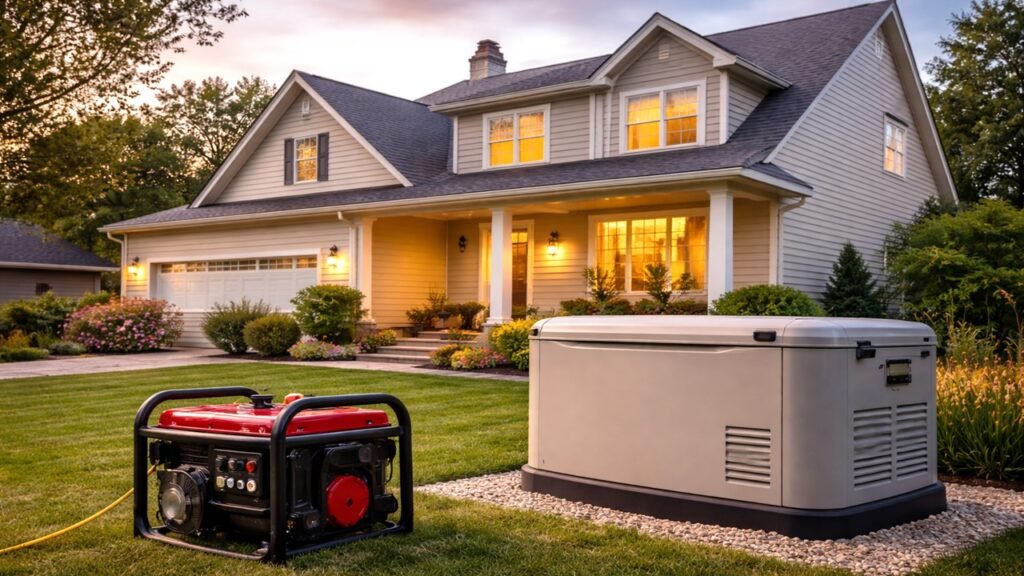
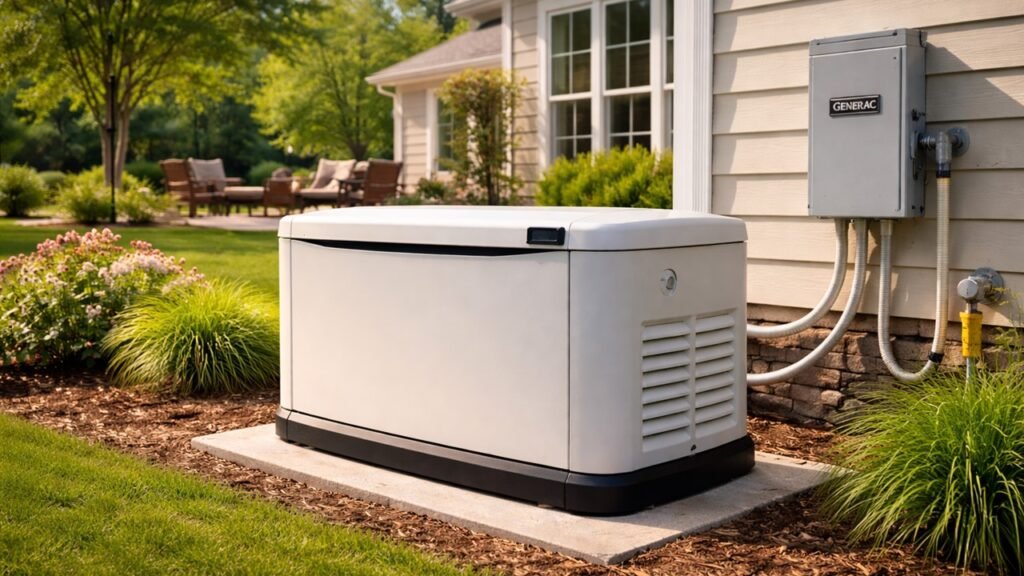
Portable generators are common for temporary outages. Standby generators are permanently installed and turn on automatically when the power goes out. They are powerful enough to run large loads like air conditioners and well pumps.
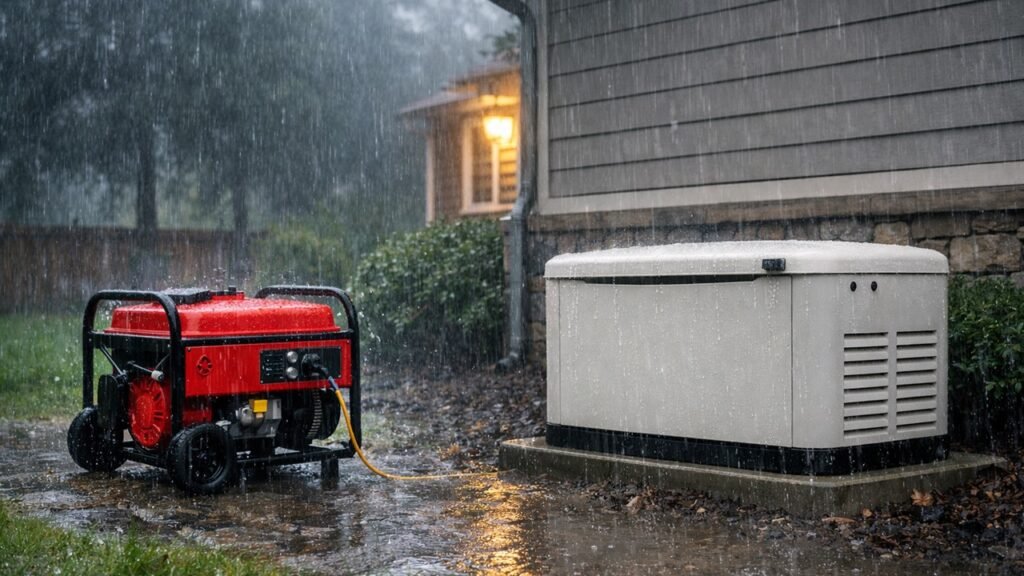
Generators work as long as fuel is available. But they require regular oil changes and maintenance. They are also loud and must be placed outdoors. The U.S. Consumer Product Safety Commission reports that carbon monoxide from generators causes dozens of deaths every year, which is why safe placement is critical.
If you need strong backup power immediately and have reliable fuel access, a generator works well. If you prefer quieter operation and lower long term costs, solar panels with batteries are usually the better long term solution.
Power Output and Performance
When comparing power output and performance, generators usually deliver higher instant wattage, while solar panel systems provide steady, long term energy based on system size and sunlight availability. Generators excel in short bursts of heavy demand. Solar systems excel in consistent daily production and quiet backup.
Let’s break that down more clearly.
Power Output Capacity
Generators are designed to handle high surge loads. A typical standby generator ranges from 10 kW to 24 kW, which is enough to run central air conditioning, refrigerators, pumps, and multiple appliances at the same time. Portable generators usually range between 3 kW and 8 kW.
Solar panel systems depend on panel size and battery capacity. A common residential solar system ranges from 5 kW to 12 kW. The battery determines how much power you can use during an outage. For example, a 10 kWh battery can run essential appliances for several hours, but running heavy loads like HVAC continuously will drain it faster.
Generator produces power instantly from fuel combustion. Solar system produces power from sunlight and stores excess in batteries.
Performance During Extended Outages
Generators perform consistently during long outages as long as fuel is available. If you have access to natural gas or a large propane tank, a standby generator can run for days.
Solar systems perform best when sunlight is available daily. During multi day storms with limited sunlight, battery reserves may run low unless the system is properly sized.
Generator reliability depends on fuel supply. Solar reliability depends on sunlight and storage capacity.
Cost Comparison of Solar Panel vs Generator
Solar panel systems cost more upfront but cost less to operate long term. Generators cost less initially but become more expensive over time due to fuel, maintenance, and replacement cycles.
Here is a clear cost breakdown.
Upfront Installation Cost
| System Type | Typical Cost Range |
| Solar Panels + Battery | $10,000 to $30,000 |
| Portable Generator | $500 to $3,000 |
| Standby Generator | $5,000 to $15,000 |
Solar systems may qualify for tax credits depending on location. In the United States, the federal solar tax credit currently allows homeowners to deduct a percentage of installation costs, according to the U.S. Department of Energy.
Long Term Operating Cost
Generator long term costs include:
- Ongoing fuel expenses
- Oil changes and maintenance
- Replacement after 10 to 15 years
- Possible repair costs
Solar system long term costs include:
- Occasional cleaning
- Inverter replacement after 10 to 15 years
- Battery replacement depending on usage
Over 20 years, fuel expenses alone can exceed the original purchase price of a generator. Solar uses free sunlight once installed, which significantly lowers lifetime energy cost.
Generator requires continuous fuel spending. Solar requires initial capital but reduces ongoing expenses.
Maintenance and Reliability
Solar panel systems require minimal maintenance. Generators require regular mechanical servicing. Reliability depends on how well each system is maintained.
Let’s look at both sides.
Maintenance Requirements
Solar maintenance is simple:
- Clean panels occasionally
- Monitor system performance
- Replace inverter or battery when needed
Generators require:
- Regular oil changes
- Fuel stabilizer for stored gasoline
- Filter replacements
- Periodic testing to ensure startup reliability
Generator contains moving engine parts that wear over time. Solar panels have no moving parts, which reduces mechanical failure risk.
Reliability in Real Emergencies
Standby generators automatically turn on during an outage. Portable units require manual startup. If not maintained properly, generators may fail to start.
Solar battery systems switch over automatically when paired with the right inverter setup. However, power availability depends on stored energy and sunlight.
Generator reliability depends on maintenance and fuel. Solar reliability depends on system sizing and storage capacity.
Environmental and Safety Impact
Solar panel systems produce clean electricity with no direct emissions. Generators burn fossil fuels and release carbon monoxide and carbon dioxide. Safety and environmental impact are major differences between the two.
Here is what that means in practical terms:
- Solar panels produce zero direct emissions during operation.
- Generators emit carbon monoxide, which can be deadly if used improperly.
- Solar systems operate silently.
- Generators produce significant noise, often 65 to 75 decibels.
- Solar reduces carbon footprint over decades of use.
- Generators rely on fossil fuels and contribute to air pollution.
- Generators must be placed outdoors at a safe distance from the home.
- Solar systems are safe for indoor battery installation when properly installed.
According to the U.S. Consumer Product Safety Commission, portable generators are responsible for dozens of carbon monoxide related deaths each year, highlighting the importance of proper placement and ventilation.
If environmental impact and safety are top priorities, solar systems clearly have the advantage. If immediate high output power is the priority and fuel access is reliable, generators remain a practical solution.
Lifespan and Warranty
Solar panels are built for long term performance, often lasting 25 to 30 years with strong manufacturer warranties. Generators have shorter service lives, typically 10 to 15 years, and rely more heavily on mechanical parts that wear down over time. If long term durability matters to you, lifespan becomes a key deciding factor.
| Factor | Solar Panel System | Generator |
| Average Lifespan | 25 to 30 years for panels | 10 to 15 years typical |
| Battery Lifespan | 10 to 15 years depending on usage | Not applicable |
| Engine Life | No engine | 1,000 to 3,000 running hours typical |
| Warranty Coverage | 20 to 25 year panel warranty common | 2 to 10 years depending on brand |
| Performance Degradation | Gradual decline over decades | Mechanical wear over time |
Solar panels degrade slowly, often around 0.5 percent per year according to data from the National Renewable Energy Laboratory. Generators, on the other hand, experience mechanical wear based on usage hours and maintenance quality.
Solar panels provide long term output stability. Generators provide shorter term mechanical service life.
When a Generator Makes More Sense
A generator makes more sense when you need strong, immediate power at a lower upfront cost and you are prepared for fuel management and maintenance.
Here are situations where a generator is often the better fit:
- You need to power large surge loads like central air conditioning or heavy machinery.
- You live in an area with frequent multi day outages and limited sunlight during storms.
- You want a lower initial investment and cannot afford the higher upfront cost of solar.
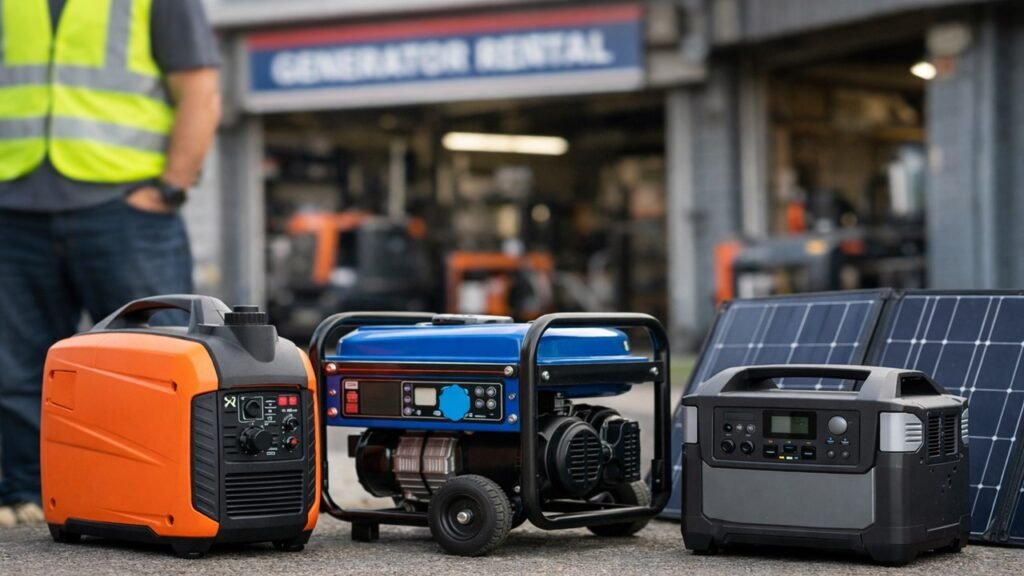
- You need temporary or portable backup power for job sites or short term use.
- You already have access to natural gas or a large propane supply for continuous runtime.
- You want a simple installation without rooftop panels.
Generator provides high wattage instantly. Generator requires ongoing fuel and servicing.
If immediate heavy load capacity is your main concern, a standby generator can deliver dependable performance.
When Solar Panels Are the Better Choice
Solar panels are the better choice when you want long term savings, quiet operation, and energy independence from fuel markets.
Solar systems are ideal if:
- You plan to stay in your home long term and want to reduce electricity bills.
- You prefer silent backup power without engine noise.
- You want minimal maintenance and fewer moving parts.
- You are concerned about carbon emissions and environmental impact.
- You want predictable energy costs without fuel price fluctuations.
- You qualify for tax credits or local solar incentives.
- You want daily energy savings, not just emergency backup.
Solar panels generate power from sunlight. Solar batteries store energy for later use. Solar reduces dependence on fossil fuels.
If your goal is long term cost control and cleaner energy, solar panels with battery backup are usually the smarter long term investment.
Can Solar Panels and a Generator Be Used Together?
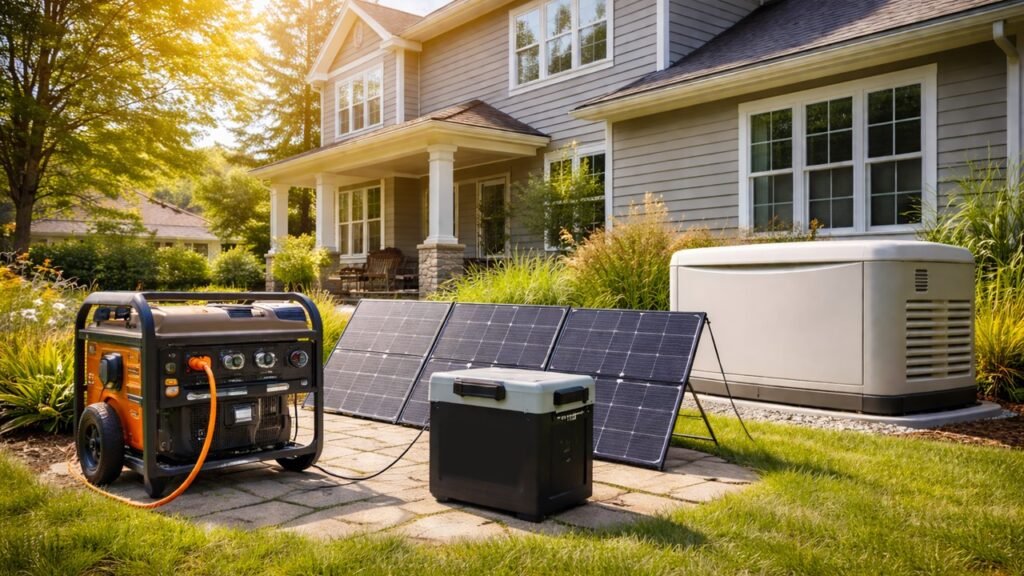
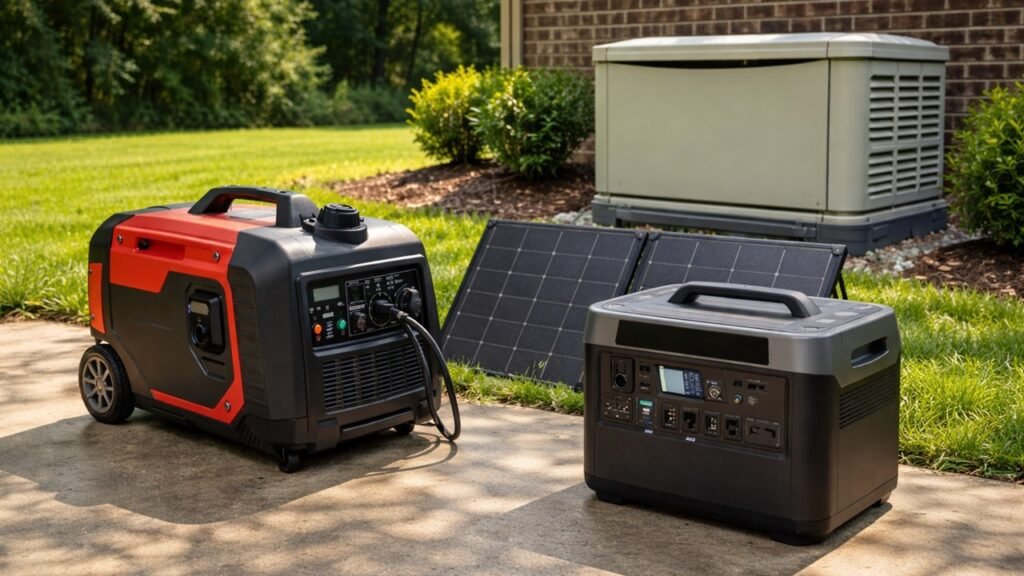
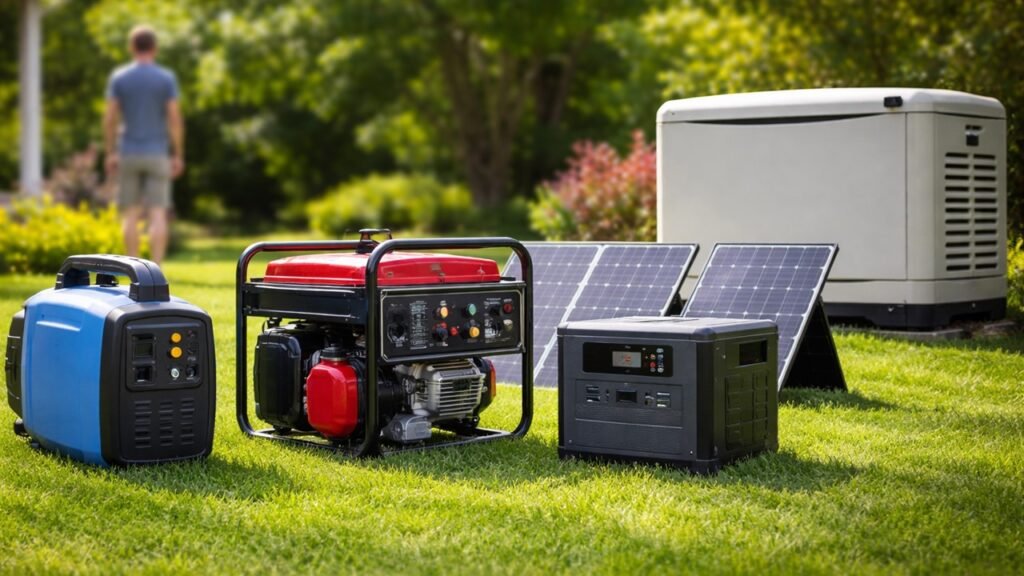
Yes, solar panels and a generator can absolutely be used together. Many homeowners install hybrid systems where solar panels handle daily energy production, batteries store backup power, and a generator acts as a secondary backup during long outages or low sunlight conditions.
In this setup, solar panels power the home first. The battery supplies electricity at night or during short outages. If the battery runs low during extended bad weather, the generator can automatically turn on and recharge the system or power essential loads.
This combination offers flexibility. Solar reduces fuel use and long term costs. The generator adds extra security when sunlight is limited. Hybrid systems provide layered reliability for homes that cannot afford downtime.
Conclusion
When comparing Solar Panel vs Generator, the core difference is simple. Solar panels generate clean electricity from sunlight and offer long term savings. Generators create power from fuel and provide strong, immediate output at a lower upfront cost.
Generators make sense for short term backup, heavy loads, and lower initial budgets. Solar panels make sense for homeowners who want lower operating costs, quiet performance, and long term energy independence. Over decades, solar often becomes more economical because it eliminates fuel expenses.
If you are looking for reliable emergency power with minimal maintenance and predictable costs, solar panels with battery backup are usually the better long term investment. If your priority is high wattage and lower upfront expense, a generator may be the more practical starting point.
Related FAQs
Is a solar panel better than a generator for home backup?
Solar panels are better for long term savings and quiet operation. Generators are better for high power loads and long outages with reliable fuel supply.
Can solar panels power a whole house during an outage?
Yes, if the system and battery are properly sized. Smaller systems usually power essential appliances, not the entire home.
Is a generator cheaper than solar panels?
Generators cost less upfront. Solar panels cost more initially but usually save more money over 20 to 30 years.
Do solar panels work at night?
Solar panels do not produce power at night. Batteries store excess daytime energy for nighttime use.
How long can a generator run continuously?
A generator can run for many hours or days if fuel is available. Runtime depends on fuel type and tank size.
Can I use both solar panels and a generator together?
Yes. Many hybrid systems use solar for daily power and a generator as backup during extended outages.

Robert Caldwell writes in-depth guides and reviews focused on generators, backup power systems, and portable energy equipment. His work is grounded in hands-on testing, covering fuel types, runtime performance, noise levels, and real-world reliability. He helps homeowners, RV owners, and outdoor users choose dependable power solutions with confidence. Every article emphasizes clear explanations, safe operation, and long-term value.