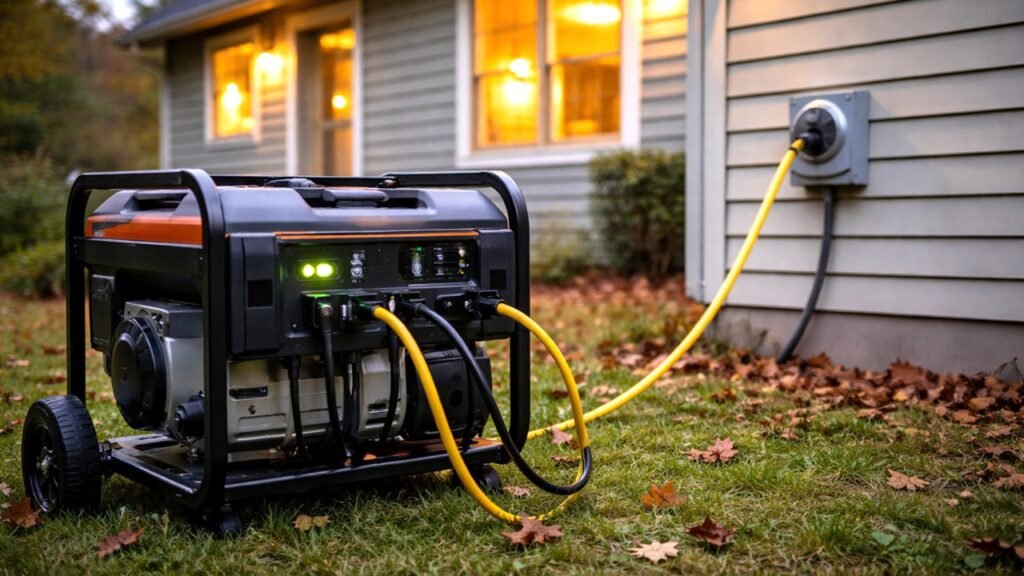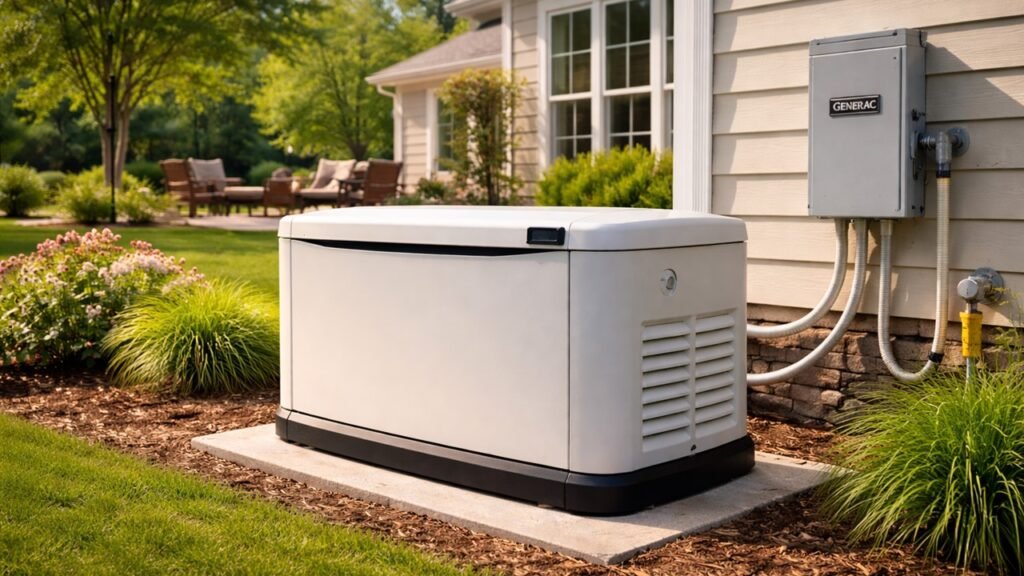
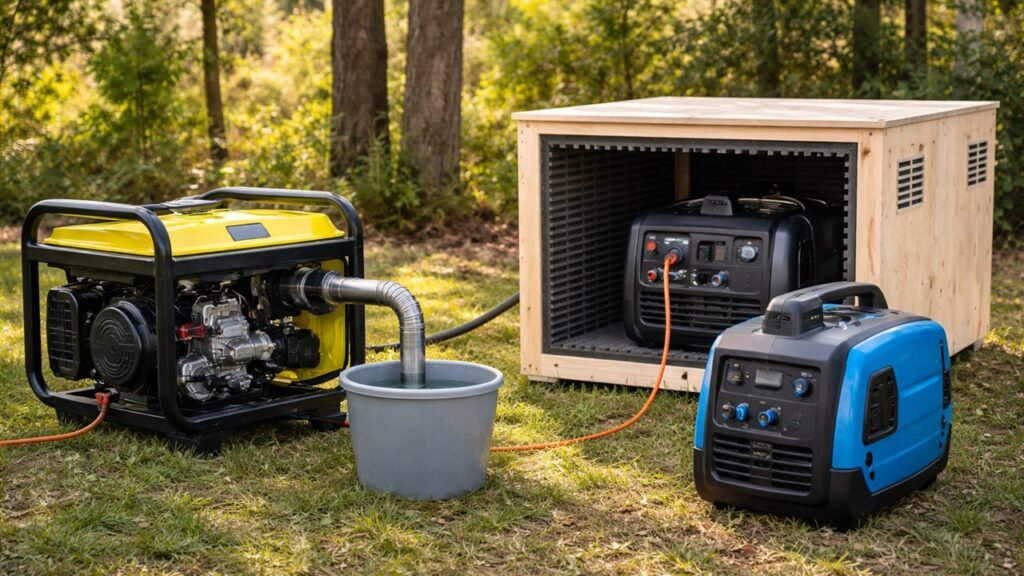
If you are looking for how to make a generator quiet, the short answer is this: reduce vibration, control exhaust direction, and increase distance safely. Most portable gas generators run between 80 and 95 decibels, which is loud enough to disturb neighbors and become uncomfortable fast.
You cannot make a generator silent, but you can make it noticeably quieter. With the right setup and a few smart adjustments, you can cut down noise without risking overheating or blocking airflow.
Key Summary:
- Distance reduces generator noise by about 6 decibels when you double the space between the generator and your living area.
- Soft surfaces absorb vibration and lower perceived noise compared to concrete or asphalt.
- Exhaust direction affects sound projection and safety when it faces away from people and openings.
- Anti-vibration mats reduce structure-borne noise by isolating engine movement from hard ground.
- Inverter and solar generators produce lower noise levels than conventional gas generators due to variable speed or battery operation.
How Loud Is a Generator in Decibels?
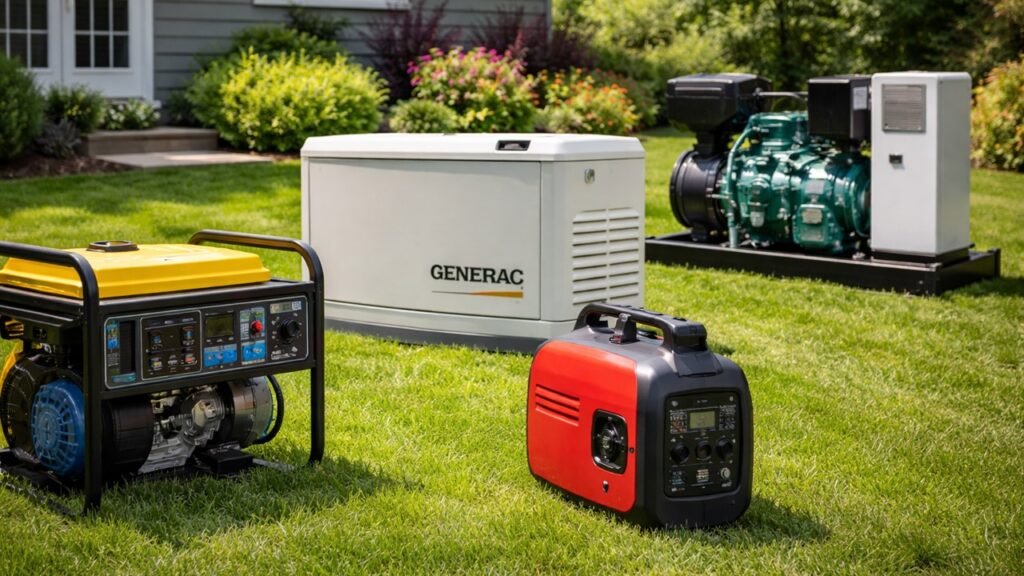
Most portable generators fall between 50 and 95 decibels depending on the type and load. Inverter generators are usually quieter because they slow down when less power is needed. Traditional generators run at a constant high speed, which keeps the noise level high.
For reference, the CDC states that long exposure to sounds above 85 decibels can cause hearing damage. Many conventional generators operate right around that range.
| Sound Source | Noise Level (dB) | What It Feels Like |
| Normal conversation | 60 dB | Talking indoors |
| Inverter generator | 50 to 65 dB | Moderate campsite hum |
| Portable gas generator | 80 to 95 dB | Lawn mower or motorcycle |
| Busy traffic | 85 dB | Heavy city noise |
| Hearing risk threshold | 85+ dB | Long exposure can damage hearing |
Distance makes a difference. If you double the distance from the generator, the sound level typically drops by about 6 decibels in open space.
What Makes a Generator So Loud?
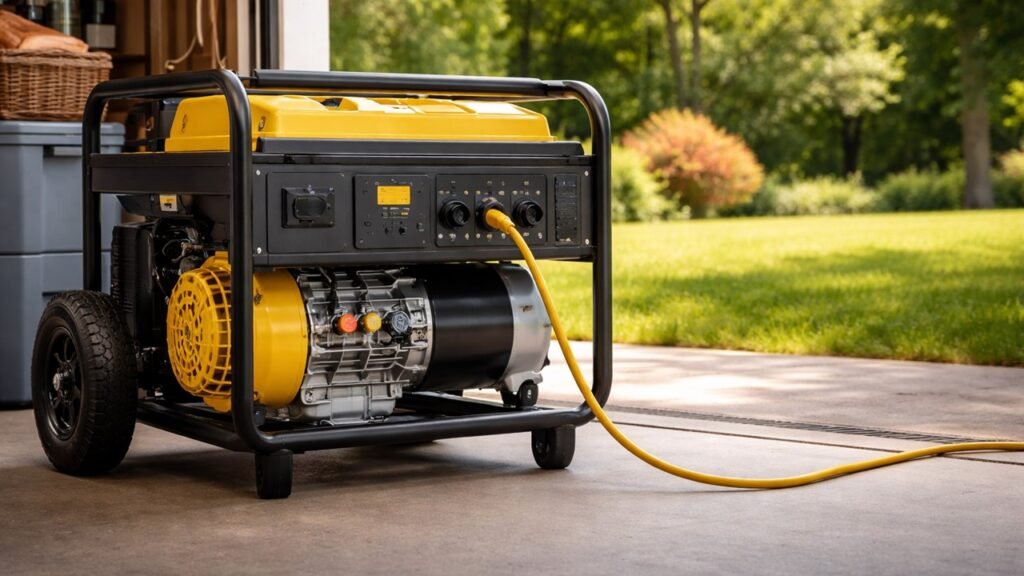
Generators are loud because they combine engine combustion, exhaust pressure, and vibration all at once. A small engine spinning at high RPM creates constant mechanical noise, and that noise gets amplified depending on where the generator is placed.
The surface underneath also matters more than most people realize. Concrete and asphalt reflect sound. Grass and soil absorb some of it.
Here are the main reasons generators sound loud:
- The engine runs at a fixed high speed
- The exhaust system releases combustion noise
- Hard ground reflects sound waves
- Vibration transfers into nearby surfaces
- Loose parts or a worn muffler increase rattling
Once you know what is causing the noise, it becomes much easier to reduce it safely.
How To Make a Generator Quieter Without Modifications
You can lower generator noise right away just by adjusting how and where you use it. These methods cost nothing and often make a noticeable difference.
How Increasing Distance Reduces Generator Noise
The simplest fix is distance. The farther the generator is from you, the quieter it sounds. Even moving it 10 to 20 feet farther away can make a big difference. For safety, always keep it at least 20 feet away from doors, windows, and vents.
How To Position the Exhaust Away From People
Exhaust direction matters. If the exhaust is pointed directly at your seating area or RV, the noise feels louder. Turn the generator so the exhaust faces away from you and away from any openings in your home or camper.
How Placing a Generator on Grass Reduces Noise
Setting a generator on concrete makes it sound harsher because the surface reflects vibration. Placing it on grass or dirt helps absorb some of that vibration and slightly softens the overall sound.
These small changes are usually the fastest way to make a generator quieter without spending money or modifying the unit.
How To Reduce Generator Noise With Simple Upgrades
You can reduce generator noise further with a few low-cost upgrades that target vibration and exhaust sound. The most effective improvements include adding vibration isolation, using sound deflectors, and improving the muffler system. These changes do not require major modifications, but they must be done carefully to avoid blocking airflow.
Once you have optimized placement and distance, simple upgrades can noticeably lower the harshness of the sound.
How an Anti-Vibration Mat Reduces Generator Noise
An anti-vibration mat absorbs engine vibration before it transfers into the ground. Rubber mats, horse stall mats, or thick equipment pads work well. Reducing vibration reduces structure-borne noise, especially on concrete or wooden decks.
How Sound Deflectors Lower Perceived Noise
Sound deflectors do not silence a generator, but they redirect sound waves away from your living area.
Place solid panels such as plywood between the generator and your seating area. Leave open space on the other sides to allow airflow. Angle the panels slightly to deflect sound outward rather than trap heat. Never position panels directly against the exhaust or cooling vents.
How Replacing a Muffler Can Reduce Engine Noise
A worn or damaged muffler increases exhaust noise. Replacing it with a high-quality compatible muffler can reduce sharp exhaust tones. If your generator suddenly becomes louder than normal, inspecting the muffler is a smart first step.
How To Reduce Generator Noise Safely: Important Rules
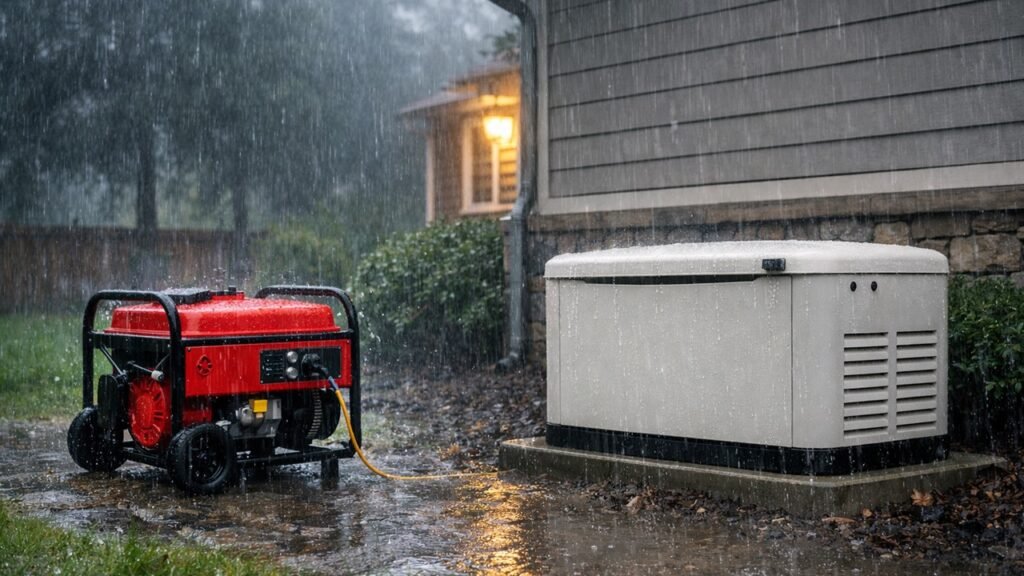
Generator noise reduction must never compromise safety. Blocking airflow or trapping exhaust can cause overheating, fire hazards, or carbon monoxide buildup. Noise control always comes second to safe operation.
Follow these rules when attempting to quiet a generator:
- Never run a generator indoors, in a garage, or in an enclosed space
- Always keep the generator at least 20 feet away from doors, windows, and vents
- Never block exhaust outlets or cooling vents
- Do not fully seal a generator inside a box without proper ventilation
- Use carbon monoxide detectors near living spaces
- Keep flammable materials away from hot exhaust components
- Monitor generator temperature if using partial enclosures or deflectors
Safety mistakes can be far more serious than noise. Always prioritize airflow and exhaust management.
What Is the Quietest Type of Generator?
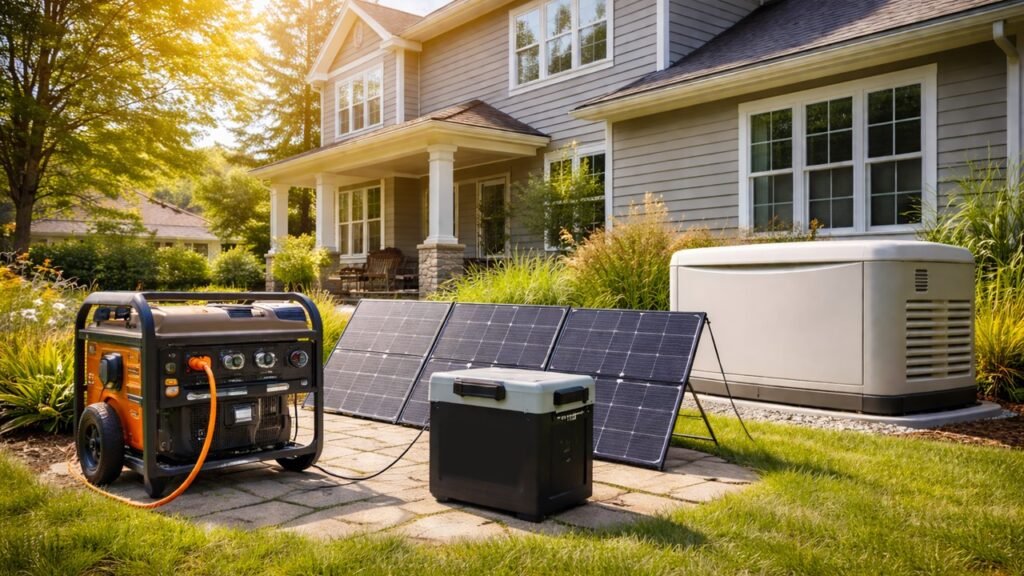
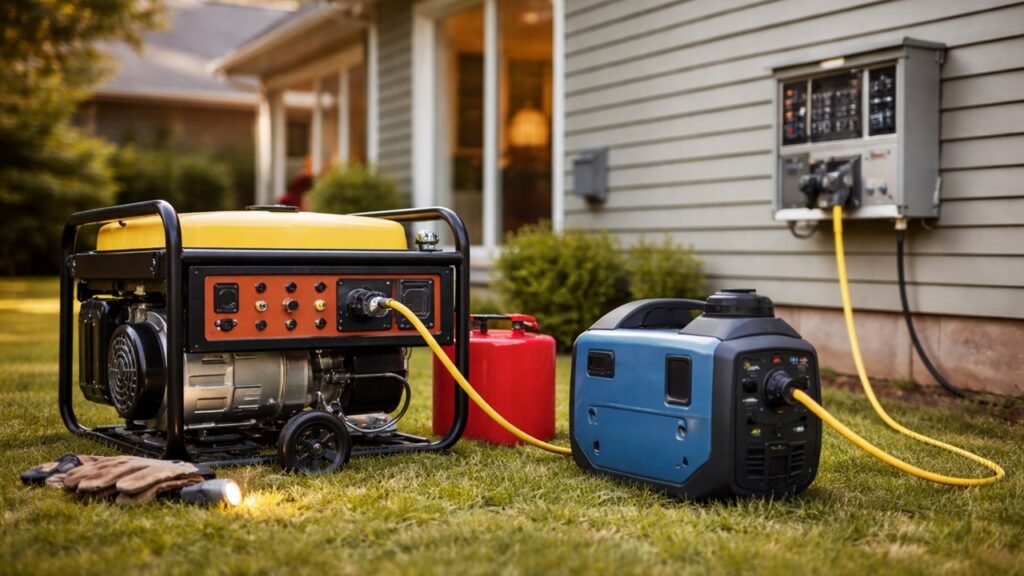
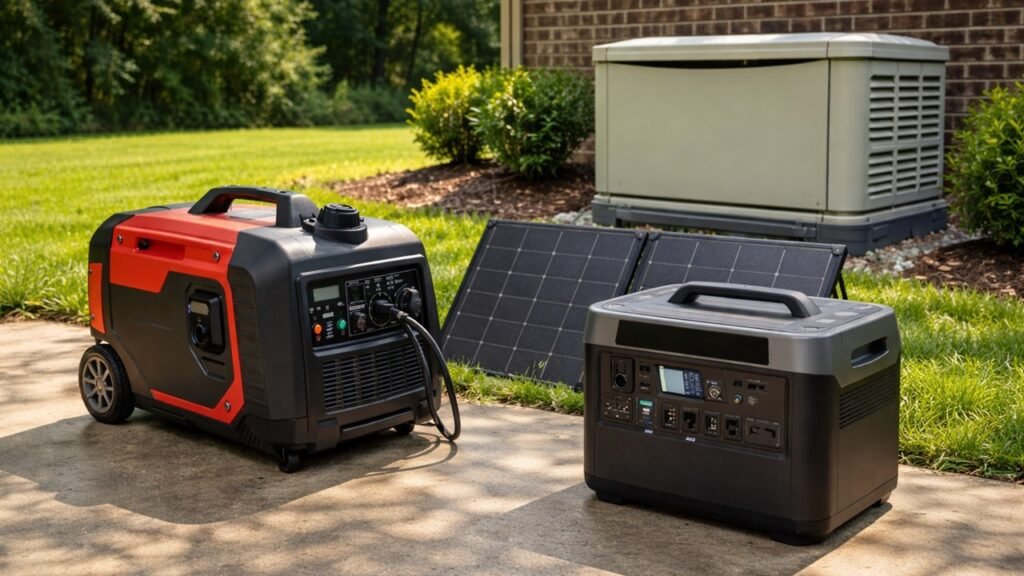
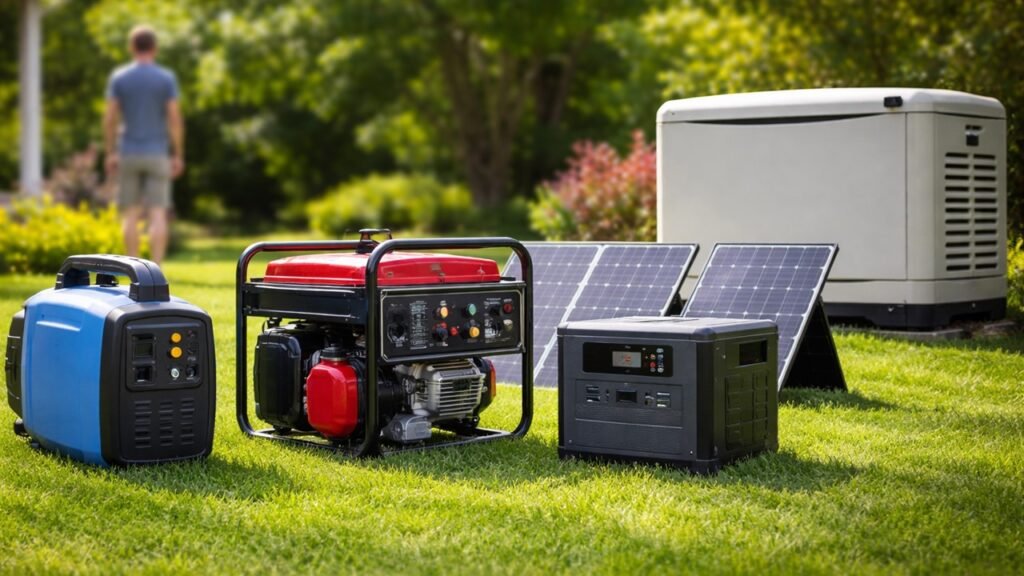
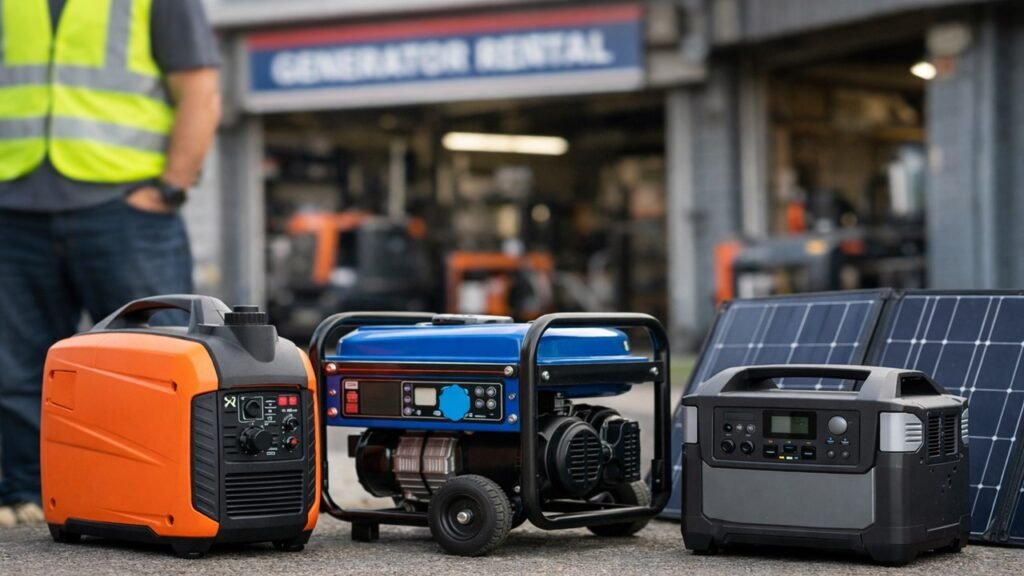
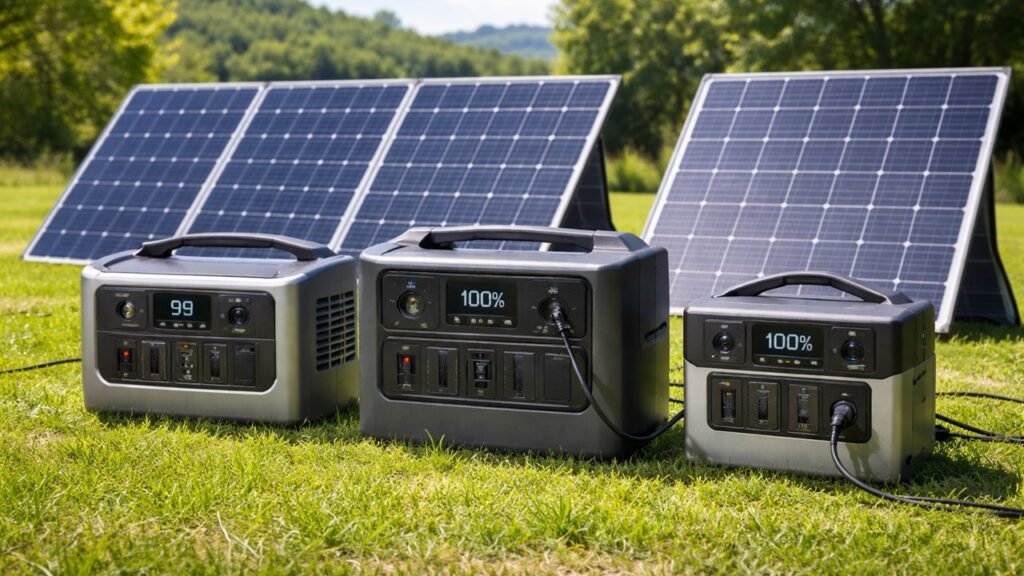
The quietest generator types are inverter generators and solar generators. Inverter models adjust engine speed based on load, which reduces noise. Solar generators use batteries instead of combustion engines, which makes them nearly silent during operation.
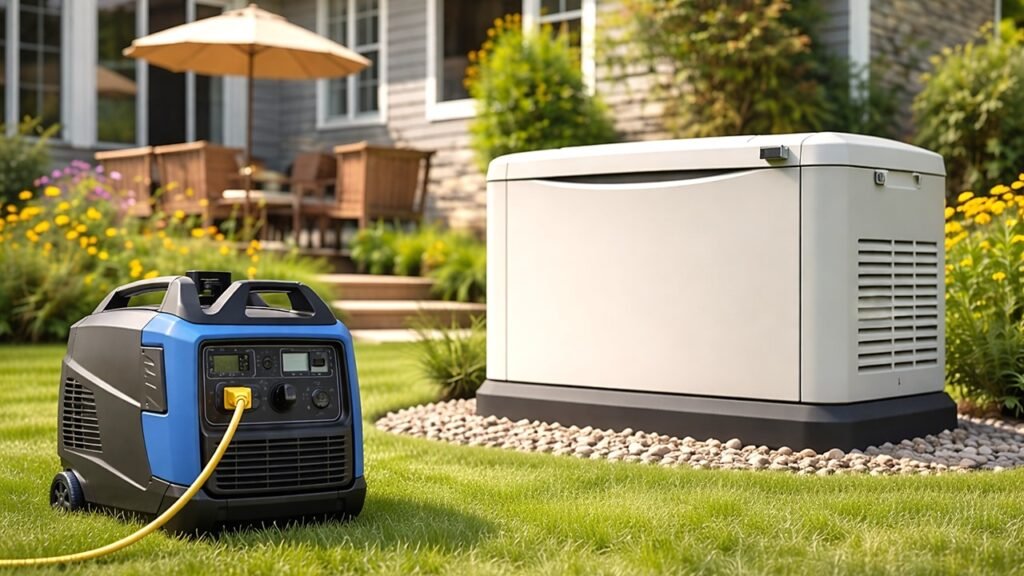
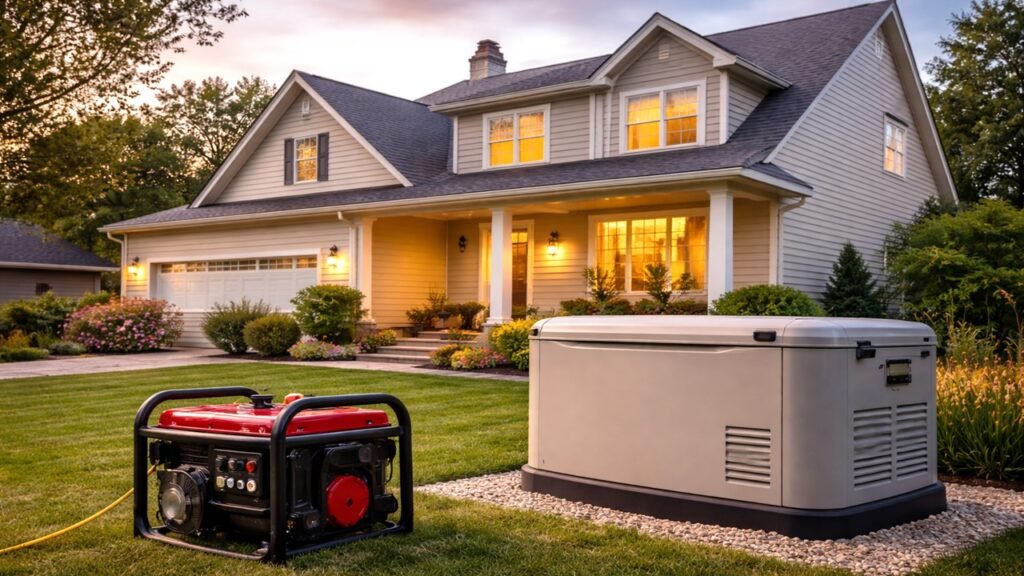
Here is how generator types compare:
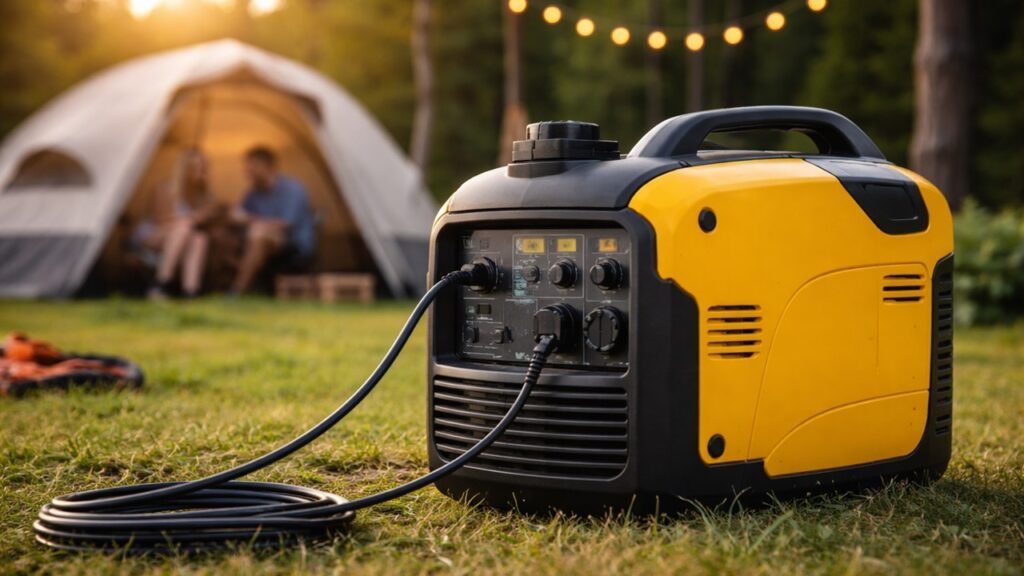
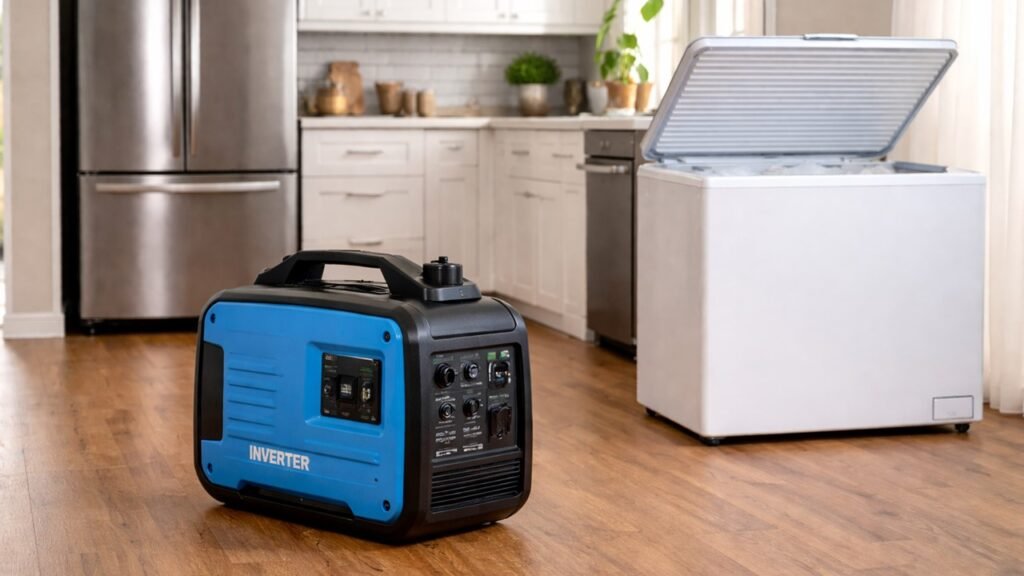
- Inverter generators: Typically operate between 50 and 65 decibels under moderate load
- Conventional gas generators: Commonly operate between 80 and 95 decibels
- Propane generators: Often slightly quieter than gasoline models due to cleaner combustion
- Solar generators or portable power stations: Produce minimal operational noise since there is no combustion engine
If quiet operation is a top priority, choosing the right generator from the start often makes more difference than trying to modify a loud one later.
Conclusion
Making a generator quieter starts with simple steps: increase distance, redirect exhaust, and place it on a softer surface. These small adjustments often reduce noise more than people expect.
If you need additional reduction, vibration mats, sound deflectors, and muffler upgrades can help. Just make sure airflow and exhaust are never restricted.
In the end, the quietest solution is choosing the right generator type for your needs. Inverter and solar models are naturally quieter, while conventional generators require smarter setup and careful noise management.
Related FAQs
Can you make a loud generator quiet?
You cannot make a generator silent, but you can significantly reduce noise by increasing distance, redirecting exhaust, and reducing vibration safely.
How much can distance reduce generator noise?
Doubling the distance from a generator typically reduces sound by about 6 decibels in open space, which is noticeably quieter.
Does putting a generator on grass make it quieter?
Yes. Grass and dirt absorb vibration better than concrete, which helps reduce reflected and amplified noise.
Are inverter generators quieter than regular generators?
Yes. Inverter generators adjust engine speed based on load, which usually keeps noise between 50 and 65 decibels.
Can I build a box to quiet my generator?
Yes, but it must be ventilated properly. Blocking airflow or exhaust can cause overheating and carbon monoxide risk.
What is the quietest type of generator?
Solar generators are the quietest because they use batteries instead of combustion engines.

Robert Caldwell writes in-depth guides and reviews focused on generators, backup power systems, and portable energy equipment. His work is grounded in hands-on testing, covering fuel types, runtime performance, noise levels, and real-world reliability. He helps homeowners, RV owners, and outdoor users choose dependable power solutions with confidence. Every article emphasizes clear explanations, safe operation, and long-term value.