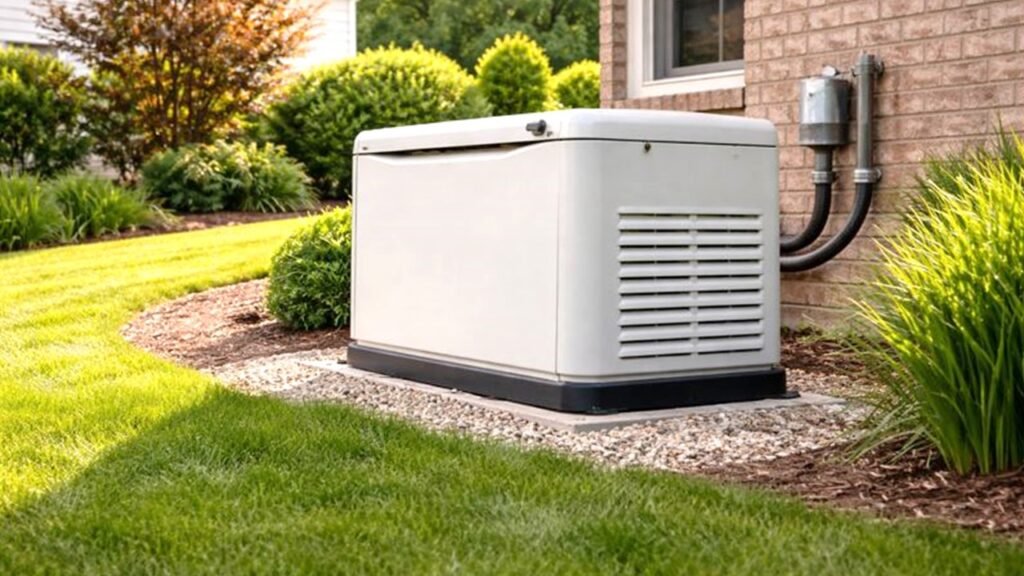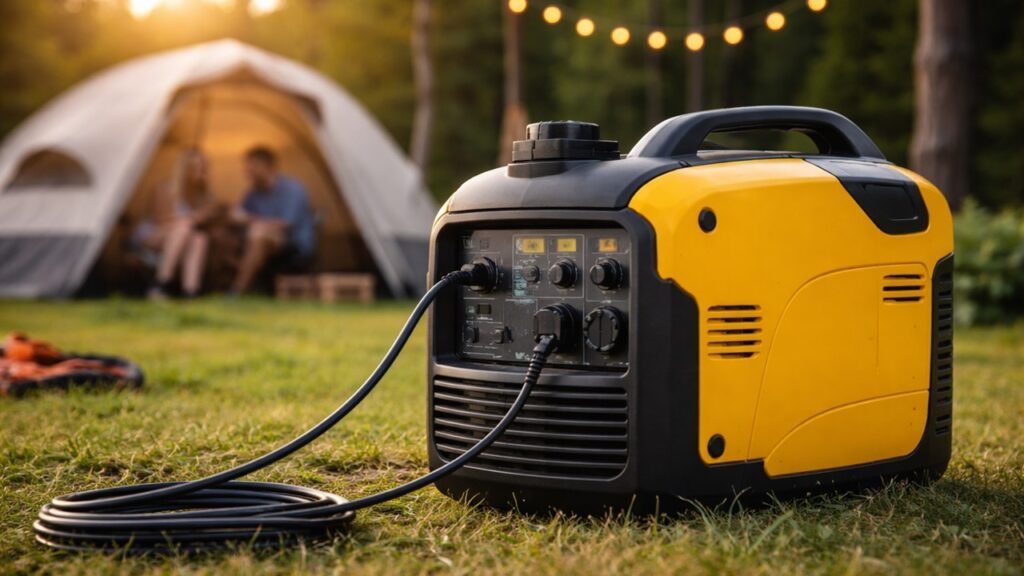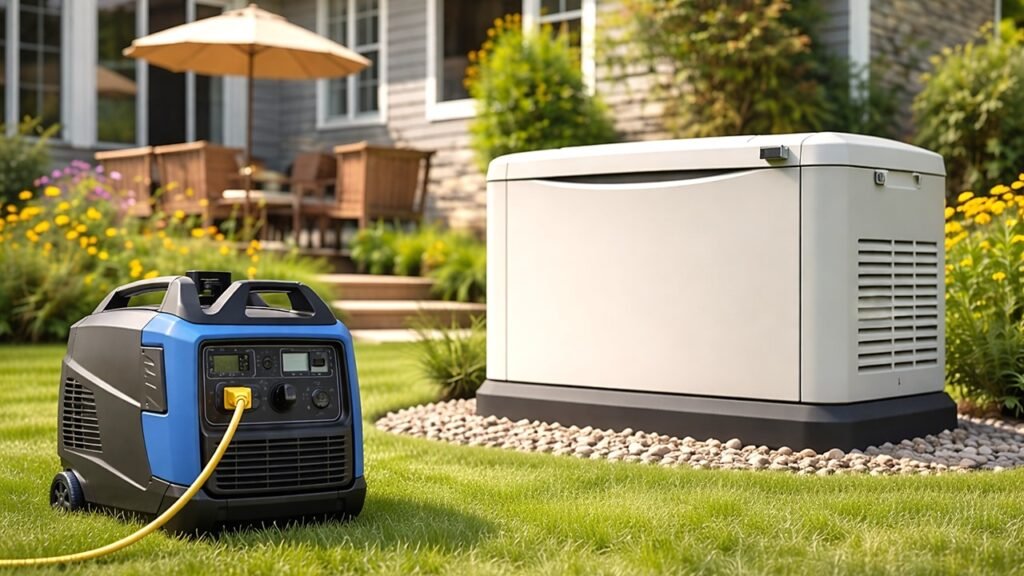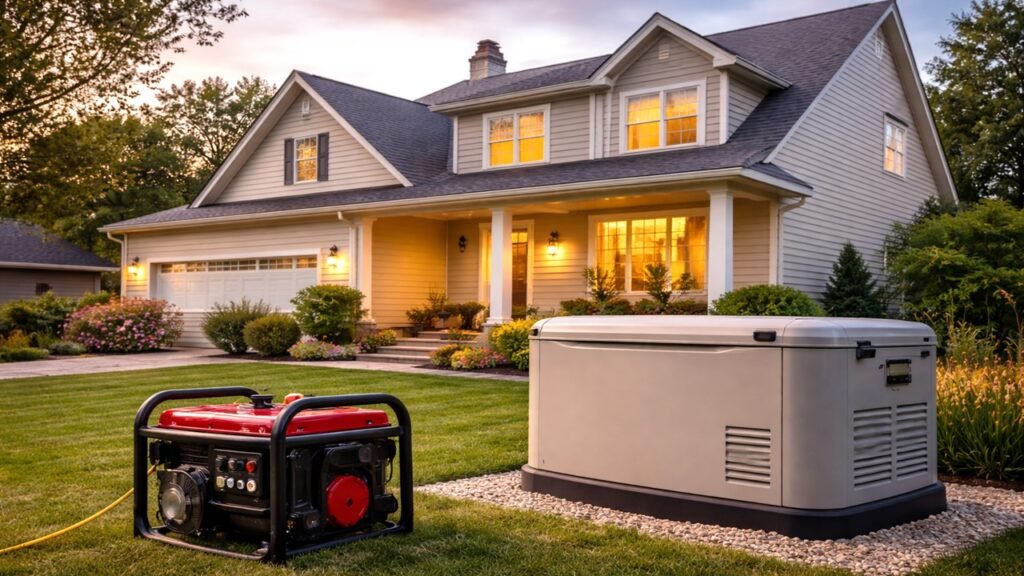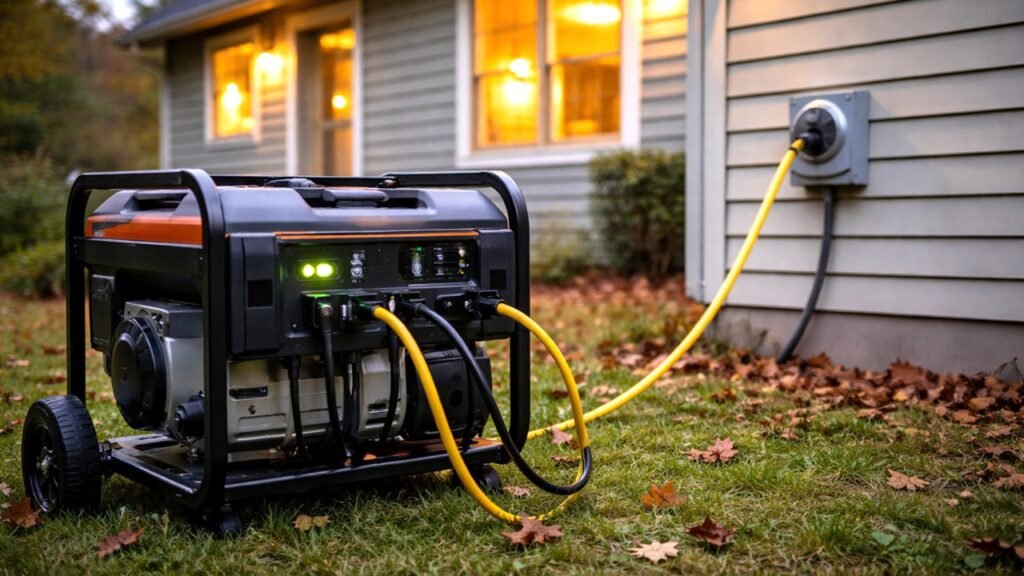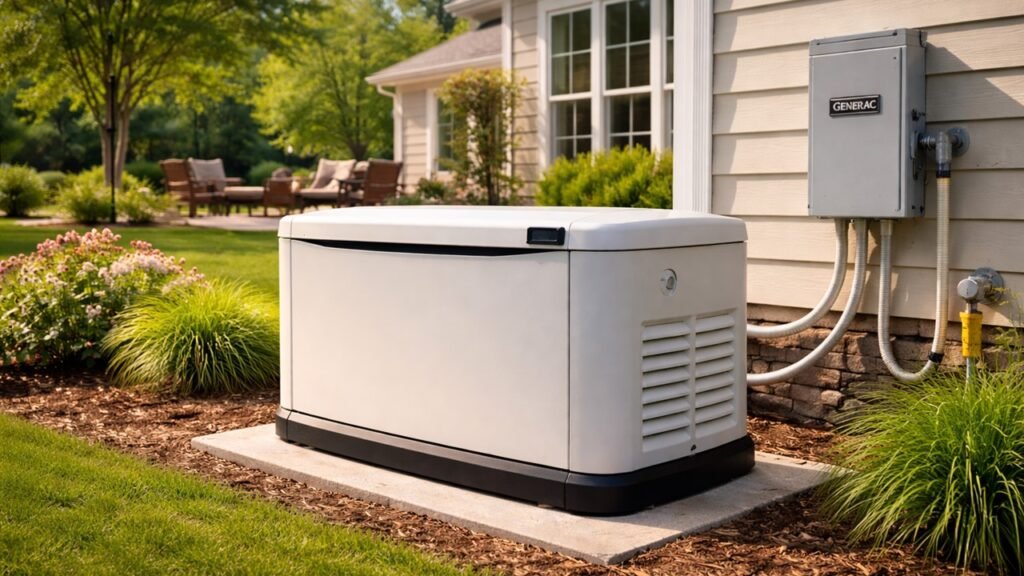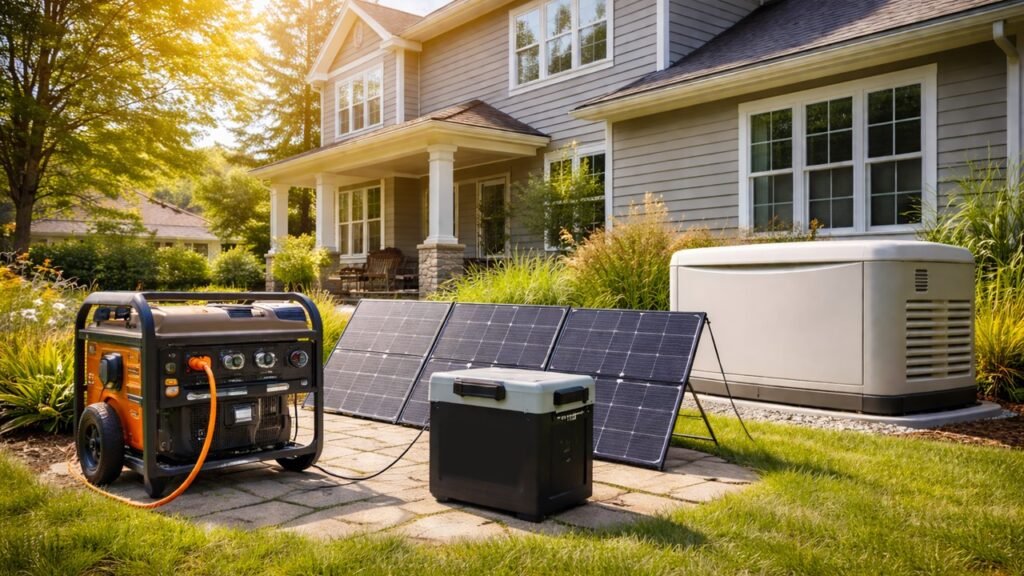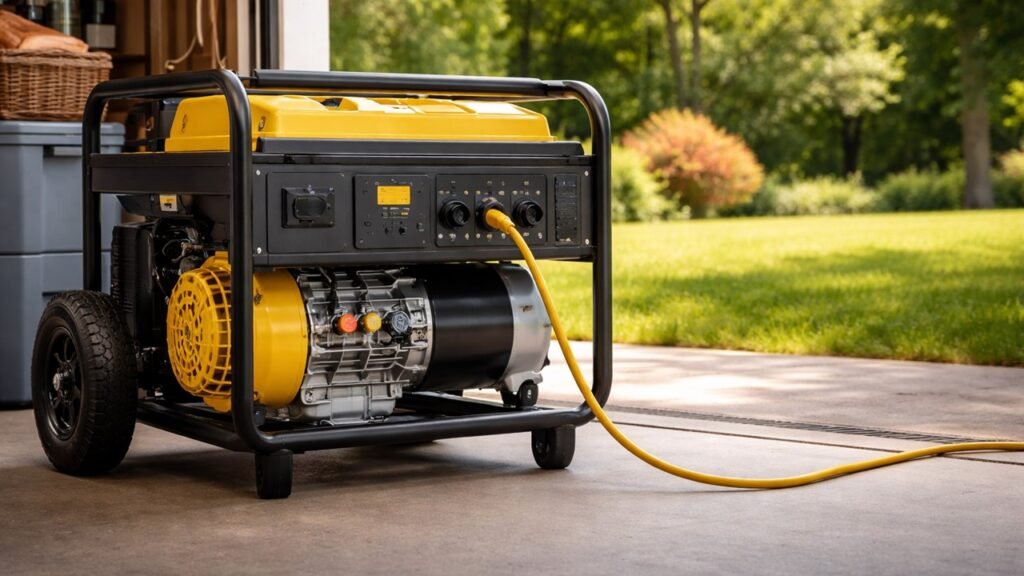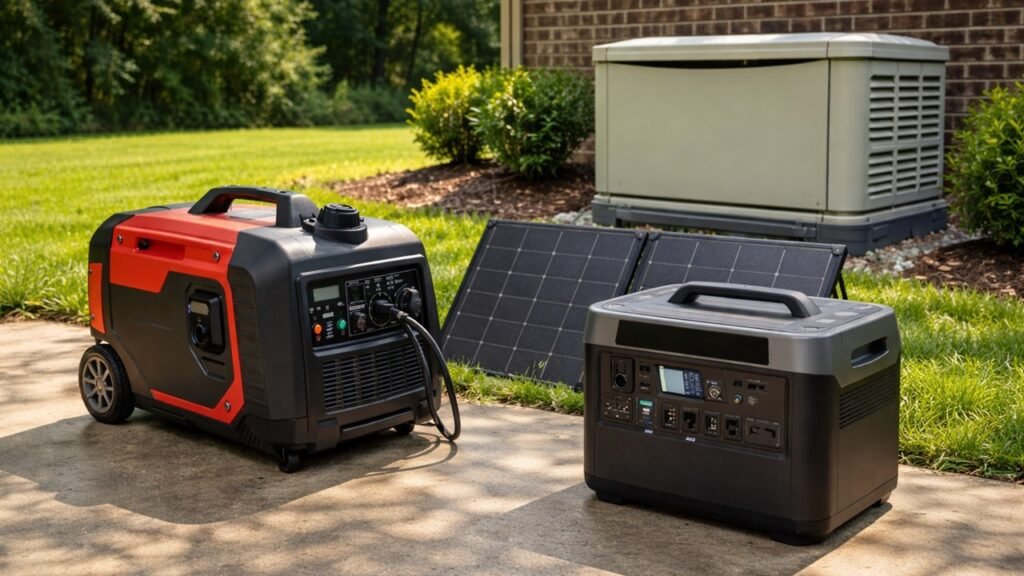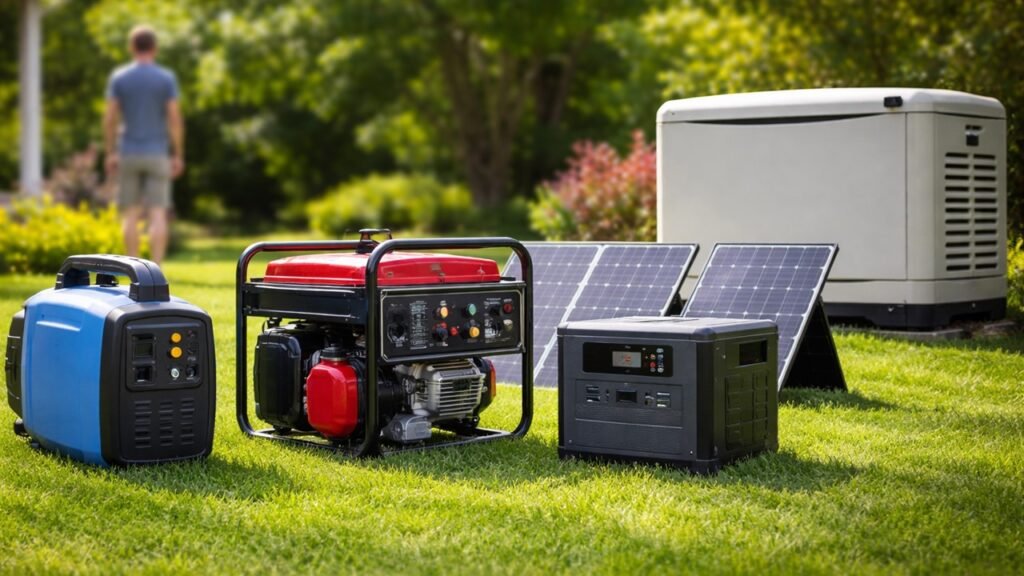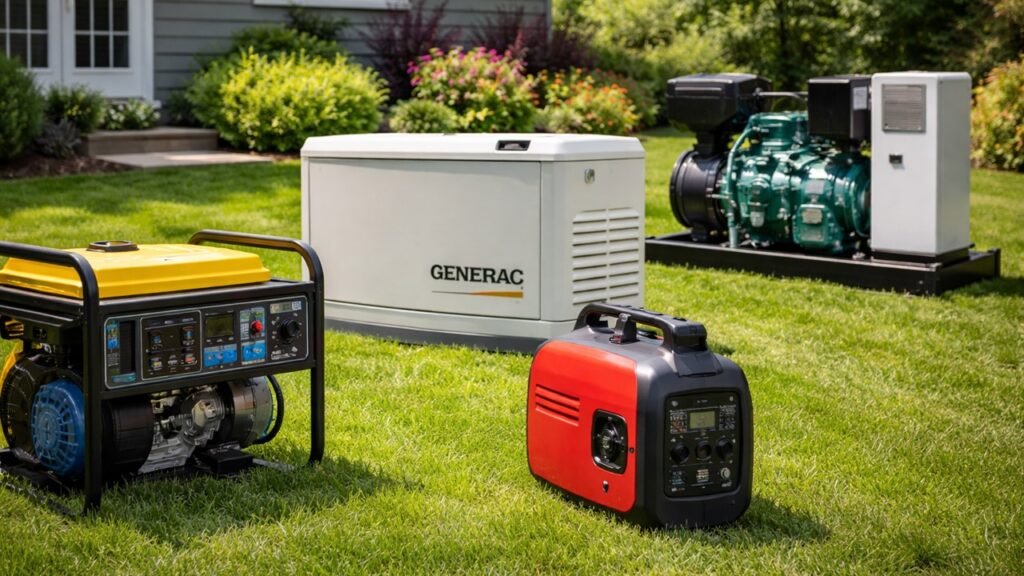
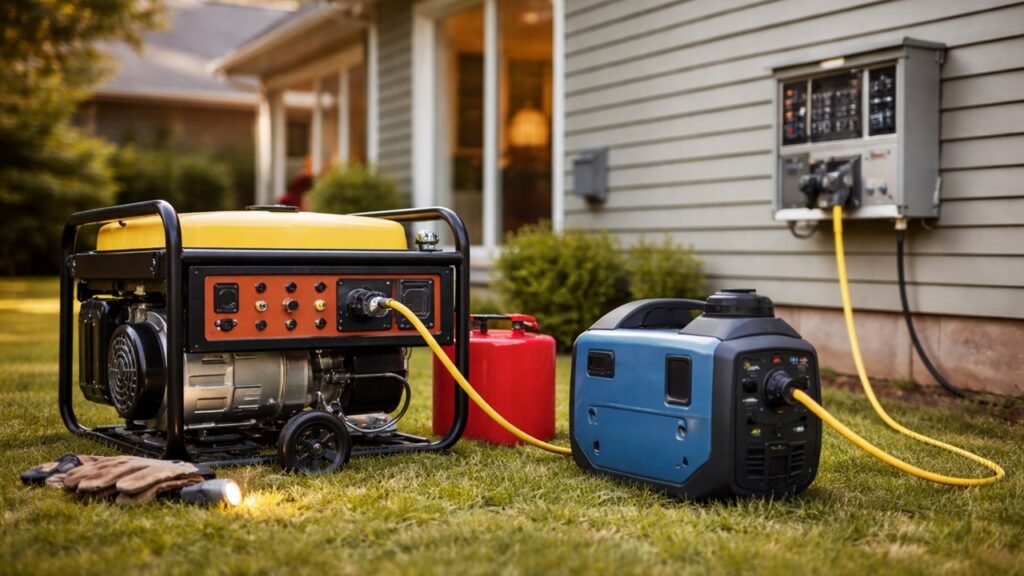
If you are searching for how to connect a generator to your house without a transfer switch, the short answer is this: it is possible in limited situations, but it requires strict safety precautions and proper isolation from the utility grid. A transfer switch is the safest and most code-compliant solution, but some temporary alternatives exist for portable generators.
Connecting a generator without a transfer switch must prevent backfeeding, electrical overload, and carbon monoxide exposure. The National Fire Protection Association reports that portable generators are a leading cause of carbon monoxide poisoning during power outages, which highlights why safety must come first. Any method you use must isolate your home from the grid and follow local electrical codes.
Key Summary:
- Connecting a generator without a transfer switch requires complete isolation from the utility grid.
- Backfeeding electricity creates serious electrocution and fire risks.
- Heavy duty extension cords power individual appliances but not whole house circuits.
- An interlock kit prevents the main breaker and generator breaker from running at the same time.
- Local electrical codes determine whether a transfer switch or interlock kit is legally required.
Disclaimer: This article is for informational purposes only. Working with generators and home electrical systems involves serious safety risks. Always follow local electrical codes and manufacturer guidelines, and consult a licensed electrician before modifying your electrical panel or connecting a generator to your home.
Can You Run a Generator Without a Transfer Switch?
Yes, you can run a generator without a transfer switch, but only under controlled conditions. Small portable generators can power individual appliances using heavy-duty extension cords without connecting to your breaker panel.
A generator connected directly to your home’s electrical panel without isolation creates backfeeding risk. Backfeeding sends electricity into utility lines and can seriously injure line workers. The Occupational Safety and Health Administration clearly warns that improper generator connections create lethal electrocution hazards.
A generator without a transfer switch limits what you can power. You cannot safely energize your entire panel unless a proper interlock or isolation mechanism is installed. For most homeowners, this makes extension cords a temporary solution rather than a whole-home setup.
Hire a Licensed Electrician First (Strongly Recommended)
A licensed electrician understands local electrical codes and proper breaker isolation. Electrical panel modifications require technical knowledge and inspection compliance. Many municipalities require permits for generator inlet or breaker installations.
An electrician ensures the main breaker and generator breaker cannot operate simultaneously. This mechanical isolation prevents backfeeding. Interlock kits and inlet boxes must be installed correctly to meet National Electrical Code standards.
Professional installation protects your home, your insurance coverage, and your safety. Insurance providers may deny claims if unapproved electrical modifications cause damage. Hiring a trained professional reduces liability and ensures long-term reliability.
Why Transfer Switches Are Normally Required
A transfer switch prevents backfeeding and safely isolates your home from the utility grid during generator operation.
Transfer switches are normally required because:
- A transfer switch prevents electricity from flowing back into utility lines.
- A transfer switch protects utility workers from unexpected voltage.
- A transfer switch isolates your home circuits from the main grid.
- A transfer switch reduces generator overload risk.
- A transfer switch complies with National Electrical Code guidance.
- A transfer switch helps maintain insurance validity in many regions.
A transfer switch acts as a controlled bridge between your generator and your home. Without it, safe isolation becomes your responsibility. That responsibility carries technical, legal, and safety implications that should not be underestimated.
Safe Ways to Connect a Generator Without a Transfer Switch
You can connect a generator to your house without a transfer switch by using heavy duty extension cords, installing an interlock kit, or adding a generator power inlet box paired with proper breaker isolation. Each method must prevent backfeeding and isolate your home from the utility grid to reduce fire and electrocution risk.
Below are the safest alternatives explained in detail.
Using Heavy Duty Extension Cords
Heavy duty extension cords allow you to power individual appliances directly from the generator without connecting to your breaker panel.
This method works best for small portable generators and short outages. You plug appliances such as a refrigerator, sump pump, or lights directly into the generator using outdoor rated cords.
Important considerations:
- Use generator rated cords with proper amperage capacity
- Keep the generator at least 20 feet away from the house
- Never run cords through windows or under rugs
- Only power essential appliances to avoid overload
This method does not power hardwired systems such as central HVAC or well pumps.
Using an Interlock Kit
An interlock kit is a mechanical device installed on your breaker panel that prevents the main breaker and generator breaker from being on at the same time.
An interlock kit prevents backfeeding by physically blocking simultaneous power sources. This allows you to power selected circuits safely while keeping the utility line isolated.
Key points:
- Requires installation of a dedicated generator breaker
- Typically requires a generator inlet box
- Must be installed according to local electrical code
- Professional installation is strongly recommended
This option offers more flexibility than extension cords while remaining more affordable than a full transfer switch.
Using a Generator Power Inlet Box
A generator power inlet box provides a permanent outdoor connection point for your generator.
You plug the generator into the inlet box using a heavy duty 4 prong cord. The inlet connects to a dedicated breaker inside your panel.
Important:
An inlet box alone does not prevent backfeeding. It must be paired with an interlock kit or other approved isolation method.
Benefits include:
- Cleaner setup than running multiple cords
- Faster generator connection during outages
- Weather resistant installation
Comparison Table: Generator Connection Methods
The safest generator connection method depends on your power needs, budget, and local code requirements. The table below compares the most common options.
| Method | Powers Hardwired Circuits | Backfeed Protection | Typical Cost | Electrician Required |
| Heavy Duty Extension Cords | No | Yes, if panel is untouched | Low | No |
| Interlock Kit | Yes | Yes | Medium | Yes |
| Generator Inlet Box Alone | Depends | No | Medium | Yes |
| Transfer Switch | Yes | Yes | High | Yes |
Extension cords are best for temporary appliance level power. Interlock kits provide safer panel level control. Transfer switches remain the most secure long term solution.
What You Should Never Do
Never connect a generator in a way that allows electricity to flow back into the grid or into your home unsafely. Improper generator connections cause fires, electrocution, and carbon monoxide deaths each year.
Never do the following:
- Never plug a generator directly into a wall outlet
- Never use a double male “suicide cord”
- Never backfeed through a dryer outlet
- Never run a generator indoors or in a garage
- Never place a generator near windows, doors, or vents
- Never operate the main breaker and generator breaker at the same time
- Never overload your generator beyond its rated wattage
According to the Consumer Product Safety Commission, portable generators are associated with dozens of carbon monoxide deaths annually during outages. Safe placement and proper isolation are critical.
When You Should Hire an Electrician
You should hire a licensed electrician any time your generator setup involves your breaker panel, new wiring, or permanent modifications. Electrical panel work requires technical expertise and often permits.
Hire an electrician if you are:
- Installing an interlock kit
- Adding a generator breaker
- Installing a generator power inlet box
- Modifying your main service panel
- Unsure about local electrical code requirements
- Unsure how to properly isolate the main breaker
Professional installation reduces liability, ensures code compliance, and protects your home’s electrical system. In many areas, panel level generator connections must be inspected to meet National Electrical Code standards.
Conclusion
Connecting a generator to your house without a transfer switch is possible, but it requires strict safety measures and proper isolation from the utility grid. The safest temporary method is using heavy duty extension cords for essential appliances only. For panel level power, an interlock kit paired with a generator inlet box offers a safer alternative.
Backfeeding, carbon monoxide exposure, and electrical overload are serious risks. A generator must never be connected directly to a wall outlet or dryer receptacle. Isolation from the main breaker is critical to protect utility workers and prevent fire hazards.
If you plan to power hardwired circuits or modify your breaker panel, hiring a licensed electrician is strongly recommended. Professional installation ensures compliance with electrical codes and provides long term safety for your home.
Related FAQs
Can I plug my generator directly into a wall outlet?
No. Plugging a generator into a wall outlet can cause backfeeding, which creates serious electrocution and fire risks.
Do I have to turn off the main breaker when using a generator?
Yes. The main breaker must be turned off to prevent electricity from flowing back into the utility grid.
Is an interlock kit safer than extension cords?
Yes. An interlock kit allows selected circuits to be powered safely while preventing both power sources from running at the same time.
Can a portable generator power my whole house?
No. Most portable generators cannot safely power an entire house unless properly connected through an approved isolation method.
Is it legal to run a generator without a transfer switch?
It depends on local electrical codes. Some areas allow interlock kits, while others require a transfer switch.
What is the safest alternative to a transfer switch?
An interlock kit installed by a licensed electrician is generally the safest and most affordable alternative.

Robert Caldwell writes in-depth guides and reviews focused on generators, backup power systems, and portable energy equipment. His work is grounded in hands-on testing, covering fuel types, runtime performance, noise levels, and real-world reliability. He helps homeowners, RV owners, and outdoor users choose dependable power solutions with confidence. Every article emphasizes clear explanations, safe operation, and long-term value.