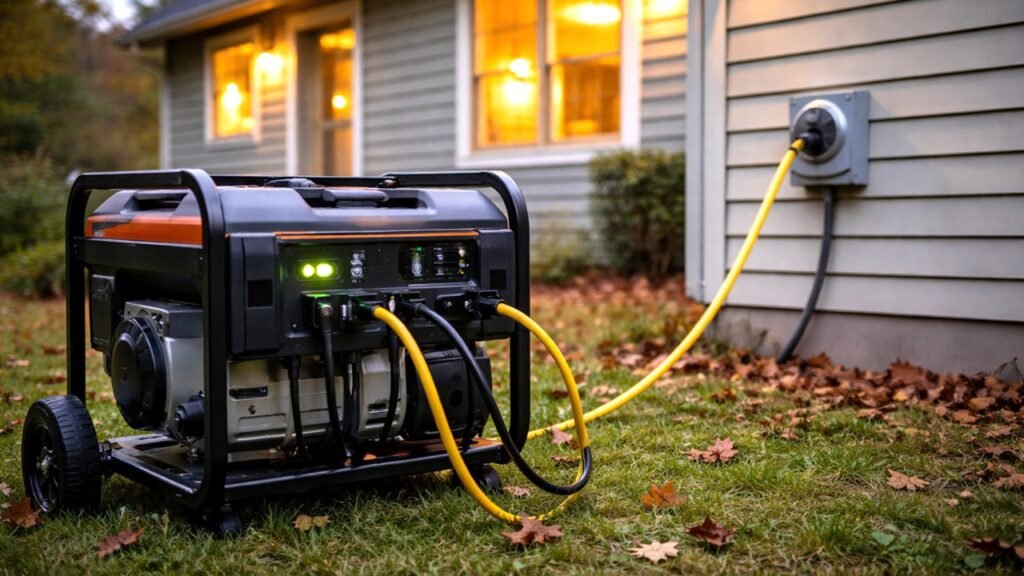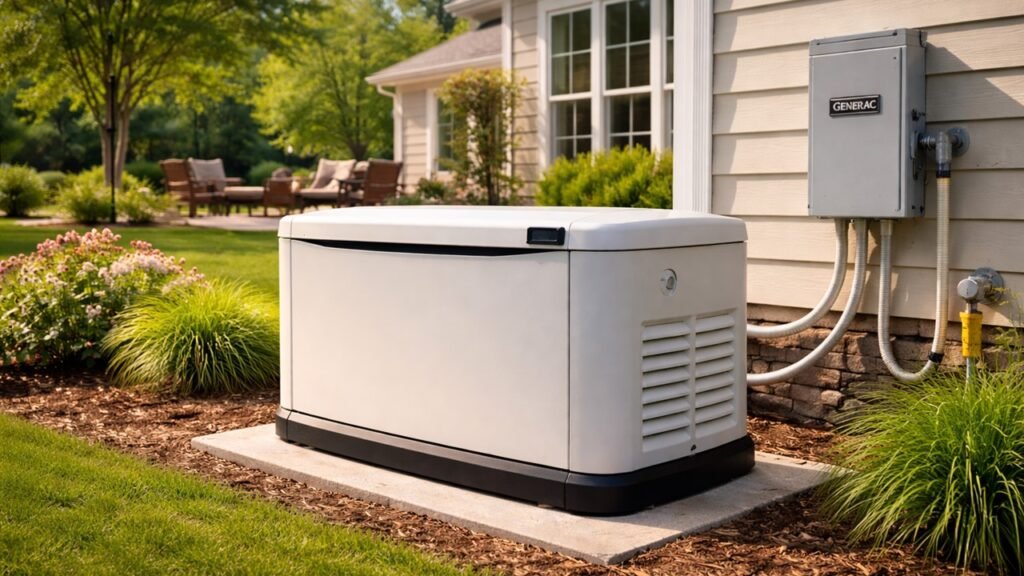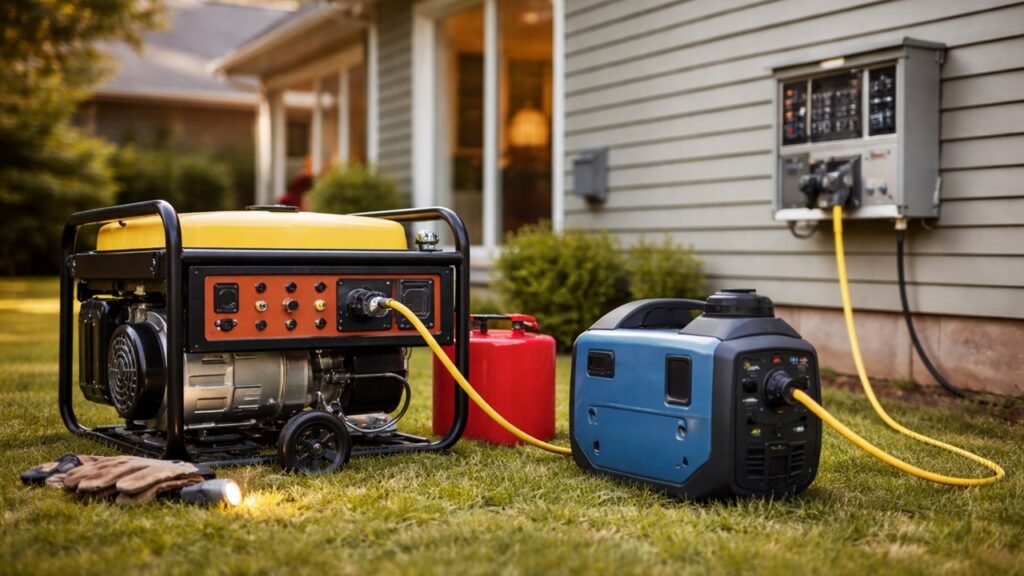
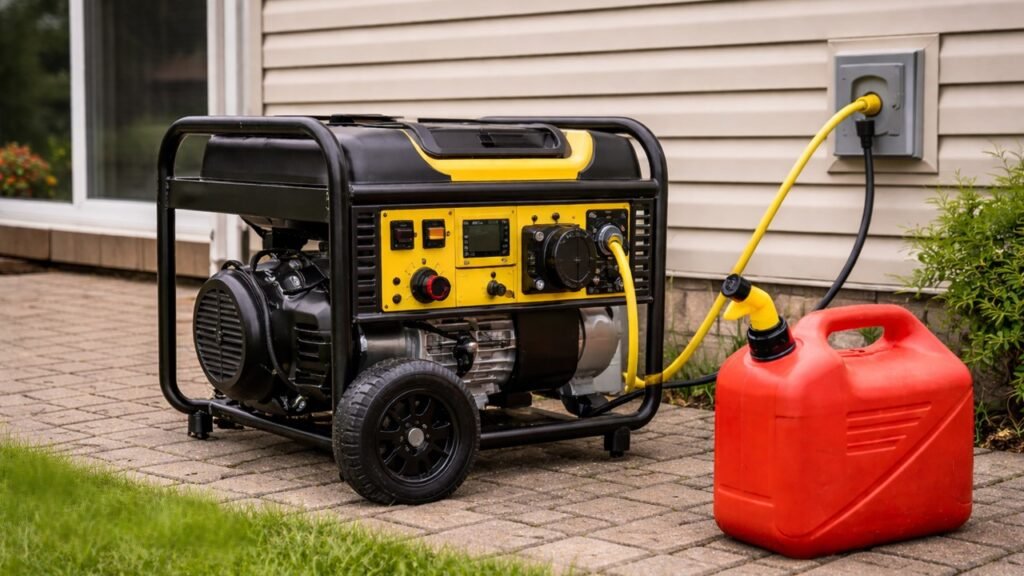
If you’re looking to understand how much propane a generator uses, the honest answer is this: it depends on the size of the generator and how much power you’re pulling from it. Most propane generators burn anywhere from about half a gallon per hour on the small end to 4 or even 5 gallons per hour for large whole house standby systems running hard.
The difference comes down to kilowatt rating, load percentage, and how long you plan to run it. Below, we’ll break it down clearly so you can estimate fuel use per hour and figure out how long your propane tank will realistically last during an outage.
Key Summary:
- Most propane generators use between 0.5 and 5 gallons per hour depending on size and load.
- Generator load level directly determines hourly propane consumption.
- A 20 kW standby generator typically uses about 2 gallons per hour at half load and up to 4 gallons per hour at full load.
- Propane tank size determines total runtime during a power outage.
- Running only essential appliances significantly reduces total propane usage per day.
How Much Propane Does a Generator Use Per Hour?
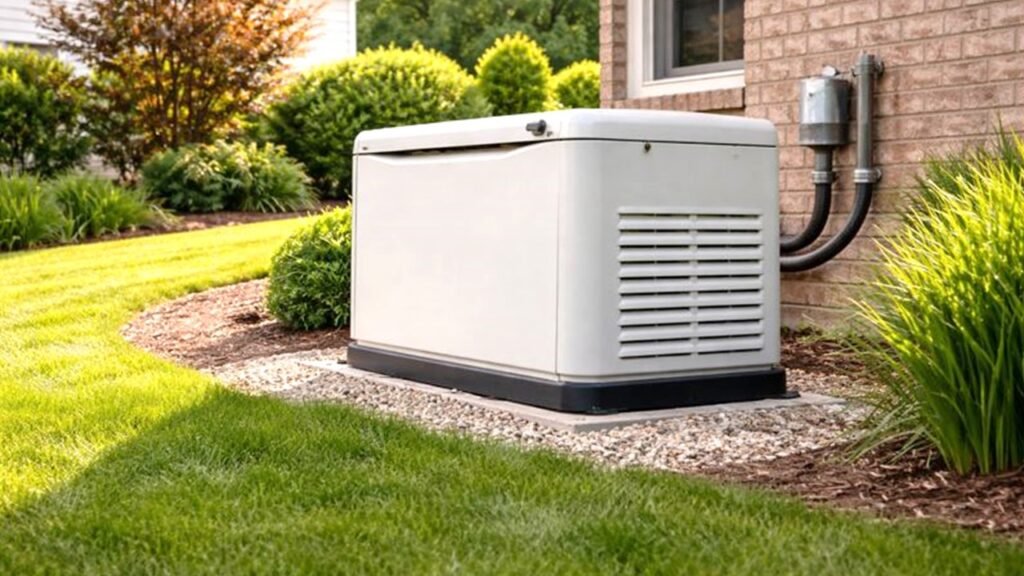
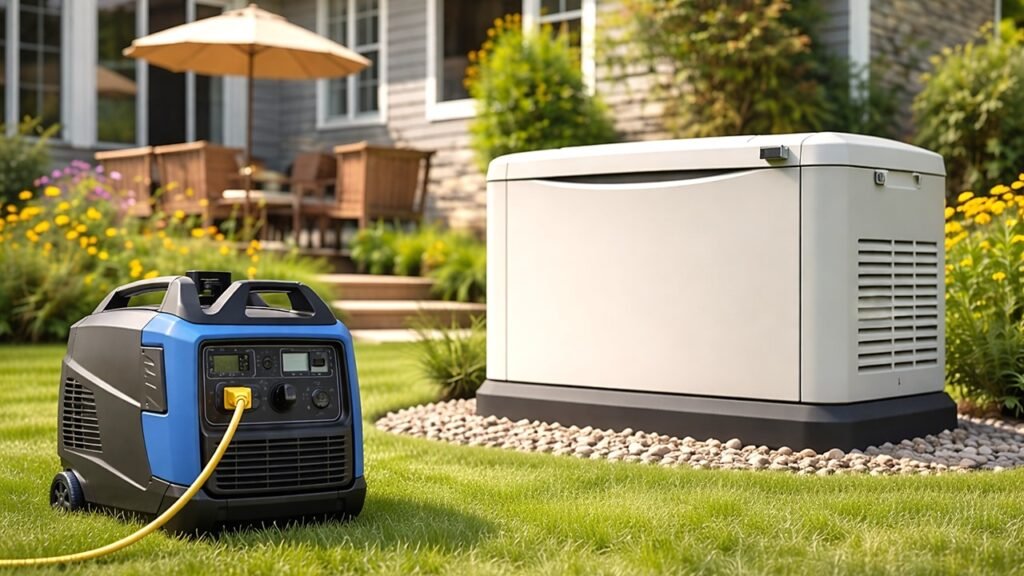
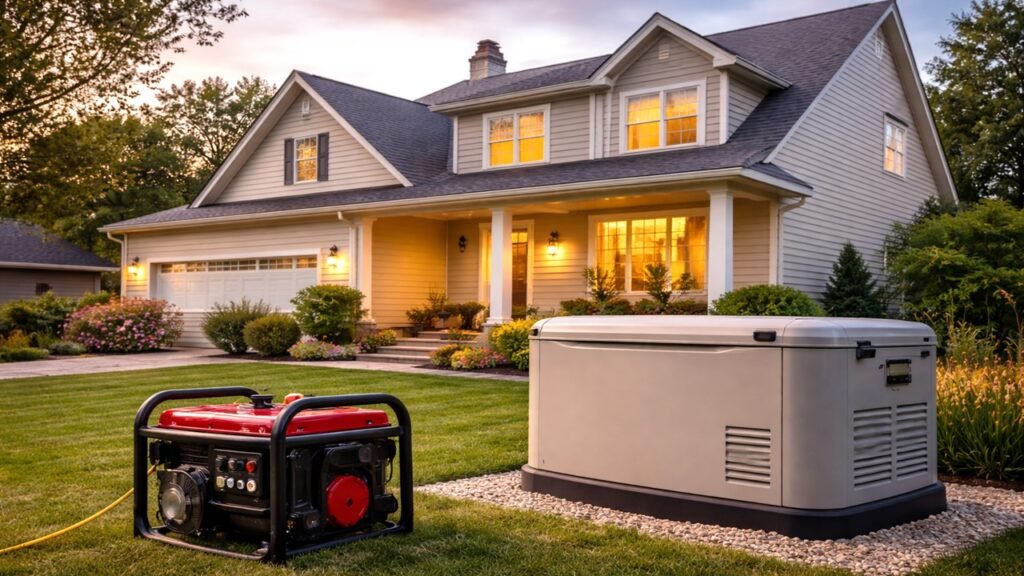
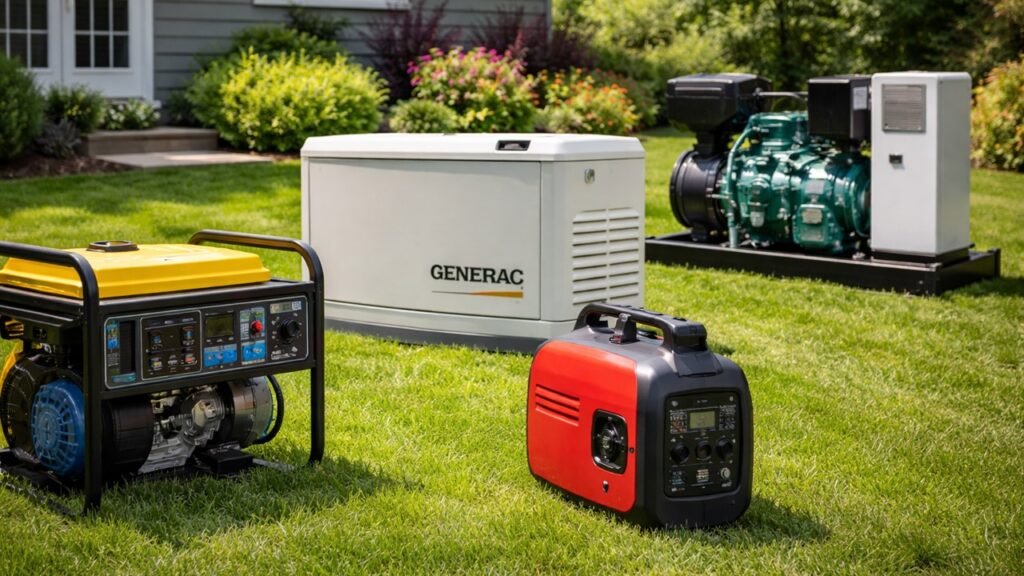
In real-world terms, most propane generators use between 0.5 and 5 gallons per hour. Smaller portable units sit at the lower end of that range, while larger standby generators powering an entire home land at the higher end.
Here’s what that typically looks like:
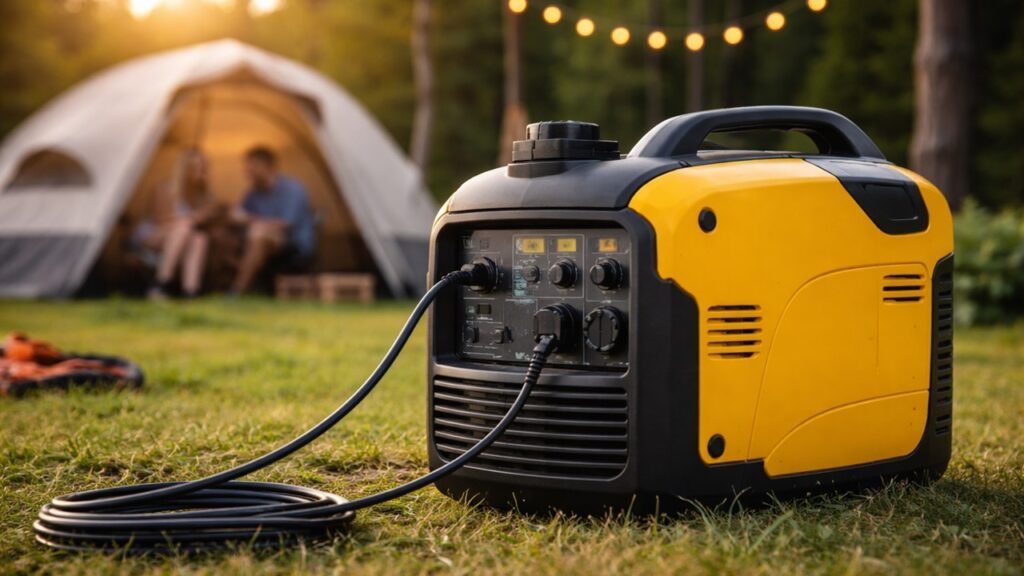
- Small portable generators often use 0.5 to 1.5 gallons per hour.
- Mid-size standby generators usually burn 2 to 4 gallons per hour.
- Larger whole house systems can use 3 to 5 gallons per hour at full load.
- Running at half load significantly reduces fuel consumption compared to full load.
- High-demand appliances like central air conditioning can quickly increase propane use.
- A 20 kW standby generator often uses around 2 gallons per hour at moderate load and up to 4 gallons per hour when heavily loaded.
One important thing to understand is that generators rarely run at full capacity the entire time. During most outages, they cycle up and down depending on what’s running inside the house. If you’re only powering essentials such as lights, refrigerator, and a few outlets, your propane usage will be much lower than if you’re running electric heat or air conditioning.
Propane Generator Fuel Consumption by Size
As generator size increases, propane use increases as well. Larger engines require more fuel to produce more electricity. However, load level still matters just as much as generator size.
Below is a general reference for average propane consumption by generator size:
| Generator Size | Propane Use at 50% Load | Propane Use at Full Load |
| 5 to 7 kW | 0.6 to 1.0 gal per hour | 1.2 to 1.6 gal per hour |
| 8 to 10 kW | 0.9 to 1.4 gal per hour | 1.8 to 2.2 gal per hour |
| 12 to 15 kW | 1.4 to 2.0 gal per hour | 2.5 to 3.0 gal per hour |
| 18 to 20 kW | 2.0 to 2.8 gal per hour | 3.5 to 4.0 gal per hour |
| 22 to 26 kW | 2.5 to 3.5 gal per hour | 4.0 to 5.0 gal per hour |
These numbers are averages based on manufacturer data and typical residential usage patterns. Actual fuel consumption varies depending on maintenance condition, outside temperature, and the number of appliances drawing power.
If you’re trying to estimate usage for your home, start by identifying your generator’s kilowatt rating and assume it will operate around 50 percent load during most outages unless you plan to run everything.
How Long Will a Propane Tank Run a Generator?
Once you know how many gallons per hour your generator burns, you can estimate runtime based on tank size. Keep in mind that propane tanks are typically filled to about 80 percent capacity for safety reasons, so usable fuel is slightly less than the tank’s total rated size.
Here’s a practical runtime estimate based on common tank sizes:
| Tank Size | Usable Gallons | Runtime at 2 gal per hour | Runtime at 3 gal per hour |
| 20 lb tank | 4.6 gallons | About 2.3 hours | About 1.5 hours |
| 100 lb tank | 23.6 gallons | About 12 hours | About 8 hours |
| 100 gallon tank | 80 gallons | About 40 hours | About 26 hours |
| 250 gallon tank | 200 gallons | About 100 hours | About 66 hours |
| 500 gallon tank | 400 gallons | About 200 hours | About 133 hours |
For example, if your standby generator averages 3 gallons per hour and you have a 500 gallon propane tank, you could expect roughly five to six days of continuous runtime under steady demand. If the load is lighter, it could stretch even longer.
The key takeaway is simple. Generator size affects hourly propane usage. Electrical load affects how hard the generator works. Tank size determines how long you can run before refueling.
If you plan for multi-day outages, it’s worth calculating your expected gallons per hour and multiplying it by 72 hours or more to see whether your propane supply is truly sufficient.
What Affects Propane Generator Fuel Consumption?
Propane generator fuel consumption depends on generator size, electrical load, engine condition, and operating environment. The harder the generator works, the more propane it burns per hour.
- Generator size in kilowatts directly determines maximum fuel burn capacity.
- Higher electrical load increases propane consumption per hour.
- Running at 50 percent load uses significantly less fuel than full load.
- Portable generators are generally less fuel-efficient than standby systems under steady demand.
- Poor maintenance increases fuel consumption due to inefficient combustion.
- Cold weather can reduce propane vaporization and affect performance.
- Longer runtime increases total propane usage proportionally.
How to Calculate How Much Propane You Need
To estimate how much propane you need, multiply your generator’s average gallons per hour by the number of hours you expect to run it, then add a safety margin.
- Find your generator’s average propane usage in gallons per hour from the manual or manufacturer specs.
- Estimate your expected load percentage based on essential appliances only.
- Decide how many hours or days you want backup power coverage.
- Multiply gallons per hour by total operating hours.
- Add 15 to 20 percent extra as a safety buffer for unexpected load increases.
Example: If your generator uses 2.5 gallons per hour and you want 72 hours of backup, you need about 180 gallons plus reserve.
Is Propane More Efficient Than Gasoline or Natural Gas?
Propane provides a strong balance between energy density, long storage life, and cleaner combustion compared to gasoline and natural gas.
| Fuel Type | Storage Life | Energy Density | Engine Cleanliness | Best Use Case |
| Propane | Indefinite when stored properly | High | Cleaner than gasoline | Standby and dual-fuel systems |
| Gasoline | 3 to 6 months without stabilizer | High | Produces more carbon deposits | Portable generators |
| Natural Gas | Continuous utility supply | Lower per volume than propane | Clean burning | Permanent standby systems |
Propane stores indefinitely without degradation, gasoline offers strong output but short shelf life, and natural gas provides unlimited runtime if utility service remains active.
Conclusion
Propane generator fuel consumption depends mainly on generator size and electrical load. Smaller units use less than a gallon per hour, while large standby systems can burn several gallons per hour under heavy demand.
Knowing your generator’s gallons per hour rating makes fuel planning simple. Multiply hourly usage by expected runtime, then size your propane storage accordingly.
If you plan for multi-day outages, match your generator to essential loads and ensure your tank capacity supports realistic runtime expectations.
Related FAQs
How much propane does a 20 kW generator use per hour?
A 20 kW propane generator typically uses about 2 gallons per hour at 50 percent load and up to 3.5 to 4 gallons per hour at full load. Actual usage depends on how many appliances are running.
How much propane does a generator use per day?
Daily usage depends on hourly burn rate and runtime. For example, a generator using 3 gallons per hour will consume about 72 gallons in 24 hours if running continuously.
How long will a 500 gallon propane tank run a generator?
A 500 gallon tank, which holds about 400 usable gallons, can run a generator for roughly 5 to 8 days depending on whether it averages 2 to 3 gallons per hour.
Does running at half load reduce propane consumption?
Yes, running at 40 to 60 percent load significantly reduces propane usage compared to operating at full capacity. Load management is one of the best ways to conserve fuel.
Is propane cheaper to run than gasoline for generators?
Propane often provides more stable long-term storage and cleaner combustion, while gasoline may offer similar energy output but requires more frequent replacement due to fuel degradation.
Can a propane tank freeze while running a generator?
Propane itself does not freeze under normal conditions, but small tanks can struggle to vaporize fuel in very cold weather, which may reduce generator performance.

Robert Caldwell writes in-depth guides and reviews focused on generators, backup power systems, and portable energy equipment. His work is grounded in hands-on testing, covering fuel types, runtime performance, noise levels, and real-world reliability. He helps homeowners, RV owners, and outdoor users choose dependable power solutions with confidence. Every article emphasizes clear explanations, safe operation, and long-term value.