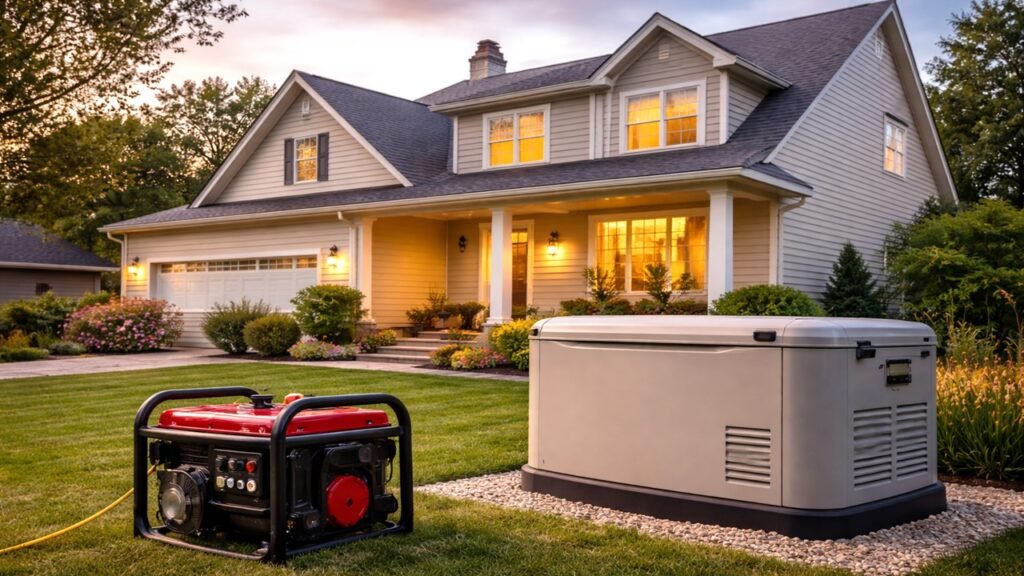
A generator for a 1,500 sq ft house typically costs anywhere from $500 to $15,000, depending on the generator type, power output, and installation requirements.
Smaller portable generators sit at the lower end of the price range, while fully installed standby generators designed to power the entire home cost significantly more.
The final price is shaped by how much of the house you want to run during an outage and how long you need power to last.
Key Summary
- A generator for a 1,500 sq ft house typically costs between $500 and $15,000, depending on generator type, size, and installation needs.
- Portable generators offer the lowest upfront cost but usually power only essential appliances during short outages.
- Whole-house standby generators provide automatic, full-home backup and have the highest total installed cost.
- Generator size for a 1,500 sq ft home generally ranges from 7,500 watts for essentials to 22 kilowatts for full-home coverage.
- Installation costs such as transfer switches, permits, and fuel connections significantly affect the final price.
Generator Cost for a 1,500 Sq Ft House (Quick Breakdown)
The cost of a generator for a 1,500 sq ft home depends on the type of system you choose and whether professional installation is required. Some options are designed for short-term emergency use, while others provide seamless, whole-home backup.
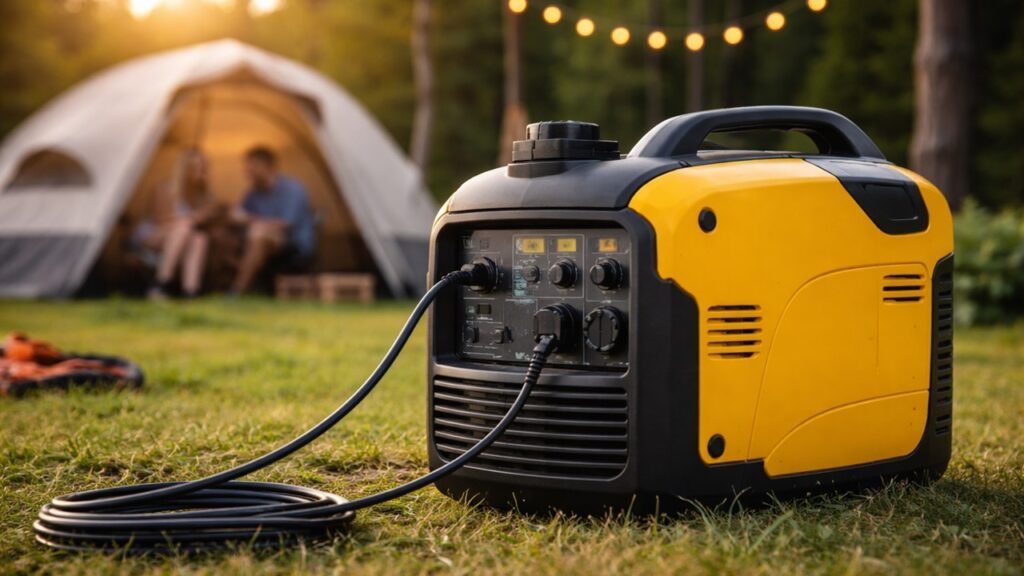
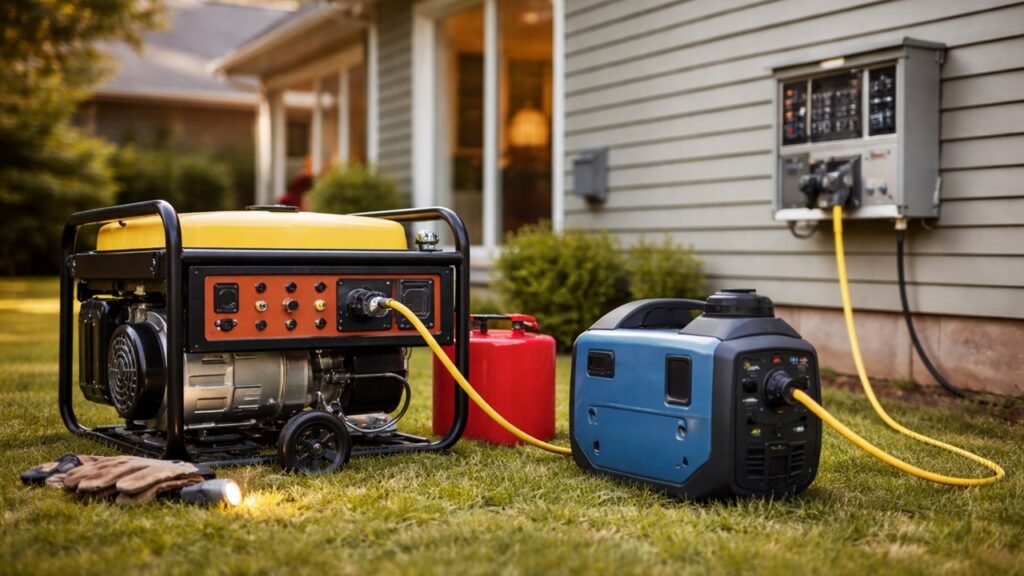
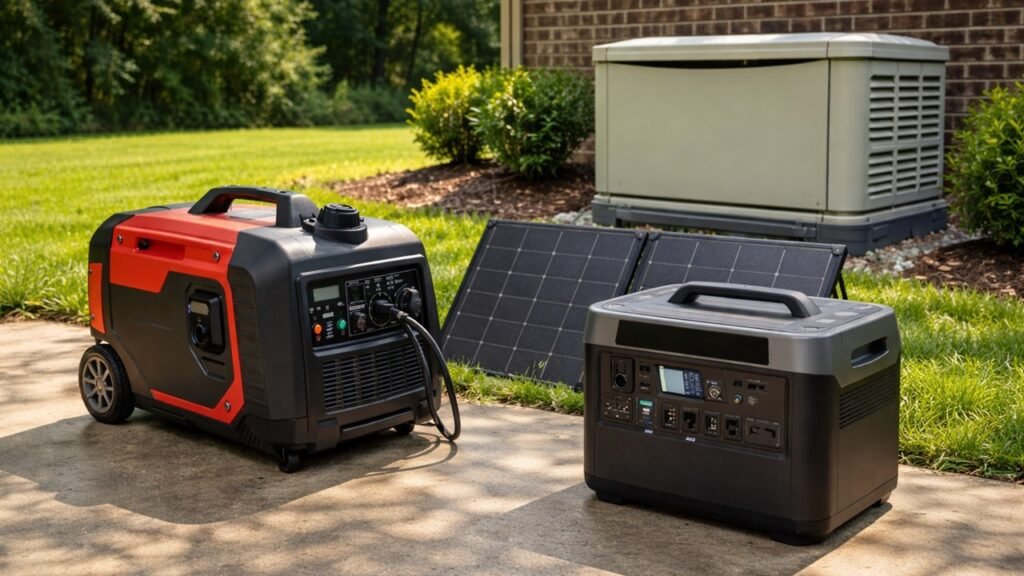
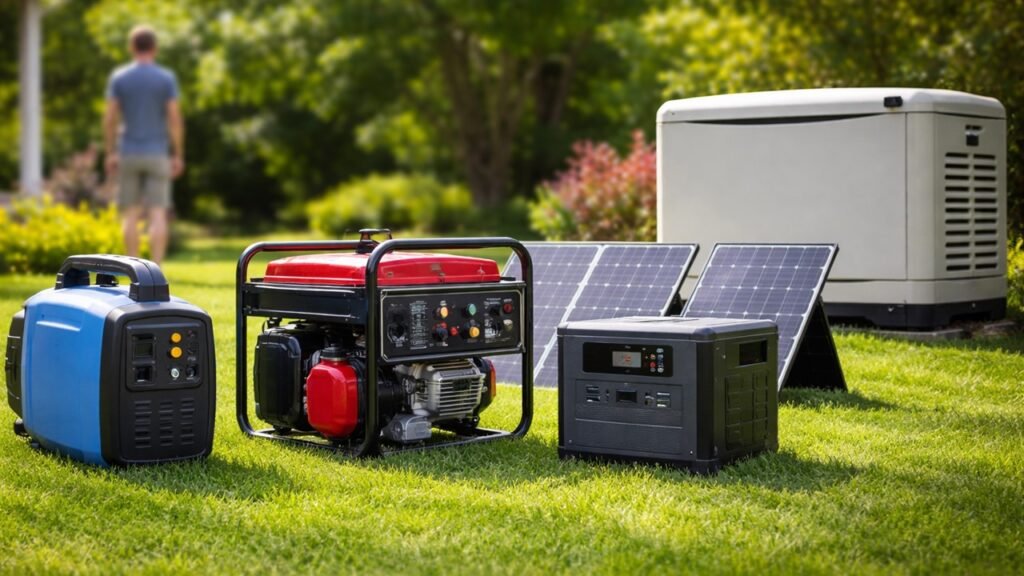
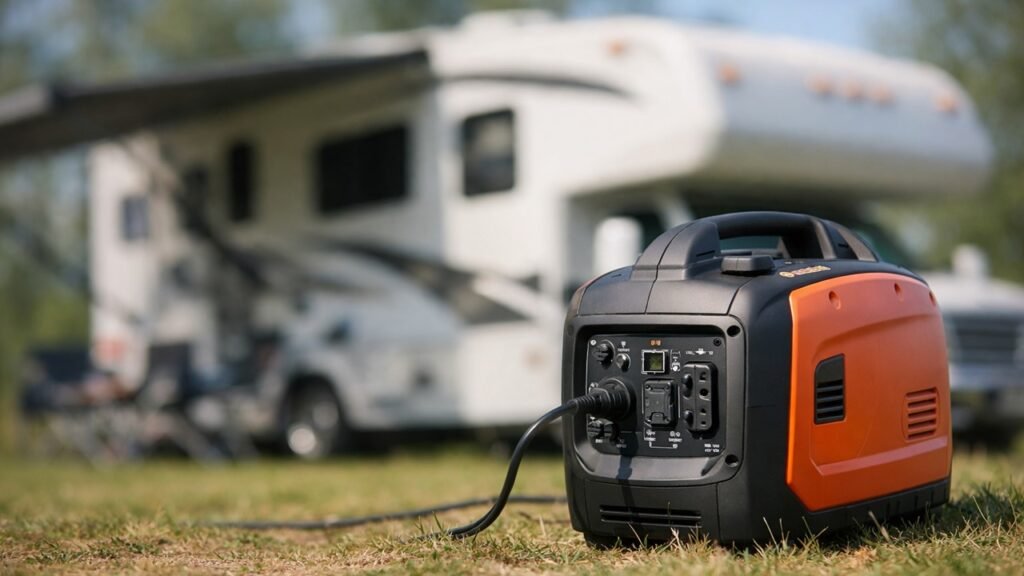
Portable generators usually cost between $500 and $2,500. These units are designed to power essential appliances such as refrigerators, lights, televisions, and small air conditioners. They require manual starting and regular refueling.
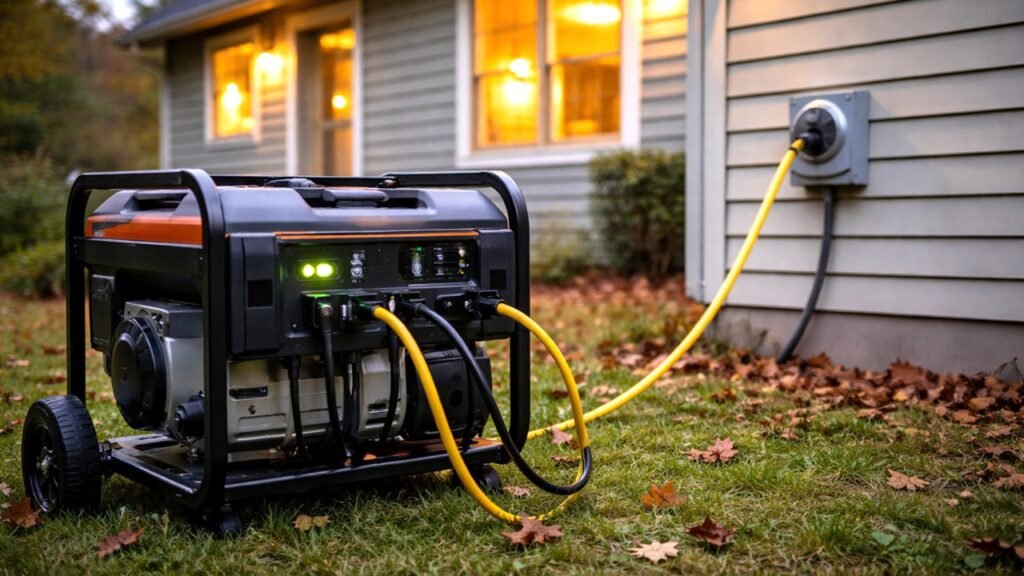
Installing a transfer switch typically adds $400 to $1,300 to the total cost. A transfer switch allows the generator to safely feed power into selected home circuits and prevents backfeeding into the grid.
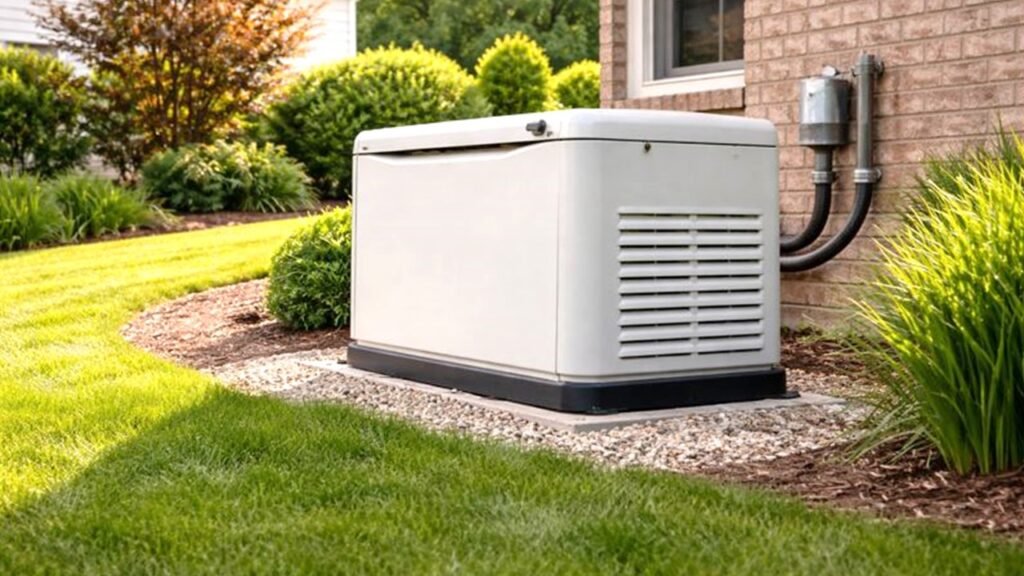
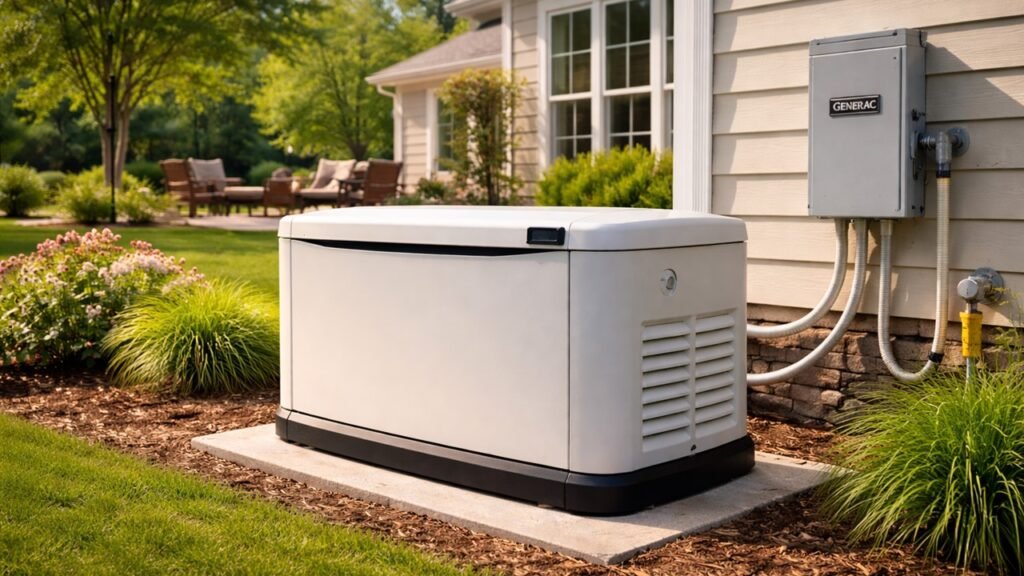
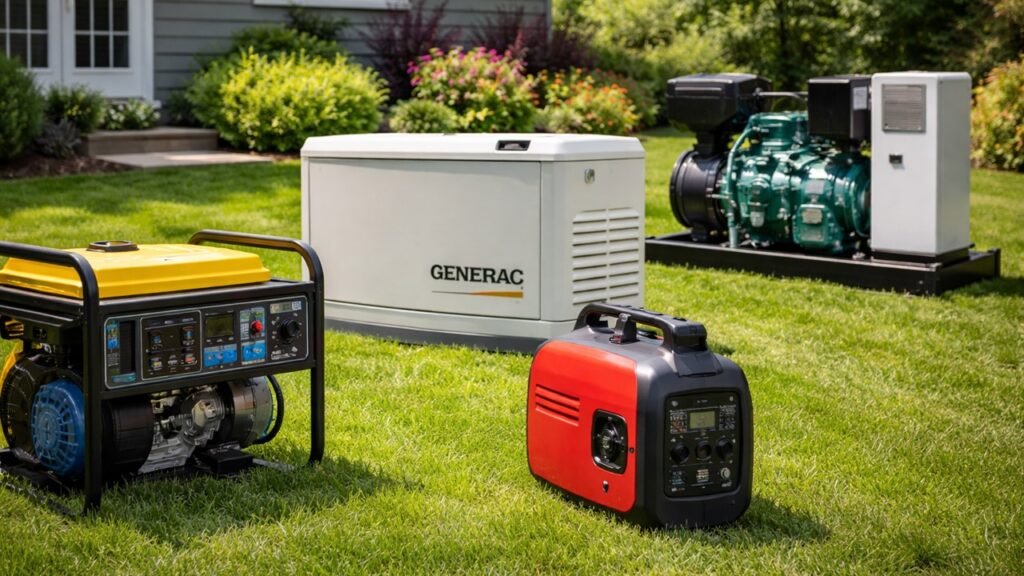
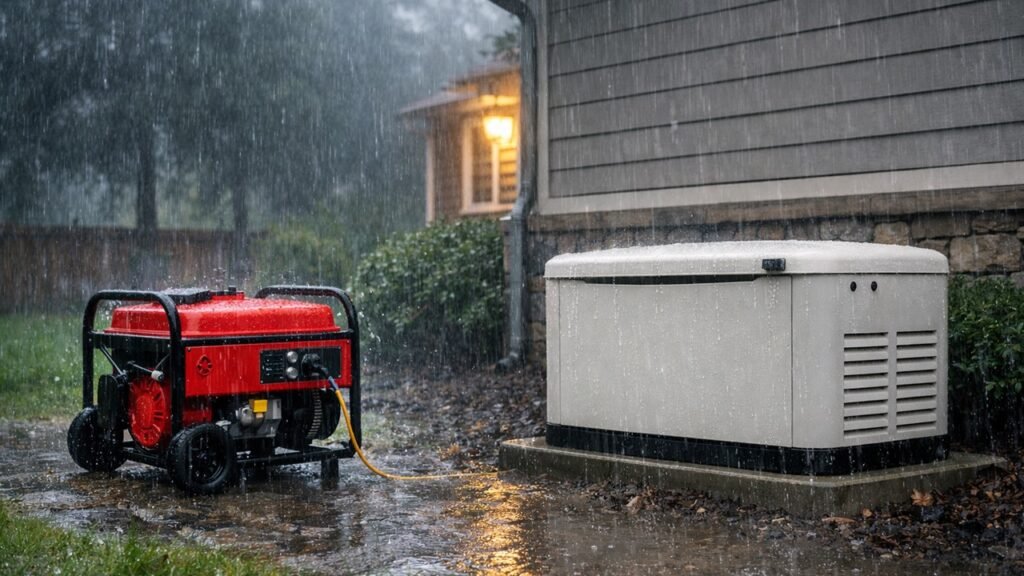
Whole-house standby generators usually cost between $7,000 and $15,000 when fully installed. This price includes the generator unit, professional electrical installation, permits, and connection to a natural gas or propane supply. Standby generators turn on automatically during power outages.
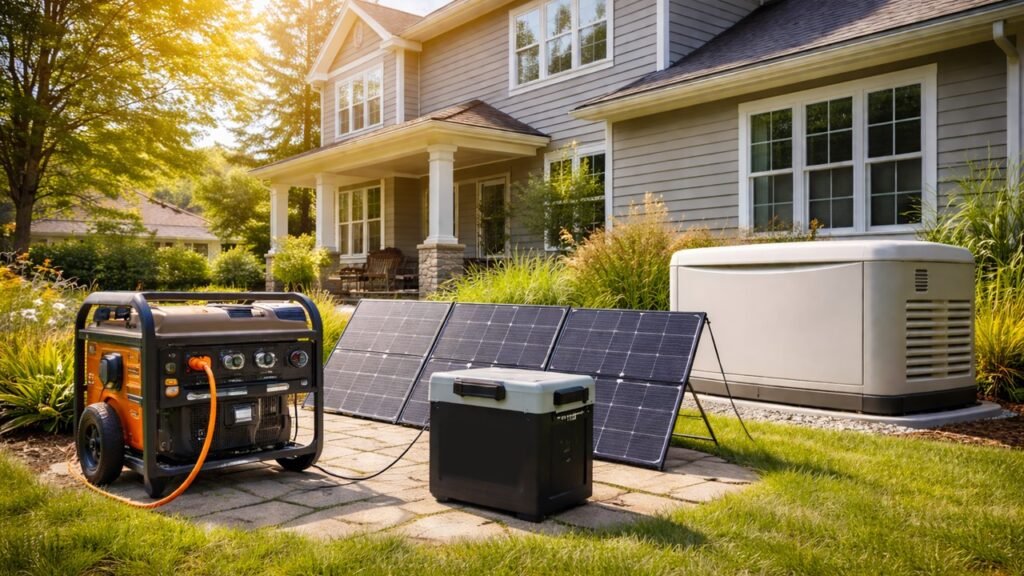
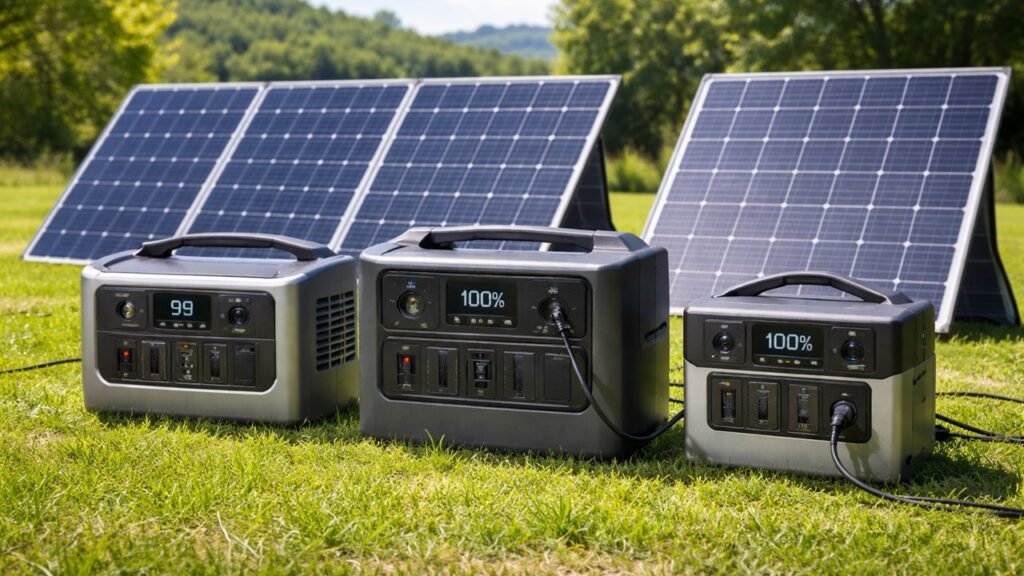
Solar generators and battery backup systems generally range from $3,000 to $15,000 or more. These systems store electricity instead of producing it and rely on battery capacity to determine how long power will last.
What Size Generator Do You Need for a 1,500 Sq Ft House?
A 1,500 sq ft house usually needs between 7,500 watts and 22 kilowatts of generator capacity, depending on which appliances you plan to run. Homes that only require essential circuits need far less power than homes running central air conditioning, electric water heaters, or dryers.
Generator sizing is based on total running wattage and the highest starting wattage among your appliances. Starting wattage matters because motors and compressors draw extra power when they first turn on.
Recommended generator sizes by type:
| Generator Type | Recommended Size | Typical Use |
| Portable generator | 7,500W to 12,500W | Essentials only |
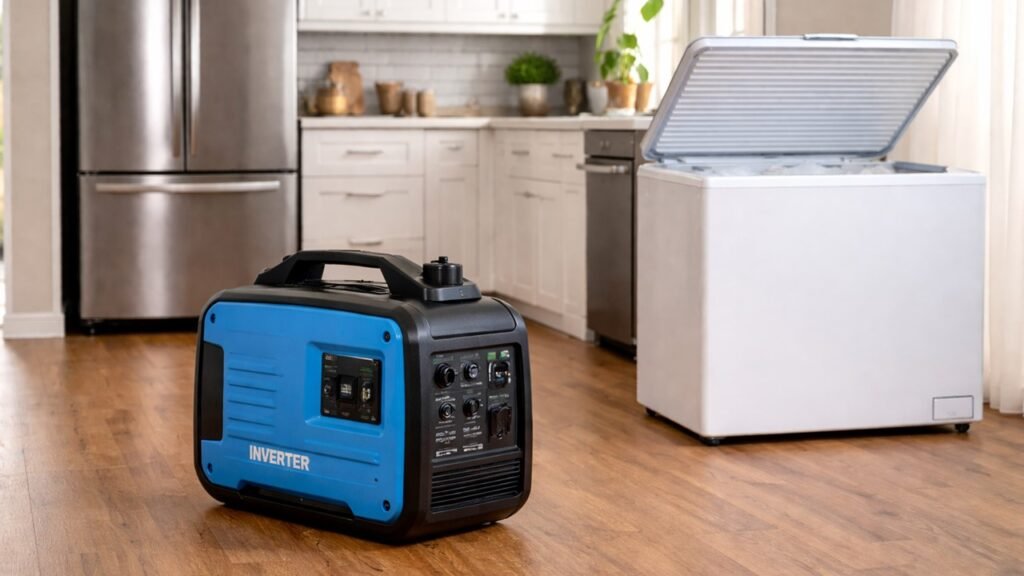
| Inverter generator | 5,000W to 10,000W | Partial home backup |
| Standby generator | 16kW to 22kW | Full-home backup |
| Solar plus battery | 10kWh to 50kWh with 5kW to 10kW inverter | Essential to extended runtime |
Watts measure how much power a generator can deliver at one moment. Kilowatt-hours measure how long stored energy will last. For fuel-powered generators, focus on watts. For battery systems, focus on kilowatt-hours.
Generator Cost by Generator Type
Generator pricing varies widely because each type serves a different purpose. Some systems prioritize affordability and portability, while others focus on automation and long-term reliability.
Portable Generator Cost
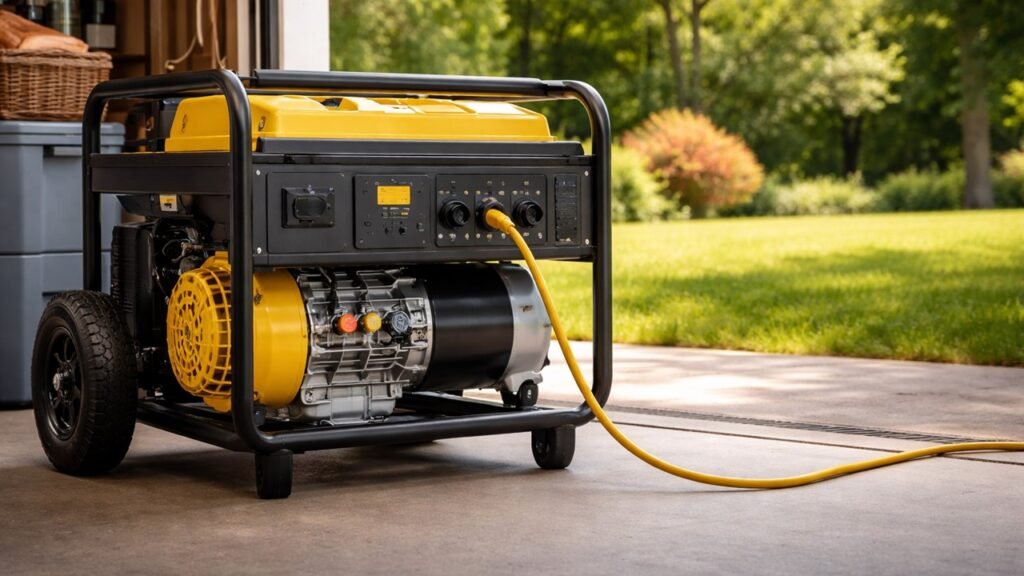
Portable generators are the most affordable option for a 1,500 sq ft house and are best suited for short outages or essential power needs.
Prices usually range from $500 to $2,500 depending on wattage and fuel type. Most models offer between 7,500 and 12,500 watts of output. Fuel options commonly include gasoline, propane, or dual-fuel setups.
Portable generators can run refrigerators, lighting, internet equipment, and small air conditioners, but they usually cannot support central HVAC systems continuously.
Standby Generator Cost
Standby generators are designed to power an entire 1,500 sq ft home automatically during an outage.
The generator unit itself typically costs between $3,500 and $6,000. Installation, permits, electrical work, and fuel line connections add another $3,500 to $9,000.
Most homes in this size range use a standby generator rated between 16kW and 22kW. These systems can handle central air conditioning, electric cooking appliances, and multiple circuits at the same time.
Solar Generator or Battery Backup Cost
Solar generators and battery backup systems provide quiet, emission-free power but rely on stored energy.
Entry-level battery systems usually cost between $3,000 and $6,000. Larger systems capable of running more appliances cost $8,000 to $15,000 or more.
Runtime depends on total battery capacity and household energy usage. A simple runtime calculation looks like this:
Runtime in hours = Battery capacity in watt-hours ÷ Appliance load in watts
Example:
10,000 Wh ÷ 1,000 W = 10 hours of runtime
Battery systems are ideal for essential loads but require careful planning for long outages.
Typical Power Usage in a 1,500 Sq Ft Home
A 1,500 sq ft home usually runs a mix of essential and high-demand appliances. Actual power usage depends on whether the home relies on electric heating, central air conditioning, or gas-powered systems. Knowing typical wattage helps prevent buying a generator that is either too small or unnecessarily large.
| Appliance | Running Watts | Starting Watts |
| Refrigerator | 600 | 1,200 |
| Central air conditioner | 3,500 | 5,000 |
| Window air conditioner | 1,000 | 2,800 |
| Microwave | 1,200 | Not applicable |
| Electric water heater | 4,000 | Not applicable |
| Washer | 1,000 | Not applicable |
| Electric dryer | 5,000 | Not applicable |
| Lighting and electronics | 500 | Not applicable |
Installation Costs That Affect Total Price
Installation costs can significantly change the final price of a generator for a 1,500 sq ft house. These costs vary based on local codes, fuel availability, and the complexity of the electrical system.
- Transfer switch installation
- Electrical panel upgrades
- Natural gas line extension or propane tank setup
- Concrete pad or mounting base
- Permits and inspections
Portable vs Standby Generator for a 1,500 Sq Ft House
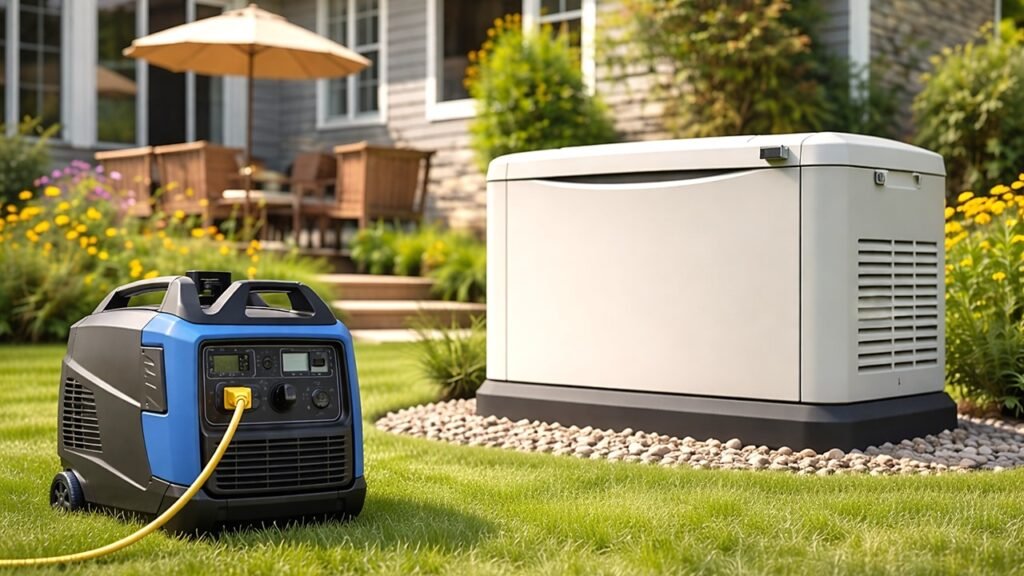
Portable and standby generators serve different needs depending on outage frequency, convenience, and budget. Comparing them side by side makes it easier to choose the right option for a 1,500 sq ft home.
| Feature | Portable Generator | Standby Generator |
| Upfront cost | Lower | Higher |
| Power capacity | Limited | High |
| Operation | Manual | Automatic |
| Runtime | Fuel dependent | Continuous with fuel supply |
| Installation | Minimal | Professional required |
| Central HVAC support | Usually no | Yes |
Generator Cost by Home Size (Quick Reference)
Generator pricing increases as home size and electrical demand grow. This table provides a general cost reference based on common home sizes and typical generator requirements.
| Home Size | Recommended Generator Size | Typical Cost Range |
| 1,000 sq ft | 5kW to 7.5kW | $500 to $8,000 |
| 1,500 sq ft | 7.5kW to 22kW | $500 to $15,000 |
| 2,000 sq ft | 10kW to 24kW | $3,000 to $18,000 |
| 2,500 sq ft | 16kW to 26kW | $6,000 to $22,000 |
| 3,000 sq ft | 20kW to 30kW | $8,000 to $25,000 |
Conclusion
A generator for a 1,500 sq ft house can cost anywhere from a few hundred dollars to well over $15,000, depending on the generator type, power capacity, and installation requirements. Portable generators offer a lower-cost entry point, while standby generators provide the highest level of reliability and convenience.
Choosing the right generator size is just as important as choosing the right price range. Homes that only need essential circuits require far less power than homes running central air conditioning, electric water heaters, or dryers. Proper sizing prevents overloads and unnecessary spending.
The best generator option depends on outage frequency, budget, and how much of the home you want to keep running. Understanding power needs, installation costs, and runtime expectations makes it easier to invest in the right solution.
Related FAQs
Is a 7,500-watt generator enough for a 1,500 sq ft house?
A 7,500-watt generator can power essential appliances like a refrigerator, lights, and internet, but it cannot run the entire house at once.
Can a portable generator run central air conditioning?
Most portable generators cannot support central air conditioning because HVAC systems require high starting and continuous wattage.
Does kWh matter when choosing a generator?
Kilowatt-hours matter for battery and solar generators because they determine how long stored power will last, not instant output.
Is a standby generator worth the cost?
A standby generator is worth the cost for homes that experience frequent outages or need automatic, full-home power.

Robert Caldwell writes in-depth guides and reviews focused on generators, backup power systems, and portable energy equipment. His work is grounded in hands-on testing, covering fuel types, runtime performance, noise levels, and real-world reliability. He helps homeowners, RV owners, and outdoor users choose dependable power solutions with confidence. Every article emphasizes clear explanations, safe operation, and long-term value.