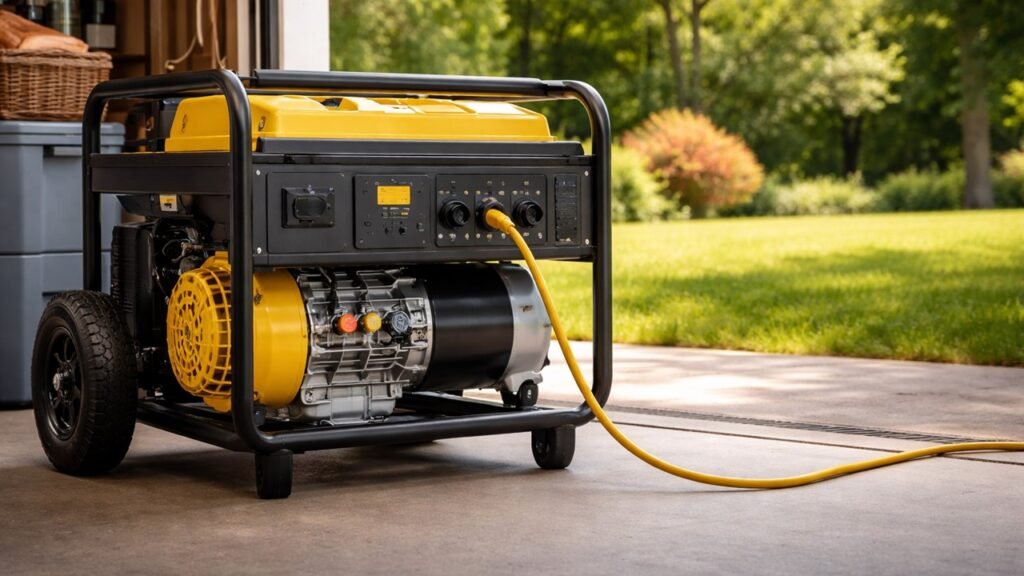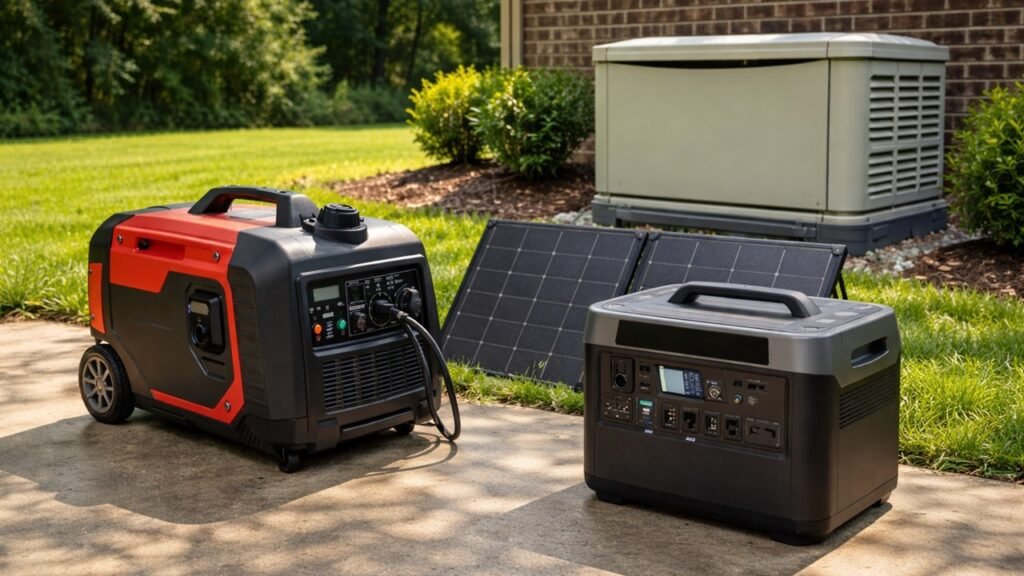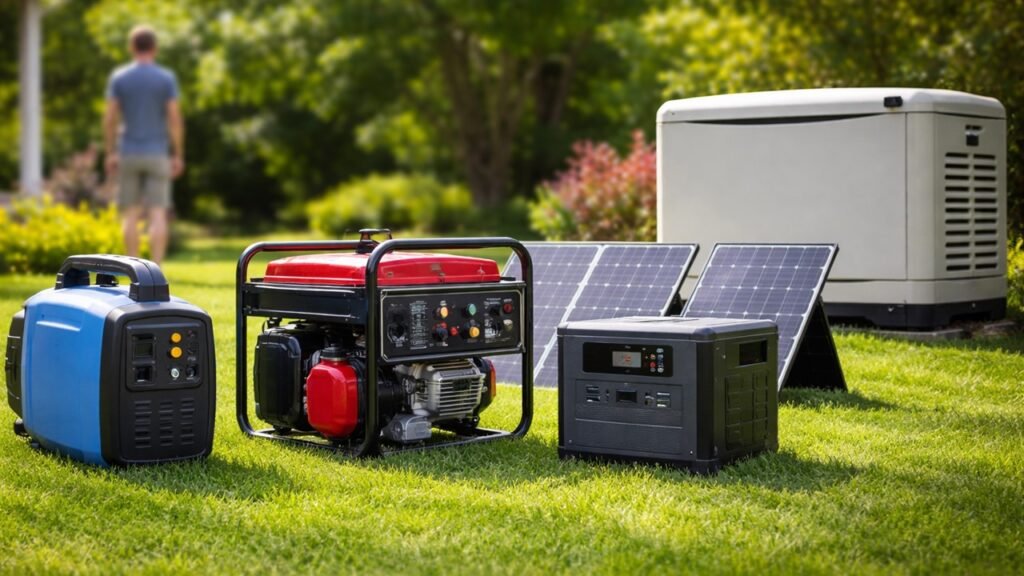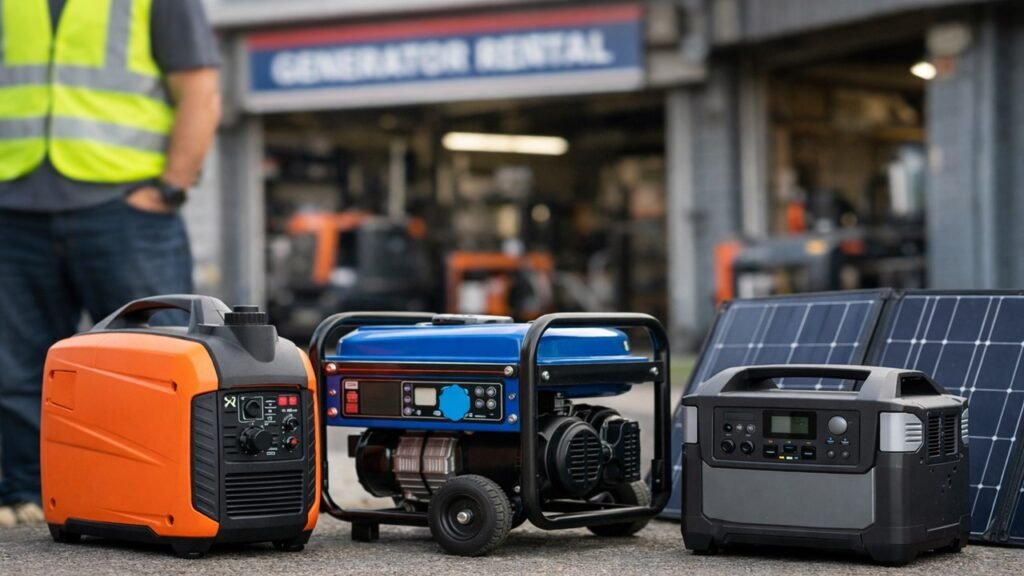
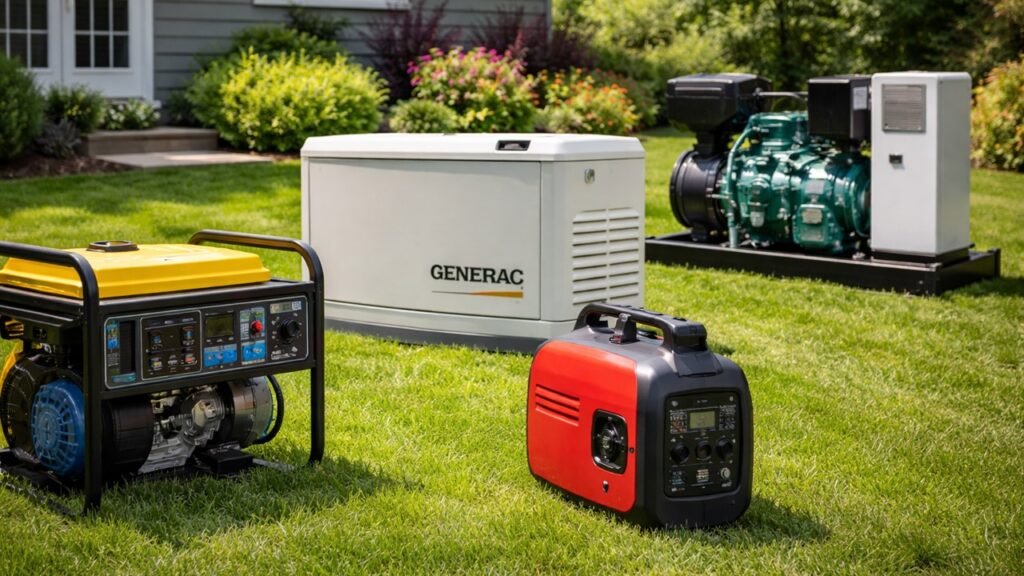
If you’re asking how long a generator lasts, here’s the simple answer: it depends on the type of generator and how well you take care of it. Most generators last anywhere from 1,000 to 50,000 running hours. Small portable units usually sit on the lower end. Heavy-duty diesel and standby generators can last decades.
In this guide, I’ll break down how long a generator lasts on average, how lifespan changes by type, and how long different generators can run during an outage.
Key Summary:
- Generator lifespan ranges from 1,000 to 50,000 hours depending on generator type and maintenance quality.
- Portable gasoline generators typically last 1,000 to 3,000 hours under normal residential use.
- Standby generators commonly reach 10,000 to 30,000 hours when properly serviced and exercised regularly.
- Diesel generators often exceed 15,000 hours because low RPM engines reduce internal wear.
- Regular oil changes, proper load management, and clean fuel significantly extend generator lifespan.
How Long Does a Generator Last on Average?
On average, a generator lasts between 1,000 and 50,000 hours. That is a wide range because not all generators are built the same.
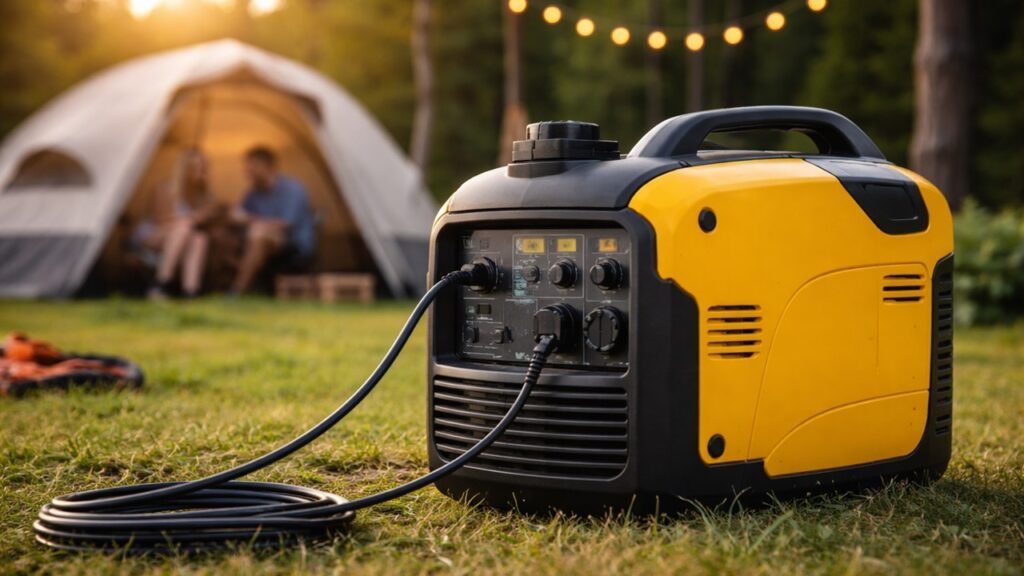
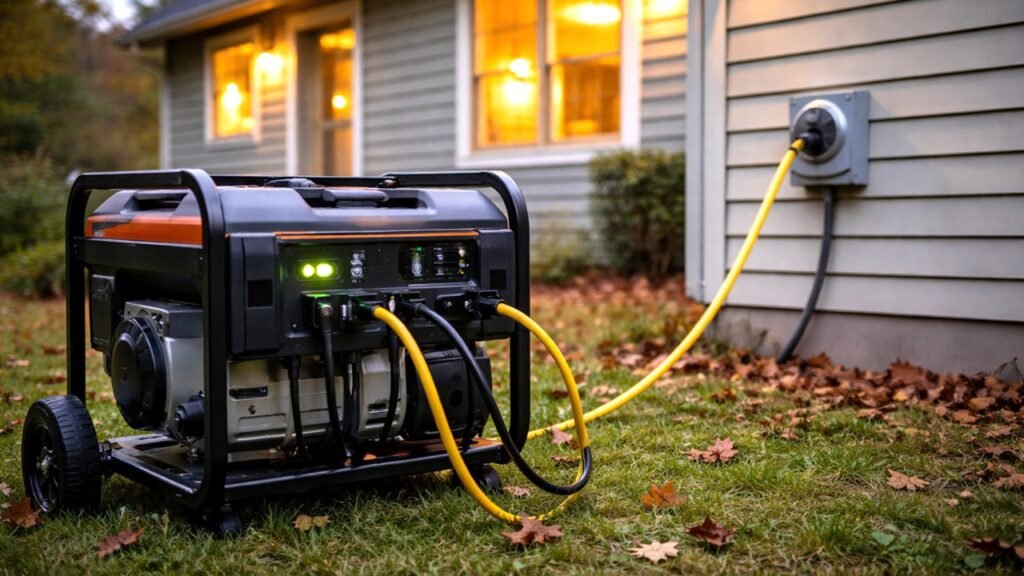
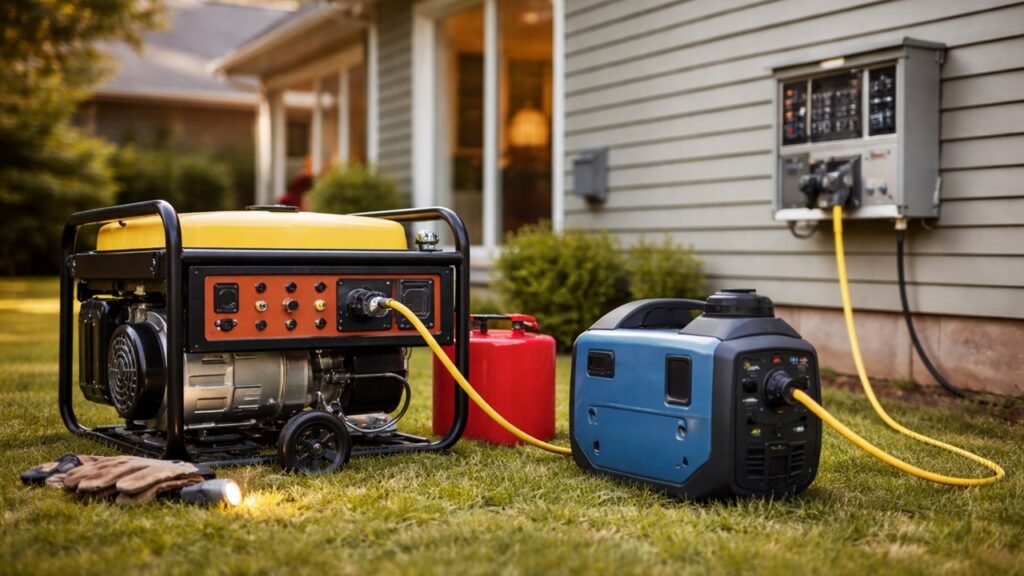
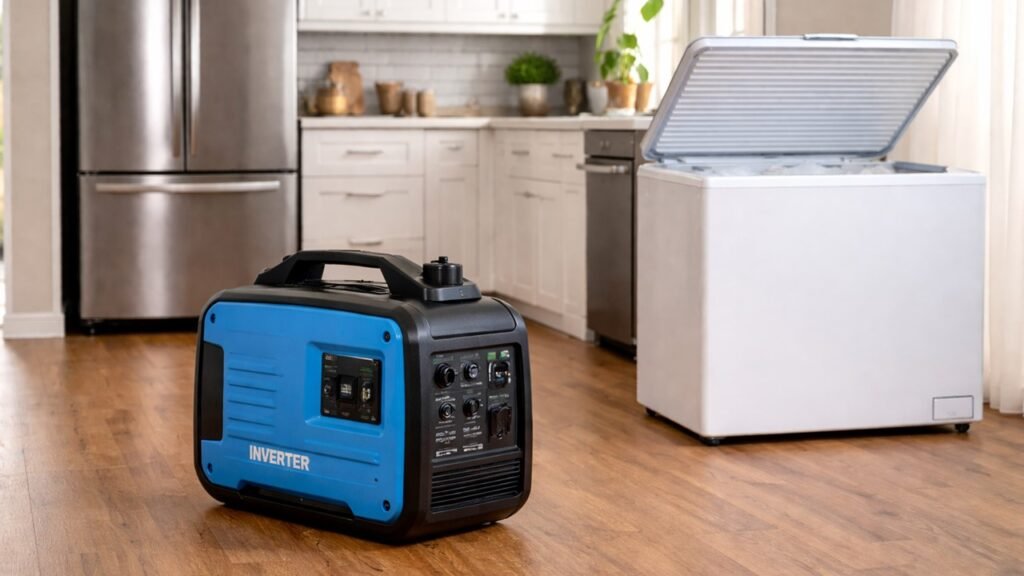
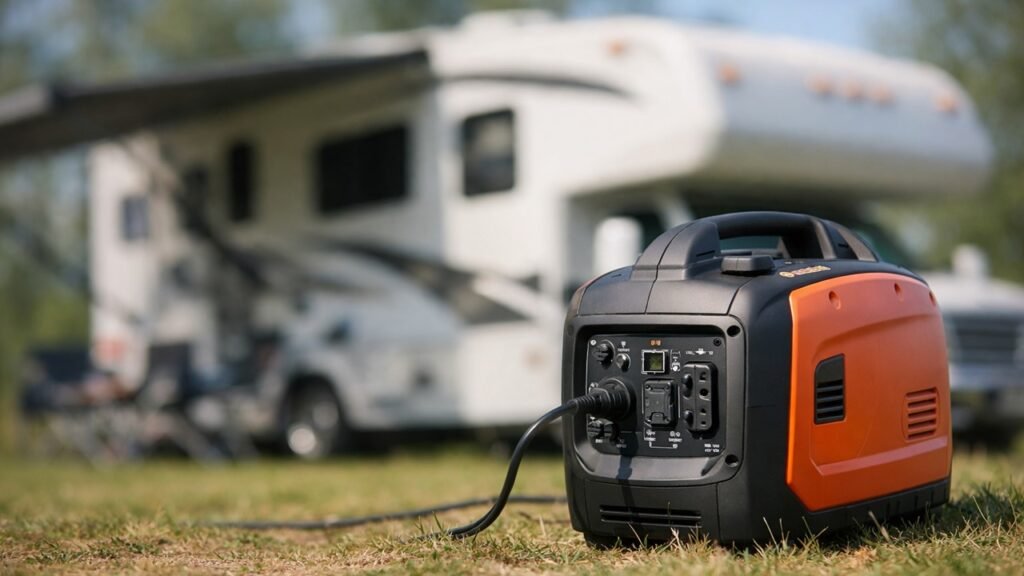
Portable gasoline generators usually last 1,000 to 3,000 hours. Inverter generators often last a bit longer, around 1,500 to 4,000 hours, because their engines adjust speed based on load.
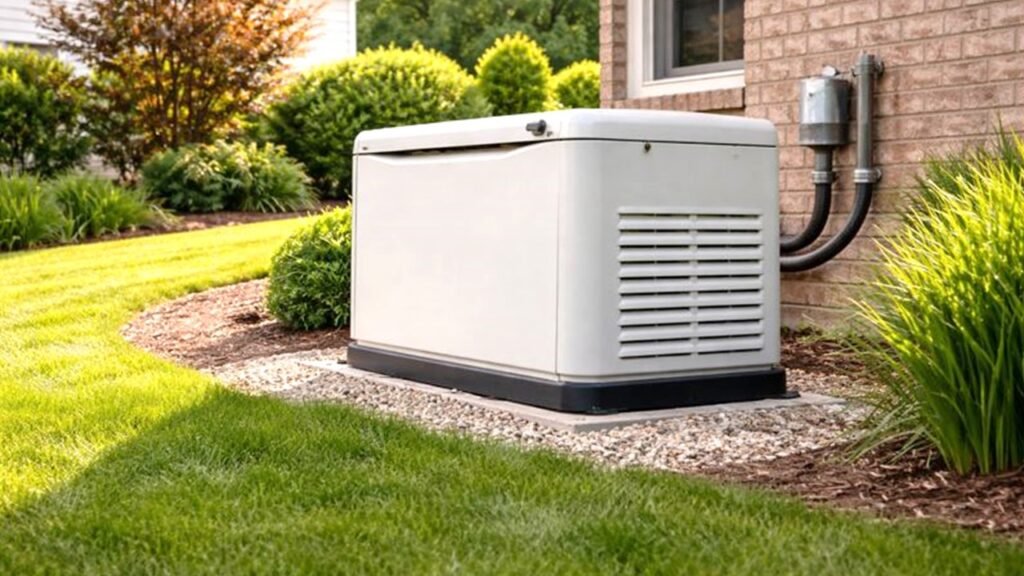
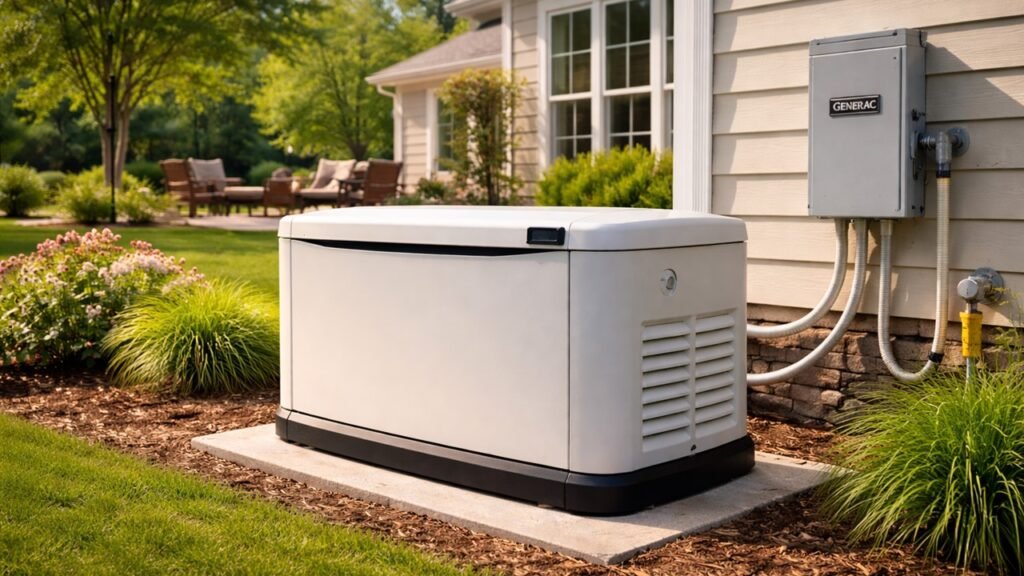
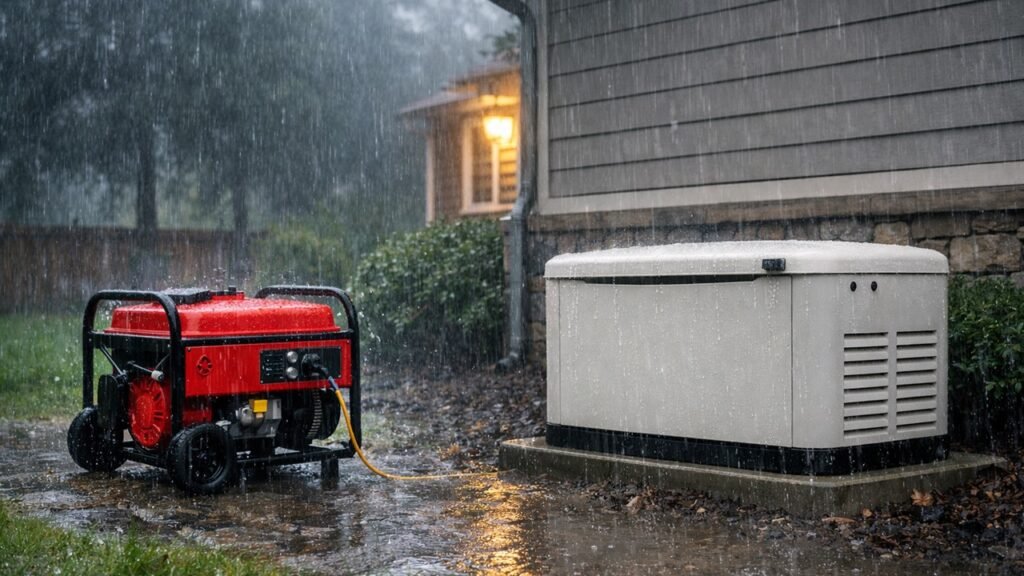
Standby home generators are built for long-term use and often reach 10,000 to 30,000 hours.
Diesel generators are the longest lasting, and many reach 15,000 to 50,000 hours.
Maintenance makes a huge difference. Regular oil changes, clean fuel, and avoiding overload can easily extend a generator’s usable life. Poor maintenance can cut that lifespan in half.
What Is the Average Generator Lifespan by Type?
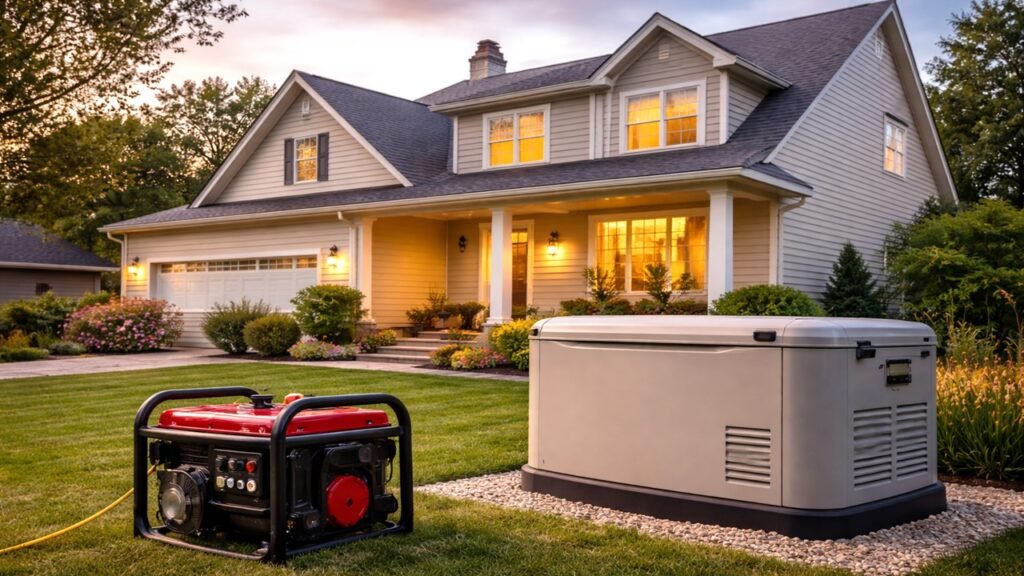
Different generator types are built for different jobs. Light-duty portable models wear out faster. Standby and diesel units are built for endurance.
Here is a simple breakdown:
| Generator Type | Average Lifespan in Hours | Typical Years for Home Backup | Main Limiting Factor |
| Portable Gasoline | 1,000 to 3,000 | 3 to 8 years | High engine speed and lighter build |
| Inverter Generator | 1,500 to 4,000 | 8 to 15 years | Electronics and engine wear |
| Standby Generator | 10,000 to 30,000 | 20 to 30 years | Maintenance and load handling |
| Diesel Generator | 15,000 to 50,000 | 25 plus years | Fuel system and service schedule |
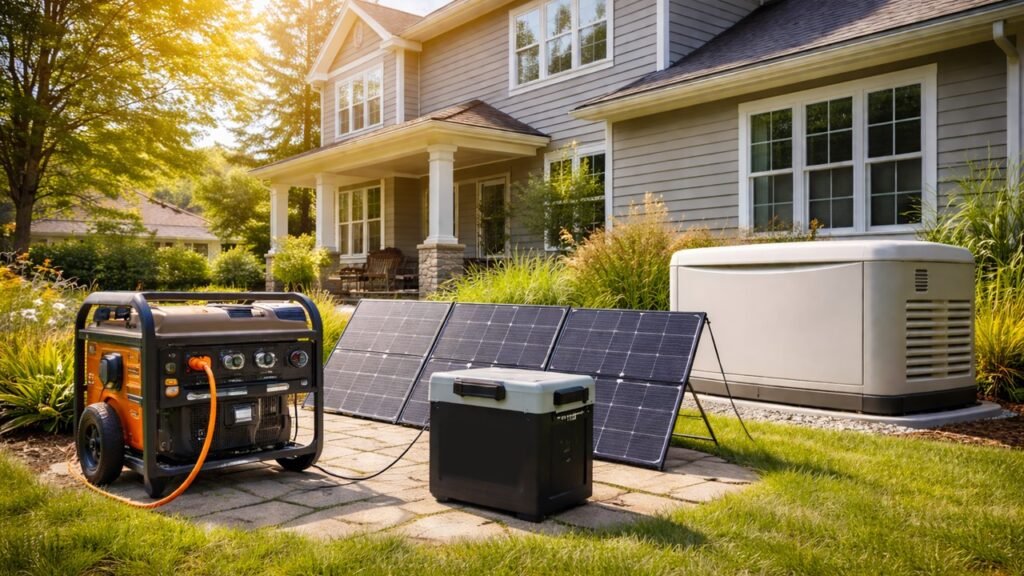
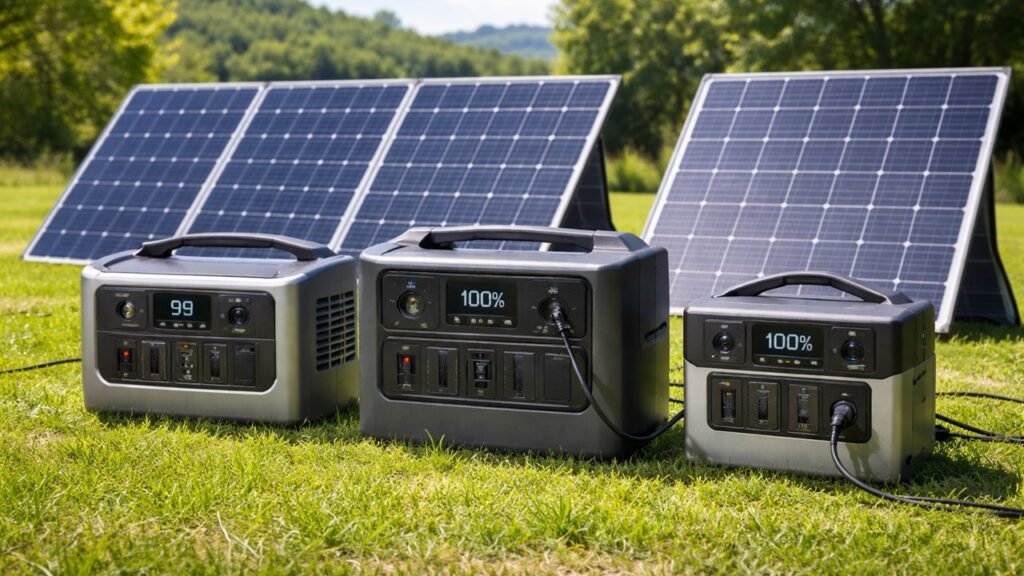
| Solar Generator | 3,000 to 6,000 cycles | 10 to 15 years | Battery degradation |
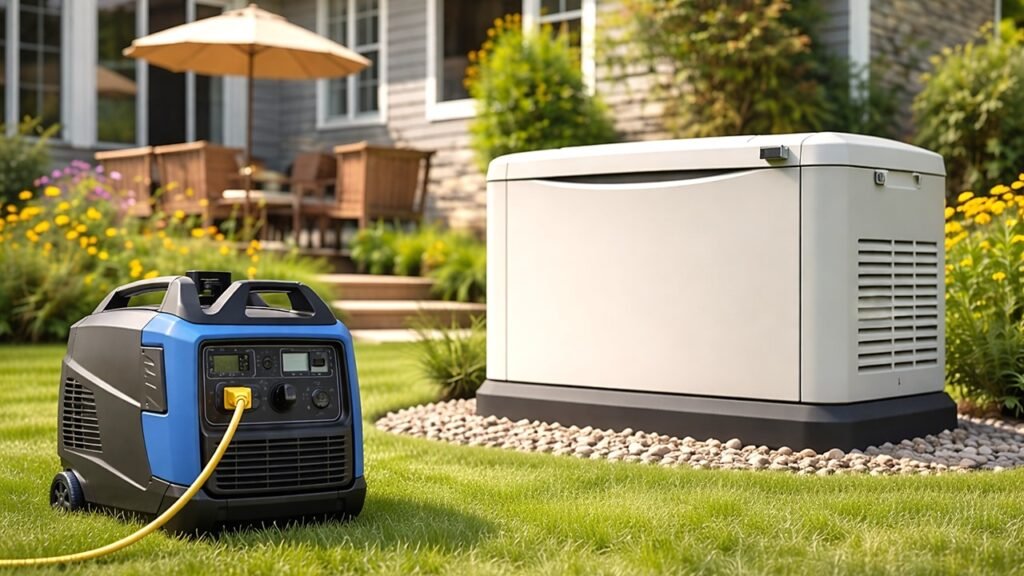
Diesel generators last longer because diesel engines run at lower RPM and use stronger internal components. Standby generators last longer because they are designed to sit idle and then handle outages reliably over many years.
How Long Can a Generator Run Continuously?
Continuous runtime is different from total lifespan. Lifespan is about total hours over the generator’s life. Continuous runtime is about how long it can run before refueling or servicing.
Most portable generators run 6 to 16 hours per tank. Larger standby and diesel models can run for days as long as fuel and oil are managed properly.
Here’s how it breaks down by type.
How Long Do Portable Gasoline Generators Run?
Portable gasoline generators typically run 6 to 16 hours on a full tank. The heavier the load, the faster they burn fuel.
If you are running one during a long outage, you should check the oil every 8 to 12 hours. Running at full load all the time will increase wear.
How Long Do Propane Generators Run?
Propane generators usually run 8 to 12 hours on a standard 20 pound tank. Propane burns cleaner than gasoline, which helps reduce carbon buildup inside the engine.
They may produce slightly less power than gasoline models of the same size.
How Long Do Standby Natural Gas Generators Run?
Standby natural gas generators can run for days or even weeks as long as the gas supply stays active.
Most manufacturers recommend checking oil and shutting down briefly every 24 hours during extended outages. Fuel is rarely the limiting factor. Oil and cooling are.
How Long Do Diesel Generators Run?
Diesel generators are built for long runs. Many can operate 24 to 72 hours straight, and industrial units can run even longer with proper monitoring.
This is why hospitals and large facilities rely on diesel systems.
How Long Do Solar Generators Run?
Solar generators run based on battery capacity. If the battery stores 2,000 watt-hours, it can power a 1,000 watt load for about two hours.
There is no engine to wear out. Instead, the battery’s charge cycles determine long-term lifespan.
What Factors Affect How Long a Generator Lasts?
The biggest factors that affect how long a generator lasts are maintenance, load level, fuel quality, and operating environment. A well-maintained generator running at moderate load can last twice as long as a neglected unit that is constantly overloaded.
Here is what really makes the difference:
- Maintenance schedule: Regular oil changes, air filter cleaning, and spark plug replacement reduce engine wear. Skipping maintenance shortens lifespan quickly.
- Load percentage: Running at 50 to 75 percent capacity is ideal. Running at 100 percent load for long periods increases heat and internal stress.
- Fuel quality: Old gasoline causes carburetor buildup. Contaminated diesel damages injectors. Clean, fresh fuel protects the engine.
- Engine speed and design: Low RPM engines, especially diesel, last longer than high RPM portable engines.
- Cooling and ventilation: Poor airflow increases operating temperature. Heat accelerates wear on internal components.
- Operating environment: Dust, humidity, salt air, and extreme temperatures shorten engine life.
- Usage pattern: Short, light backup use extends lifespan. Continuous heavy-duty use reduces it.
How Can You Make a Generator Last Longer?
You can make a generator last longer by maintaining it properly, avoiding overload, and storing it correctly. Most generator failures happen because of neglect, not because the machine simply wore out.
Here are practical steps that actually help:
- Change oil every 50 to 100 hours: Clean oil reduces friction and protects internal engine parts.
- Clean or replace air filters regularly: Restricted airflow makes the engine work harder.
- Avoid constant full-load operation: Leave headroom instead of pushing it to maximum capacity.
- Use fuel stabilizer for gasoline storage: Stabilizer prevents fuel breakdown and carburetor clogging.
- Run backup generators monthly: Regular exercise circulates oil and keeps seals lubricated.
- Drain fuel before long-term storage: Old fuel is a common cause of starting problems.
- Store in a dry, ventilated area: Moisture leads to corrosion and electrical issues.
- Inspect spark plugs yearly: Worn plugs reduce efficiency and increase strain.
Simple habits like these can extend lifespan by years.
What Are the Signs a Generator Is Near the End of Its Life?
A generator nearing the end of its life usually shows clear warning signs before it fails completely. Performance declines gradually rather than stopping suddenly.
Watch for these signs:
- Hard starting or frequent stalling: Indicates internal wear or compression loss.
- Excessive fuel consumption: Worn engines burn more fuel for the same output.
- Reduced power output: The generator struggles to handle normal loads.
- Metal shavings in oil: Signals internal engine damage.
- Frequent breakdowns: Repeated repairs often mean major components are worn.
- Heavy smoke from exhaust: Blue or black smoke suggests oil burning or fuel system problems.
- Age over 20 to 25 years: Older standby units may still run but become less reliable.
When repair costs start approaching half the price of a new unit, replacement usually makes more sense.
How Many Hours Is Too Many for a Generator?
There is no single number that applies to every generator. What is considered too many hours depends on the type of machine.
For portable gasoline generators, anything above 2,000 to 3,000 hours is approaching the upper limit of normal life. At that point, internal wear becomes more likely, especially if maintenance was inconsistent.
For standby generators, 20,000 hours is not unusual. Diesel generators can exceed 40,000 hours when properly maintained. The key is condition, not just hours. A well-maintained unit with high hours may still perform better than a poorly maintained unit with fewer hours.
Can a Generator Last 20 Years?
Yes, a generator can last 20 years, but not all types will. Standby generators and diesel models commonly last 20 to 30 years when used for backup power and serviced regularly.
Portable gasoline generators are less likely to reach 20 years because they use smaller, high-speed engines. Heavy usage or poor storage reduces their lifespan further.
If you maintain your generator properly, manage the load wisely, and protect it from the elements, reaching the 20-year mark is realistic for high-quality standby and diesel systems.
Conclusion
So, how long does a generator last? Most generators last between 1,000 and 50,000 hours depending on the type, build quality, and how they are maintained. Portable models sit on the lower end, while standby and diesel generators are built for long-term durability.
The biggest factor in generator lifespan is maintenance. Clean oil, proper load management, fresh fuel, and good storage conditions can easily add years to a generator’s usable life. Neglect, overload, and poor ventilation shorten it quickly.
If you choose the right generator for your needs and take care of it properly, a quality unit can provide reliable backup power for many years, and in some cases, decades.
Related FAQs
How long does a portable generator last?
Portable generators usually last 1,000 to 3,000 running hours. Proper maintenance can push them toward the higher end of that range.
How long does a standby generator last?
Standby generators typically last 10,000 to 30,000 hours. With regular servicing, many last 20 to 30 years.
How long can a generator run without stopping?
Most portable units run 6 to 16 hours per tank. Standby and diesel models can run for days with fuel and oil monitoring.
Do inverter generators last longer than regular generators?
Inverter generators often last slightly longer because they adjust engine speed based on load, which reduces wear.
What shortens a generator’s lifespan?
Overloading, skipped oil changes, dirty fuel, and poor ventilation are the main causes of premature failure.
Can a generator last 20 years?
Yes, high-quality standby and diesel generators can last 20 years or more if properly maintained.

Robert Caldwell writes in-depth guides and reviews focused on generators, backup power systems, and portable energy equipment. His work is grounded in hands-on testing, covering fuel types, runtime performance, noise levels, and real-world reliability. He helps homeowners, RV owners, and outdoor users choose dependable power solutions with confidence. Every article emphasizes clear explanations, safe operation, and long-term value.