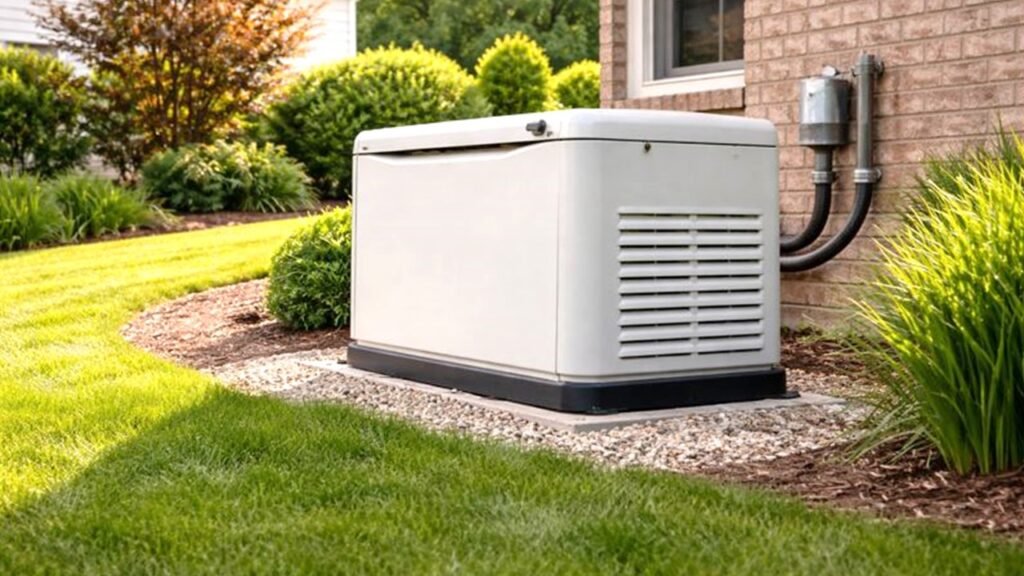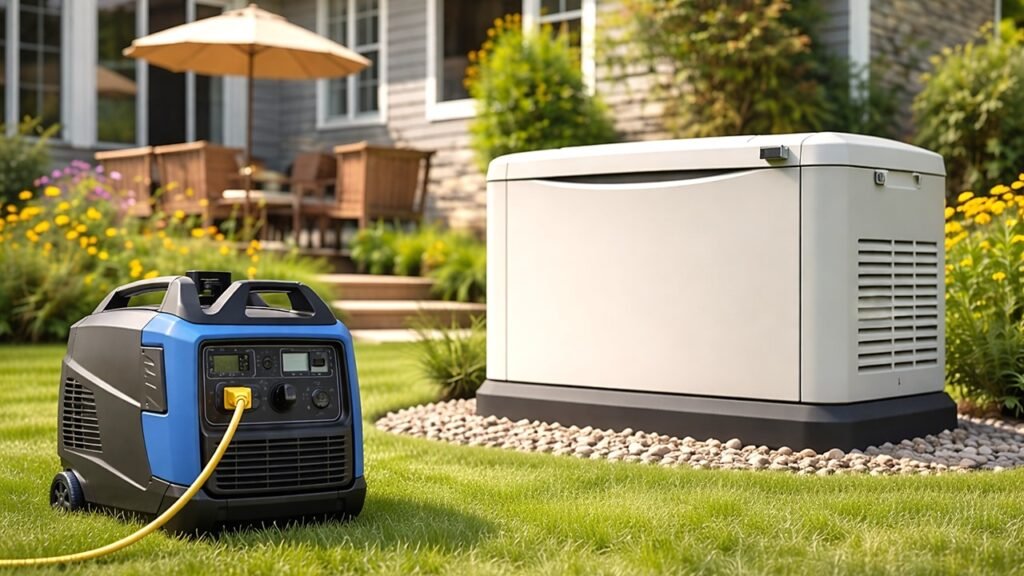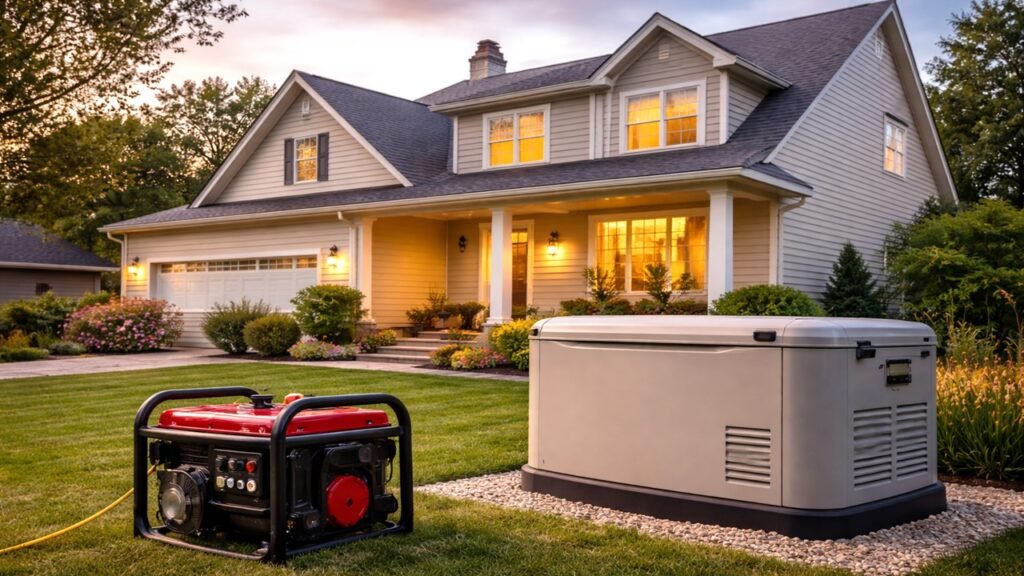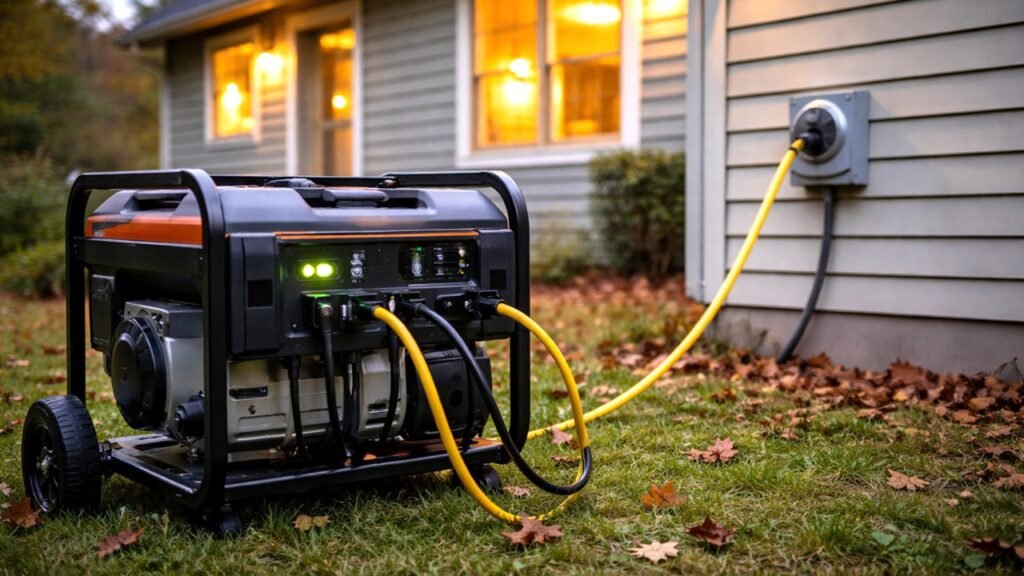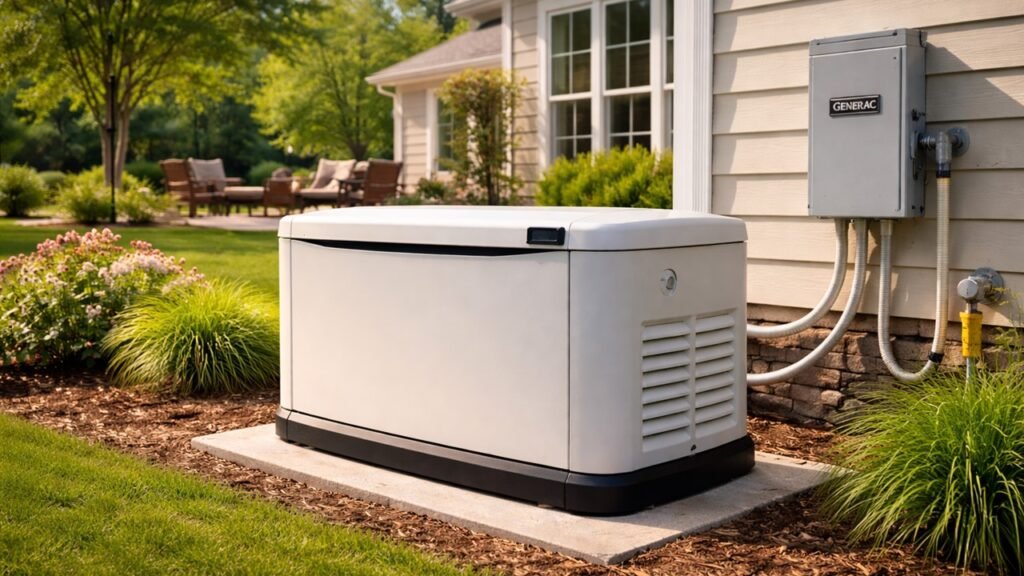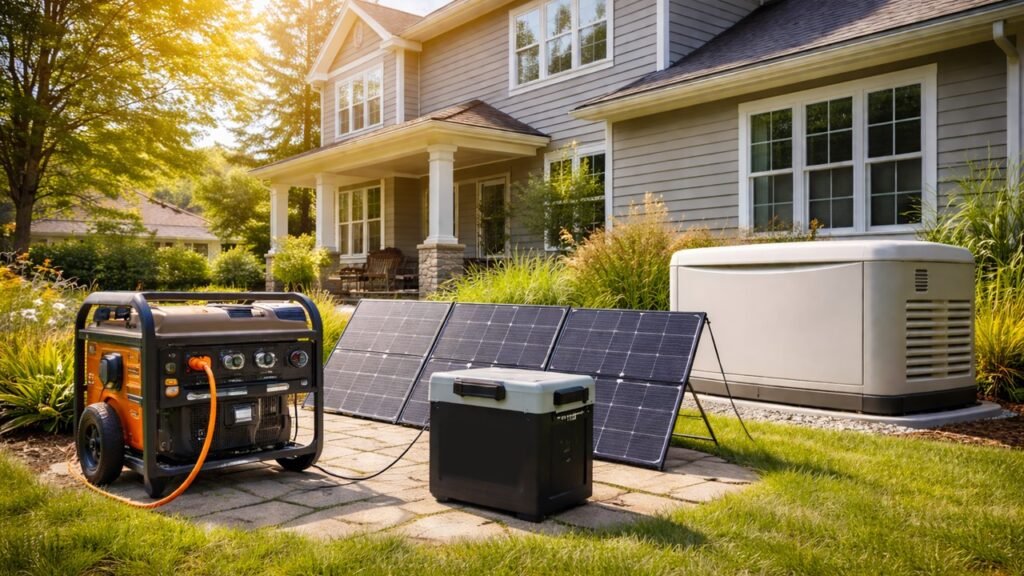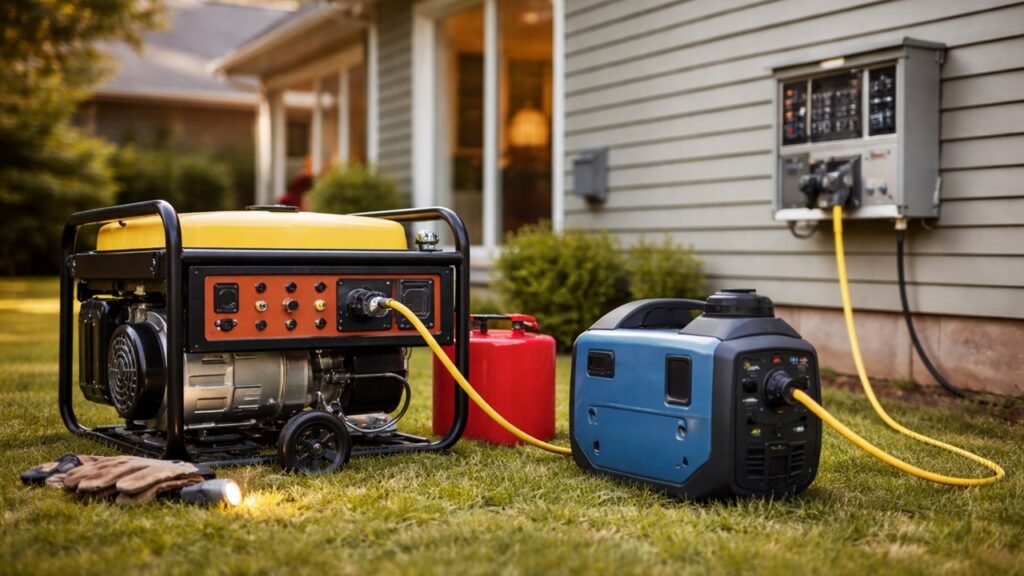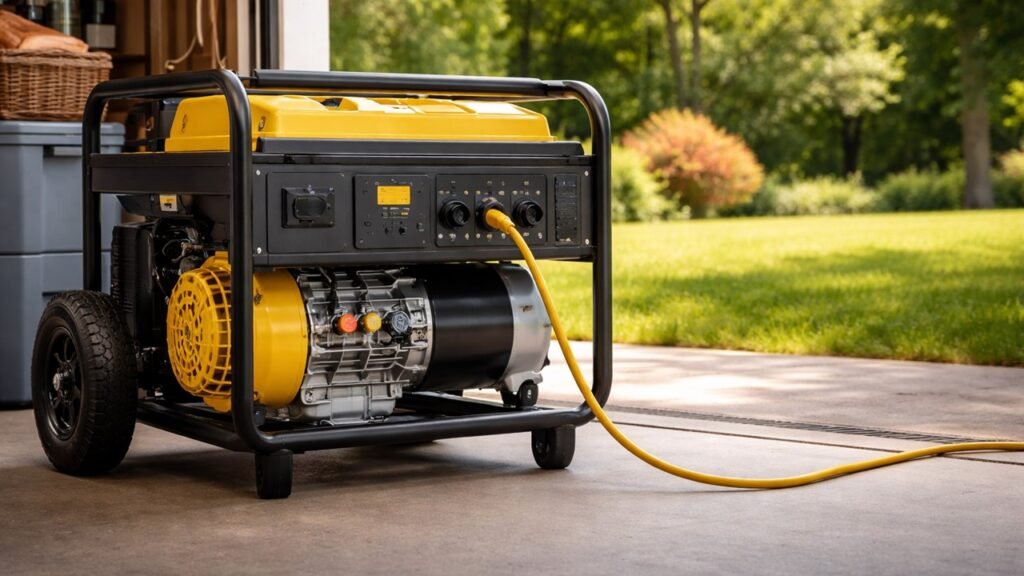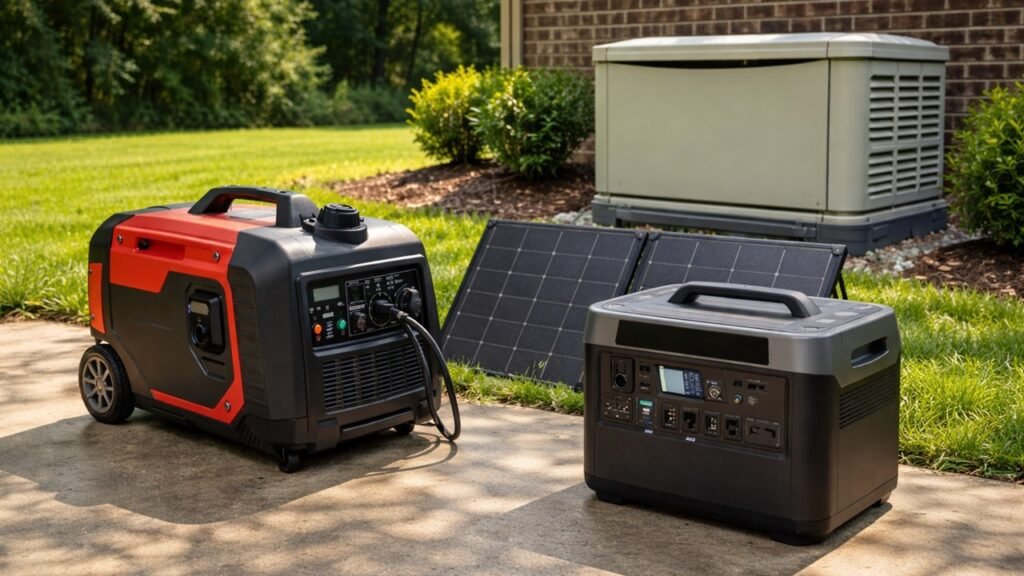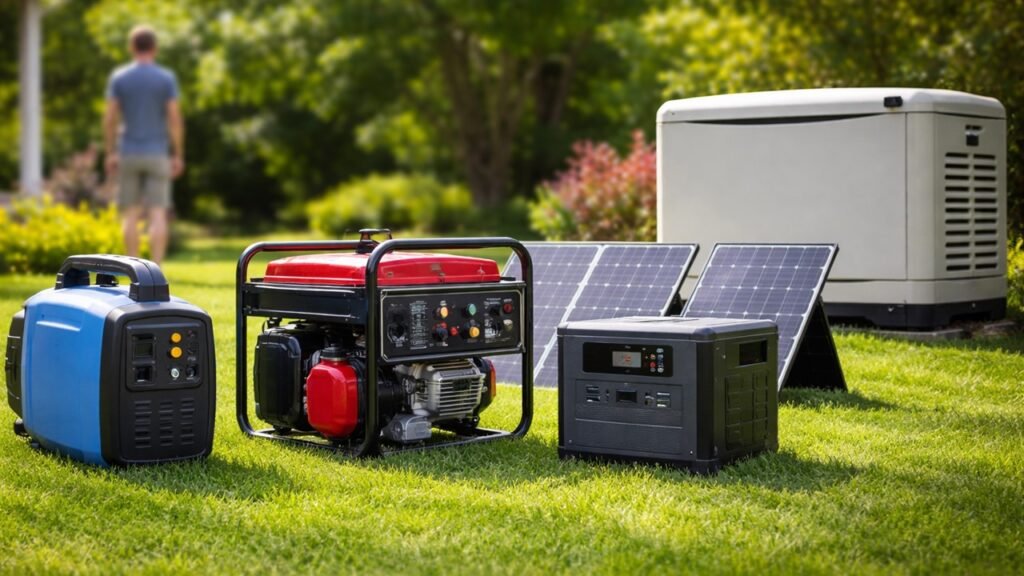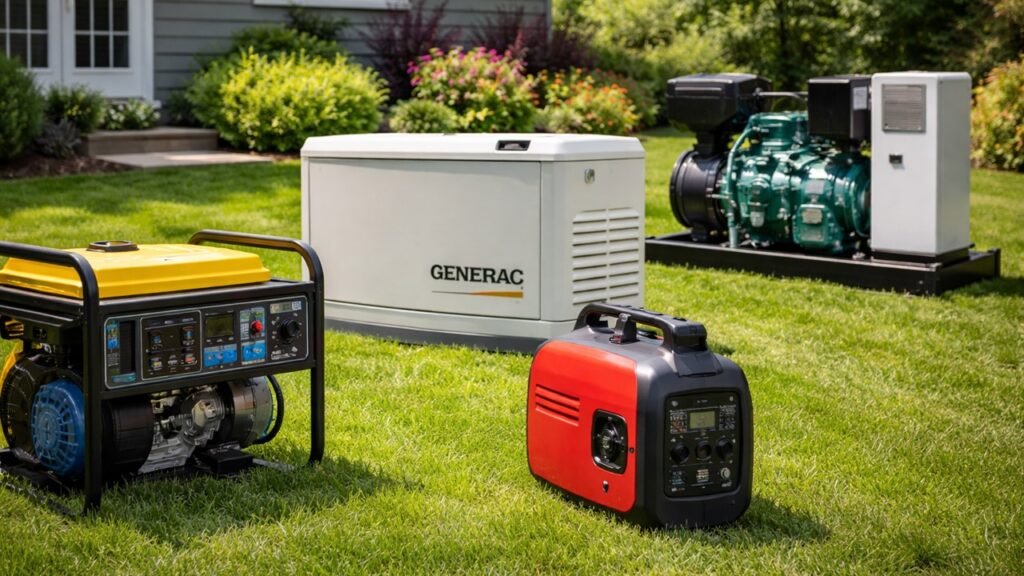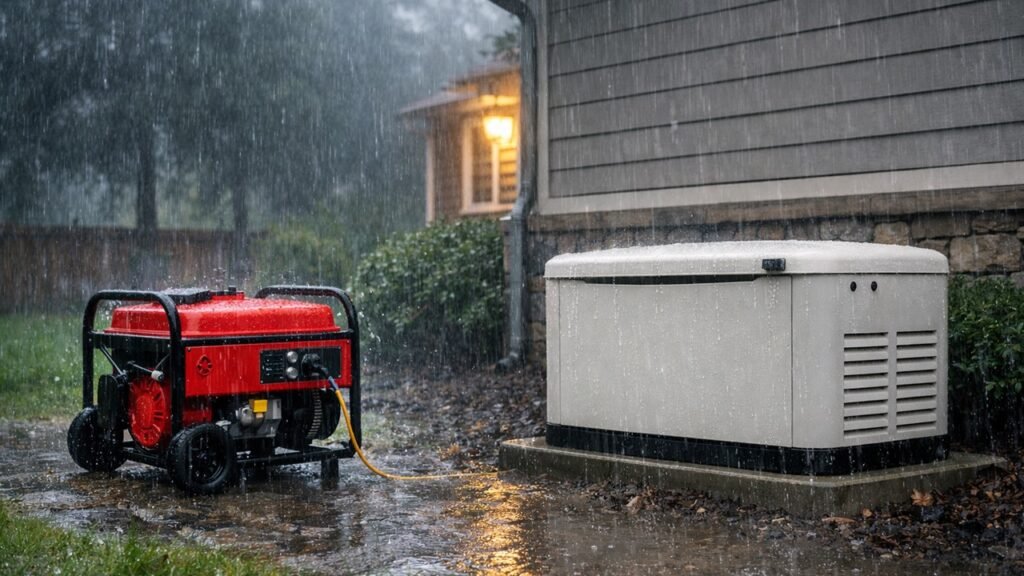
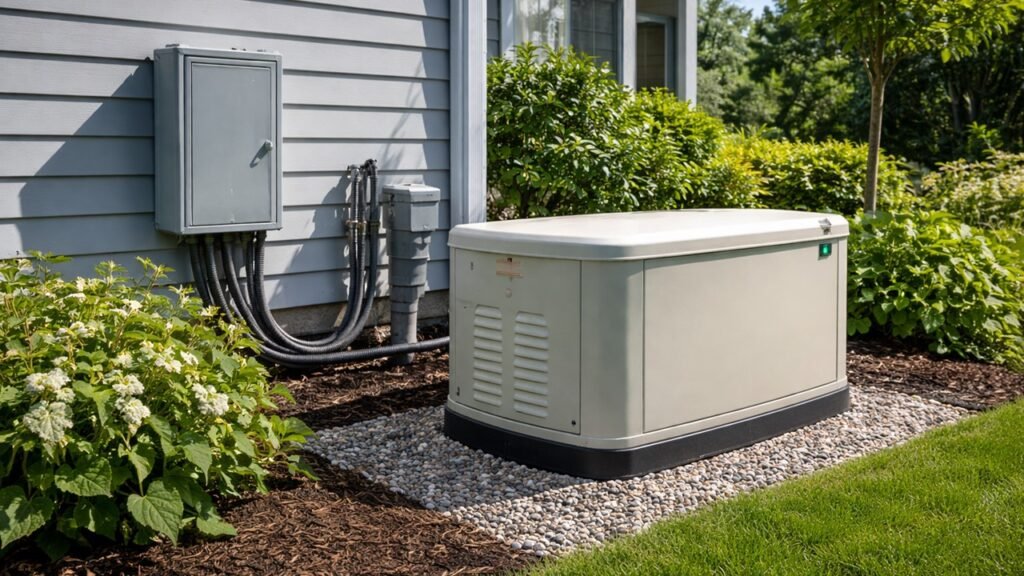
A whole house generator can run continuously for several days, and in some cases weeks, depending on the fuel type, electrical load, and maintenance schedule. If you are connected to natural gas, your whole house generator can technically run as long as the gas supply remains active. If you use propane or diesel, runtime is limited by how much fuel you have stored on site.
Here is the practical truth. Fuel determines how long your generator can keep running. Maintenance determines how long it can keep running safely. Most residential standby generators are built for extended outages, but they are not designed to run forever without oil checks, cooling breaks, and load management.
Key Summary:
- A whole house generator can run continuously for several days, depending on fuel type and maintenance.
- Natural gas generators provide the longest potential runtime because they connect to a continuous fuel supply.
- Propane and diesel generators depend on tank size, which directly limits how long they can operate.
- Oil maintenance intervals, typically every 100 to 200 hours, limit safe continuous operation.
- Lower electrical load reduces fuel consumption and extends overall runtime.
Whole House Generator Runtime by Fuel Type
The fuel type is the biggest factor that determines how long a whole house generator can run continuously. Some fuels provide near unlimited supply. Others are restricted by tank size.
Natural Gas Whole House Generators
A natural gas whole house generator connects directly to your home’s gas line. A direct gas connection removes the need for refueling.
In real-world terms, this means a natural gas standby generator can run for days or even weeks during a long outage. The only things that stop it are maintenance intervals, overheating, or a disruption in gas service.
Most manufacturers recommend checking or changing the oil every 100 to 200 hours of continuous use. That equals roughly 4 to 8 days of nonstop operation. Ignoring oil service shortens engine life and increases the risk of shutdown.
It is also important to remember that natural gas supply depends on the utility grid. In rare disaster situations, gas pressure issues can limit runtime.
Propane Whole House Generators
A propane whole house generator relies on a dedicated storage tank. Tank size directly determines runtime.
Typical residential setups include:
- 250 gallon tank for smaller homes or essential circuits
- 500 gallon tank for average size homes
- 1000 gallon tank for extended outage protection
A 500 gallon propane tank can usually power a whole house generator for about 7 to 10 days under moderate load. Heavy electrical usage reduces that window. Running central air conditioning or electric heat increases fuel consumption significantly.
Propane does have one big advantage. It does not degrade over time. Long shelf life makes propane reliable for long-term emergency planning.
Diesel Whole House Generators
A diesel whole house generator stores fuel on site. Stored fuel volume limits continuous runtime.
Diesel engines are known for durability and fuel efficiency. A diesel standby generator often consumes less fuel per kilowatt hour compared to gasoline models. That efficiency helps extend runtime if you have enough fuel stored.
The challenge is storage and refueling. Diesel must be safely stored, and during widespread outages, fuel delivery can become difficult. For residential use, diesel is less common than natural gas or propane, but it remains a strong option in rural areas without gas lines.
Average Continuous Runtime Comparison
Here is a realistic comparison of how long a whole house generator can run continuously under normal residential conditions. These estimates assume moderate load and proper maintenance.
| Fuel Type | Typical Continuous Runtime | What Usually Stops It |
| Natural Gas | Several days to weeks | Oil maintenance or gas interruption |
| Propane | 5 to 14 days per tank | Tank size and refill timing |
| Diesel | 2 to 10 days per tank | Fuel storage capacity |
The key takeaway is simple. Natural gas offers the longest potential runtime because fuel flows continuously. Propane and diesel provide predictable runtime based on stored fuel. All systems require oil checks, airflow clearance, and load management during extended operation.
What Actually Limits Continuous Generator Operation
A whole house generator does not usually stop because it runs out of power capacity. It stops because of maintenance requirements, overheating, or fuel interruption. Oil breakdown, heat buildup, and neglected service intervals are the real limits on continuous operation.
Fuel may determine how long the generator can run. Maintenance determines how long it should run safely. Below are the key factors that limit nonstop use in real-world conditions.
Oil Change and Maintenance Intervals
Oil degrades faster during continuous operation. Engine heat breaks down lubrication over time.
Most residential standby generators require an oil change every 100 to 200 hours of runtime. That equals roughly 4 to 8 days of nonstop use. Skipping oil service increases engine wear and can trigger automatic shutdown.
Air filters, spark plugs, and fuel filters also need inspection during extended outages. Preventive maintenance protects engine longevity and ensures stable output voltage.
Cooling and Heat Management
Heat is a major limiting factor in long outages.
Air-cooled generators rely on steady airflow around the unit. Blocked vents, debris, or high outdoor temperatures can cause overheating. Liquid-cooled systems handle heat better and are often used in higher capacity standby models.
Proper clearance around the generator and regular inspection of the cooling system help prevent unexpected shutdowns.
Engine Wear and Mechanical Stress
Running at maximum capacity increases mechanical stress.
Engines last longer when operating at moderate load instead of full load. Continuous heavy demand accelerates wear on internal components.
Well-sized generators that operate at 50 to 70 percent load typically experience less strain and more stable long-term performance.
How Electrical Load Affects Runtime
Electrical load directly affects fuel consumption and engine stress. The more appliances running at the same time, the more fuel the generator burns per hour. Higher load also increases operating temperature.
Running only essential circuits such as refrigeration, lighting, and heating systems reduces fuel usage. Lower demand extends runtime and reduces wear on internal components.
Whole house does not always mean every appliance must run. Smart load management improves efficiency and allows the generator to operate longer between service intervals.
Can a Whole House Generator Run for Days or Weeks?
Yes, a whole house generator can run for days, and in some cases weeks, if fuel supply and maintenance are managed properly. Natural gas systems offer the longest potential runtime because they are connected to a continuous fuel source.
Propane and diesel models can also run for extended periods, but only if sufficient fuel is stored on site. Once the tank is empty, operation stops until refueling occurs.
The key is oversight. Checking oil levels, monitoring load, and ensuring proper airflow allow standby generators to handle long outages safely. Without maintenance planning, even the best system will eventually shut down.
Final Verdict
A whole house generator can run continuously for extended periods, but runtime depends on fuel type, maintenance, and electrical load. Natural gas offers the greatest potential for nonstop operation. Propane and diesel depend on tank size and refueling access.
Maintenance is the true limiting factor. Oil changes, cooling airflow, and routine inspections determine how long the generator can safely operate without damage.
If you are preparing for long outages, focus on fuel planning, proper generator sizing, and regular service. A well-maintained standby generator can power your home reliably for days or even weeks when needed.
Related FAQs
How many hours can a whole house generator run nonstop?
Most standby generators can run 100 to 200 hours before needing an oil change. With proper maintenance and fuel, they can operate for several days continuously.
Can a whole house generator run 24 hours a day?
Yes, a whole house generator is designed to run 24 hours a day during an outage. Regular oil checks and proper ventilation are required for safe operation.
Can a natural gas generator run indefinitely?
A natural gas generator can run as long as gas supply remains active and maintenance is performed. Oil service intervals still apply.
How long will a 500 gallon propane tank run a whole house generator?
A 500 gallon propane tank typically powers a whole house generator for 7 to 10 days under moderate load. Higher usage reduces runtime.
Do whole house generators need to be shut off to cool down?
Most air cooled models require periodic shutdown for inspection and oil service. Liquid cooled systems handle extended operation better.
What happens if you run a generator too long?
Running too long without maintenance can cause overheating, oil breakdown, and engine damage. Modern systems may shut down automatically to prevent failure.

Robert Caldwell writes in-depth guides and reviews focused on generators, backup power systems, and portable energy equipment. His work is grounded in hands-on testing, covering fuel types, runtime performance, noise levels, and real-world reliability. He helps homeowners, RV owners, and outdoor users choose dependable power solutions with confidence. Every article emphasizes clear explanations, safe operation, and long-term value.