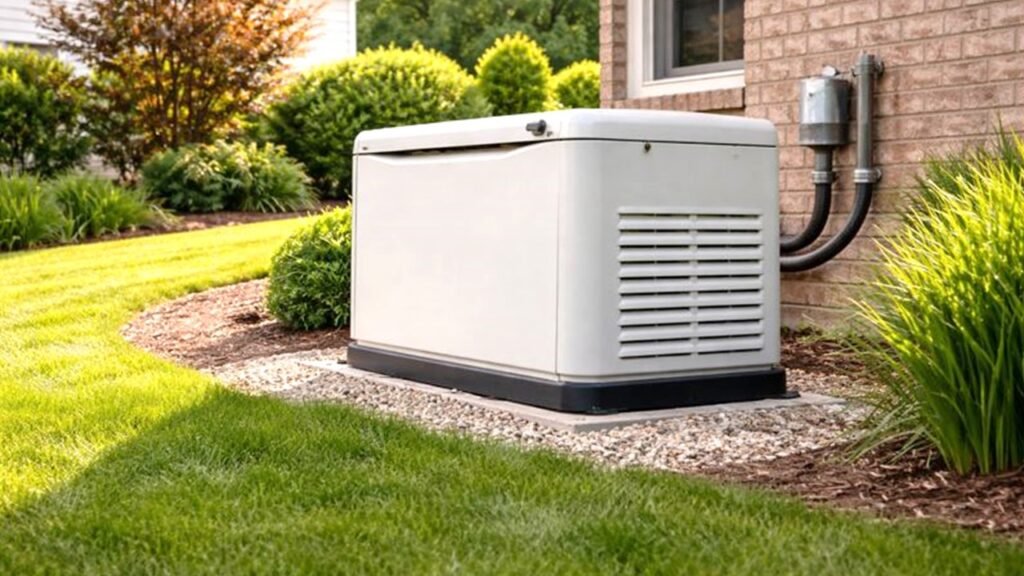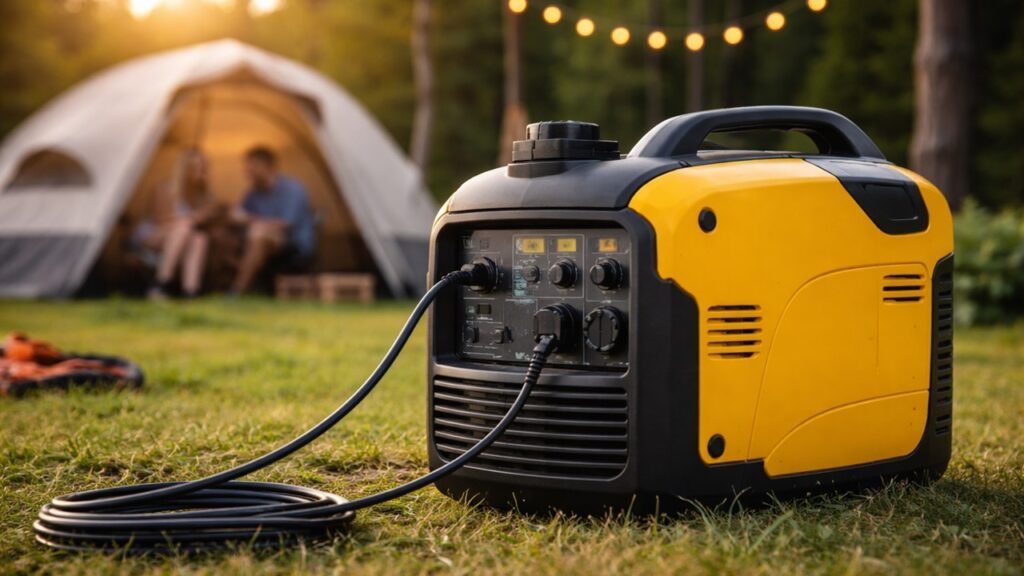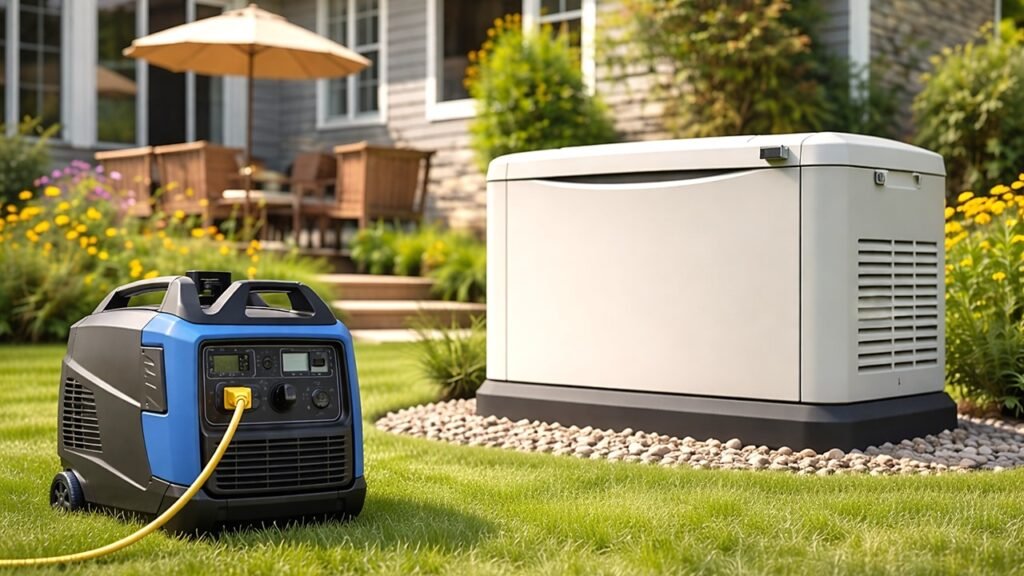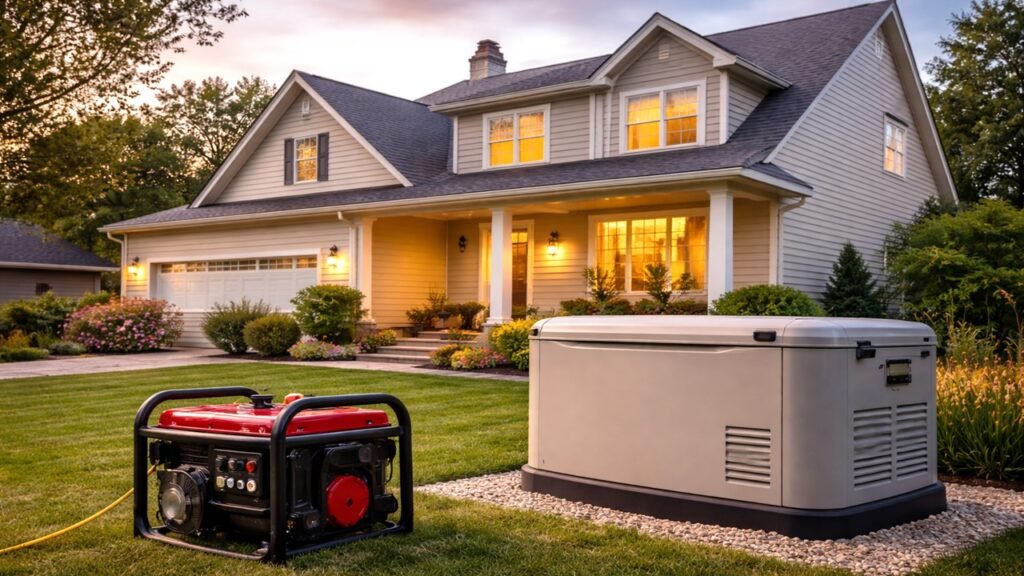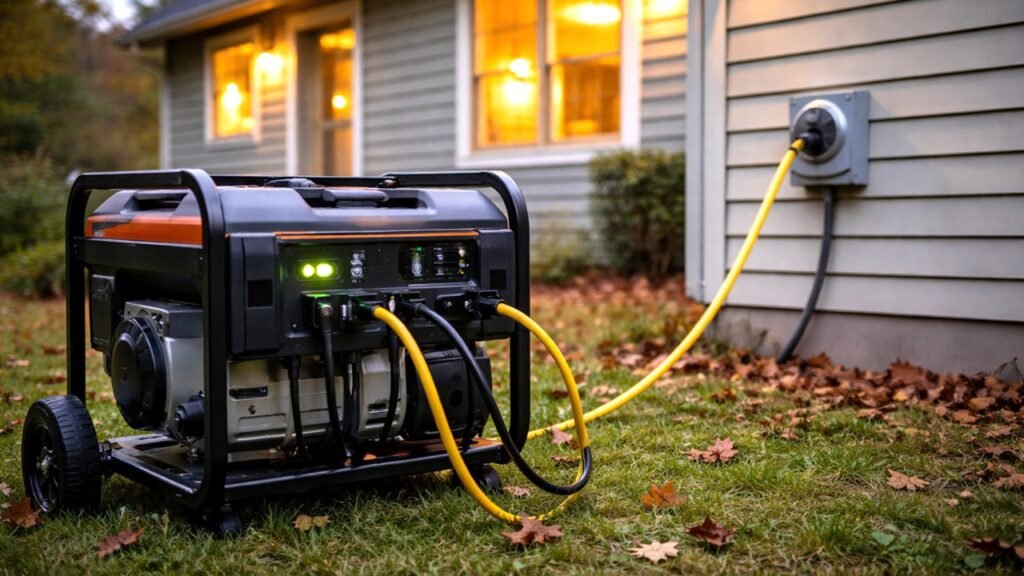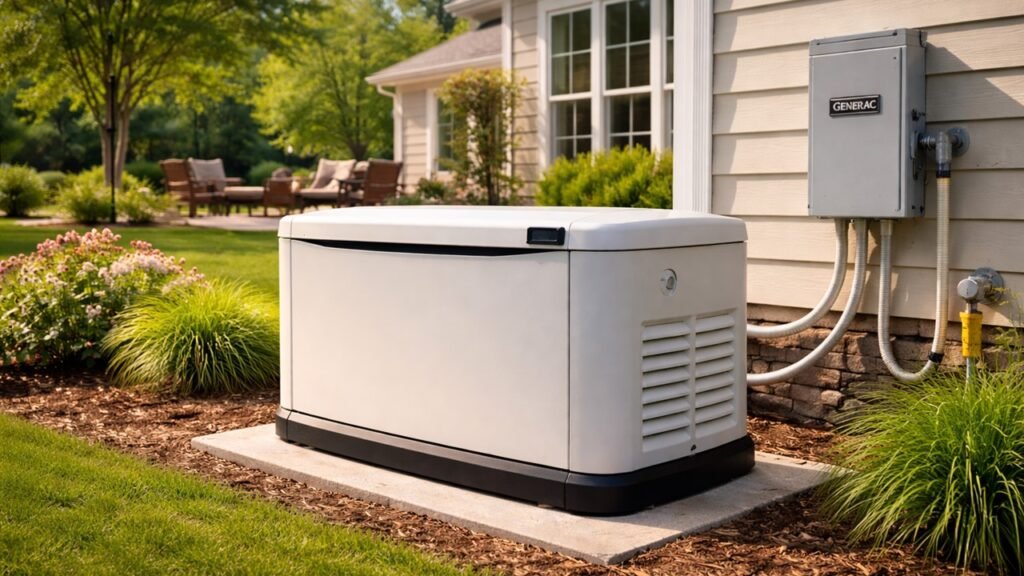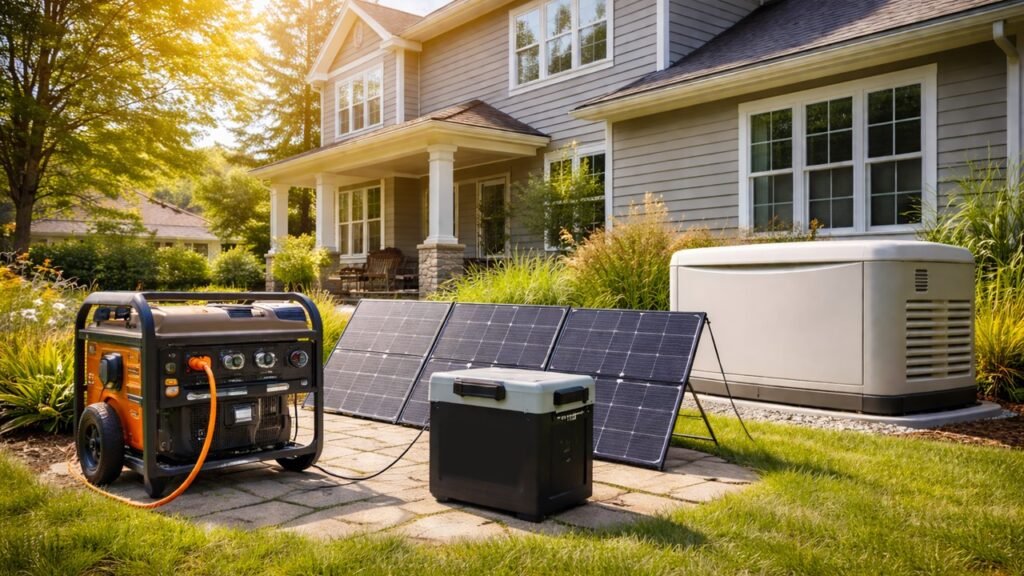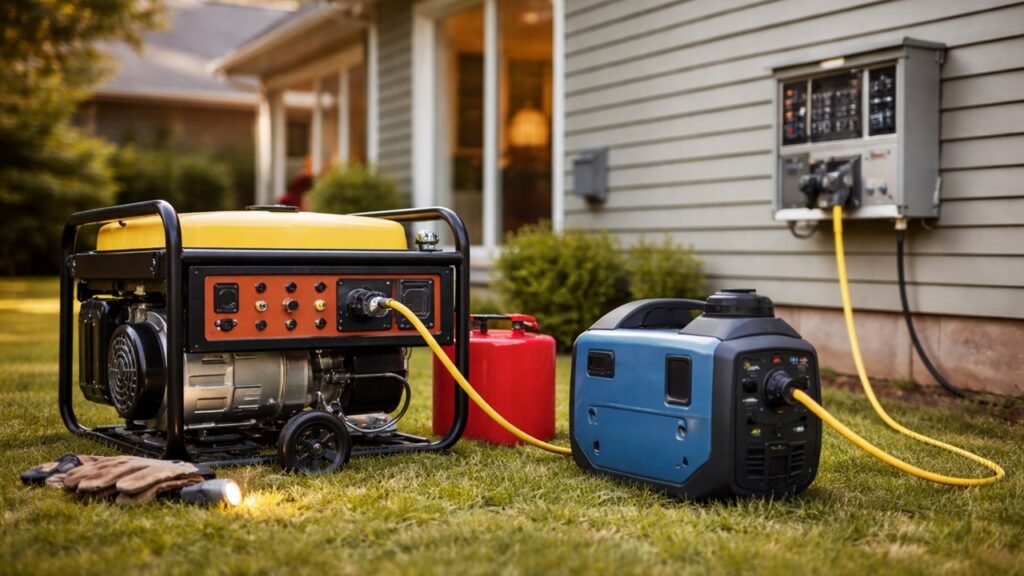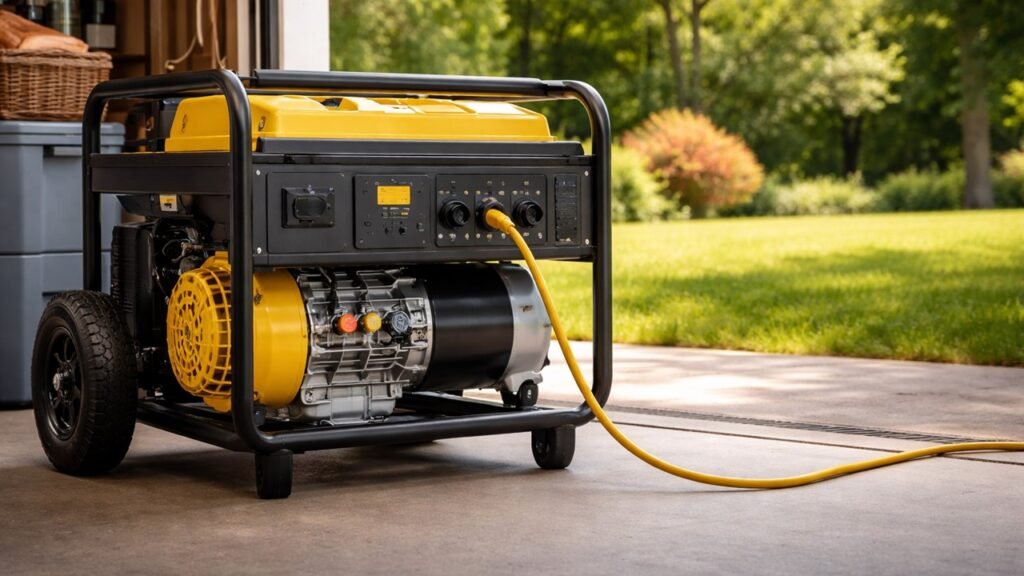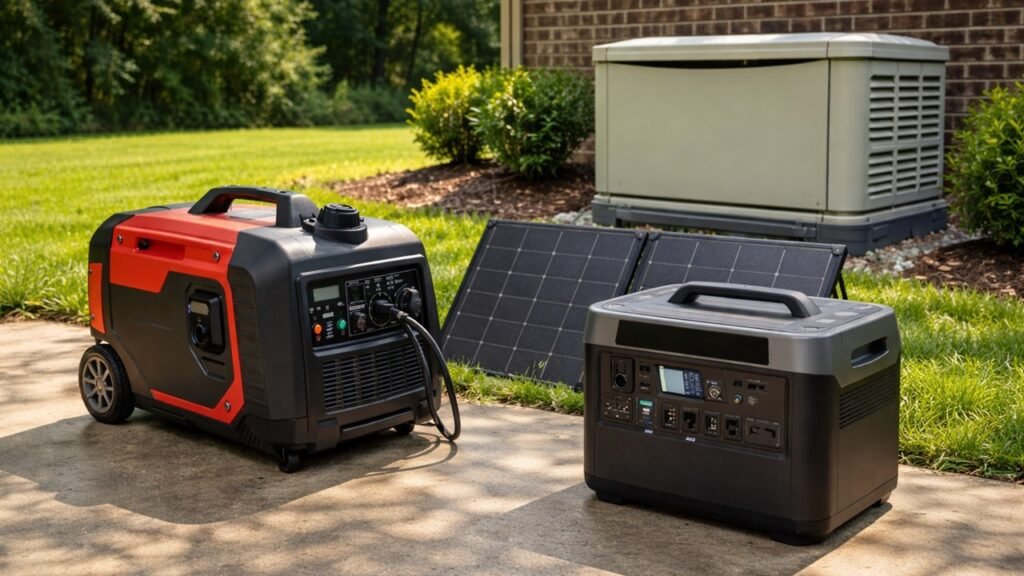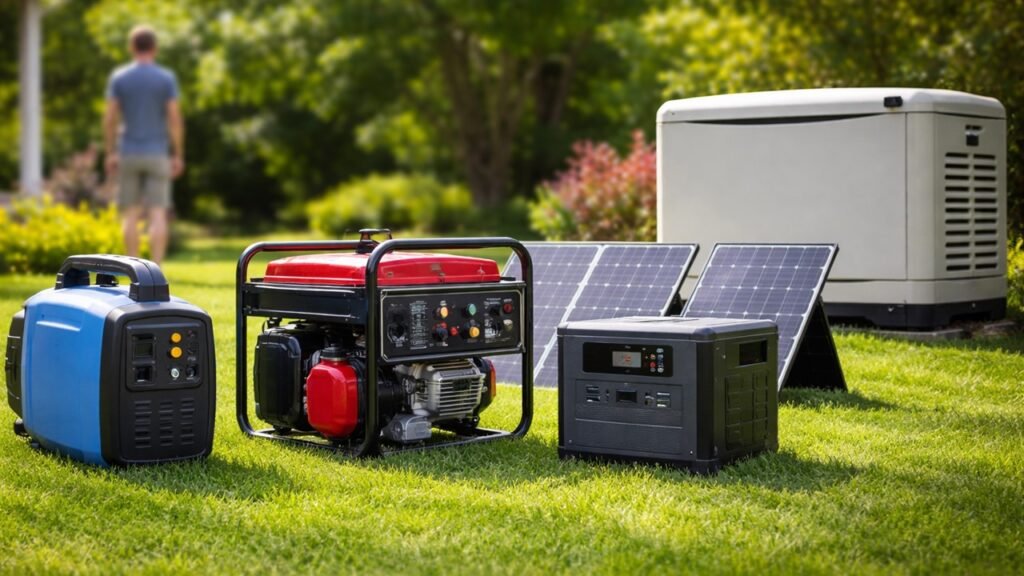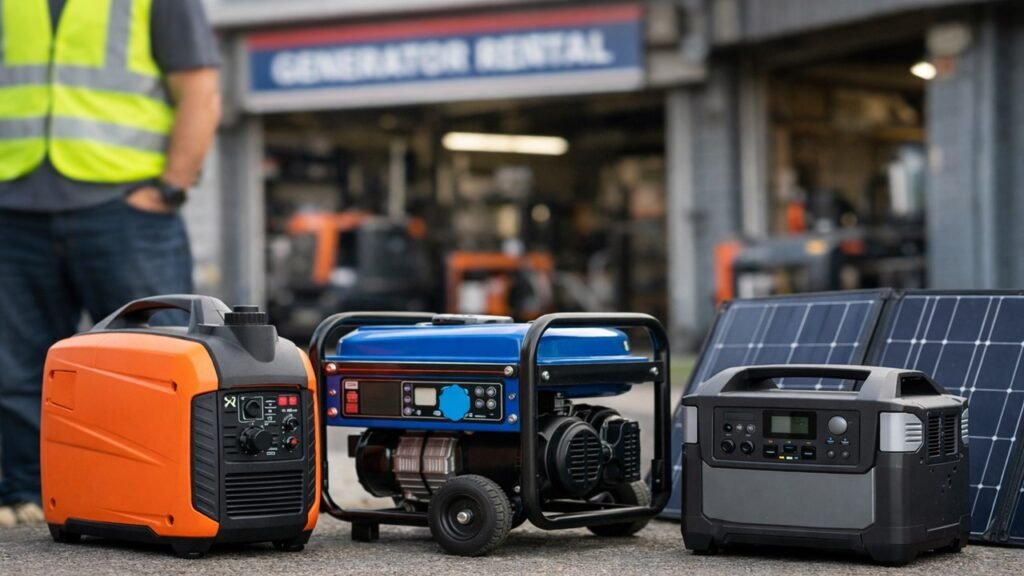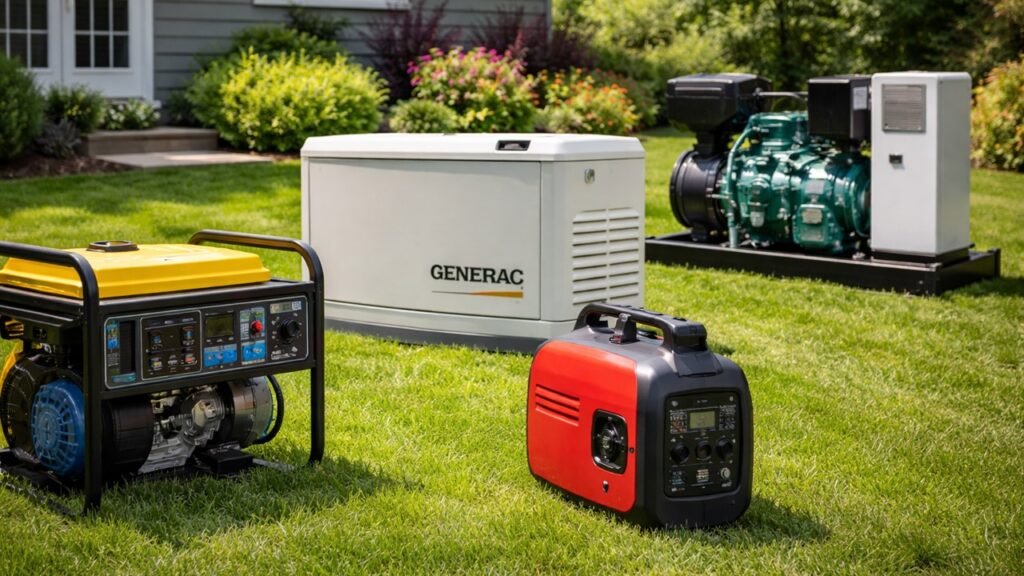
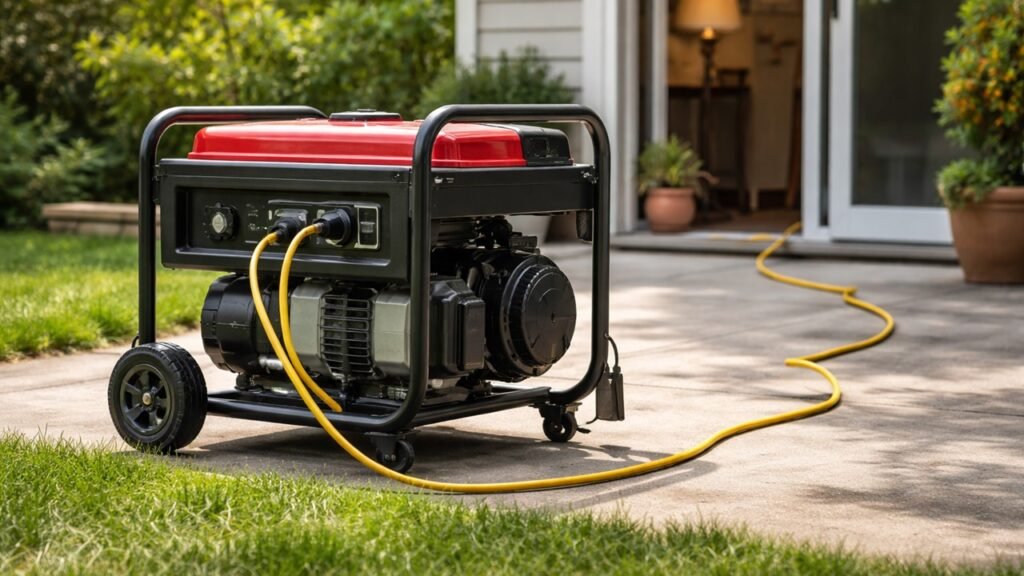
If you’re wondering how long a portable generator can run continuously, the honest answer is this: most models run between 6 and 18 hours on a single tank of fuel. The exact number depends on how big the tank is, how much power you’re using, and the type of generator you own.
Portable generators are built for temporary power. They are great during outages, job sites, or camping trips. But they are not designed to run nonstop for days without breaks, oil checks, and refueling. Understanding these limits helps you avoid engine damage and unexpected shutdowns.
Key Summary:
- Most portable generators run for 6 to 18 hours per tank at 50 percent load. Smaller units average 5 to 8 hours, while larger models can reach up to 18 hours depending on tank size and demand.
- Electrical load directly affects runtime. Higher wattage appliances increase fuel consumption and reduce operating hours.
- Fuel type influences continuous operation. Diesel generators typically run longer per gallon than gasoline, while propane runtime depends on tank size.
- Continuous 24 hour operation requires maintenance checks. Most manufacturers recommend inspecting engine oil every 8 hours during extended use.
- Proper load management and regular maintenance extend generator lifespan. Well-maintained portable generators typically last 1,000 to 3,000 total operating hours.
How Long Can a Portable Generator Run on One Tank?
In real-world use, most portable generators will run somewhere between 6 and 18 hours on one tank at about 50 percent load. Smaller models with 1 to 3 gallon tanks may only last 5 to 8 hours. Larger units with 5 to 8 gallon tanks can stretch closer to 10 to 18 hours.
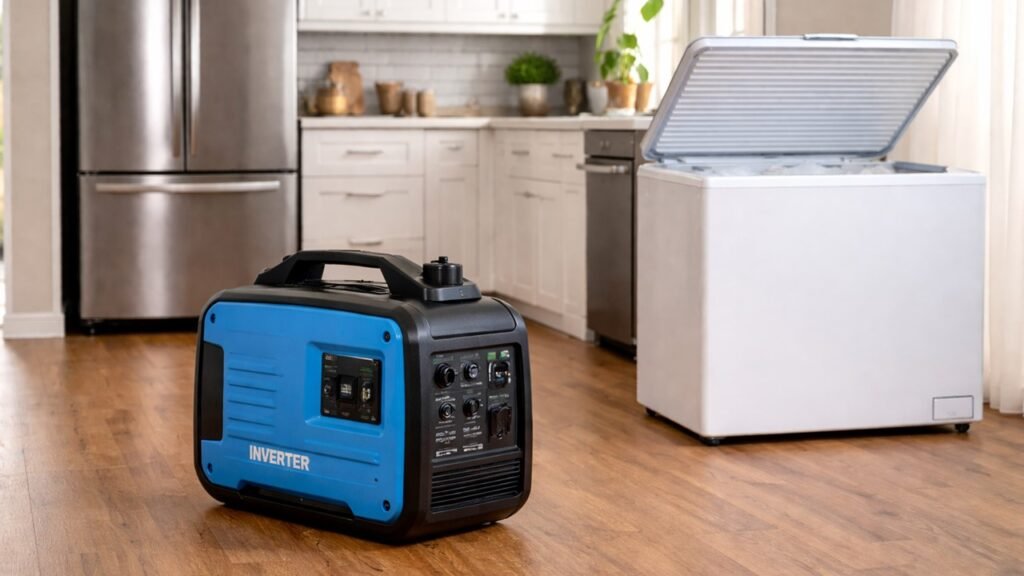
Load makes a big difference. If you are only powering a refrigerator, a few lights, and charging devices, your generator will run much longer than if you are trying to power an air conditioner, space heater, or multiple heavy appliances.
Here is a general idea of what you can expect:
| Generator Size | Typical Runtime at 50% Load |
| 1,000 to 3,000 watts | 5 to 8 hours |
| 4,000 to 7,000 watts | 8 to 12 hours |
| 8,000 watts and above | 10 to 18 hours |
| Inverter generator | 8 to 16 hours |
These are averages. Always check your owner’s manual for your specific model.
Can a Portable Generator Run 24 Hours a Day?
Yes, a portable generator can run 24 hours a day during an emergency. But it should not run nonstop without attention.
To safely run a generator around the clock, you need to shut it down periodically to check the oil, let it cool slightly, and refuel it safely. Many manufacturers recommend checking the oil every 8 hours during continuous use. Ignoring that step is one of the fastest ways to shorten the life of the engine.
So while 24 hour operation is possible, it requires active management. It is not a “set it and forget it” machine.
What Limits Continuous Runtime on Portable Generators
Several factors control how long your generator can safely keep running. If you understand these, you can plan better during an outage.
Fuel Tank Size and Fuel Use
The most obvious limit is fuel. A generator can only run as long as there is fuel in the tank. Larger tanks generally mean longer runtime, but fuel burn increases when you draw more power.
Running at full capacity will empty the tank much faster than running at half load. Most generators are most efficient at around 50 to 75 percent load.
Electrical Load
The more appliances you power, the harder the engine works. High-demand devices like air conditioners, microwaves, well pumps, and heaters can dramatically reduce runtime.
Startup surges also matter. When a refrigerator or pump kicks on, it briefly draws more power than during normal operation. Those surges increase engine strain and fuel use.
Keeping your load light and steady is one of the easiest ways to extend runtime.
Maintenance Requirements
Portable generators need regular oil checks during extended use. Many models require oil inspection every 8 hours. Some even have low-oil shutoff systems to protect the engine.
If you skip oil checks during long runs, you risk overheating and serious engine damage. Following the maintenance schedule is not optional during continuous operation.
Heat and Ventilation
Generators produce heat while running. Hot weather, poor airflow, or placing the unit too close to walls can cause heat buildup. Excessive heat reduces efficiency and increases wear on internal components.
Good airflow around the unit helps it run more reliably for longer periods.
Altitude
If you live at higher elevation, your generator may produce less power. Thinner air means less oxygen for combustion, which can slightly reduce performance and efficiency. In those cases, runtime and power output can both be affected.
Carbon Monoxide Safety
Portable generators produce carbon monoxide. This is a serious safety issue during extended operation.
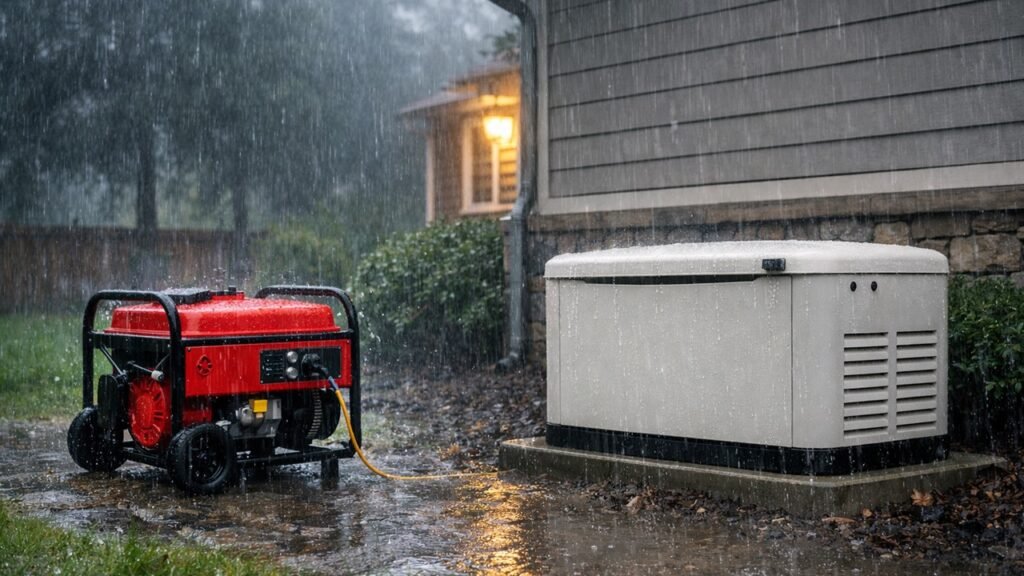
Generators should always be run outdoors, far away from doors, windows, and vents. Even during long outages, safety must come first. Never operate a generator inside a garage, shed, or enclosed space.
How Fuel Type Affects Continuous Runtime
Fuel type directly affects how long a portable generator can run because each fuel burns differently, stores differently, and delivers power differently. Gasoline is common but burns faster. Propane stores longer but may produce slightly less power. Diesel is the most fuel-efficient for long runs, but not as common in smaller portable units.
- Gasoline: Easy to find and widely used; typically provides 6 to 12 hours per tank; degrades within a few months without stabilizer; requires careful storage.
- Propane: Longer shelf life than gasoline; runtime depends on tank size, such as 20 lb, 30 lb, or larger cylinders; slightly lower power output compared to gasoline; cleaner burning.
- Diesel: More fuel-efficient; often runs longer per gallon than gasoline; better suited for heavier loads; louder and heavier units; typically more expensive upfront.
- Dual fuel models: Allow switching between gasoline and propane; runtime flexibility depends on available fuel supply; useful during extended outages.
Maintenance Requirements During Continuous Use
Portable generators can run for extended hours, but they require routine maintenance checks to prevent engine damage. Most manufacturers recommend checking oil levels every 8 hours during continuous operation.
- Oil checks: Inspect oil level every 8 hours of runtime; low oil can cause severe engine damage; many models have automatic low-oil shutoff systems.
- Oil changes: Initial oil change after break-in period; follow manufacturer schedule for ongoing changes; heavy continuous use may require more frequent service.
- Air filter inspection: Dirty air filters reduce engine efficiency; clean or replace if clogged; especially important in dusty environments.
- Spark plug checks: Worn spark plugs can cause rough running or reduced efficiency; inspect periodically during extended use.
- Scheduled shutdowns: Power down periodically to inspect the unit; perform checks during refueling breaks; never skip required maintenance intervals.
Continuous Runtime vs Total Generator Lifespan
Continuous runtime refers to how many hours a generator can run in one stretch. Total lifespan refers to how many operating hours the engine can handle over its entire life. These are two different things and often get confused.
A generator may run 10 hours per tank, but its total usable lifespan could range from 1,000 to 3,000 hours depending on build quality and maintenance.
| Generator Type | Typical Continuous Runtime | Estimated Total Lifespan |
| Small portable gasoline | 5 to 8 hours per tank | 1,000 to 1,500 hours |
| Mid-size gasoline | 8 to 12 hours per tank | 1,500 to 2,000 hours |
| Inverter generator | 8 to 16 hours per tank | 1,500 to 3,000 hours |
| Portable diesel | 10 to 24 hours per tank | 3,000 to 5,000 hours |
Proper maintenance plays a major role in reaching the upper end of these lifespan ranges.
How to Safely Extend Portable Generator Runtime
You can extend your generator’s runtime safely by managing load, improving efficiency, and following good operating practices. The goal is not just longer runtime, but safer and more reliable operation.
- Run only essential appliances: Power refrigerators, lights, and critical devices; avoid unnecessary high-wattage equipment.
- Avoid full load operation: Aim for 50 to 75 percent load for better fuel efficiency and reduced engine strain.
- Use eco mode if available: Inverter generators adjust engine speed based on demand; this improves fuel economy.
- Rotate high-demand appliances: Do not run all heavy devices at the same time; stagger usage when possible.
- Refuel safely and strategically: Shut down and cool the generator before refueling; combine oil checks with refueling breaks.
- Keep airflow clear: Place the generator in a well-ventilated outdoor area; maintain space around it for cooling.
- Use fresh fuel: Old or contaminated fuel reduces efficiency and may shorten runtime.
Safety Risks of Running a Portable Generator Too Long
Running a portable generator for extended periods without proper care increases safety and mechanical risks. Understanding these risks helps prevent costly damage and serious accidents.
- Overheating: Continuous high-load operation increases engine temperature; overheating can cause permanent engine damage.
- Accelerated wear: Long uninterrupted runs increase stress on internal components; lack of maintenance shortens lifespan.
- Fuel-related fire hazards: Refueling a hot or running generator can cause fires; spilled gasoline is highly flammable.
- Carbon monoxide exposure: Generators produce carbon monoxide; operating indoors or near openings can be deadly.
- Electrical hazards: Improper connections can cause backfeeding; use proper extension cords and transfer switches.
Conclusion
Most portable generators can run between 6 and 18 hours on one tank, depending on fuel type, tank size, and electrical load. While 24 hour operation is possible during emergencies, it requires careful monitoring, regular oil checks, and safe refueling practices.
Fuel choice, maintenance habits, and load management all play major roles in how long your generator can safely operate. Gasoline is common and convenient, propane stores longer, and diesel offers strong fuel efficiency for extended use.
If you rely on a portable generator during outages, treat it like the hardworking engine it is. Manage the load, follow maintenance schedules, and prioritize safety. Doing so will help you get the most reliable performance and longest lifespan from your equipment.
Related FAQs
How long can a portable generator run continuously on one tank?
Most portable generators run between 6 and 18 hours on one tank at about 50 percent load. Smaller units may last 5 to 8 hours, while larger models can reach 10 to 18 hours depending on fuel capacity.
Can I run a portable generator overnight?
Yes, you can run a portable generator overnight, but it must be placed outdoors with proper ventilation. You should check oil levels regularly and never refuel while the engine is hot.
Is it safe to run a portable generator 24 hours a day?
It can run 24 hours during an outage, but it requires shutdowns for refueling, oil checks, and cooling. Continuous operation without maintenance can damage the engine.
What happens if you run a generator too long?
Running a generator too long without maintenance can cause overheating, oil breakdown, and accelerated wear. This may shorten the engine’s total lifespan.
Does running at full load reduce generator runtime?
Yes, running at full load increases fuel consumption and heat buildup. Operating at 50 to 75 percent load usually provides better fuel efficiency and longer runtime.
How often should you check oil during continuous use?
Most manufacturers recommend checking oil every 8 hours of operation. Skipping oil checks during long runs can lead to serious engine damage.

Robert Caldwell writes in-depth guides and reviews focused on generators, backup power systems, and portable energy equipment. His work is grounded in hands-on testing, covering fuel types, runtime performance, noise levels, and real-world reliability. He helps homeowners, RV owners, and outdoor users choose dependable power solutions with confidence. Every article emphasizes clear explanations, safe operation, and long-term value.