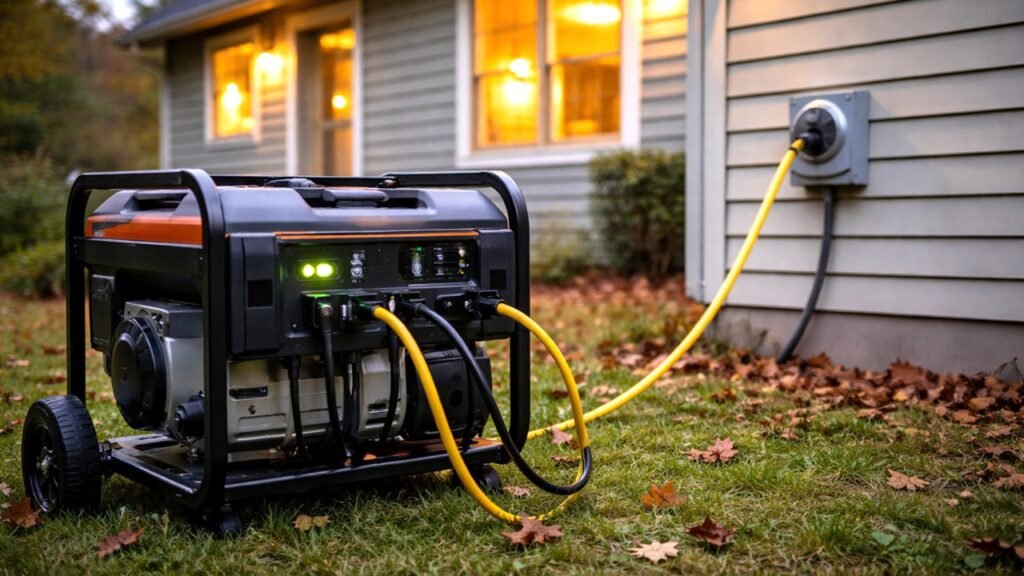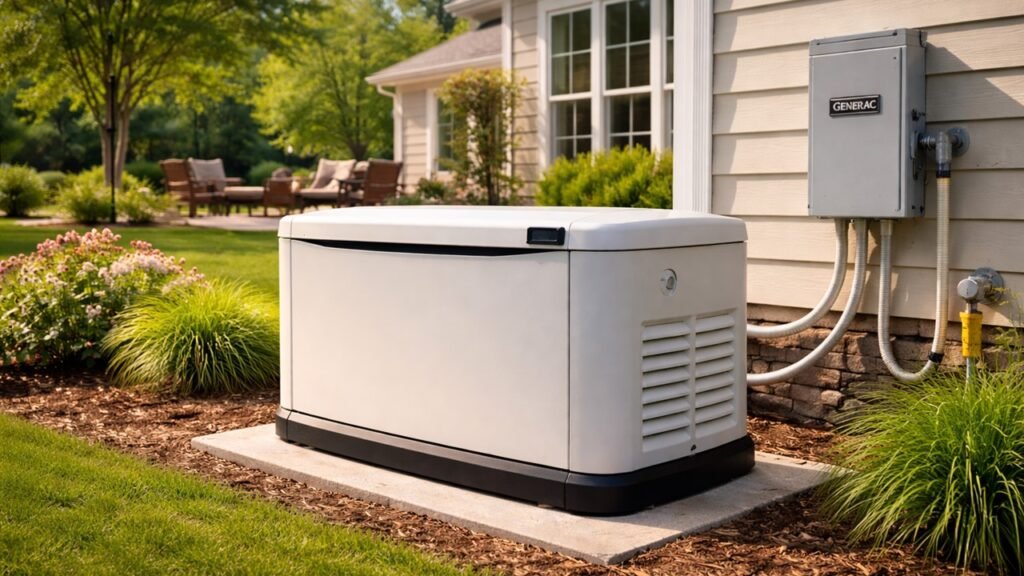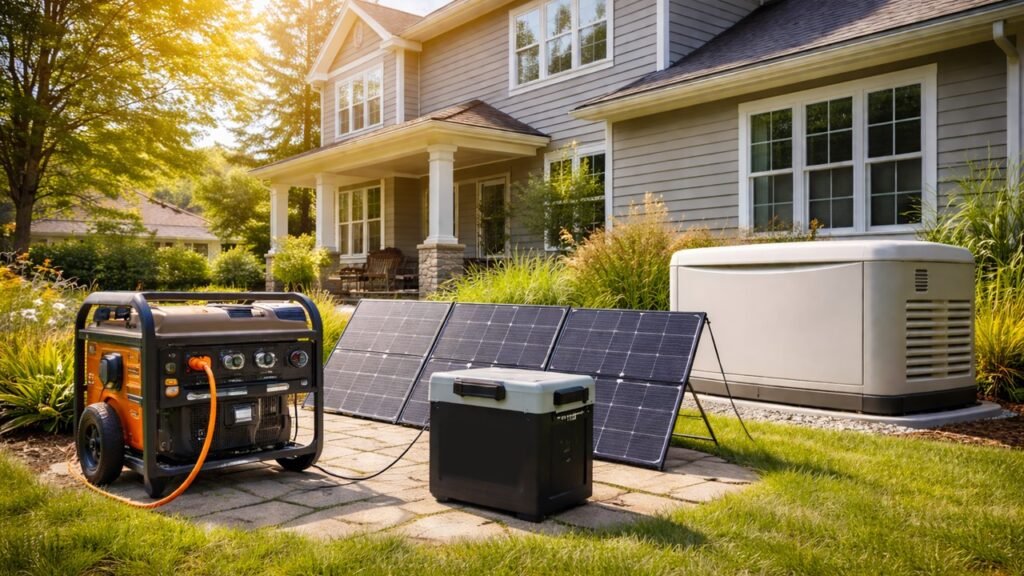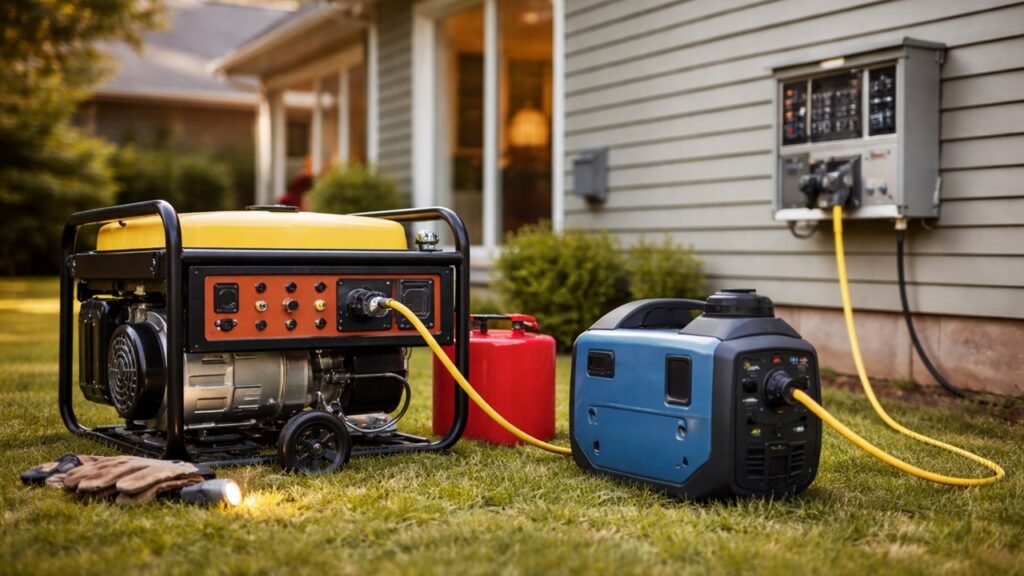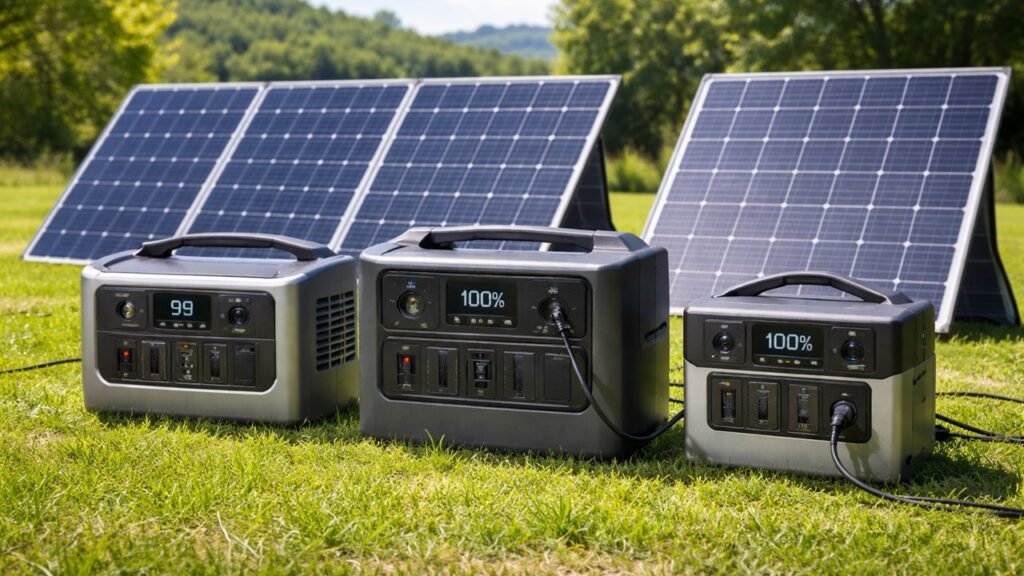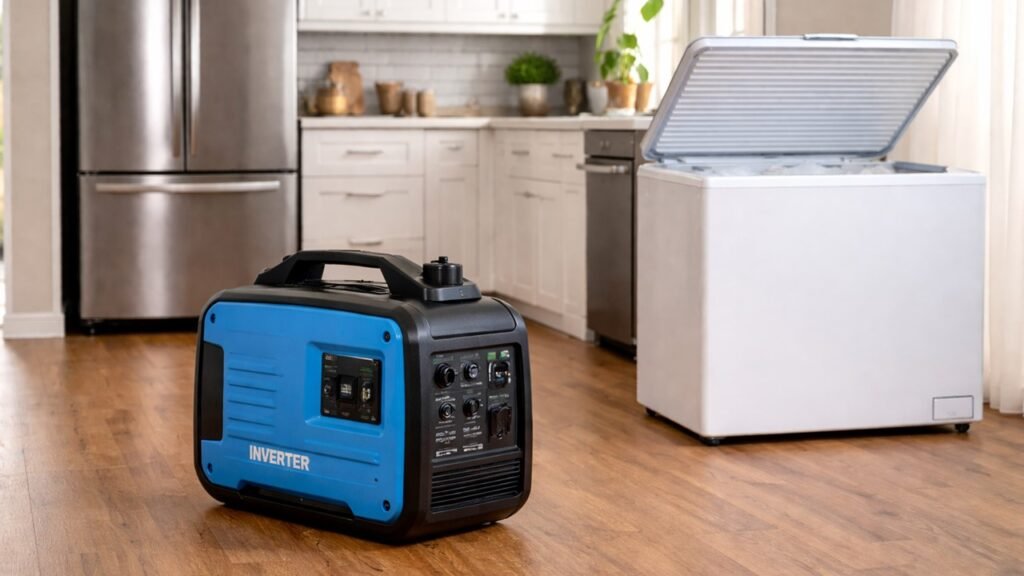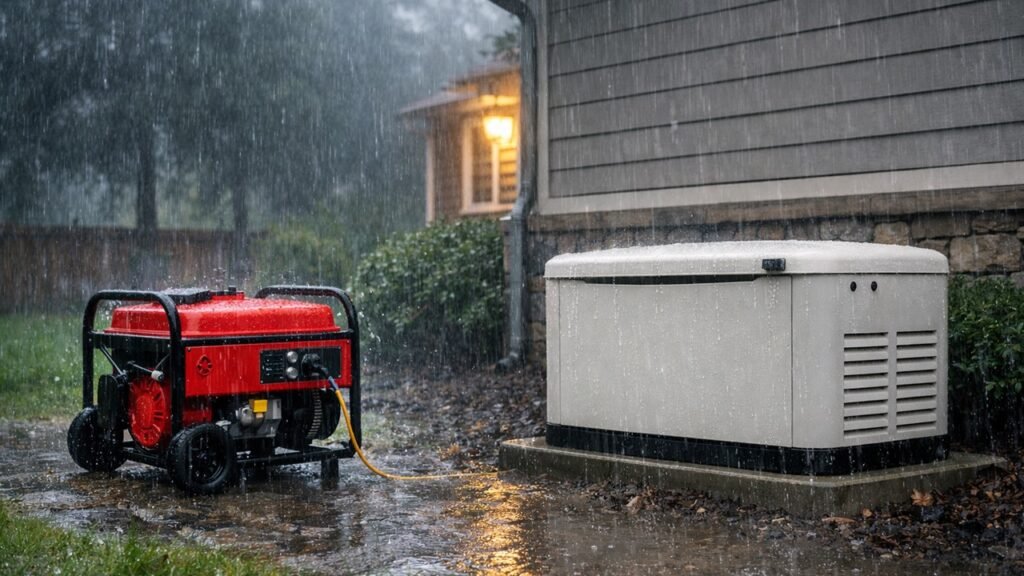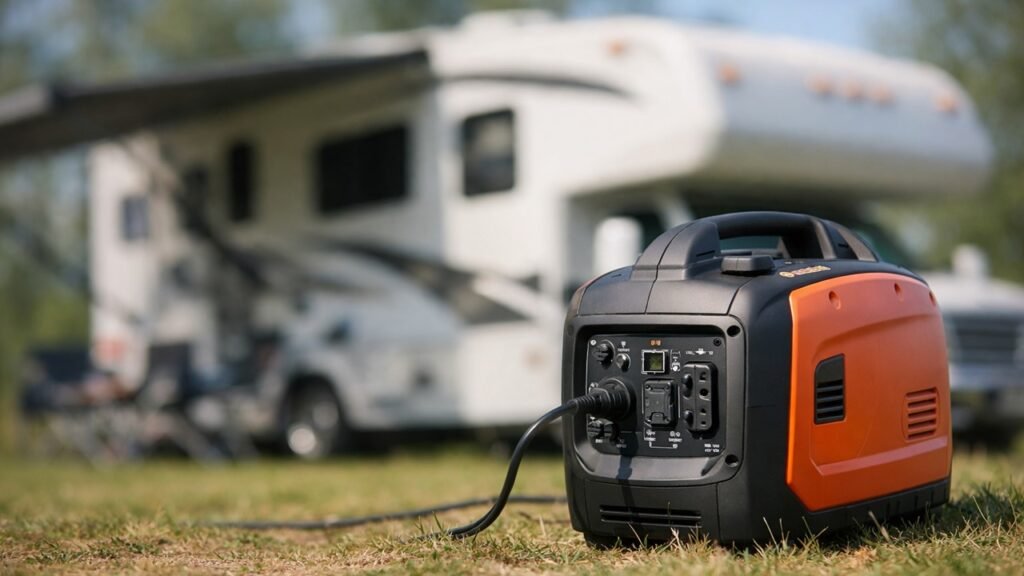
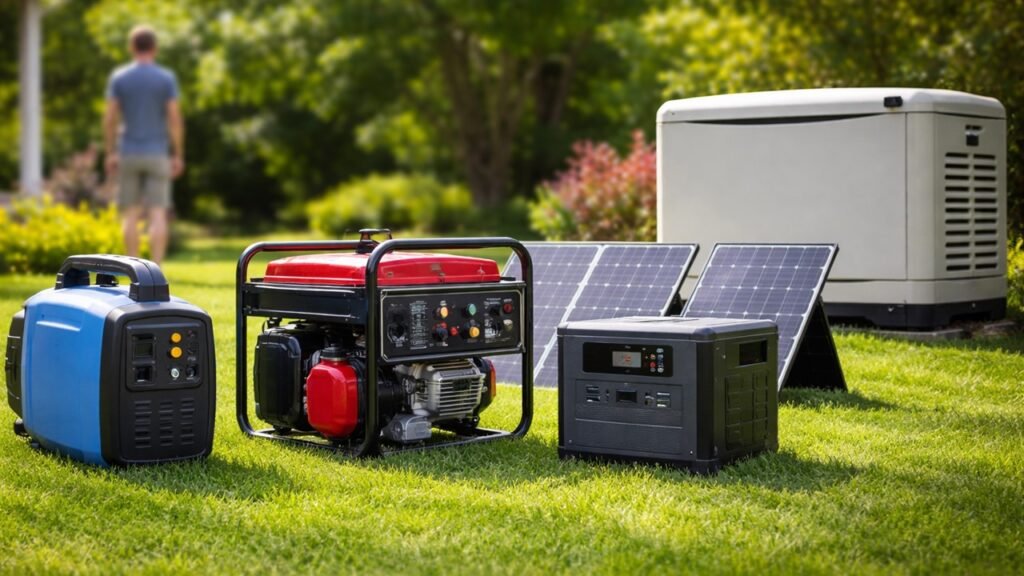
A generator can run anywhere from a few hours to several weeks, depending on its type, fuel source, and electrical load. Most portable gasoline generators operate for 6 to 16 hours per tank, while propane and diesel models can run significantly longer. Standby generators connected to natural gas can operate for days or even weeks if fuel supply and maintenance requirements are properly managed.
In this guide, you will learn how long different types of generators can run continuously, what limits their runtime, and how fuel type and electrical load affect performance. We will also compare portable and standby models, explain real-world runtime expectations, and help you understand how to run a generator safely without damaging the engine.
How Long Can a Generator Run Continuously?
A generator can run anywhere from a few hours to several weeks, depending on its design and fuel supply. Portable generators are built for short-term outages and typically run under a day at a time. Standby and diesel generators are designed for longer operation and can run for days if properly maintained.
Several factors determine continuous runtime:
- Generator type determines endurance. Portable models are built for temporary use, while standby units are engineered for extended operation.
- Fuel supply controls how long the engine can operate. Small gasoline tanks empty quickly. Natural gas lines can supply fuel continuously.
- Electrical load affects fuel consumption. Higher load increases fuel burn and heat.
- Oil capacity determines service intervals. Many small generators require oil changes every 50 to 100 hours.
- Cooling design influences durability. Air-cooled engines overheat faster than liquid-cooled systems.
- Manufacturer guidelines define safe operating limits. Exceeding recommended runtime shortens engine life.
Typical Generator Runtime by Type
Generator runtime varies widely based on fuel type and design. The table below shows realistic continuous runtime expectations under normal operating conditions.
| Generator Type | Typical Continuous Runtime | Main Limiting Factor |
| Portable Gasoline | 6 to 16 hours | Small tank capacity |
| Portable Propane | 100 to 200 hours | External tank size |
| Standby Natural Gas | Indefinite with maintenance breaks | Oil service intervals |
| Standby Propane | 1 to 4 weeks | Tank capacity and load |
| Diesel Generator | 24 to 500+ hours | Fuel supply and maintenance |
These numbers assume the generator is running at moderate load and is serviced according to manufacturer recommendations.
How Long Can a Portable Generator Run?
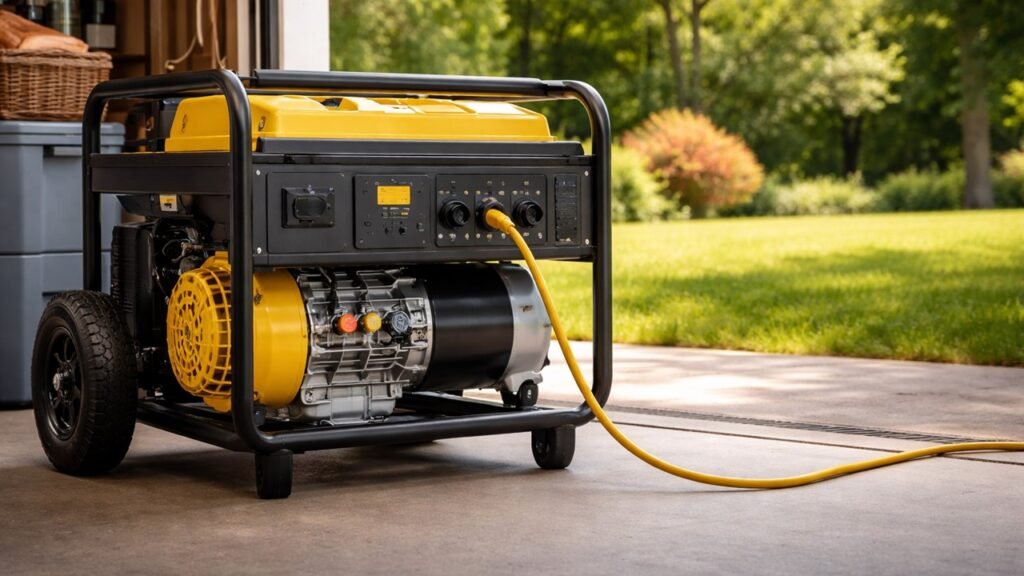
Portable generators are not designed for multi-week operation. A typical gasoline portable generator runs about 8 to 12 hours at half load on a full tank. At higher loads, runtime drops because fuel consumption increases and engine heat builds up.
Propane portable generators can run much longer when connected to larger tanks. However, they still require oil changes and periodic shutdowns for inspection. Most manufacturers recommend operating below 75 percent load for extended runtime to reduce wear.
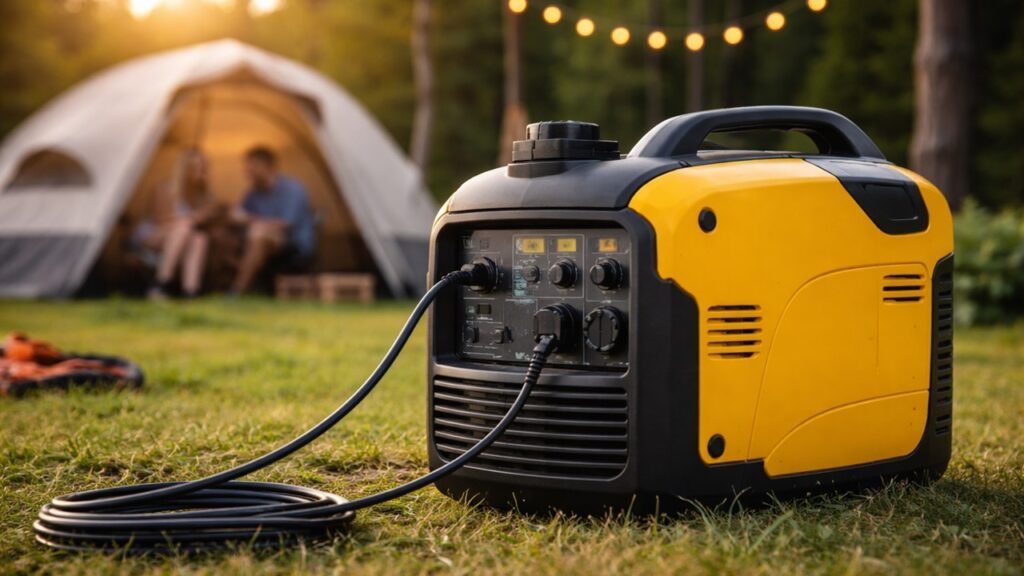
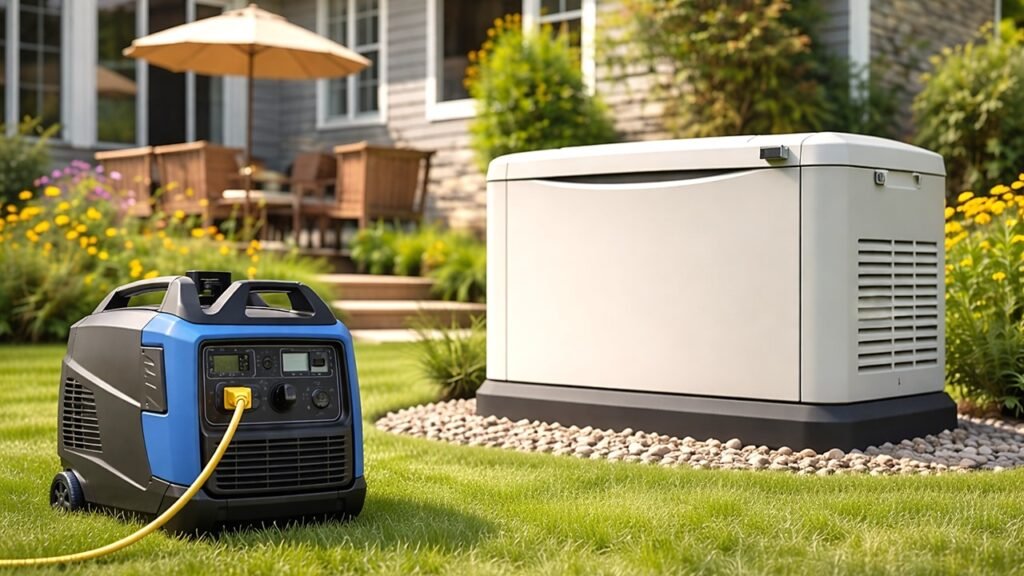
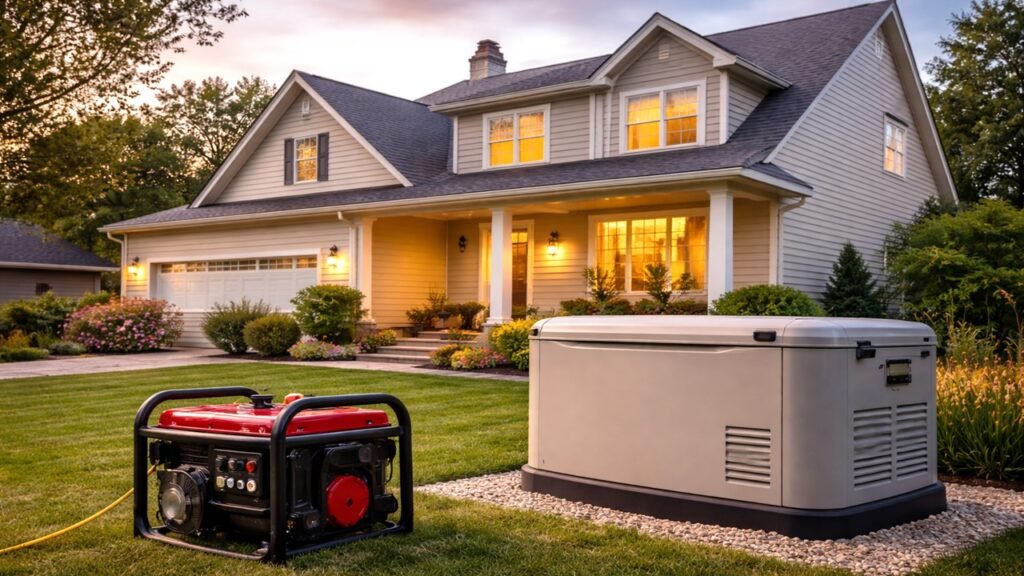
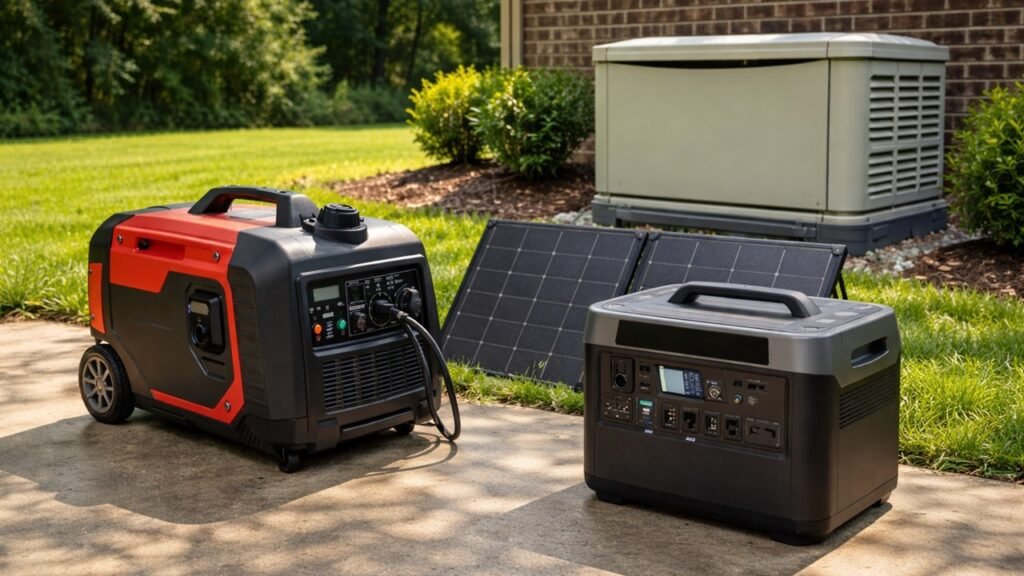
Portable generators are ideal for short outages, camping, or powering essential appliances. For long-term backup during extended power failures, a standby generator is generally a better solution.
How Long Can a Standby Generator Run?
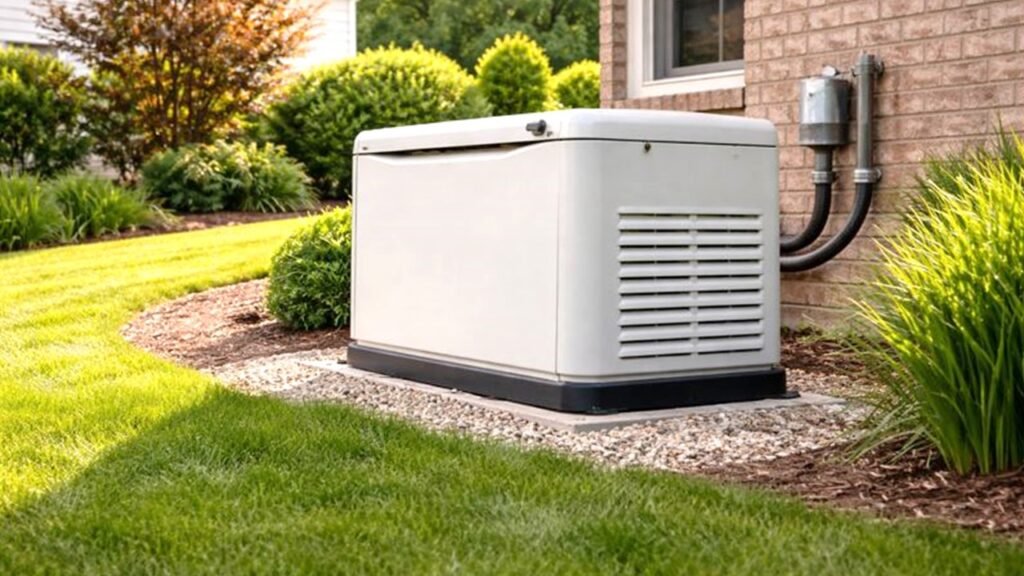
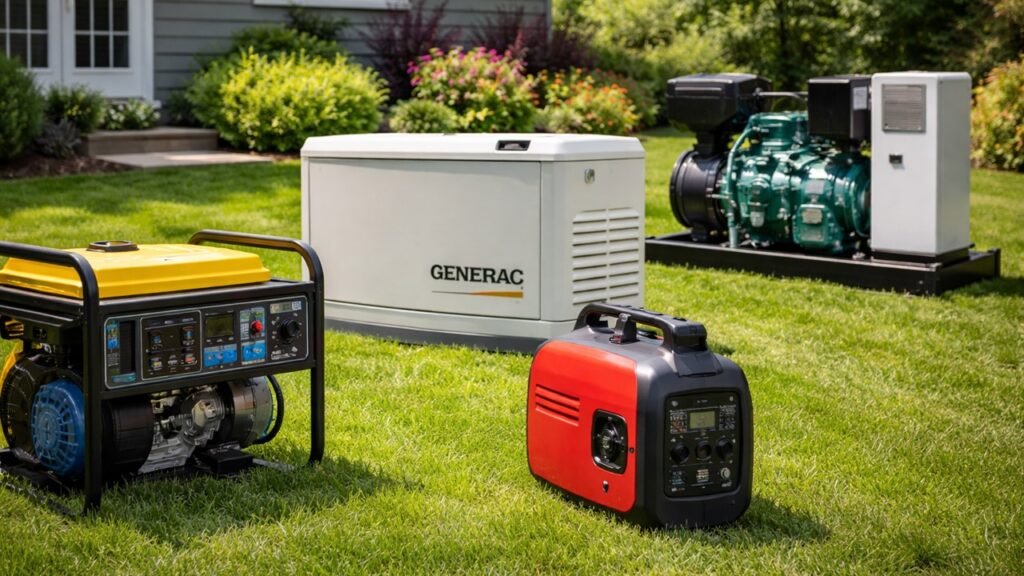
A standby generator can run for several days or even weeks, depending on its fuel source and maintenance schedule. Natural gas standby generators can operate continuously as long as the gas supply remains active. However, they still require periodic shutdowns for oil checks and servicing, typically every 24 to 72 hours depending on the model.
Propane standby generators can also run for extended periods, but their runtime depends on tank size. For example, a properly sized 500 gallon propane tank running at moderate load can power a home for several days to over a week. Higher electrical demand reduces runtime because fuel consumption increases.
Most residential standby generators are built for long emergency events, but they are not meant to run nonstop without maintenance. Following the manufacturer’s service intervals is essential to prevent overheating, oil breakdown, and premature engine wear.
What Affects Generator Runtime?
Generator runtime depends on fuel supply, electrical load, engine design, and maintenance intervals. The more power you draw and the less fuel you have available, the shorter the runtime will be.
Key factors that affect generator runtime include:
- Fuel type determines endurance. Natural gas allows continuous operation if supply is stable. Gasoline has the shortest runtime due to small tank capacity.
- Tank size controls duration. Larger propane or diesel tanks extend operation time significantly.
- Electrical load increases fuel consumption. Running at 100 percent capacity burns fuel faster and creates more heat.
- Engine cooling system impacts reliability. Air cooled engines heat up faster than liquid cooled engines.
- Oil capacity defines service limits. Small engines often require oil changes every 50 to 100 hours.
- Ambient temperature influences performance. High heat can reduce efficiency and increase stress on engine components.
- Maintenance compliance protects runtime. Ignoring service intervals shortens safe operating time.
Can You Run a Generator 24/7 Safely?
Yes, a generator can run 24 hours a day if it is properly sized, fueled, and maintained. Standby and industrial diesel generators are specifically engineered for extended operation, especially during prolonged outages. However, they still require routine oil checks and periodic service breaks.
Portable generators are less suited for continuous 24/7 use. Running them nonstop at high load increases heat buildup and accelerates wear. Most manufacturers recommend keeping the load under 75 percent for extended runtime to reduce strain on the engine.
Safe operation also requires proper ventilation and carbon monoxide precautions. Generators must always run outdoors, far from doors and windows. Even if a generator is capable of running continuously, safety and maintenance should never be ignored.
Wrapping It Up!
How long a generator can run depends on its type, fuel source, electrical load, and maintenance schedule. Portable generators usually run for several hours at a time, while standby and diesel models can operate for days or even weeks with proper fuel supply and servicing.
Fuel availability is often the biggest limiting factor. Gasoline models require frequent refueling, while propane and natural gas systems can support longer operation. However, oil change intervals and cooling requirements still determine safe continuous use.
If you want reliable long-term backup power, choosing the right generator size and fuel type is essential. Running below maximum load and following manufacturer maintenance guidelines will extend both runtime and overall engine lifespan.
Related FAQs
How long can a generator run without refueling?
Most portable gasoline generators run 6 to 12 hours per tank. Larger propane or diesel systems can run much longer depending on tank size.
Can a generator run all night?
Yes, many generators can run overnight if properly fueled and ventilated. Always follow manufacturer load and maintenance guidelines.
How long can a standby generator run continuously?
Standby generators can run for several days or longer, depending on fuel supply and required maintenance intervals.
Does running at full load reduce runtime?
Yes. Running at 100 percent capacity increases fuel consumption and heat, which shortens runtime and increases wear.
How long does a generator last overall?
Portable generators typically last 1,000 to 2,000 total hours. Standby and diesel models can last 10,000 hours or more with proper maintenance.
Is it safe to run a generator 24/7?
It can be safe if the generator is designed for extended use and maintained correctly. Portable models are less suited for nonstop operation.

Robert Caldwell writes in-depth guides and reviews focused on generators, backup power systems, and portable energy equipment. His work is grounded in hands-on testing, covering fuel types, runtime performance, noise levels, and real-world reliability. He helps homeowners, RV owners, and outdoor users choose dependable power solutions with confidence. Every article emphasizes clear explanations, safe operation, and long-term value.