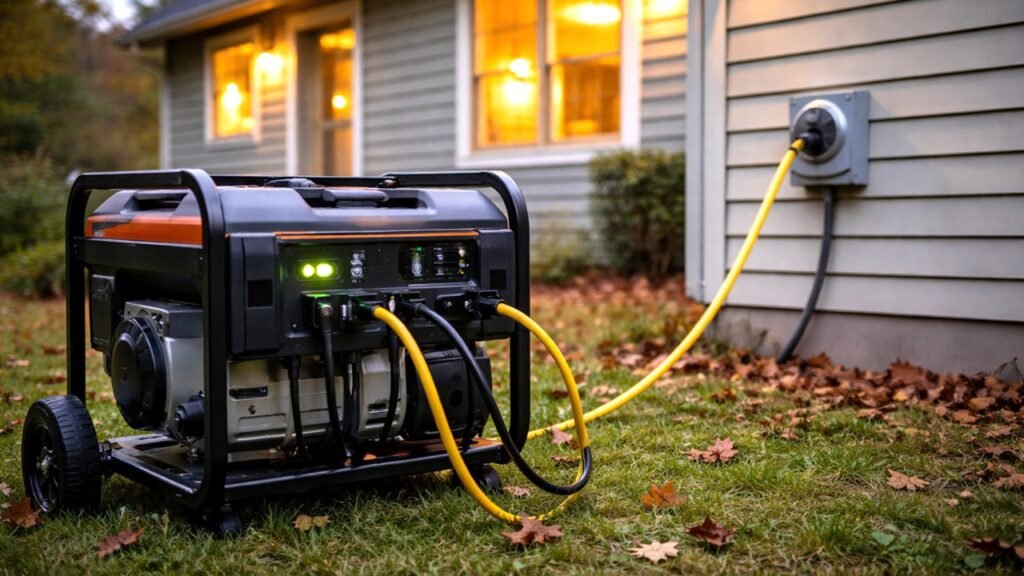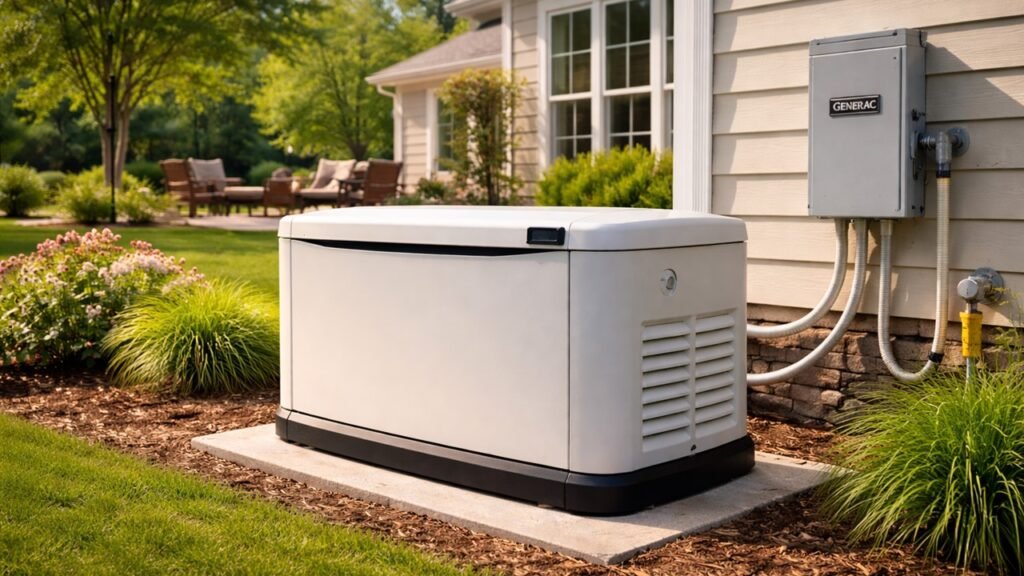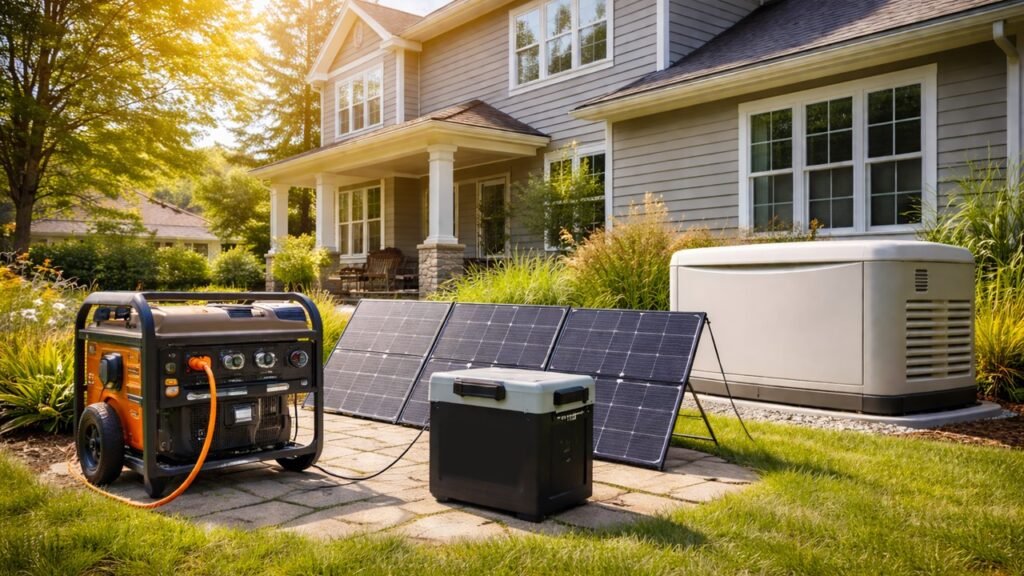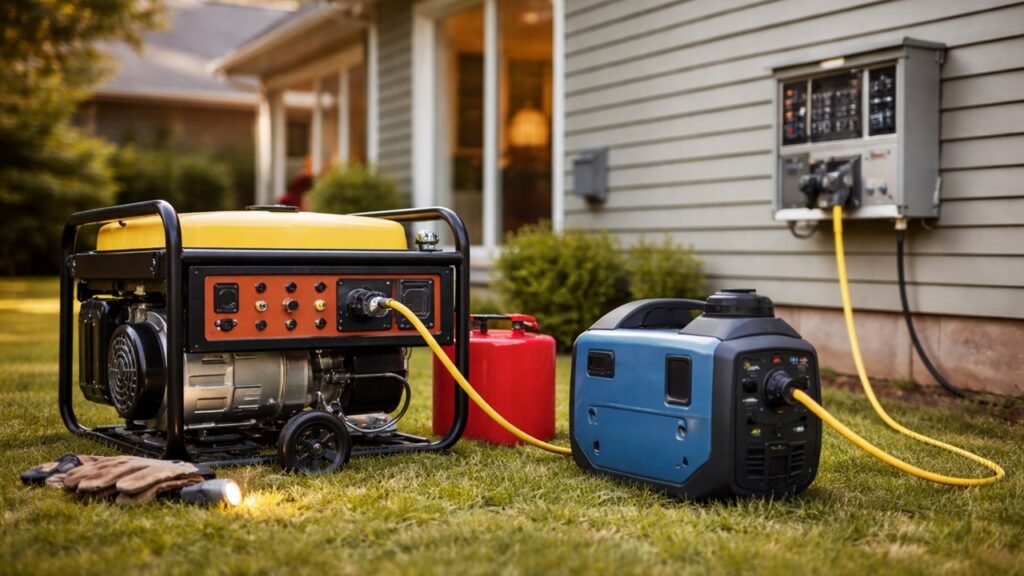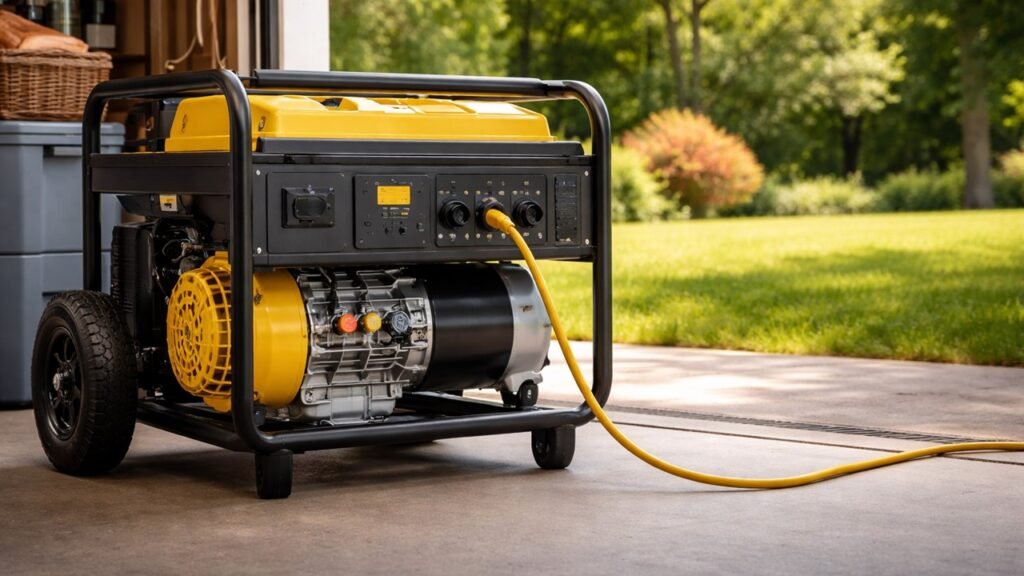
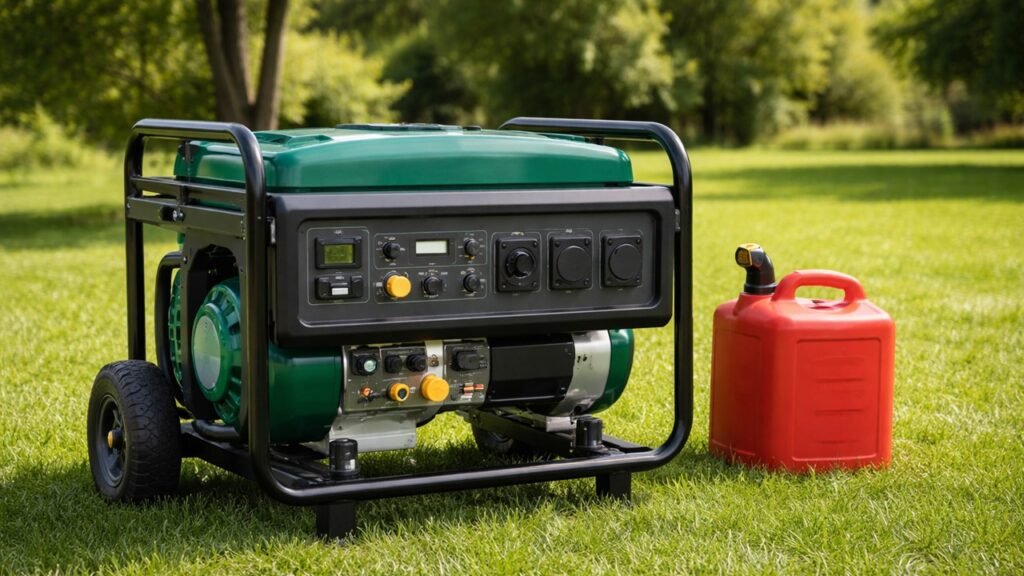
A dual fuel generator produces electricity by running the same engine on either gasoline or propane. Inside the unit, fuel is burned to spin the engine, and that spinning motion is converted into electrical power through an alternator. The real advantage is flexibility. If gasoline becomes hard to find during an outage, you can switch to propane and keep the power running.
If you are preparing for home backup, RV travel, or emergency use, understanding how a dual fuel generator works helps you plan fuel storage, runtime, and maintenance more realistically.
Key Summary:
- A dual fuel generator runs on gasoline or propane using one internal combustion engine.
- The engine converts fuel into mechanical energy, and the alternator converts mechanical energy into electricity.
- Gasoline produces slightly higher wattage because gasoline contains more energy per gallon than propane, according to the U.S. Energy Information Administration.
- Propane burns cleaner than gasoline, which reduces carbon buildup inside the engine.
- Fuel switching increases flexibility because users can change fuel sources when one becomes unavailable.
What Is a Dual Fuel Generator?
A dual fuel generator is a generator designed to operate on two fuel types, most commonly gasoline and propane. You select one fuel source at a time depending on what is available or more convenient. The engine and alternator remain the same. What changes is how fuel is delivered to the combustion chamber.
In practical terms, this gives you options. During storms or fuel shortages, having two possible energy sources can make a big difference.
Here is what defines a dual fuel generator:
- It runs on gasoline or propane using a single engine.
- It allows switching between fuels through a selector knob or valve.
- It typically produces slightly more power on gasoline than propane.
- It burns cleaner when running on propane.
- It is commonly used for home backup, camping, RVs, and job sites.
Most consumer models do not mix both fuels at the same time. They are built to operate on one selected fuel source.
Core Components That Enable Dual Fuel Operation
The reason a dual fuel generator can handle two fuels comes down to its fuel delivery system and engine design. The core engine remains standard, but the intake and regulation components allow it to accept either liquid gasoline or vapor propane safely.
Key components include:
- An internal combustion engine that converts fuel into mechanical motion.
- An alternator that converts engine rotation into electrical power.
- A dual fuel carburetor or fuel mixer that adjusts the air fuel ratio.
- A propane regulator that reduces tank pressure to usable levels.
- A fuel selector switch that directs the engine to the chosen fuel source.
- A spark plug that ignites the fuel air mixture.
- A voltage regulator that stabilizes the electrical output.
- Safety systems such as low oil shutoff and overload protection.
The most important difference lies in how fuel enters the engine. Gasoline flows from a built in tank as a liquid. Propane connects from an external tank and enters as a regulated gas.
How a Dual Fuel Generator Works Step by Step
At its core, the process is straightforward. Fuel enters the engine, mixes with air, ignites, and drives the alternator to create electricity. The basic combustion cycle stays the same whether you are using gasoline or propane. The delivery method is what changes.
How It Works on Gasoline
When running on gasoline, fuel flows from the internal tank through a fuel line into the carburetor. The carburetor mixes gasoline with incoming air in the correct ratio. Once compressed inside the engine cylinder, the spark plug ignites the mixture.
That small explosion pushes the piston downward, turning the crankshaft. The crankshaft spins the alternator, and the alternator generates electrical power. The voltage regulator then smooths out the output before it reaches your connected devices.
Gasoline usually delivers slightly higher wattage because it contains more energy per gallon compared to propane.
How It Works on Propane
When running on propane, fuel travels from an external propane cylinder through a hose into a pressure regulator. The regulator lowers the high tank pressure to a safe level for engine intake. The propane vapor then mixes with air through a dedicated inlet or dual fuel carburetor system.
Once inside the combustion chamber, the spark plug ignites the air propane mixture. The piston moves, the crankshaft rotates, and the alternator produces electricity just as it does in gasoline mode.
Propane burns cleaner than gasoline, which often means less carbon buildup and smoother long term maintenance.
How Fuel Switching Works (Gas to Propane)
Fuel switching in a dual fuel generator works by redirecting the engine’s fuel intake system from gasoline to propane using a selector valve or control system. The engine itself does not change. What changes is the fuel path and air fuel adjustment inside the carburetor or mixer. Some models require manual switching, while higher end units can switch automatically when one fuel source runs low.
Once you understand the switching process, it becomes easier to operate the generator safely without stalling it or overloading connected appliances.
Manual Fuel Switching
Most portable dual fuel generators use a manual selector knob. The process is simple, but it should be done carefully.
When switching from gasoline to propane, follow these general steps:
- Reduce the electrical load before switching fuels.
- Turn the fuel selector knob to the propane position.
- Close the gasoline fuel valve if required by your model.
- Open the propane tank valve fully.
- Restart the generator if the model does not allow live switching.
Some generators allow switching while the engine is running at idle, but many recommend shutting down first. Always check your manufacturer’s instructions.
Manual switching is common in portable models used for home backup or RV travel.
Automatic Fuel Switching
Certain advanced or smart generators can switch fuels automatically. These systems use sensors and control valves to detect when gasoline is low or fuel pressure drops.
Automatic switching typically works like this:
- Sensors monitor fuel flow and tank levels.
- The control board detects fuel interruption.
- An electronic valve redirects the fuel supply.
- The air fuel ratio adjusts automatically.
- The engine continues running without interruption.
This feature is more common in standby or premium units. It is especially useful in situations where uninterrupted power is critical.
Manual vs Automatic Switching Comparison
| Feature | Manual Switching | Automatic Switching |
| User involvement | Required | Not required |
| Fuel selector | Physical knob | Electronic valve |
| Downtime | Possible restart needed | Usually seamless |
| Cost | Lower | Higher |
| Best for | RVs, portable use | Home standby systems |
For most homeowners, manual switching is more than enough. Automatic systems are helpful when constant uptime matters.
Gasoline vs Propane Performance Differences
Gasoline and propane power the same engine, but they behave differently in real world use. Gasoline usually delivers slightly higher wattage, while propane offers cleaner combustion and longer storage life.
Here is a practical side by side comparison:
| Feature | Gasoline | Propane |
| Energy content per gallon | Higher | Lower |
| Power output | Slightly higher | Slightly lower |
| Runtime per tank | Longer per gallon | Shorter per tank |
| Storage life | 3 to 12 months without stabilizer | Several years |
| Carbon buildup | Higher | Lower |
| Cold weather starting | Easier | Can struggle in extreme cold |
| Emissions smell | Stronger | Cleaner burn |
| Maintenance impact | More residue over time | Cleaner engine operation |
According to energy data from the U.S. Energy Information Administration, gasoline contains more energy per gallon than propane. That explains the small difference in output.
In day to day use, propane tends to be preferred for long term storage and cleaner running, while gasoline is often used when maximum wattage is needed.
Why Dual Fuel Generators Are More Flexible Than Single Fuel
A dual fuel generator is more flexible because it gives you two ways to keep producing electricity when one fuel source becomes unavailable. During storms, natural disasters, or fuel shortages, this flexibility can make a real difference.
Here is why many users prefer dual fuel models:
- You can switch fuels during gasoline shortages.
- Propane tanks are easier to store long term.
- Total potential runtime increases when you have access to both fuels.
- You can choose the cheaper fuel depending on market prices.
- Cleaner propane operation reduces long term maintenance.
- You are not dependent on a single fuel supply chain.
For RV owners and homeowners in storm prone areas, having two fuel options provides peace of mind that single fuel generators cannot match.
Dual Fuel vs Bi-Fuel vs Tri-Fuel (Quick Clarification)
The terms dual fuel, bi-fuel, and tri-fuel are often used interchangeably, but they do not always mean the same thing.
In most consumer portable generators, dual fuel and bi-fuel refer to the same setup. The generator runs on two fuel types, typically gasoline and propane, but uses only one at a time.
Tri-fuel generators add a third option, usually natural gas. These units can run on gasoline, propane, or natural gas. They are popular for home standby systems because natural gas can connect directly to a home gas line.
When buying, always check the fuel types listed in the specifications rather than relying on the marketing label alone. The fuel compatibility is what truly defines the generator’s flexibility.
Safety Considerations You Must Know
A dual fuel generator produces carbon monoxide and high voltage electricity, which means safety is not optional. Proper placement, correct fuel handling, and basic load management protect both your equipment and your household.
- Never operate the generator indoors, in garages, or near doors and windows because carbon monoxide is deadly and odorless.
- Keep the generator at least 20 feet away from buildings with the exhaust pointed away from living areas.
- Install carbon monoxide alarms inside your home when using any fuel powered generator.
- Use heavy duty outdoor rated extension cords that match the generator’s amperage output.
- Never backfeed power into your home without a transfer switch or interlock kit installed by a qualified electrician.
- Check propane hoses and connections for leaks using soapy water before starting the unit.
- Keep gasoline stored in approved containers away from heat and open flames.
- Allow the engine to cool before refueling to prevent ignition.
- Avoid overloading the generator by calculating total running and starting watts first.
- Perform regular maintenance such as oil checks and air filter inspection to prevent engine damage.
Taking these precautions dramatically reduces the risks associated with portable power generation.
Common Problems and Simple Troubleshooting
Most dual fuel generator issues come down to fuel delivery, overload conditions, or maintenance gaps. The good news is that many problems can be diagnosed quickly without special tools.
- Generator starts on gasoline but not propane often indicates a closed tank valve, faulty regulator, or empty propane cylinder.
- Generator starts on propane but not gasoline usually points to stale fuel, clogged carburetor jets, or a closed fuel valve.
- Engine runs but produces no power may mean the circuit breaker has tripped or a GFCI outlet needs resetting.
- Generator stalls under load often signals overload or insufficient fuel flow.
- Rough running can result from dirty air filters or improper fuel mixture.
- Hard starting in cold weather is common with propane because tank pressure drops in low temperatures.
- Excessive smoke typically indicates overfilled oil or carburetor issues.
When troubleshooting, start with the basics: fuel level, fuel selector position, oil level, and breaker status. Many issues are simple once you isolate the fuel system being used.
Is a Dual Fuel Generator Worth It?
For most homeowners and RV owners, the answer is yes. Having two fuel options adds flexibility that single fuel generators simply cannot provide. If gasoline is unavailable during a storm, propane becomes your backup. That redundancy alone makes dual fuel models attractive.
They are especially valuable in areas prone to hurricanes, winter storms, or fuel supply disruptions. Propane stores longer and burns cleaner, while gasoline provides slightly higher power output. Being able to choose based on the situation gives you control.
However, if you only need occasional light use and always have easy fuel access, a single fuel generator may be enough. The real value of dual fuel lies in preparedness and long term reliability.
Conclusion
A dual fuel generator works by allowing one engine to operate on either gasoline or propane, giving you flexibility without changing the core power generation process. The engine burns the selected fuel, turns the crankshaft, and drives the alternator to produce electricity.
Fuel switching is handled through a selector valve or electronic control system, and each fuel type offers its own advantages. Gasoline delivers slightly higher output, while propane offers cleaner combustion and longer storage life.
If you want dependable backup power with added flexibility during emergencies, a dual fuel generator provides a practical balance between performance, storage convenience, and preparedness.
Related FAQs
Can a dual fuel generator run on both fuels at the same time?
Most consumer models run on one fuel at a time, not both simultaneously. You select gasoline or propane using a fuel selector switch.
Does propane reduce generator power output?
Yes, propane typically produces slightly lower wattage than gasoline because it has lower energy content per gallon. The difference is usually around 5 to 15 percent depending on the model.
Can you switch fuels while the generator is running?
Some models allow switching at idle, but many require shutting the unit down first. Always reduce the electrical load before changing fuels.
Why does a dual fuel generator run cleaner on propane?
Propane burns more completely than gasoline, which leads to less carbon buildup inside the engine. Cleaner combustion often means lower maintenance over time.
Is a dual fuel generator better for home backup?
It can be, especially during fuel shortages. Having both gasoline and propane options increases your chances of maintaining power during extended outages.
Can a dual fuel generator run on natural gas?
Standard dual fuel models typically support gasoline and propane only. You would need a tri-fuel generator to run on natural gas without modification.

Robert Caldwell writes in-depth guides and reviews focused on generators, backup power systems, and portable energy equipment. His work is grounded in hands-on testing, covering fuel types, runtime performance, noise levels, and real-world reliability. He helps homeowners, RV owners, and outdoor users choose dependable power solutions with confidence. Every article emphasizes clear explanations, safe operation, and long-term value.