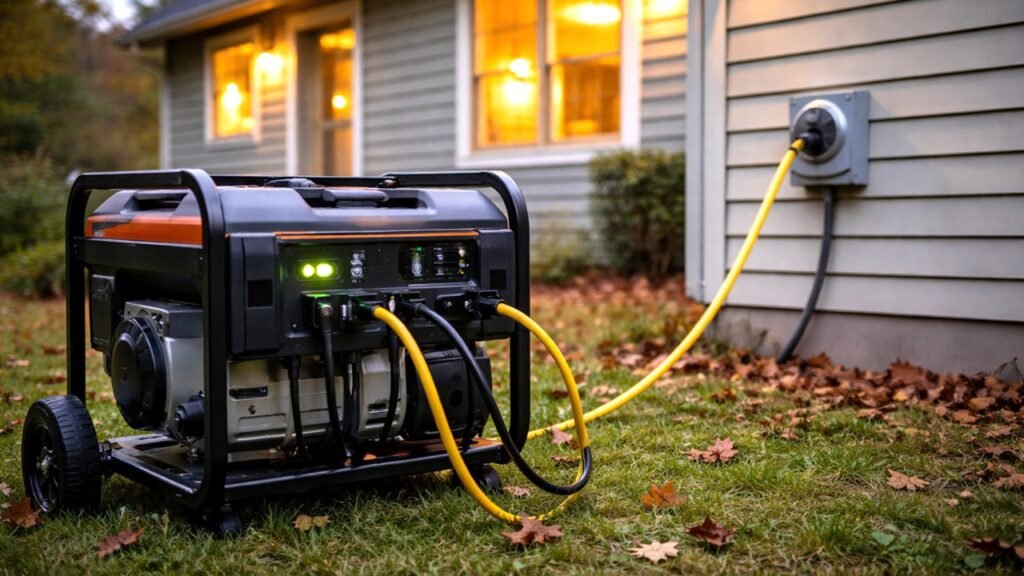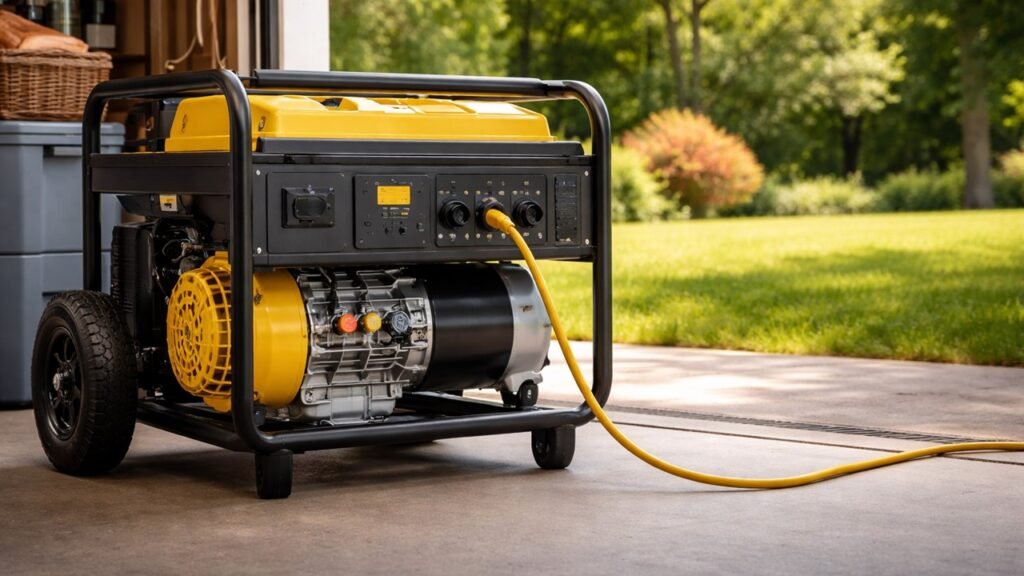
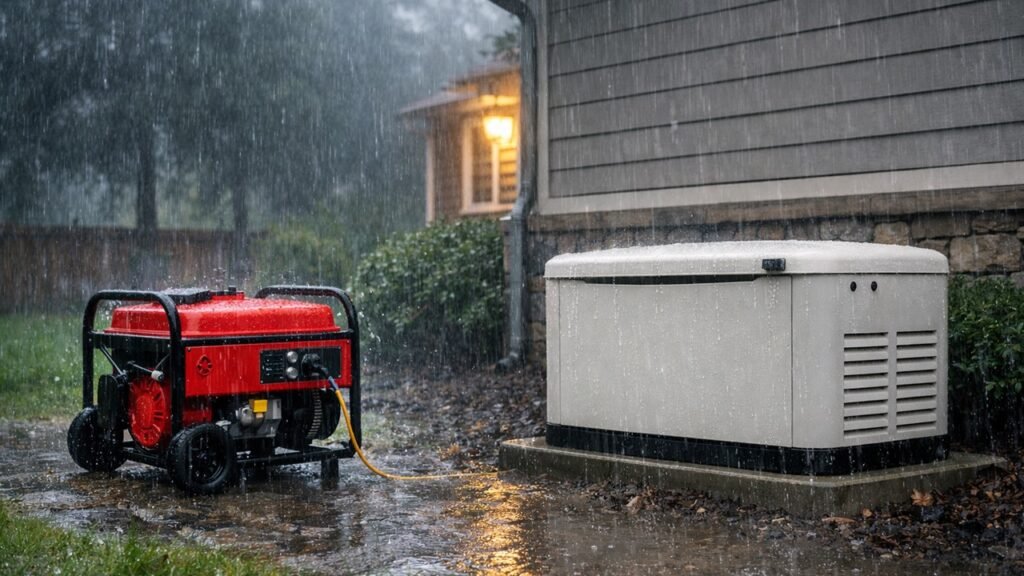
If you are wondering can you run a generator in the rain, the honest answer is this: you should not run a portable generator directly in the rain unless it is properly protected. Water and electricity are a dangerous mix, and even light rain can create shock or damage risks.
That said, not all generators are the same. A portable unit sitting in your yard during a storm is very different from a permanently installed standby generator. Let’s break it down clearly.
Key Summary:
- Portable generators require weather protection to operate safely in rain.
- Rain exposure increases electrocution risk by lowering electrical resistance.
- Standby generators include weather-resistant enclosures for outdoor operation.
- Covering a generator with a tarp restricts airflow and increases fire risk.
- Battery generators eliminate carbon monoxide risk but still require dry conditions.
Can You Run a Generator in the Rain? (Quick Answer)
No, you should not run a portable generator uncovered in the rain. Rain can reach the outlets, wiring, or internal components, which increases the risk of electrocution and short circuits. If you absolutely must use one during bad weather, it needs a proper generator tent or weather-rated cover and must stay well ventilated.
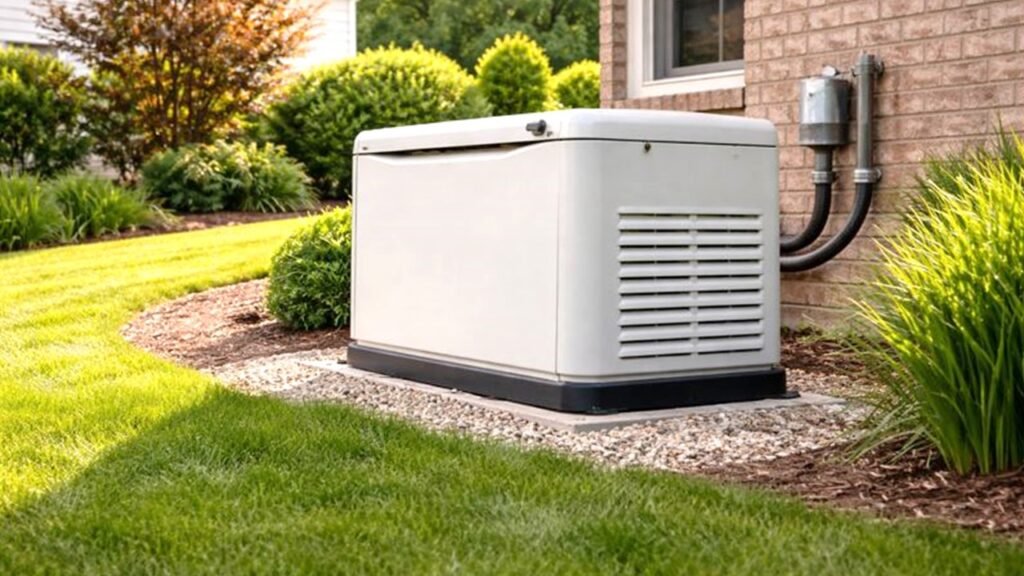
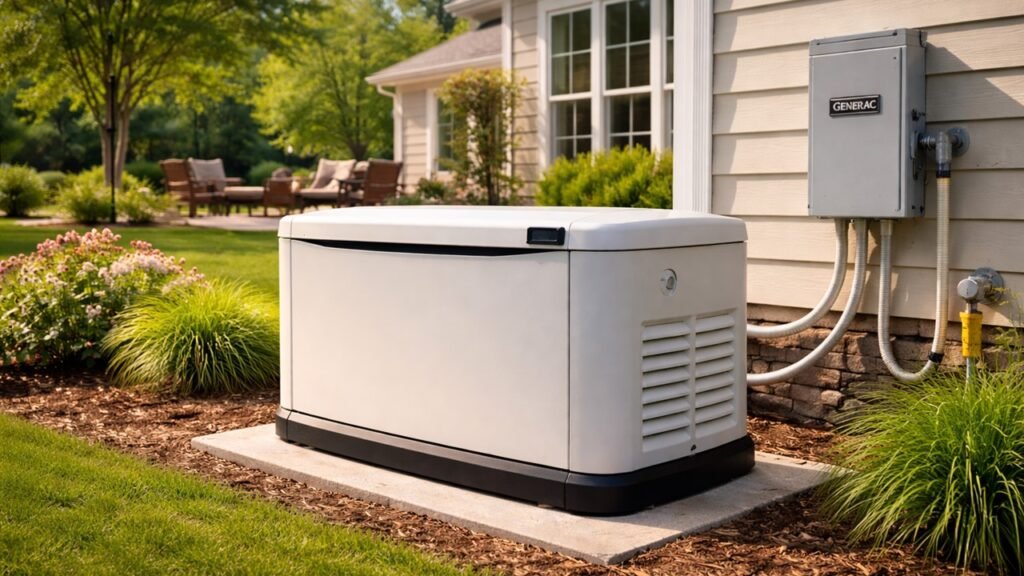
Standby generators are different. They are built for outdoor installation and come inside sealed, weather-resistant enclosures. These units are designed to operate in heavy rain when installed correctly.
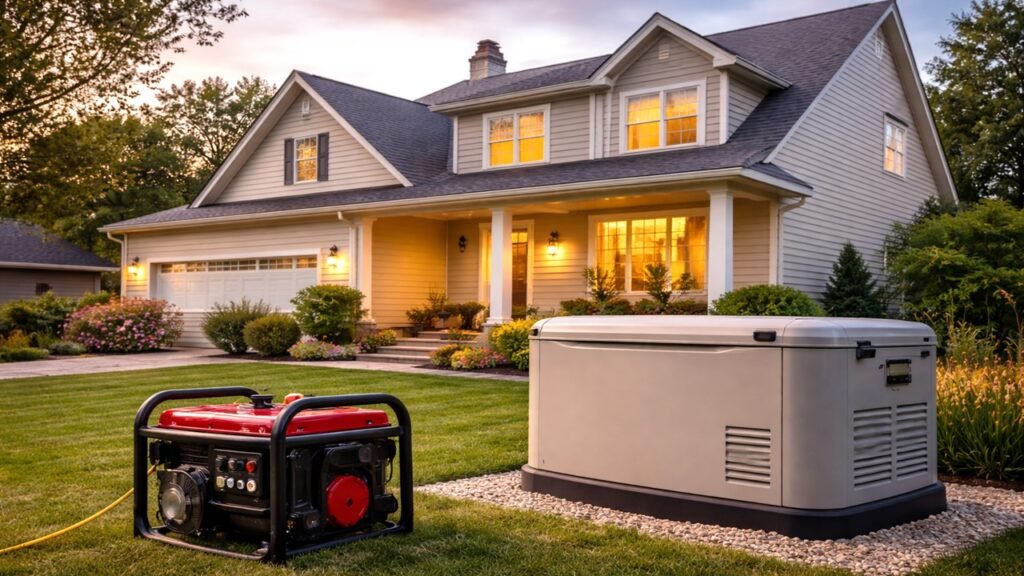
So the simple rule is this: portable generators must stay dry. Standby generators are built to handle rain.
Why Running a Generator in the Rain Is Dangerous
Running a generator in the rain is risky because water lowers electrical resistance and makes it easier for electricity to travel where it should not. That is when shocks, short circuits, and equipment damage happen.
Every year, portable generators cause injuries and carbon monoxide deaths in the United States, according to the Consumer Product Safety Commission. Adding rain to the equation only increases those risks.
Let’s look at the main dangers in practical terms.
Risk of Electrocution
Water conducts electricity. If rain gets into the outlets or onto exposed wiring, the generator frame can become energized.
Wet ground makes things worse. Standing on damp soil or concrete increases the chance that electricity could pass through your body if something goes wrong.
Even plugging in a cord becomes dangerous if moisture is present. A simple adjustment can turn into a serious shock hazard.
In plain terms, rain increases the chances of electricity traveling in unintended ways.
Short Circuits and Equipment Damage
Generators are not waterproof machines. If water reaches the alternator, control panel, or inverter electronics, it can cause a short circuit.
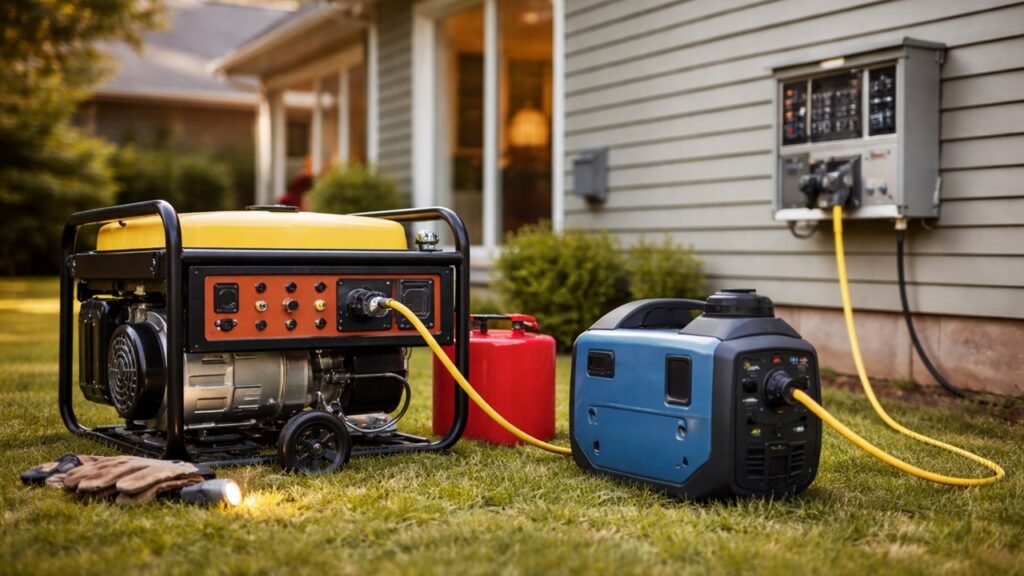
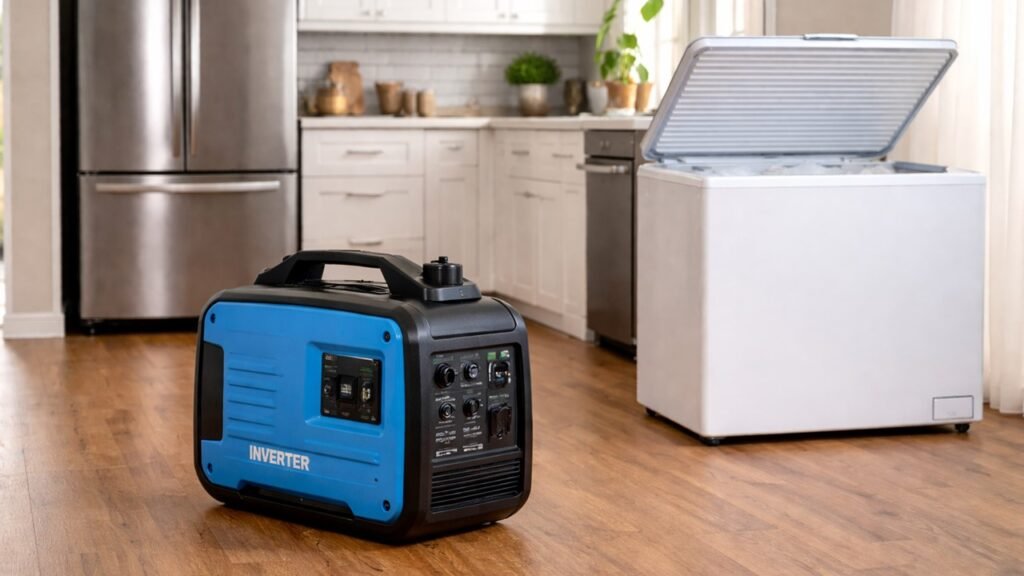
A short circuit can permanently damage internal components. Inverter generators are especially sensitive because they contain circuit boards that do not tolerate moisture well.
Repeated exposure to damp conditions also causes corrosion over time. That means reduced lifespan and unreliable performance when you need the generator most.
Even a small amount of water intrusion can mean expensive repairs.
Fire and Carbon Monoxide Hazards
Some people try to protect generators with tarps or plastic sheets. That creates another problem. Blocking airflow traps heat around the engine.
Generators need oxygen to burn fuel and need open airflow to cool down. Restricted ventilation increases overheating and fire risk.
And rain does not change one critical fact. Generators produce carbon monoxide. The CDC recommends running portable generators at least 20 feet away from homes, doors, and windows to prevent poisoning.
Rain does not reduce carbon monoxide risk. It only adds electrical risk on top of it.
Can Different Types of Generators Run in the Rain?
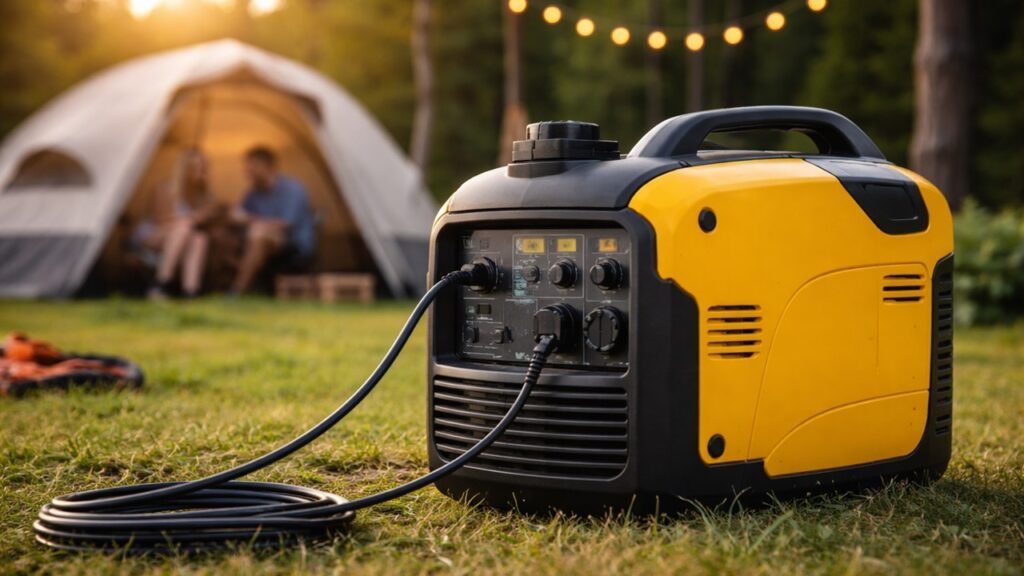
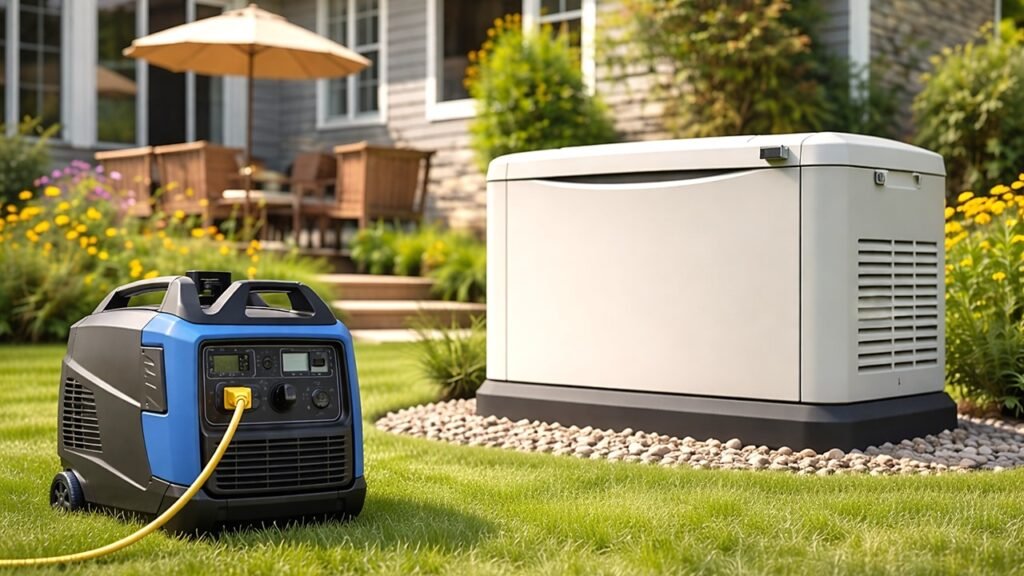
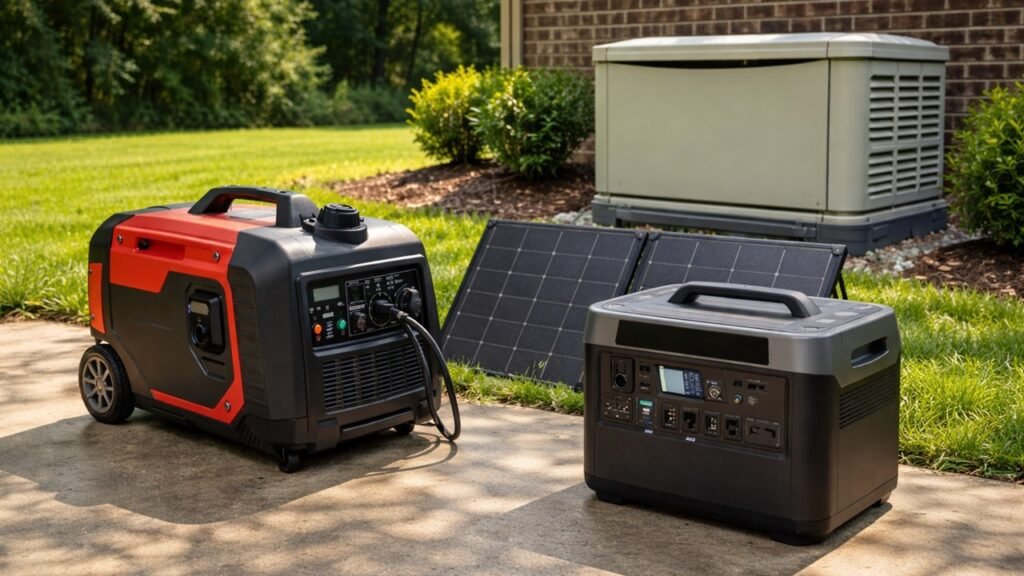
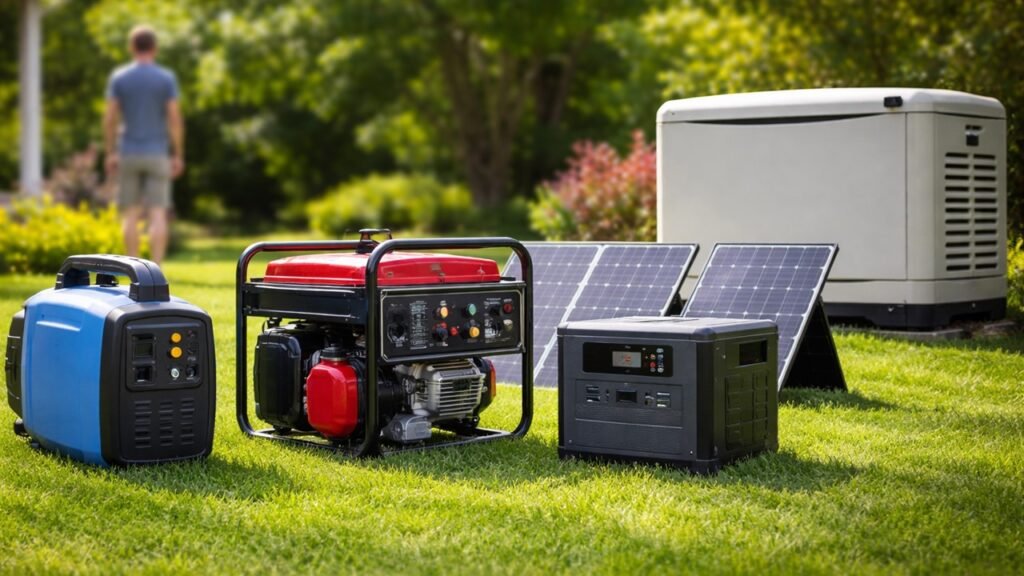
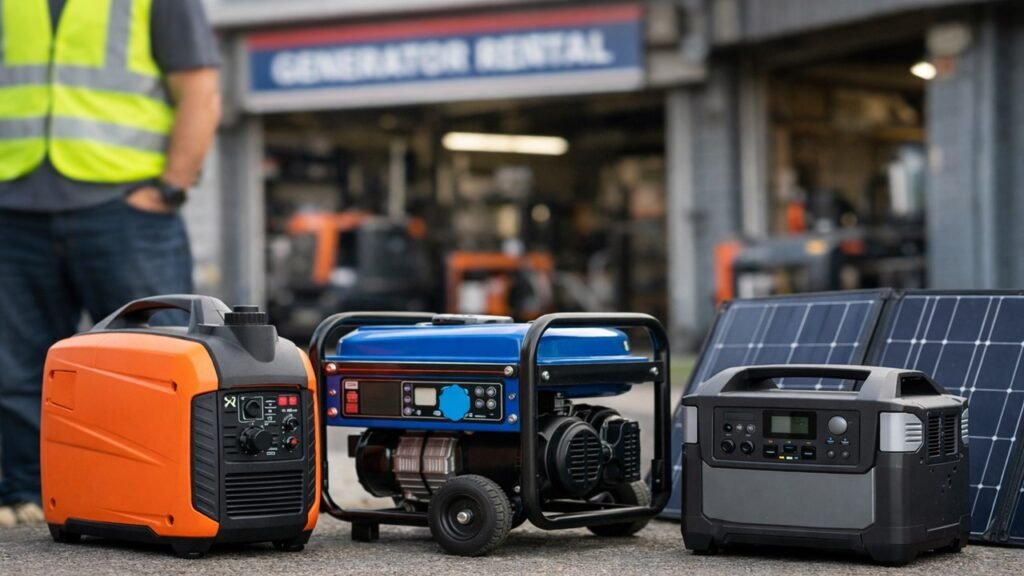
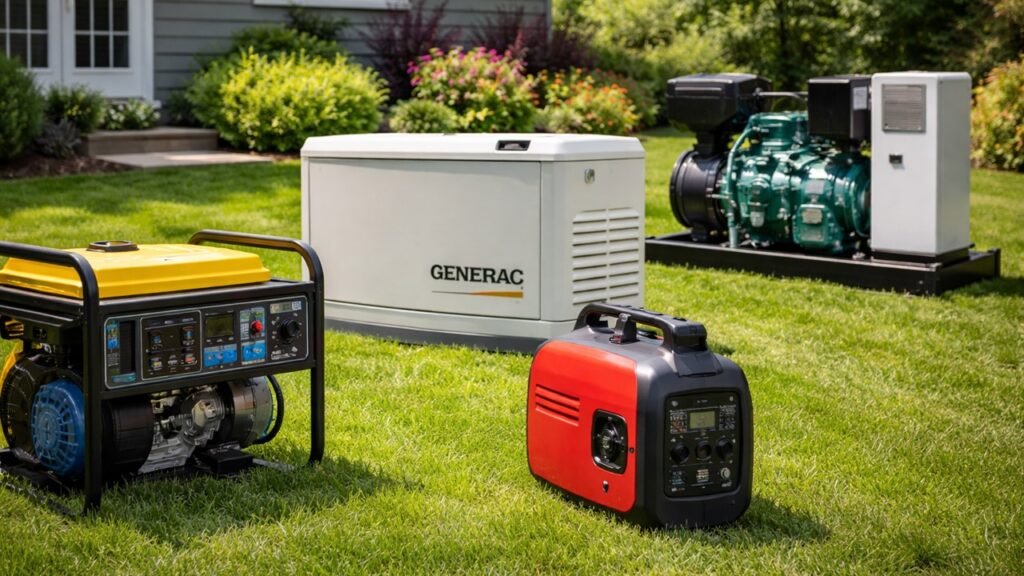
Not all generators handle weather the same way. Portable models, inverter units, standby systems, and battery-powered stations all have different designs and exposure limits.
Here is a clear comparison.
| Generator Type | Can It Run in Rain? | Required Protection | Risk Level |
| Portable Gas Generator | No | Weather-rated cover and elevation | High |
| Inverter Generator | No | Fully shielded from moisture | High |
| Standby Generator | Yes | Factory weather enclosure | Low |
| Battery or Solar Generator | Not directly exposed | Keep ports and electronics dry | Low |
The key takeaway is simple. A standby generator is designed for outdoor weather. A portable generator is not. If you rely on a portable unit during storms, protecting it from rain is not optional. It is a safety requirement.
How to Safely Run a Portable Generator in the Rain
You can safely run a portable generator in the rain only if it is fully protected from water, properly ventilated, elevated off wet ground, and positioned at least 20 feet away from your home. Never operate a generator uncovered or in an enclosed space.
To reduce risk during wet weather, follow these safety rules:
- Use a purpose-built generator tent or weather-rated canopy that shields the top and outlets while allowing airflow.
- Never wrap the generator in a tarp or plastic sheet, as this traps heat and increases fire risk.
- Keep the generator at least 20 feet away from doors, windows, and vents to prevent carbon monoxide exposure.
- Elevate the unit on cinder blocks, a pallet, or a stable dry surface to avoid standing water.
- Position the exhaust facing away from the house and downwind whenever possible.
- Use heavy-duty outdoor-rated extension cords designed for wet conditions.
- Keep all plugs and outlet connections off the ground and protected from rainfall.
- Do not refuel during rain or while the generator is running. Let it cool first.
If you are using a portable generator during a storm, protection and ventilation matter just as much as distance.
What to Do If Your Generator Gets Wet
If your generator gets wet, turn it off immediately, disconnect it safely, move it to a dry area, and allow it to fully dry before restarting. Never operate a generator that has visible moisture inside its electrical components.
Follow these steps carefully:
- Shut the generator off using the main power switch.
- Disconnect all extension cords with dry hands and avoid touching wet surfaces.
- Move the generator to a covered, well-ventilated dry area.
- Allow it to air dry completely. This may take several hours or longer depending on exposure.
- Inspect outlets, control panels, and wiring for visible moisture or corrosion.
- Do not restart if it was submerged or shows signs of internal damage. Contact a qualified technician.
Restarting a wet generator can cause internal short circuits, permanent damage, or electrical shock.
Is a Standby Generator Safe in Heavy Rain?
Yes, a standby generator is generally safe in heavy rain when properly installed. These systems are built inside weather-resistant enclosures designed for year-round outdoor exposure.
Standby generators are permanently mounted and engineered to withstand rain, snow, and temperature changes. The enclosure protects the engine and electrical components from moisture.
However, proper installation still matters. The unit must have correct clearance, ventilation, and drainage. Even though it is weather-rated, it should never be enclosed or blocked in a way that restricts airflow.
Are Battery or Solar Generators Safer During Storms?
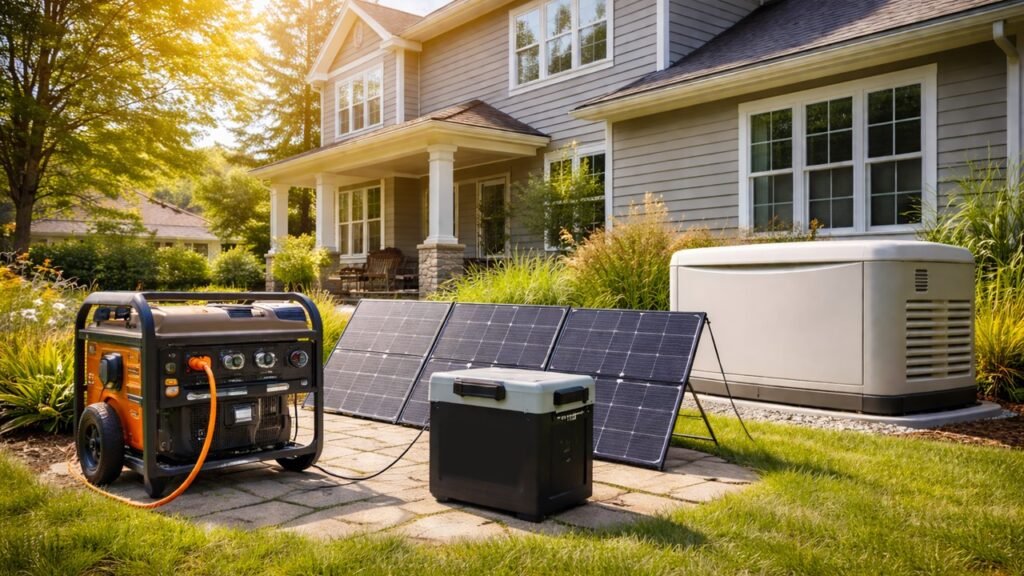
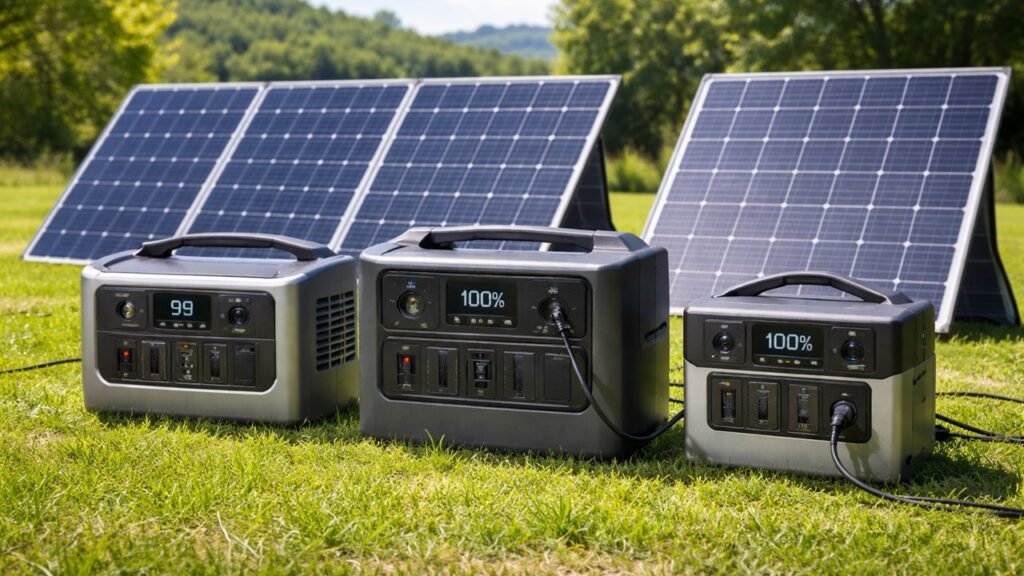
Battery-powered or solar generators are safer in many storm situations because they do not burn fuel and do not produce carbon monoxide. That removes the need for combustion ventilation and reduces fire risk.
However, they are not waterproof. The ports, displays, and internal electronics must remain dry. Heavy rain can still damage the unit if exposed directly.
The major advantage is indoor usability. Many battery power stations are safe to operate inside the home during outages, as long as they stay dry and follow manufacturer guidelines. For storm-prone areas, they offer a quieter and lower-risk alternative to fuel-powered generators.
Conclusion
You should not run a portable generator directly in the rain without proper protection. Water increases the risk of electrocution, equipment damage, and fire.
If you must use one during a storm, protect it with a weather-rated cover, elevate it off wet ground, and keep it at least 20 feet from your home. Never operate it indoors or in enclosed spaces.
Standby generators are built for outdoor weather, and battery-powered systems remove many combustion risks altogether. The safest approach is planning ahead so you are not forced to make risky decisions when the storm hits.
Related FAQs
Can you put a tarp over a generator in the rain?
No, you should not use a tarp directly over a running generator. A tarp traps heat and blocks airflow, which increases fire risk and overheating. Use a purpose-built generator tent instead.
Can you run a generator in the garage if it’s raining?
No, never run a generator in a garage, even with the door open. Generators produce carbon monoxide, which can quickly build up and become deadly.
Where should you place a generator during heavy rain?
Place it outdoors, at least 20 feet away from your home, on a dry and elevated surface. Use a weather-rated cover that allows proper ventilation.
Can a standby generator run in the rain?
Yes, standby generators are designed with weather-resistant enclosures. They are built to operate safely outdoors in rain when properly installed.
Can inverter generators get wet?
No, inverter generators are not waterproof. Moisture can damage internal electronics and cause short circuits or permanent failure.
Are solar generators safe to use during storms?
Solar or battery generators are safer because they do not produce carbon monoxide. However, they still must be kept dry to protect their electrical components.

Robert Caldwell writes in-depth guides and reviews focused on generators, backup power systems, and portable energy equipment. His work is grounded in hands-on testing, covering fuel types, runtime performance, noise levels, and real-world reliability. He helps homeowners, RV owners, and outdoor users choose dependable power solutions with confidence. Every article emphasizes clear explanations, safe operation, and long-term value.