
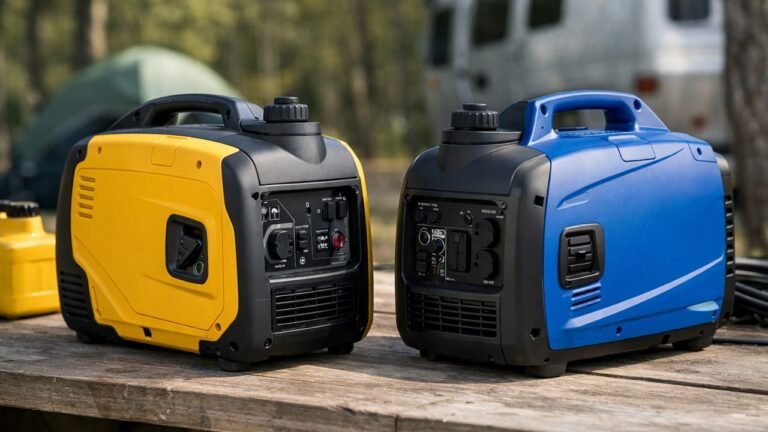
An inverter generator works by producing electricity, cleaning it electronically, and delivering stable AC power that is safe for modern electronics. Instead of sending raw power straight from the...
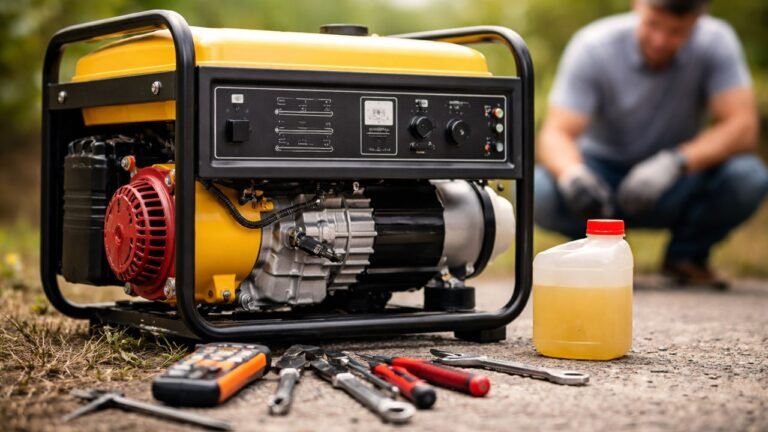
If your generator is running but not producing power, the engine is working but the electrical system is not building voltage. In most cases, the issue is simple. A tripped breaker, low oil shutdown...
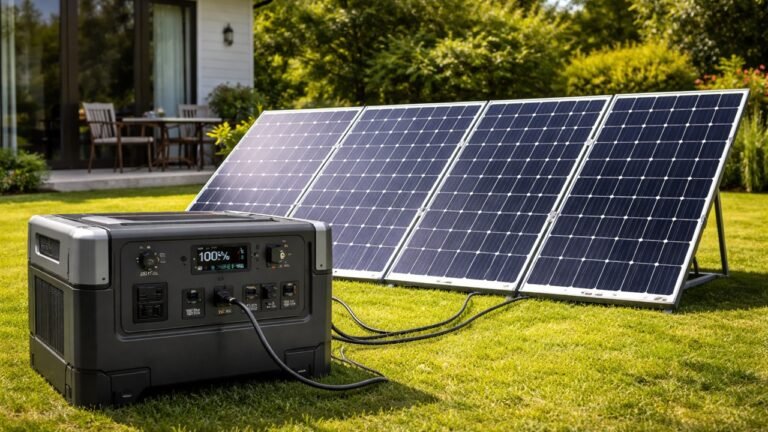
Yes, a solar generator can power a house, but only if the system is sized correctly. A solar generator powers a house when its watt output matches your appliances and its battery capacity covers your...
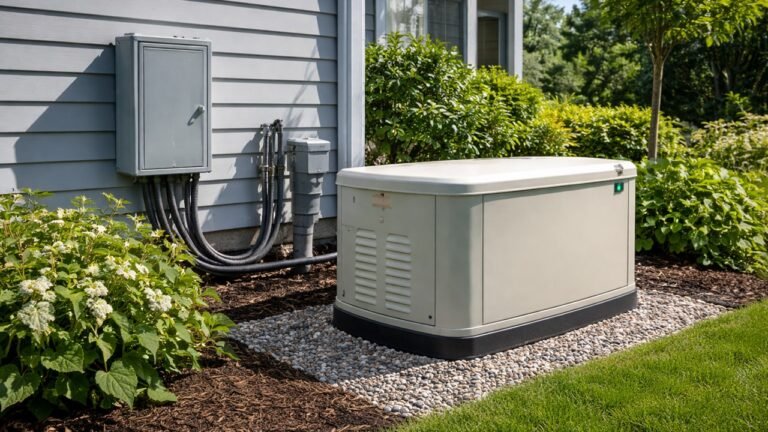
A whole house generator can run continuously for several days, and in some cases weeks, depending on the fuel type, electrical load, and maintenance schedule. If you are connected to natural gas, your...
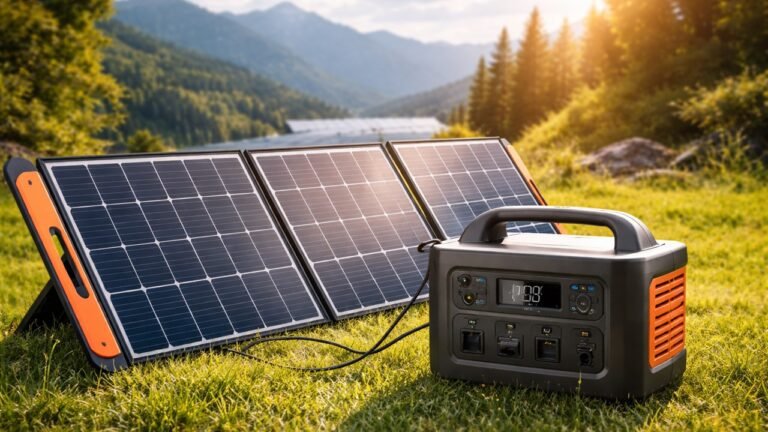
A solar generator works by capturing sunlight, storing that energy in a battery, and converting it into usable electricity for your devices. If you are searching for how does a solar generator work...
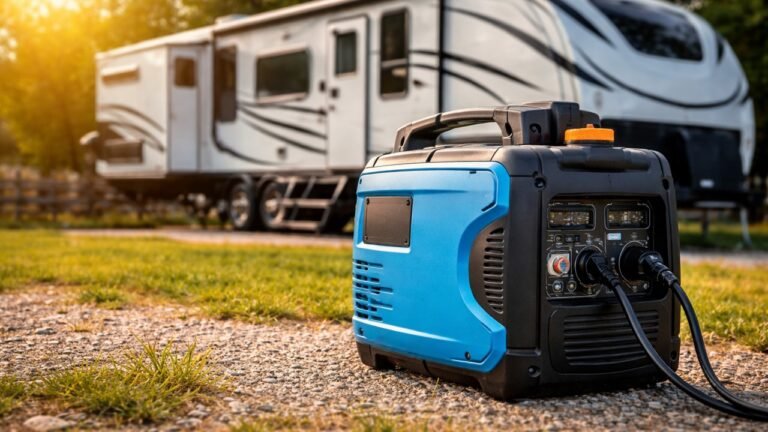
If you’re trying to figure out what size generator for a 50 amp RV, here’s the simple answer: most people need a generator in the 5,000 to 7,500 running watt range. Yes, a 50 amp RV plug can...
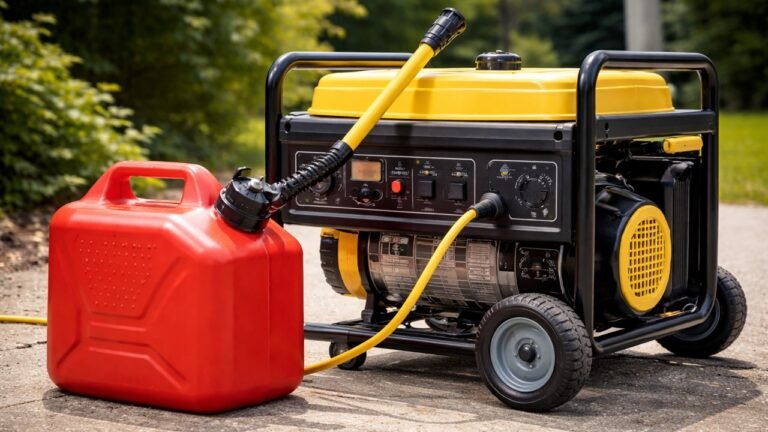
A generator’s gas use depends on two things: its size and how hard you run it. Most small 2000W inverter generators use about 0.1 to 0.2 gallons per hour at light to moderate load. A typical 5000W...
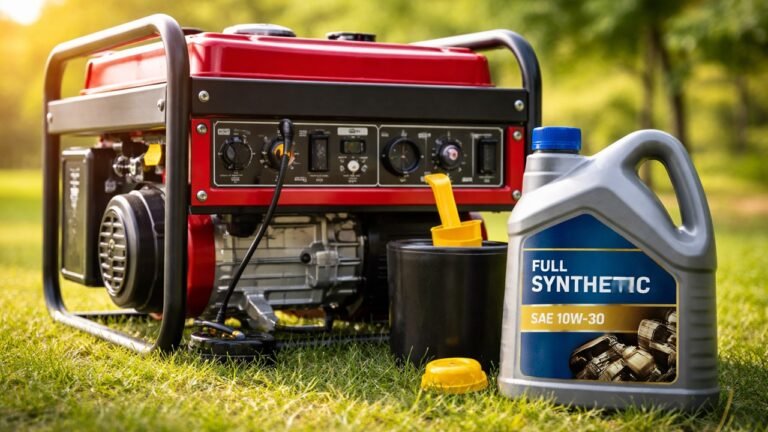
If you’re wondering what kind of oil does a generator take, the short answer is this: most portable gasoline generators use SAE 10W-30 motor oil. That said, the exact oil you need depends on your...
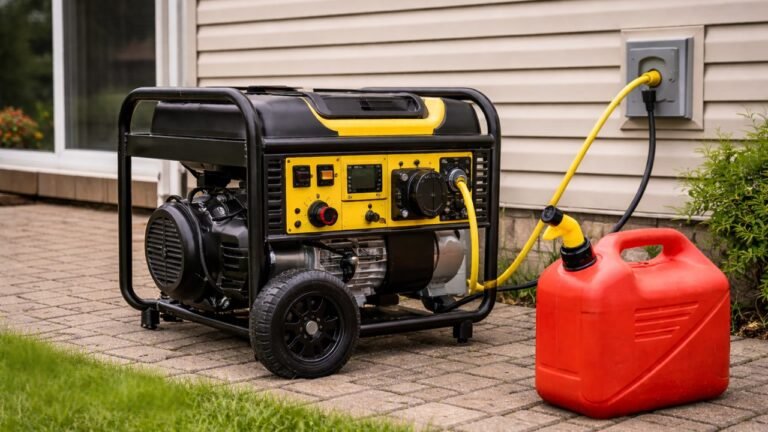
If you’re looking to understand how much propane a generator uses, the honest answer is this: it depends on the size of the generator and how much power you’re pulling from it. Most propane generators...