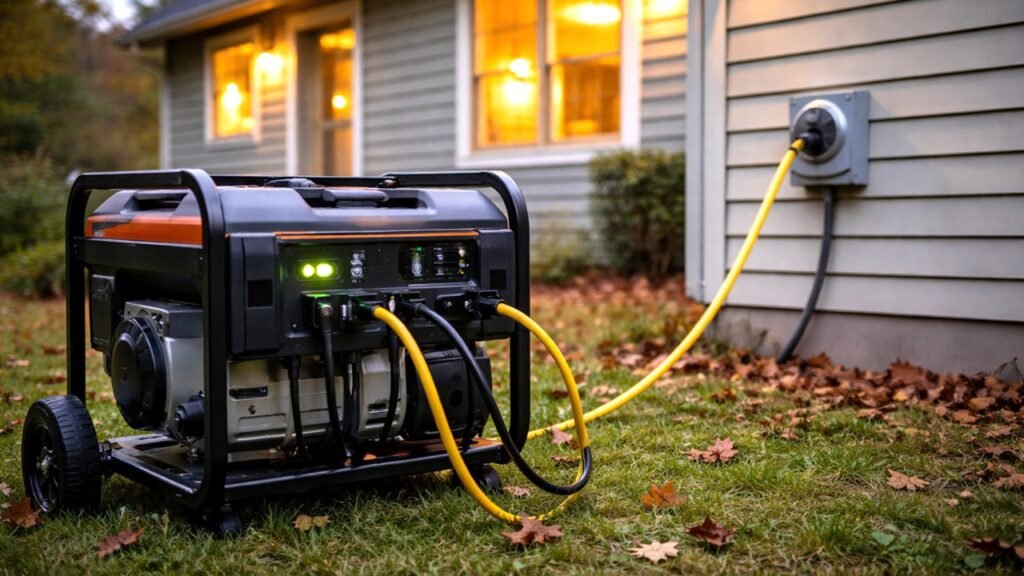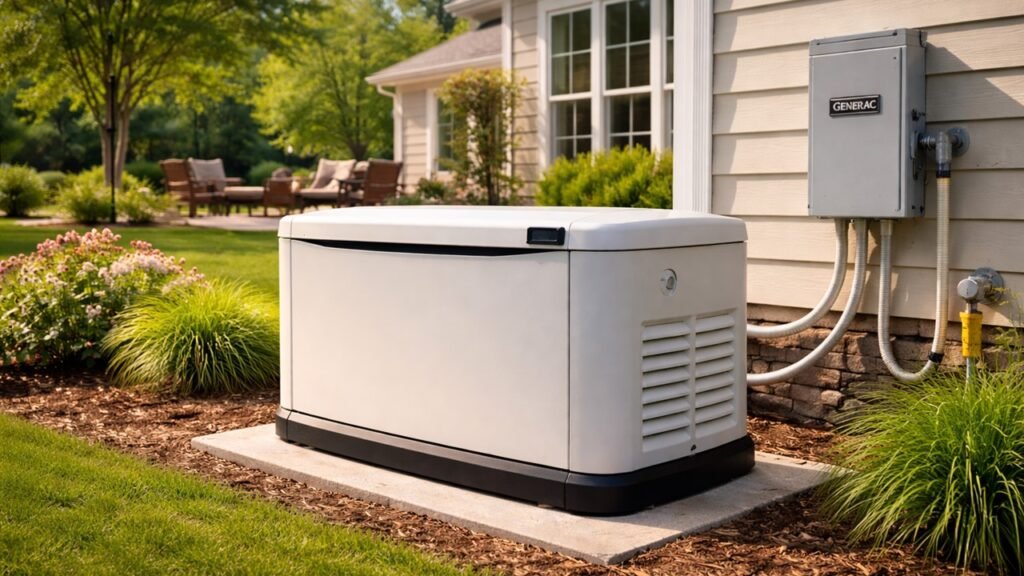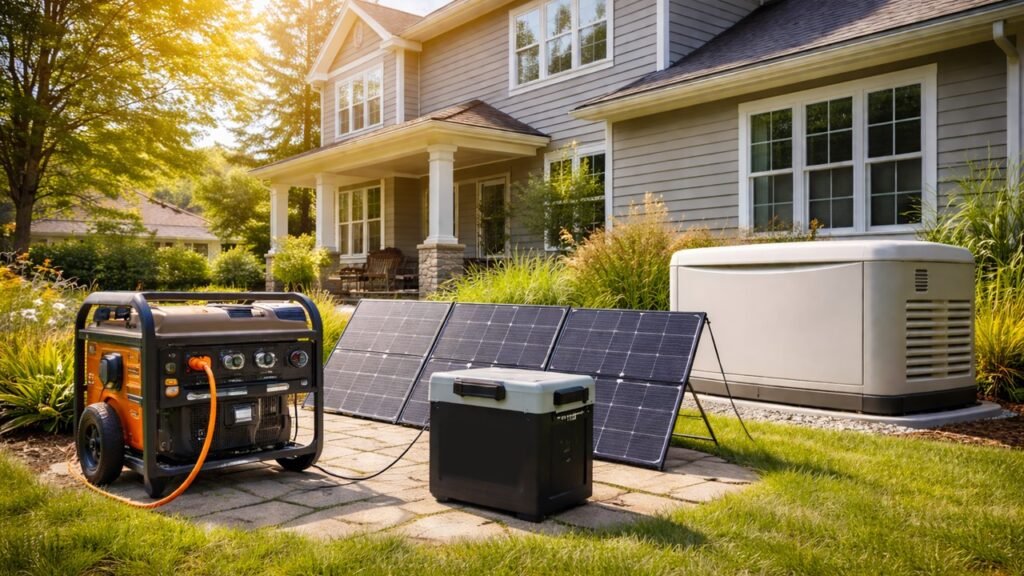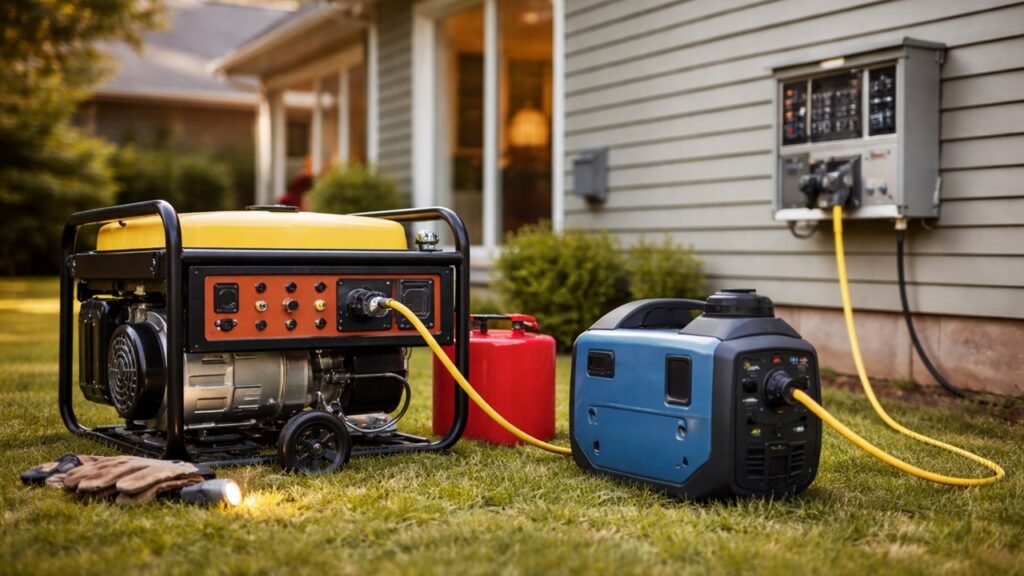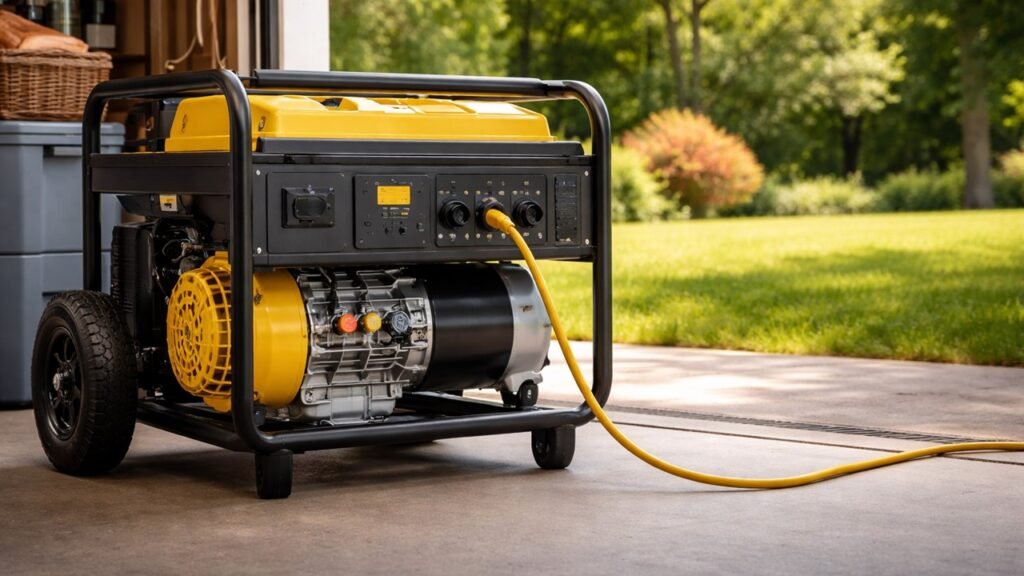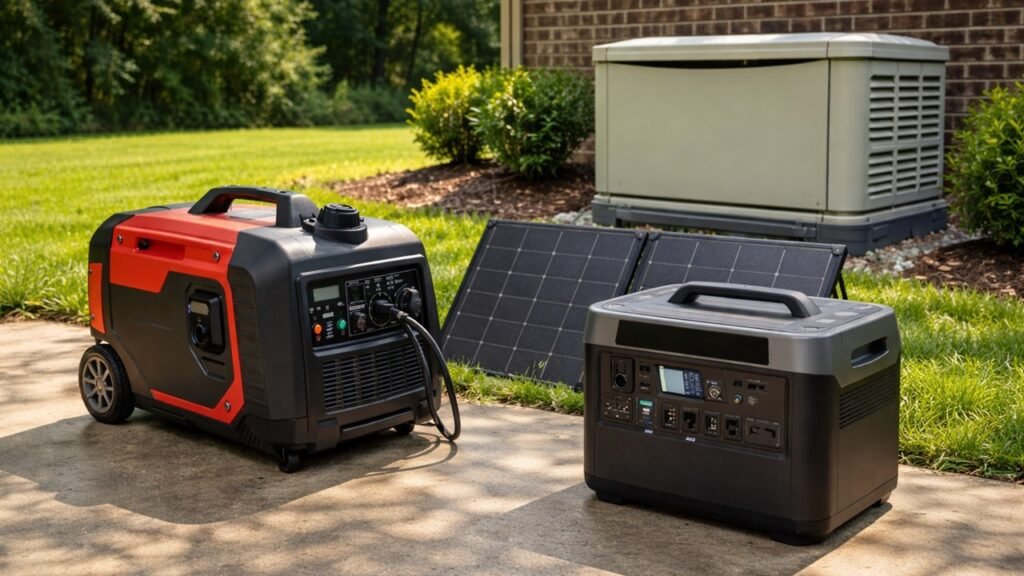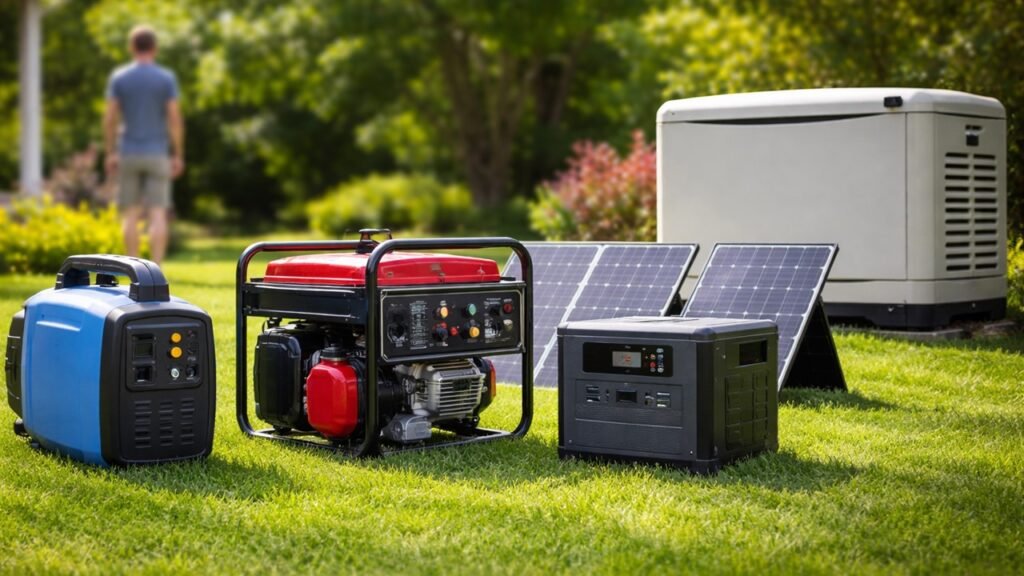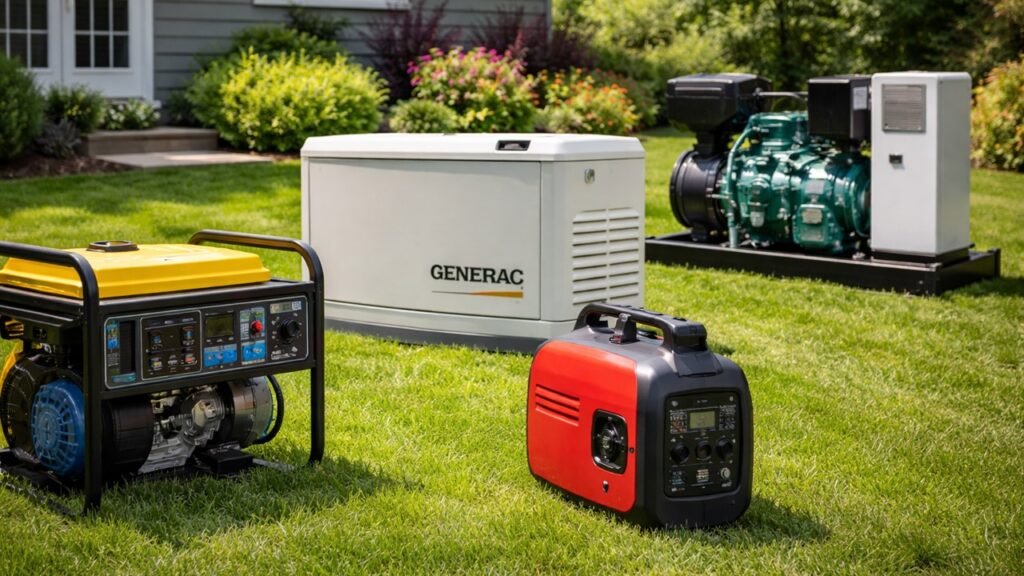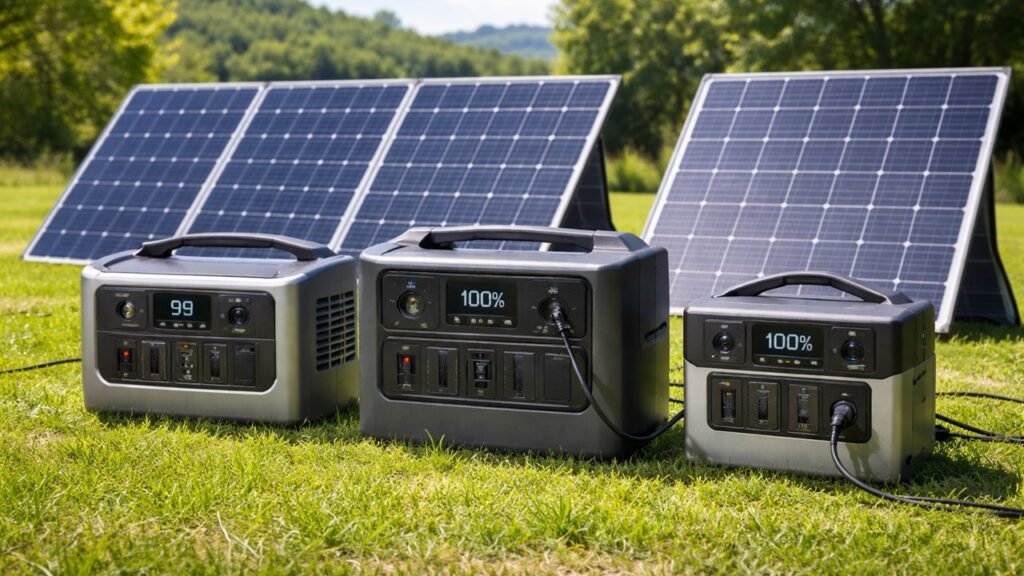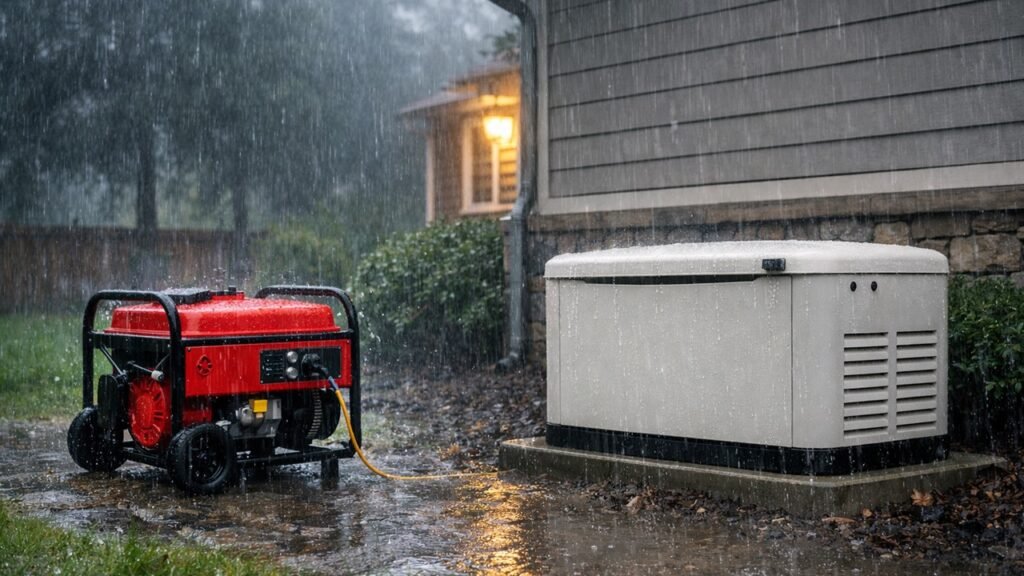
If you are looking for portable home backup generators, the right one can keep your essentials running when the power goes out. A good unit can power things like your fridge, a few lights, your WiFi router, and other must-have appliances during an outage. The right pick really comes down to how much power you need, what fuel you want to use, and how long you expect it to run.
For example, the Generac 12,500 Starting Watt Tri-Fuel is a strong fit for people who want tri-fuel flexibility, while the Westinghouse 14500 Peak Watt Tri-Fuel makes more sense for larger homes that need higher output. The Jackery HomePower 3000 is a cleaner and quieter option for indoor-safe backup, the DuroMax XP13000HX is better suited for heavier household loads, and the EF ECOFLOW Power Station 4096Wh DELTA Pro 3 works well if you like the idea of battery backup with solar support.
After testing the top portable home backup generators, this guide covers the models that stand out for outages, storms, and emergency use. If you want something dependable and practical, you will find options here for different home sizes, budgets, and backup plans.
We’re reader-supported. When you buy through links on our site, we may earn an affiliate commission. As an Amazon Associate, we earn from qualifying purchases at no extra cost to you.
Best Portable Home Backup Generator: Our Top Picks
- Best Overall Pick: Generac 12,500 Starting Watt Tri-Fuel Portable Generator (GP9500E TF)
- Best High Output Option: Westinghouse 14500 Peak Watt Tri-Fuel Home Backup (WGen11500TFc)
- Best Solar Backup Option: Jackery HomePower 3000 Portable Power Station
- Best Dual Fuel Option: DuroMax XP13000HX 13,000-Watt Dual Fuel
- Best Budget Pick: WEN 14,500-Watt 120V/240V Tri-Fuel Generator (TF-1450)
- Best Whole House Standby: Generac Guardian 22kW Home Standby Generator
- Best Solar Power Station: EF ECOFLOW Power Station 4096Wh DELTA Pro 3
- Best Heavy Duty Option: Westinghouse 28000 Peak Watt Tri-Fuel Home Backup (WGen20000TFc)
- Best Quiet Inverter Option: Champion Power Equipment 11,000-Watt
- Best Compact Inverter: Pulsar 9500W Dual Fuel Portable Inverter Generator
- Best Ultra Portable Pick: Honda 664240 EU2200i 2200 Watt
- Best Premium Standby Option: Kohler 20RESCL-200SELS 20, 000W Air-Cooled
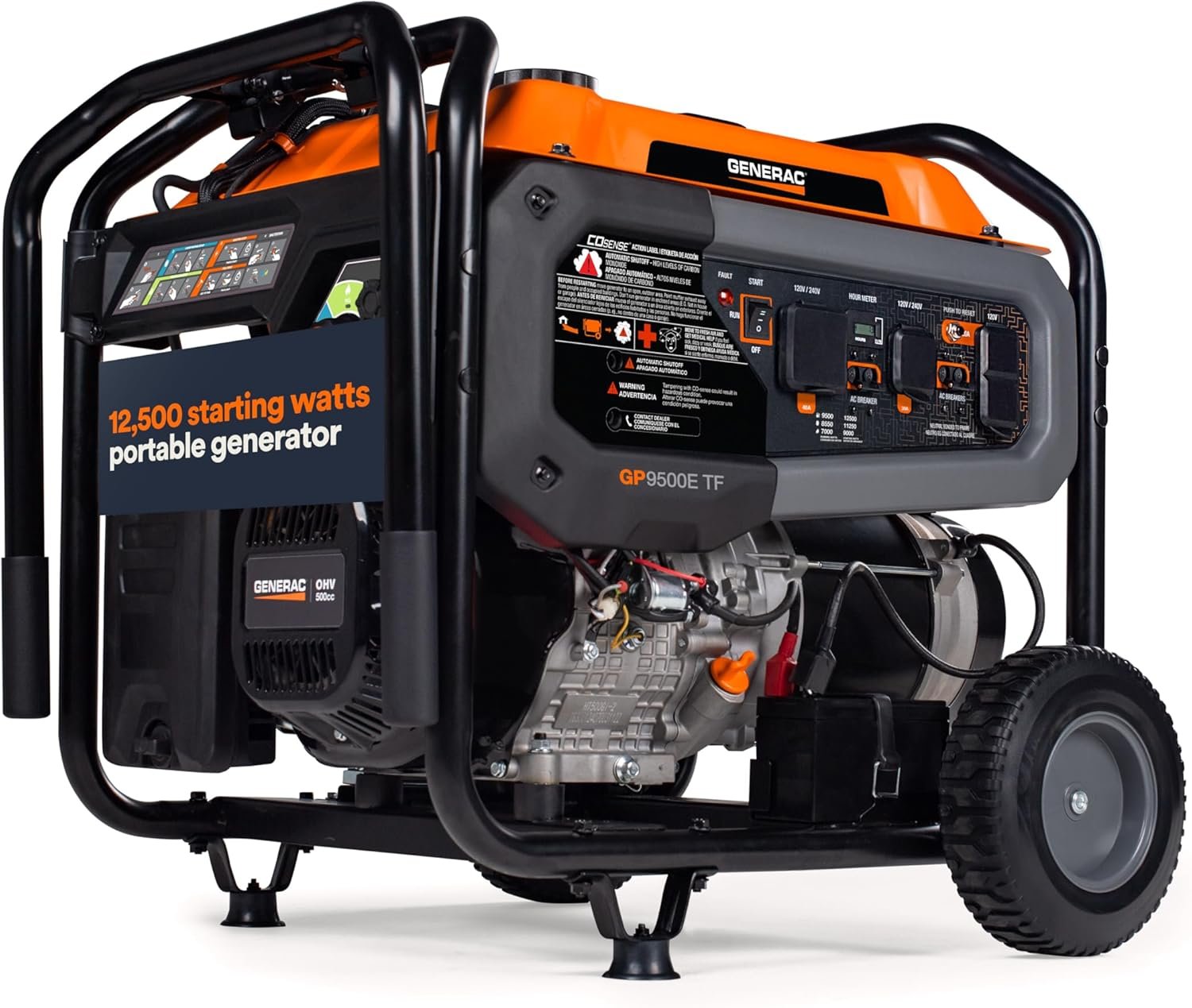
1. Best Overall Pick: Generac 12,500 Starting Watt Tri-Fuel Portable Generator (GP9500E TF)
Key Details:
- 12,500 starting watts and 9,500 running watts for strong home backup capacity.
- Tri-fuel capability runs on gasoline, propane, or natural gas.
- 7.5-gallon fuel tank delivers about 10.5 hours runtime at 50% load.
- Electric start with included battery for quick outage startup.
- COsense safety shutdown and low-oil protection built in.
If you are searching for portable home backup generators that balance power, flexibility, and reliability, the Generac GP9500E TF lands in a very comfortable spot. With 9,500 running watts available, it can keep most home essentials operating during a power outage. Refrigerators, freezers, lighting circuits, and even some heavier appliances can run together if the load is managed properly.
One thing that stands out with the Generac GP9500E TF is the tri-fuel design. When gasoline becomes harder to find during extended outages, being able to switch to propane or natural gas can make a huge difference. Many homeowners appreciate this flexibility because it allows the generator to adapt to whatever fuel source is easiest to access.
In real-world use, the electric start is the feature people end up appreciating the most. When the power suddenly drops during a storm, pushing a button instead of pulling a recoil starter makes the setup far less stressful. The rugged steel frame and never-flat wheels also help since units this size are not exactly lightweight.
If you plan to power a transfer switch setup or multiple circuits, this generator fits nicely into that role. It has enough surge power to handle appliances starting up without constantly tripping breakers, which is exactly what people expect from dependable portable home backup generators.
Pros:
- Flexible tri-fuel operation for emergency fuel options.
- Strong starting wattage handles appliance startup loads well.
- Electric start simplifies operation during outages.
- Durable steel frame and mobility kit improve usability.
Cons:
- Heavy design requires effort to move.
- Open-frame generators are not the quietest option available.
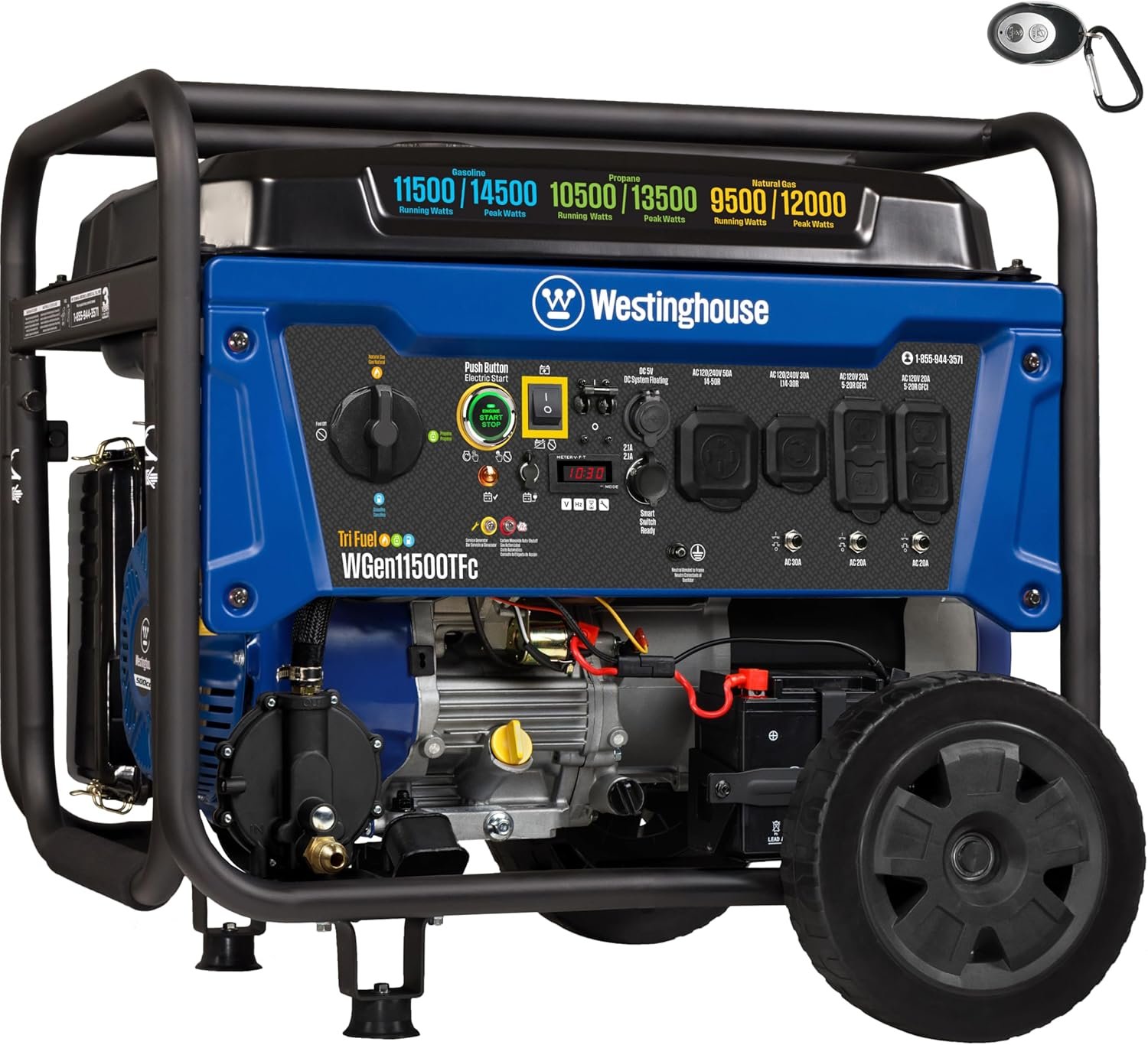
2. Best High Output Option: Westinghouse 14500 Peak Watt Tri-Fuel Home Backup (WGen11500TFc)
Key Details:
- Produces 14,500 peak watts and 11,500 running watts on gasoline.
- Runs on gasoline, propane, or natural gas for flexible emergency fueling.
- Large 9.5-gallon fuel tank provides up to 19 hours of runtime.
- Remote electric start includes a key fob for easier operation.
- Low THD power output is suitable for sensitive household electronics.
If you need a portable home backup generator that can power more than basic appliances, the Westinghouse WGen11500TFc is a top high-output option. With 11,500 running watts on gasoline, it can support multiple household circuits at once, making it ideal for larger homes and extended power outages.
This generator can run essentials like refrigerators, freezers, lights, sump pumps, and internet equipment. With proper load management and a transfer switch, it can also handle kitchen appliances, a well pump, or other high-demand devices. Automatic voltage regulation and low THD ensure safe, clean power for TVs, computers, and sensitive electronics.
The tri-fuel capability adds valuable flexibility during outages. Gasoline delivers maximum output, propane offers long-term storage, and natural gas allows continuous operation when connected. This makes it especially useful in areas prone to long outages.
The remote electric start with key fob adds convenience, letting you start the unit from a distance. Its long runtime reduces refueling frequency, though the large open-frame design requires more space and produces more noise than inverter models.
Pros:
- High running wattage supports multiple home circuits and larger appliances.
- Tri-fuel operation improves flexibility during long power outages.
- Up to 19 hours of runtime reduces frequent gasoline refueling.
- Remote electric start makes operation easier during storms and emergencies.
Cons:
- The 230-pound frame requires sufficient storage and careful movement.
- Open-frame operation is louder than most inverter generators.
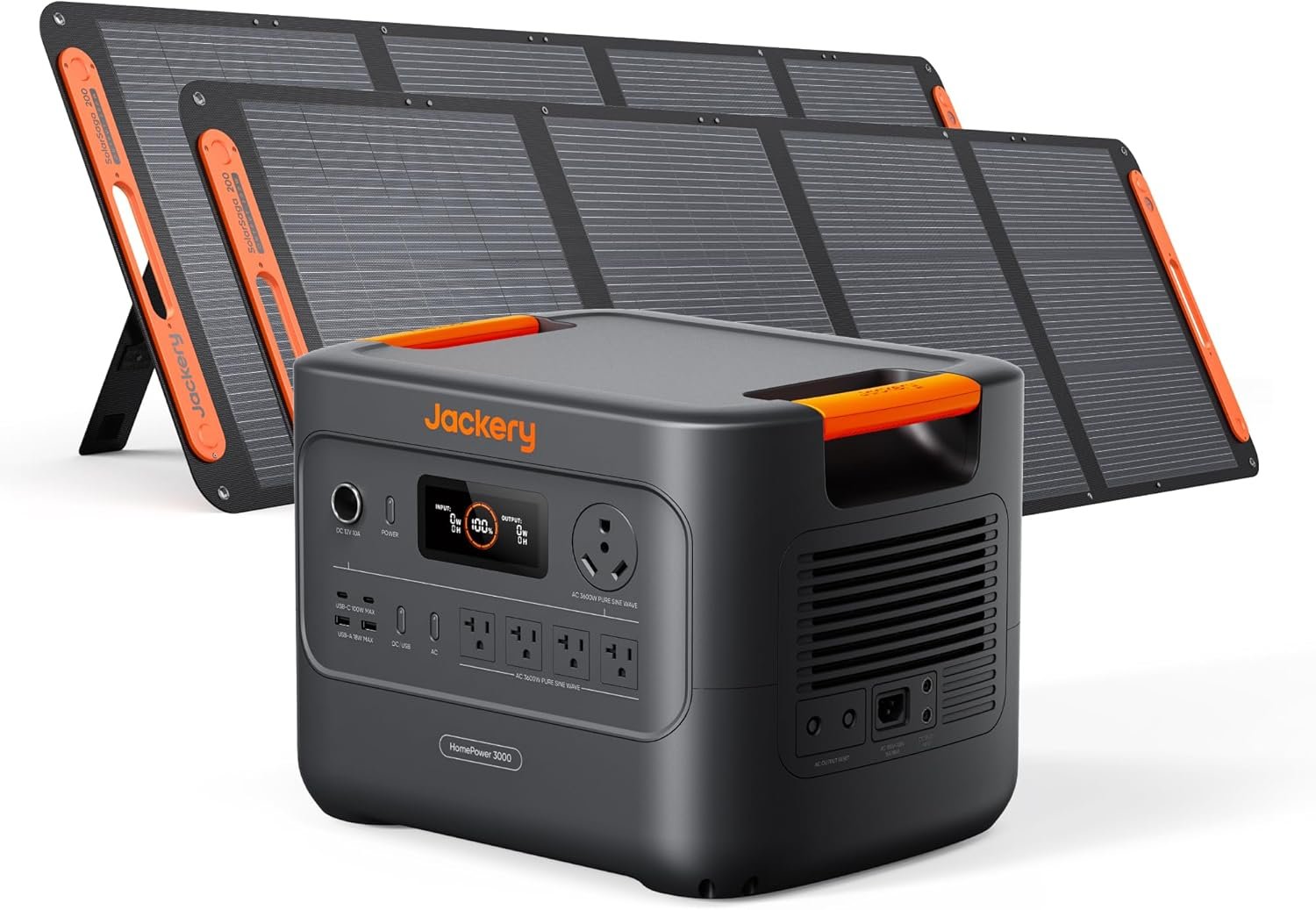
3. Best Solar Backup Option: Jackery HomePower 3000 Portable Power Station
Key Details:
- 3,072Wh LiFePO4 battery capacity.
- 3,600W output with 7,200W surge capability.
- ≤20ms UPS switching for sensitive electronics.
- Includes two 200W solar panels for recharging.
- Lightweight 59.5 lb portable design.
If you prefer clean backup power without gasoline, the Jackery HomePower 3000 is an interesting alternative to traditional portable home backup generators. Instead of using fuel, it relies on a large LiFePO4 battery combined with solar charging, making it suitable for indoor use and quiet operation.
During testing scenarios where essentials were prioritized, this type of system worked well for refrigerators, lights, internet routers, and charging stations. The Jackery HomePower 3000 delivers up to 3,600 watts of output, which is enough to run many daily household devices as long as power-hungry appliances are managed carefully.
One feature people often overlook is the UPS functionality. With a switching time of about 20 milliseconds, the system can keep electronics like security cameras, WiFi routers, or desktop computers running without interruption. For homes that rely heavily on internet connectivity, that can be extremely helpful.
Solar input also adds a practical advantage during longer outages. When paired with the included SolarSaga panels, the Jackery HomePower 3000 can slowly recharge throughout the day, allowing you to stretch your available power instead of relying entirely on fuel.
Pros:
- Indoor-safe operation with no fumes or gasoline.
- Quiet performance ideal for home environments.
- UPS support protects sensitive electronics.
- Solar charging enables renewable backup power.
Cons:
- Limited runtime for heavy appliances.
- Higher upfront cost compared with some fuel generators.
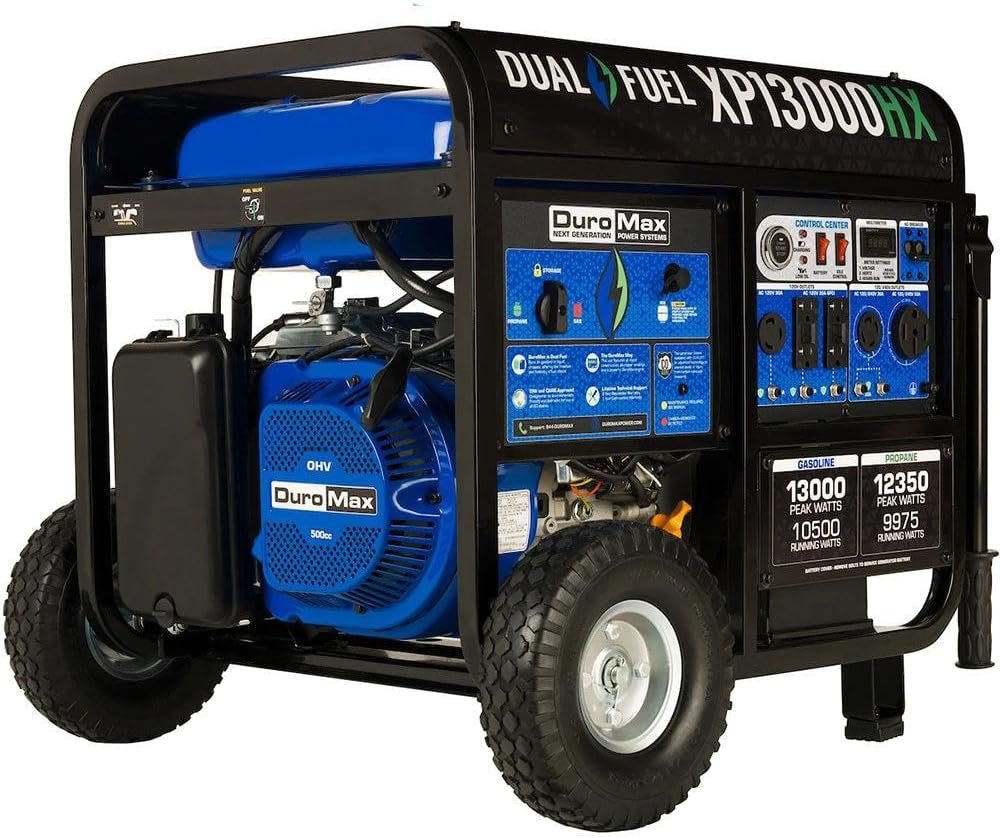
4. Best Dual Fuel Option: DuroMax XP13000HX 13,000-Watt Dual Fuel
Key Details:
- Produces 13,000 starting watts and 10,500 running watts on gasoline.
- Dual fuel operation supports both gasoline and propane.
- 120/240V output works with home transfer switch setups.
- Powerful 500cc OHV engine uses durable all-copper windings.
- Electric start and a 50-amp outlet support easier home backup use.
If you want a powerful dual fuel generator for home backup, the DuroMax XP13000HX offers enough output for much more than basic appliances. With 10,500 running watts and 13,000 starting watts, it can support multiple household circuits and handle the startup demand of refrigerators, pumps, and other motor-driven equipment.
When tested with several household loads running together, the DuroMax XP13000HX showed why its high surge capacity matters. With proper load management and a transfer switch, you can keep refrigerators, freezers, lights, sump pumps, kitchen appliances, and other essentials running during an extended power outage. Its 120/240V output also makes it much better suited to home electrical panels than smaller 120V-only generators.
We like the dual fuel capability for emergency preparedness. Gasoline gives you strong output when maximum power is needed, while propane stores much longer and is convenient to keep available for unexpected outages. If one fuel becomes difficult to find after a storm, having another option gives you more flexibility.
The power panel is another strong point for home backup use. You get both 30-amp and 50-amp connections, including a transfer-switch-ready 120/240V 50A outlet. The 500cc engine and all-copper windings are also designed for demanding use. Just keep in mind that this is a 245-pound open-frame generator, so you will need adequate storage space and should expect more operating noise than an inverter model.
Pros:
- High starting and running wattage handles demanding household loads.
- Gasoline and propane operation improves emergency fuel flexibility.
- 120/240V and 50A connections work well for transfer switch setups.
- Copper windings and a 500cc engine support heavy-duty operation.
Cons:
- At 245 pounds, it is heavier than many portable generators.
- Open-frame operation is louder than most inverter generators.
5. Best Budget Pick: WEN 14,500-Watt 120V/240V Tri-Fuel Generator (TF-1450)
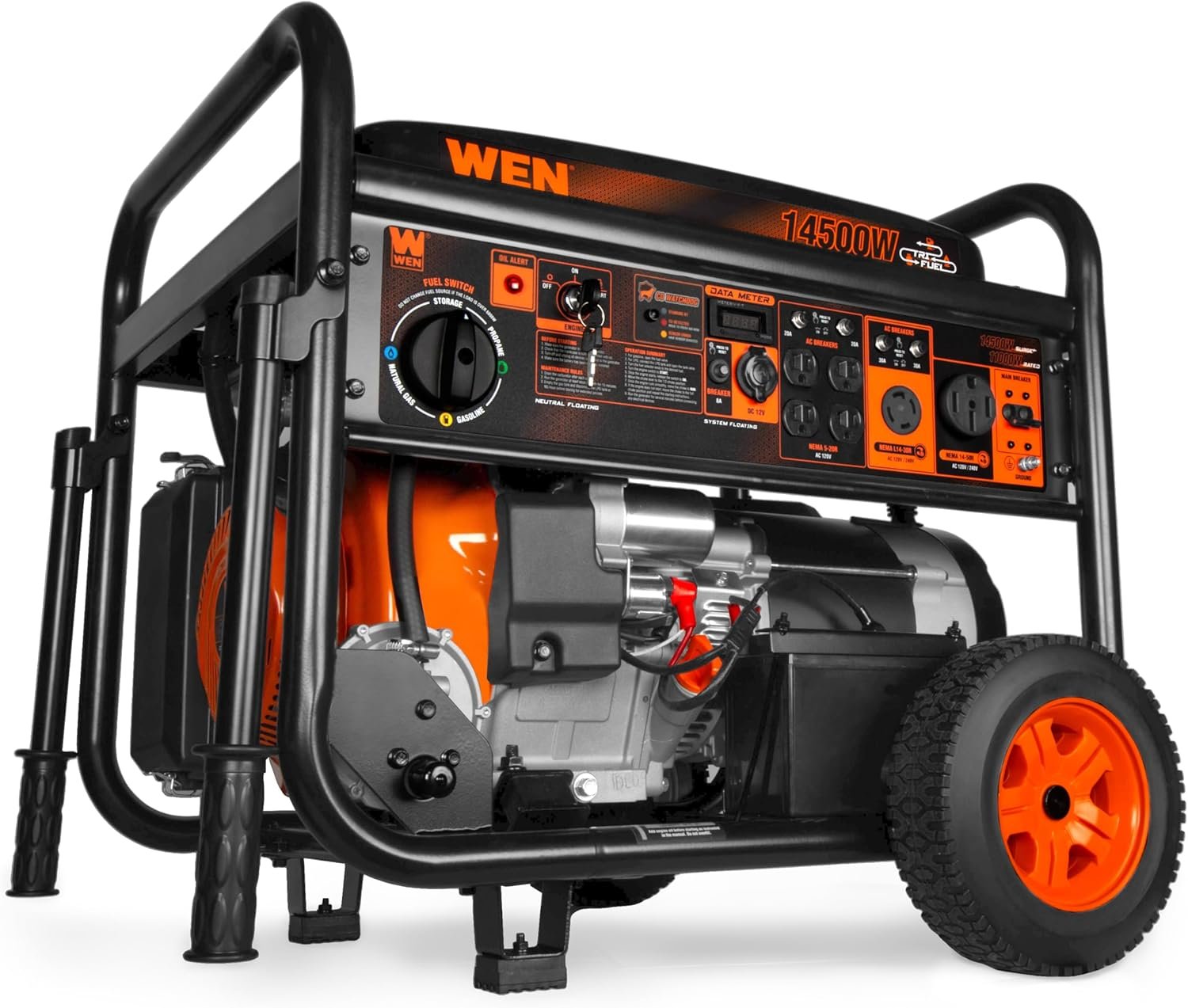
Key Details:
- 14,500 starting watts and 11,500 running watts on gasoline.
- Tri-fuel operation supports gasoline, propane, and natural gas.
- Electric start with 500cc 4-stroke OHV engine.
- 8.2-gallon fuel tank with up to about 12 hours runtime.
If you want serious wattage without paying premium prices, the WEN TF-1450X is one of those portable home backup generators that surprises people. With 11,500 running watts available on gasoline, it can handle a large portion of a home’s essential loads during a power outage.
What many homeowners like about the WEN TF-1450X is the flexibility of three fuel options. When gasoline becomes scarce during long outages, switching to propane or natural gas can make emergency power much easier to manage. That flexibility is often the difference between running a generator for hours or days.
During testing scenarios with several appliances running together, this model handled refrigerators, sump pumps, lighting circuits, and smaller kitchen appliances without difficulty. The transfer-switch ready outlets also make it practical if you plan to connect the generator directly to a home power panel.
Pros:
- High wattage at a very competitive price point.
- Tri-fuel capability adds excellent flexibility.
- Transfer-switch ready outlets simplify home connection.
- CO safety shutdown improves outage safety.
Cons:
- Large frame requires decent storage space.
- Louder than inverter generators.
6. Best Whole House Standby: Generac Guardian 22kW Home Standby Generator
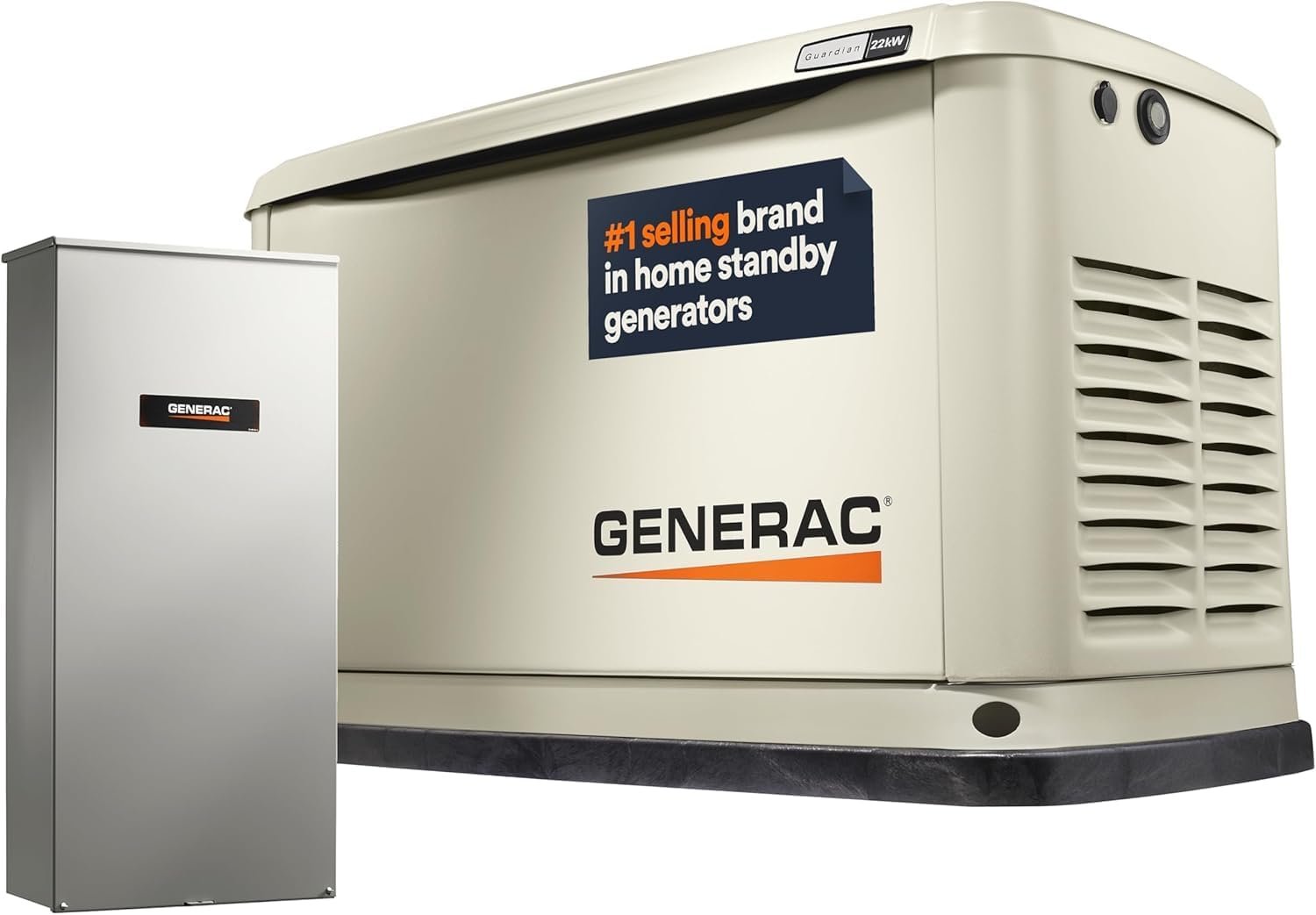
Key Details:
- 22,000 watts output for full home backup power.
- Runs on natural gas or liquid propane.
- Includes 200-amp automatic transfer switch.
- WiFi monitoring through Mobile Link.
- G-Force engine designed for long runtime reliability.
If your goal is powering the entire house automatically during an outage, the Generac Guardian 22kW sits in a completely different league from most portable home backup generators. Instead of rolling it out and starting it manually, this system automatically starts within seconds when the grid goes down.
When installed with the included transfer switch, the Generac Guardian 22kW can keep almost everything running. Air conditioning systems, refrigerators, lighting circuits, and electronics can continue operating as if the power never left.
Another reason this generator is popular is the remote monitoring capability. Through the Mobile Link WiFi system, you can check generator status, maintenance reminders, and performance from your phone. That feature becomes useful when you are away from home during a storm.
While technically not portable like the others in this list, it’s included because many homeowners comparing portable home backup generators eventually realize a standby unit may be the more convenient long-term solution.
Pros:
- Automatic power restoration during outages.
- Enough output for true whole-home backup.
- Remote monitoring through mobile app.
- Reliable engine designed for long runtime.
Cons:
- Requires professional installation.
- Much higher upfront cost than portable models.
7. Best Solar Power Station: EF ECOFLOW Power Station 4096Wh DELTA Pro 3
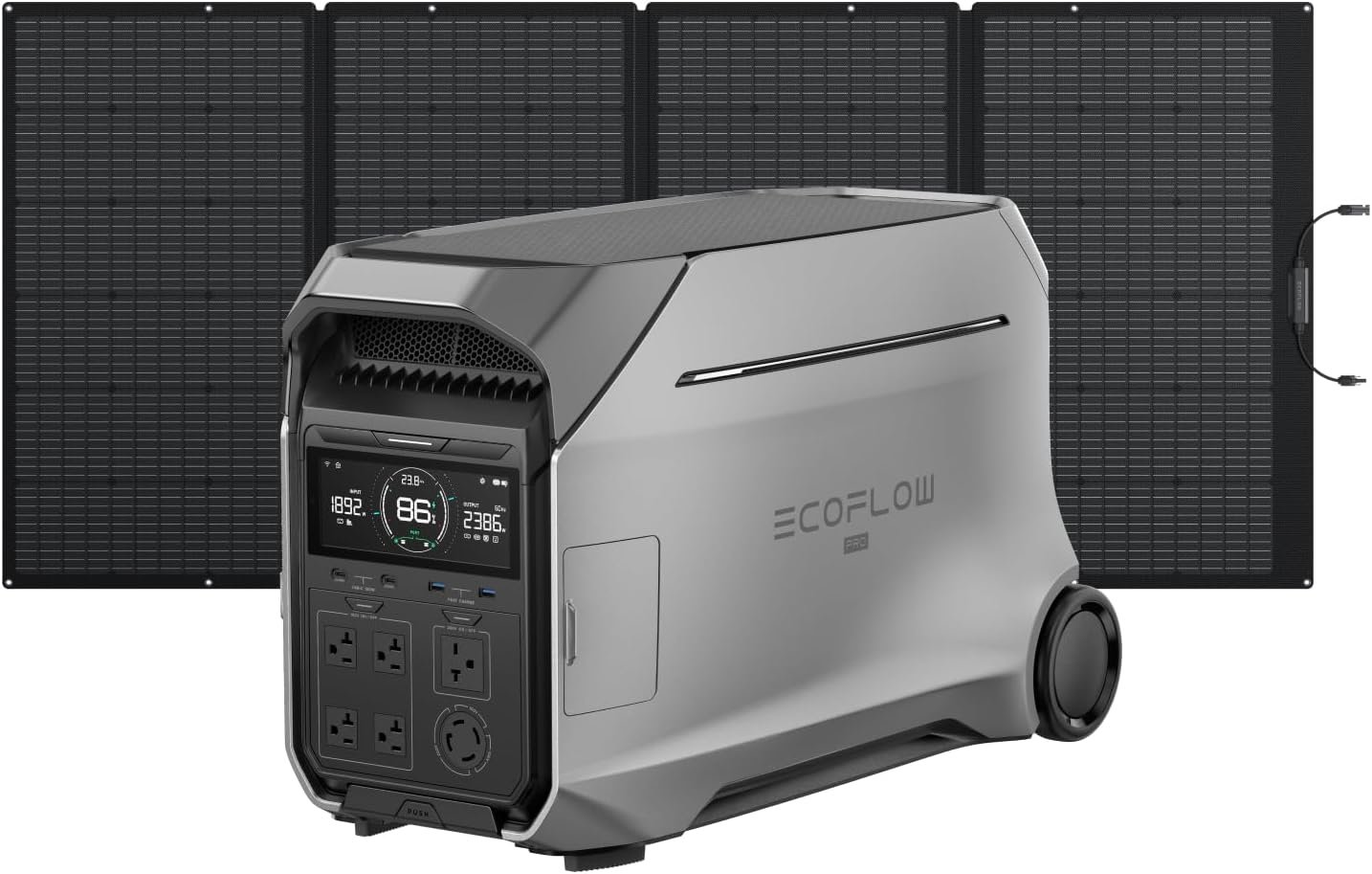
Key Details:
- 4,096Wh LFP battery capacity.
- 4,000W output with 6,000W surge capability.
- Supports 120V and 240V output.
- Includes 400W solar panel for recharging.
- Extremely quiet operation around 30 dB.
If you prefer a quiet backup solution that avoids gasoline entirely, the EcoFlow DELTA Pro 3 offers a very different experience compared with traditional portable home backup generators. Instead of fuel, it uses a large lithium battery combined with solar charging capability.
When tested with essential home loads, the EcoFlow DELTA Pro 3 performed well powering refrigerators, lights, routers, and electronics. With 4,000 watts of continuous output, it has enough power to handle many everyday appliances while remaining nearly silent.
One feature people appreciate is the extremely fast backup switching. With a transfer time around 10 milliseconds, sensitive electronics like computers, NAS systems, or home office setups stay running without interruption.
Solar charging also adds flexibility during longer outages. If sunlight is available, the EcoFlow DELTA Pro 3 can recharge during the day and continue providing power through the evening, making it a practical fuel-free emergency solution.
Pros:
- Silent operation compared with fuel generators.
- Clean indoor-safe backup power.
- Solar charging extends power availability.
- Fast UPS-style switching for electronics.
Cons:
- Higher upfront cost than many fuel generators.
- Limited runtime for heavy appliances.
8. Best Heavy Duty Option: Westinghouse 28000 Peak Watt Tri-Fuel Home Backup (WGen20000TFc)
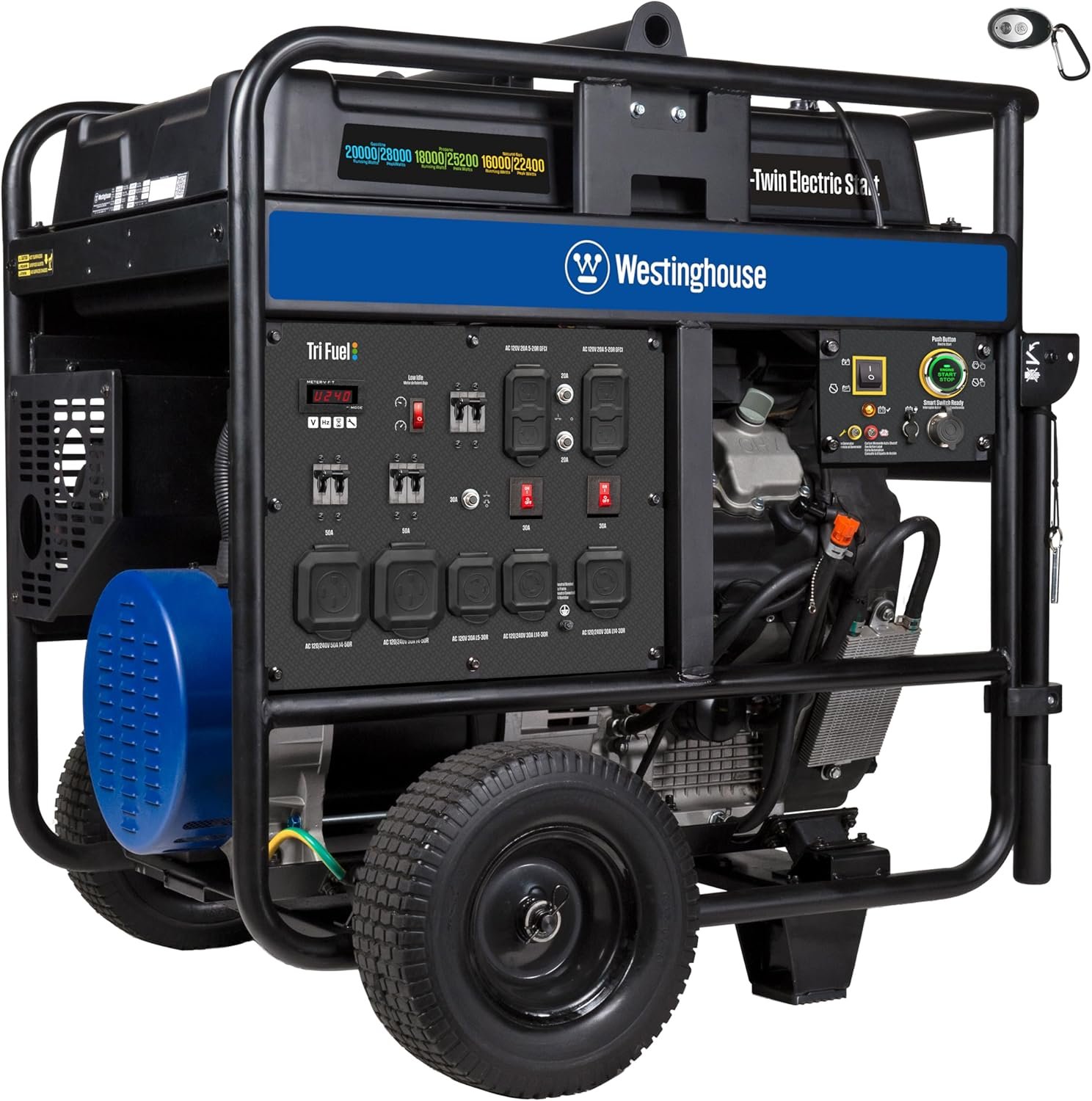
Key Details:
- 28,000 peak watts and 20,000 running watts on gasoline.
- Tri-fuel operation supports gasoline, propane, and natural gas.
- 999cc V-Twin OHV engine.
- 17.2-gallon fuel tank with up to 13 hours runtime.
- Remote electric start with transfer-switch ready outlets.
If you need massive backup power for a large property, the Westinghouse WGen20000TFc is one of the most powerful portable home backup generators available. With 20,000 running watts on gasoline, it can power major household systems that smaller generators simply cannot handle.
When tested under heavy load scenarios, this generator handled refrigerators, pumps, lighting circuits, and even large appliances without struggling. The Westinghouse WGen20000TFc is designed for homeowners who want near-whole-home backup power from a portable unit.
Another major advantage is the tri-fuel capability. Running on gasoline delivers maximum output, propane offers cleaner storage, and natural gas provides extended runtime if your home has a gas line available.
Despite the enormous output, the design still includes portability features like large wheels, reinforced handles, and lift points. While it is a heavy unit, those details help make transportation manageable for a generator of this size.
Pros:
- Extremely high output for large homes.
- Tri-fuel flexibility supports multiple fuel options.
- Transfer-switch ready outlets simplify installation.
- Powerful V-Twin engine designed for heavy loads.
Cons:
- Very heavy unit compared with most portable generators.
- Requires significant storage space.
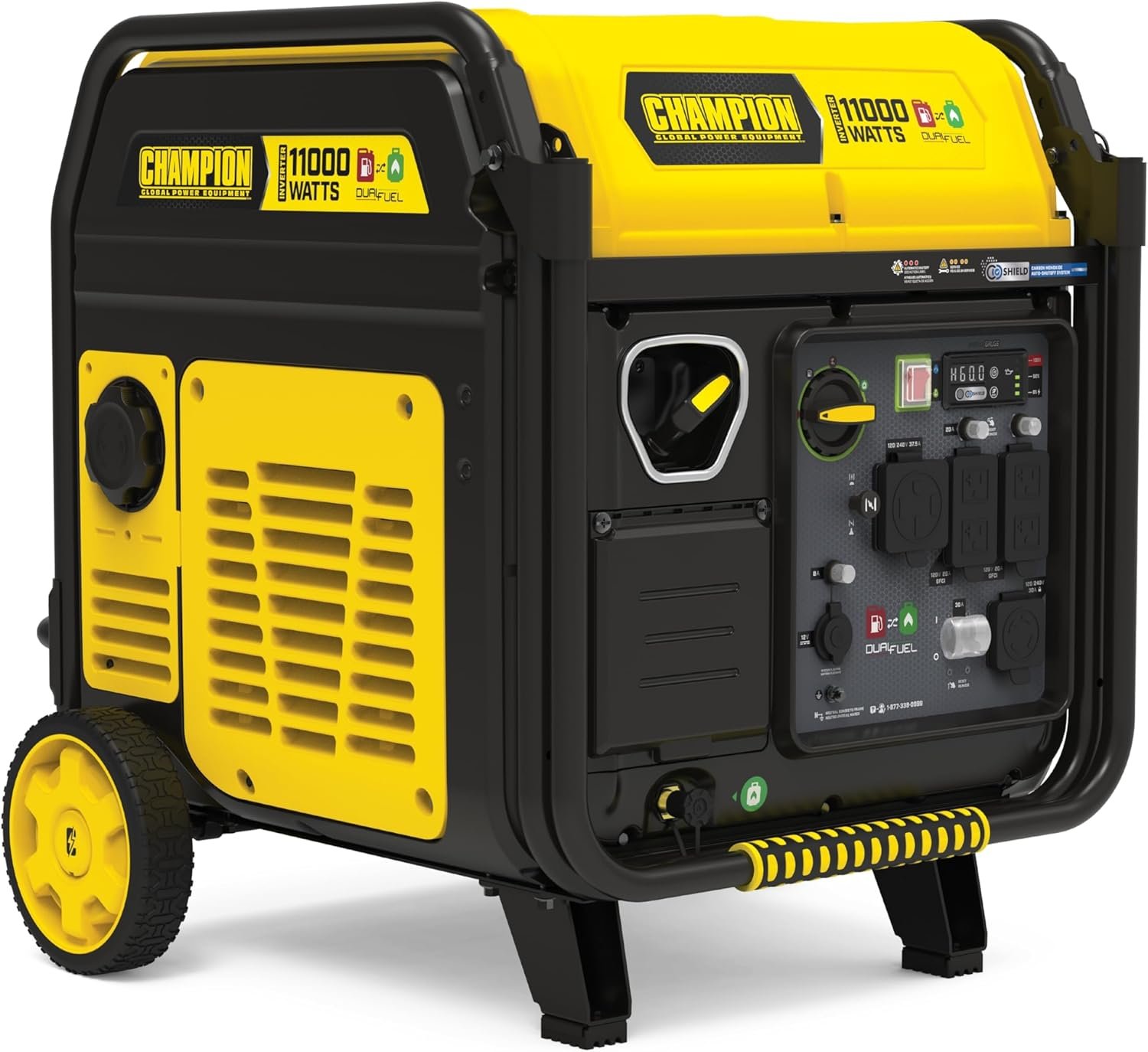
9. Best Quiet Inverter Option: Champion Power Equipment 11,000-Watt
Key Details:
- 11,000 starting watts and 9,000 running watts on gasoline.
- Dual fuel capability runs on gasoline or propane.
- Inverter generator design with cleaner power output.
- Up to about 15 hours runtime on a full gasoline tank.
- CO Shield carbon monoxide shutdown protection.
If you want the smoother power delivery of an inverter but still need serious wattage, the Champion 201417 is worth looking at. Many portable home backup generators with similar output use open-frame designs, but this inverter setup offers cleaner electricity for sensitive electronics like TVs, laptops, routers, and smart home devices.
During load testing scenarios where refrigerators, lights, and several electronics were running together, the Champion 201417 maintained stable power without fluctuations. That cleaner output matters if your home relies heavily on modern electronics or work-from-home equipment.
Another advantage is fuel flexibility. The generator can run on gasoline for maximum power or propane for cleaner storage and easier long-term fuel management. For people planning emergency backup systems, that dual fuel capability can simplify preparation.
Noise is also noticeably lower than many high-output generators. At about 64 dBA from 23 feet, it runs quieter than most traditional open-frame portable home backup generators in the same power range.
Pros:
- Inverter design provides cleaner, stable power.
- Dual fuel capability improves outage flexibility.
- Quieter operation compared with many open-frame generators.
- Long runtime supports extended power outages.
Cons:
- Higher price compared with basic open-frame generators.
- Still heavy for frequent relocation.
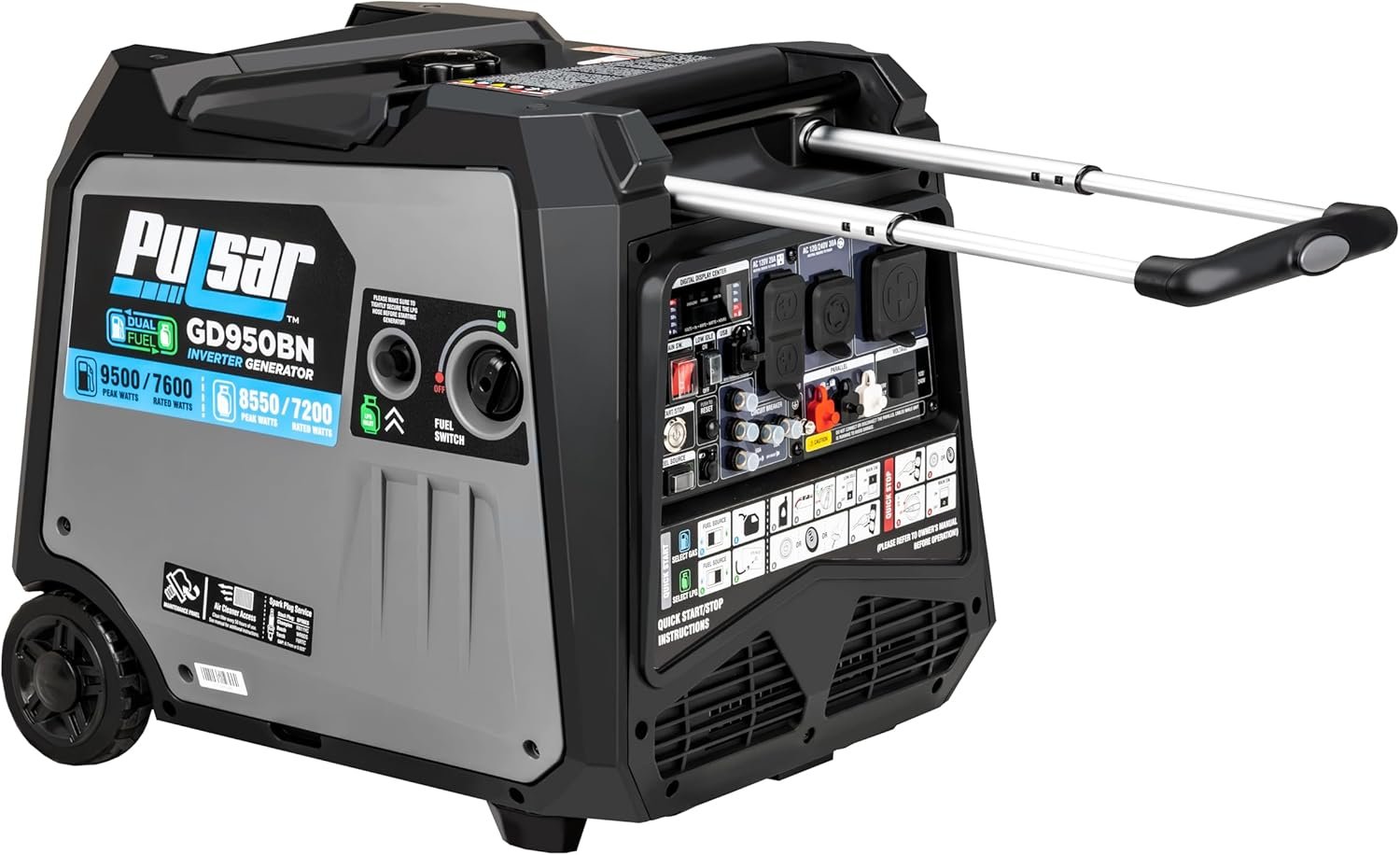
10. Best Compact Inverter: Pulsar 9500W Dual Fuel Portable Inverter Generator
Key Details:
- 9,500 starting watts inverter generator output.
- Dual fuel capability supports gasoline and propane.
- Eco mode improves fuel efficiency by adjusting engine speed.
- Parallel-ready for connecting a second generator.
- 125 lb portable design with telescoping handle and wheels.
For homeowners who want a balance between portability and real backup capability, the Pulsar GD950BN stands out among portable home backup generators. It delivers strong inverter power while remaining easier to move than many large open-frame machines.
If you live in a smaller home or only need to power essentials during an outage, this generator can handle refrigerators, lighting circuits, charging stations, and several household electronics without feeling oversized. The Pulsar GD950BN also benefits from inverter technology, which keeps the electricity stable for sensitive devices.
Fuel efficiency is another area where this generator performs well. The ECO mode automatically adjusts engine speed based on the load, helping reduce fuel consumption while also lowering noise levels during lighter power demand.
One feature many buyers appreciate is the parallel capability. If your power needs grow later, you can connect a second Pulsar unit to double your available output instead of replacing the generator entirely.
Pros:
- Lighter and easier to move than many large generators.
- Inverter power protects sensitive electronics.
- Dual fuel improves emergency fuel options.
- Parallel capability allows future power expansion.
Cons:
- Shorter runtime compared with larger generators.
- Less total output than heavy-duty models.
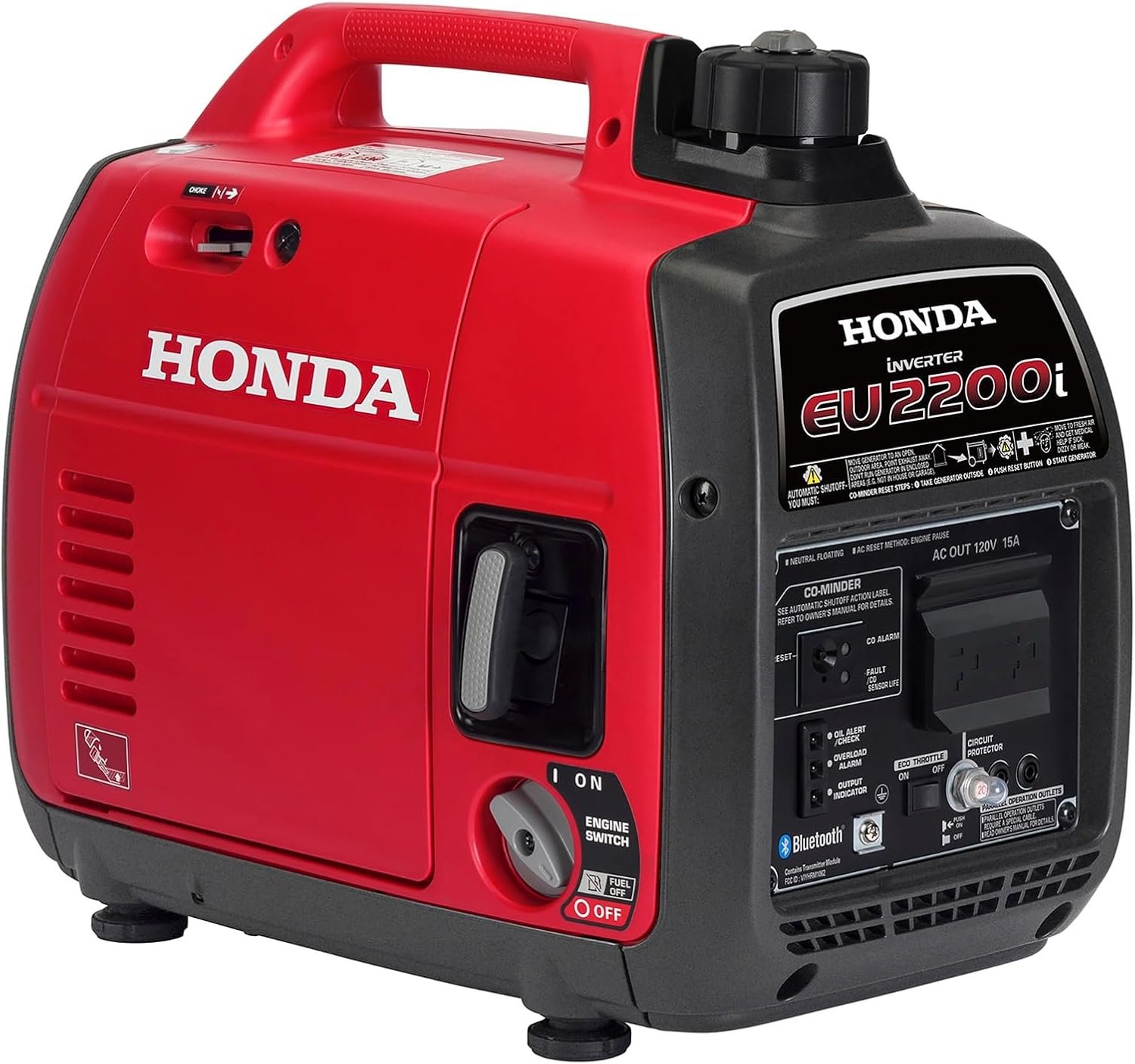
11. Best Ultra Portable Pick: Honda 664240 EU2200i 2200 Watt
Key Details:
- 2,200 starting watts and 1,800 running watts.
- Extremely quiet operation between 48–57 dBA.
- Lightweight design at about 46.5 lb.
- Eco-Throttle improves fuel efficiency.
- Parallel capable for up to 4,400 watts combined output.
Sometimes the goal is not powering the entire home, but keeping a few critical items running when the power goes out. That’s where the Honda EU2200i fits into the portable home backup generators category.
If you only need to support essentials like a refrigerator, lights, phone charging, and a router, this compact generator can handle those tasks easily. The Honda EU2200i is especially popular because it combines reliability with extremely quiet operation.
Noise levels between 48 and 57 dBA make it one of the quietest gasoline generators available. In many cases, it runs quieter than a normal conversation, which is helpful in residential neighborhoods where loud generators can become a nuisance.
Another benefit is portability. At under 50 pounds, it is easy to move around the property or store when not in use. And if you eventually need more power, two units can be connected together using a parallel kit.
Pros:
- Extremely quiet operation.
- Lightweight and easy to transport.
- Excellent fuel efficiency with Eco-Throttle.
- Honda reliability and build quality.
Cons:
- Limited output compared with larger generators.
- Requires two units for higher power needs.
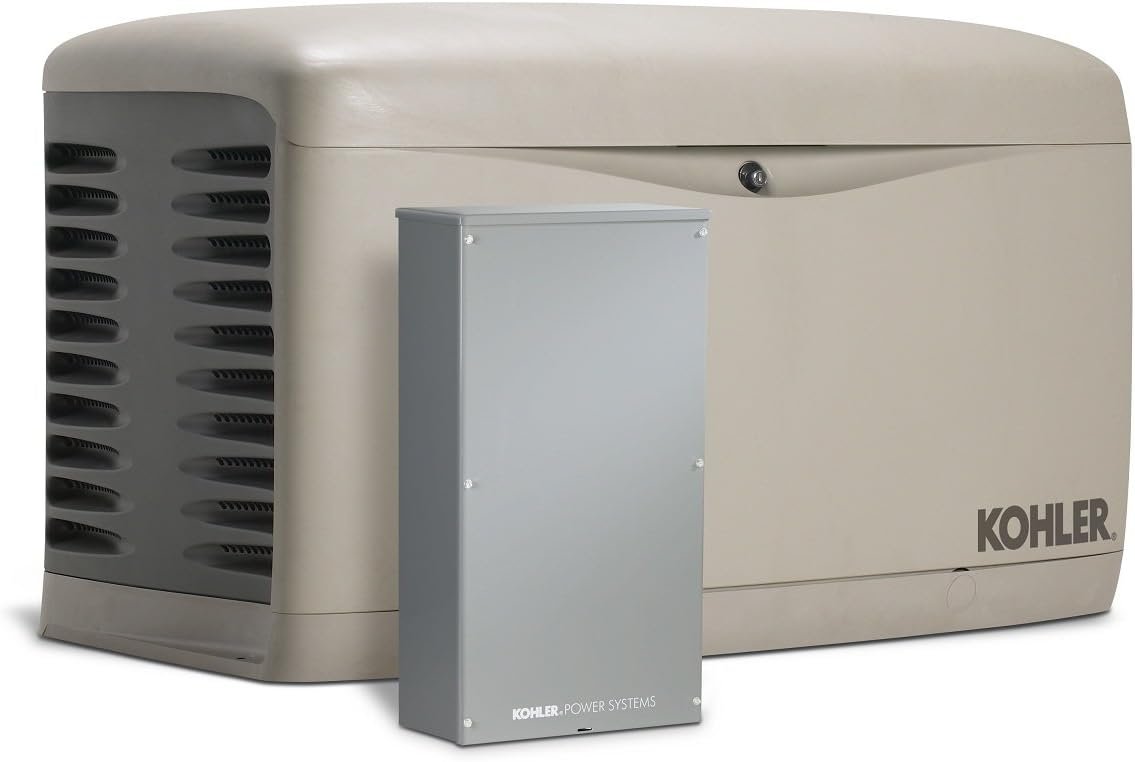
12. Best Premium Standby Option: Kohler 20RESCL-200SELS 20, 000W Air-Cooled
Key Details:
- 20,000 watts output for whole-home backup.
- Automatic startup within about 10 seconds of an outage.
- Includes 200-amp automatic transfer switch.
- Corrosion-resistant enclosure for outdoor installation.
- Designed for permanent home installation.
If your goal is complete home protection during outages, the Kohler 20RESCL moves beyond typical portable home backup generators into the standby generator category. Once installed, it automatically restores power to the home when the grid fails.
During severe weather or long utility outages, systems like the Kohler 20RESCL keep major appliances running without any manual setup. Refrigerators, sump pumps, HVAC systems, and lighting circuits can continue operating as soon as the generator starts.
Another advantage is response speed. This generator is designed to restore electricity to the house within about 10 seconds of a power interruption, which helps prevent food spoilage, basement flooding, or electronics shutting down.
Although it requires professional installation, many homeowners eventually consider this type of generator after comparing portable home backup generators and realizing they want a fully automatic system.
Pros:
- Automatic whole-home power restoration.
- Strong 20kW output supports major appliances.
- Durable corrosion-resistant enclosure.
- Fast startup during outages.
Cons:
- Requires professional installation.
- Much higher purchase and installation cost.
What Is a Portable Home Backup Generator?
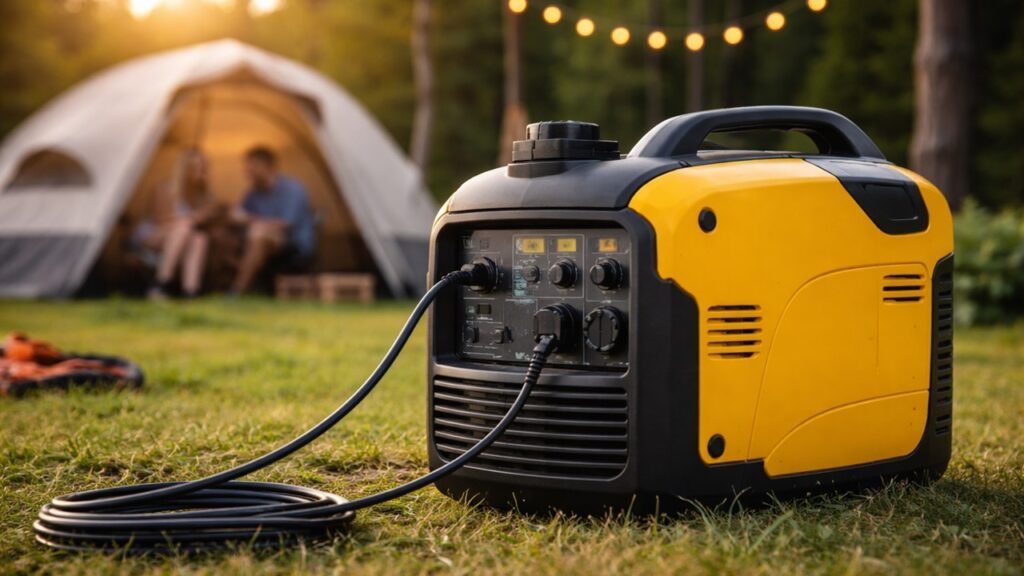
A portable home backup generator is a machine that supplies electricity during a power outage. It gives you temporary power for important household items when utility service is down. That can include your refrigerator, freezer, lights, fans, internet equipment, or other essentials you do not want to lose during an emergency.
Most portable home backup generators run on gasoline, propane, natural gas, or a mix of those fuels. Some newer backup options use battery power instead, which makes them quieter and safer for indoor use. Fuel-powered models usually offer more output, while battery units are more convenient for smaller essential loads.
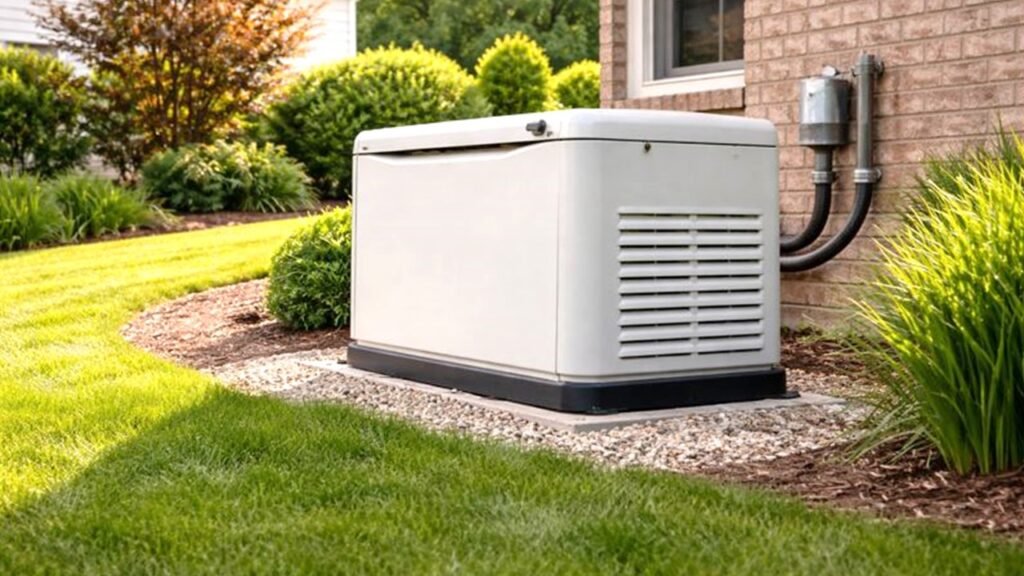
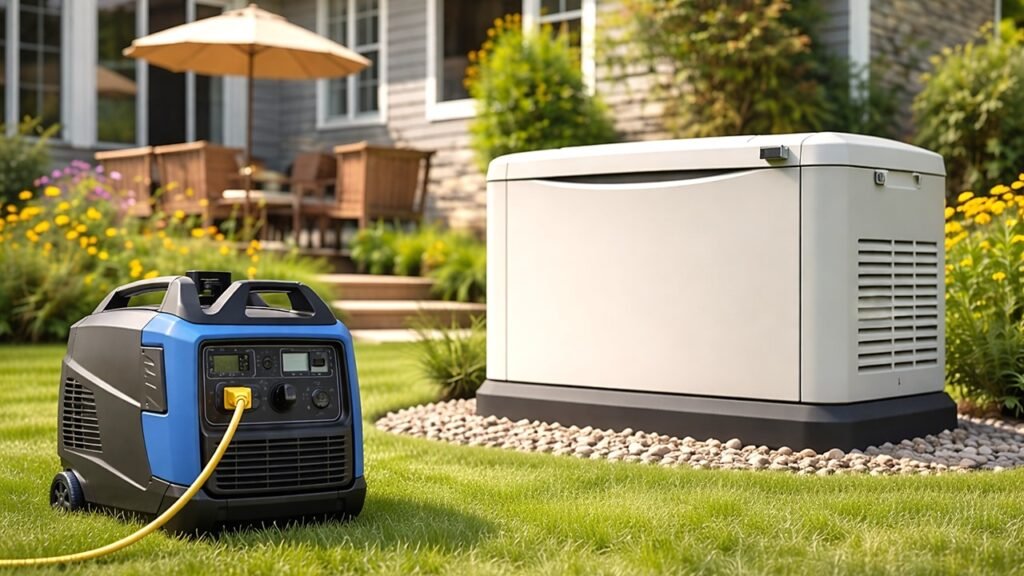
Portable models are different from standby generators because they usually need to be rolled out, started, and connected when the outage happens. A standby generator stays permanently installed and turns on automatically. For many buyers, portable units make more sense because they cost less and still provide reliable emergency backup power.
Who Should Buy a Portable Home Backup Generator?
A portable home backup generator makes sense for anyone who wants emergency power without the cost and commitment of a permanent standby system.
You should consider one if:
- You live in an area where storms, grid issues, or seasonal outages happen often.
- You need to keep essentials like a refrigerator, freezer, sump pump, or well pump running during an outage.
- You want a more affordable backup solution than a permanently installed whole-house generator.
- You want something that can help during emergencies, home projects, or temporary off-grid situations.
- You like the flexibility of using the same unit for home backup, RV trips, camping, or jobsite use.
- You want fuel options like propane or natural gas for easier long-outage planning.
Portable home backup generators are especially useful for homeowners who want control over what stays powered when the grid goes down. If keeping the basics running matters to you, this type of generator is one of the most practical emergency tools you can buy.
How to Choose the Best Portable Home Backup Generator
Choosing the right portable home backup generator comes down to matching the generator’s power output, fuel type, and runtime with your household needs. The best choice is the one that can run your essential appliances safely while remaining practical to store, fuel, and maintain.
Determine the Right Generator Size for Your Home
Generator size determines how many appliances you can run during an outage. Portable home backup generators are usually rated in starting watts and running watts. Starting watts handle appliance startup surges, while running watts support continuous operation.
Most households need at least 5,000 to 7,500 running watts to keep essential circuits powered. If your goal is to run refrigerators, sump pumps, lights, and small kitchen appliances, a generator in the 7,500 to 10,000 watt range is often sufficient. Larger homes with well pumps, HVAC systems, or multiple refrigerators may require 10,000 watts or more.
A practical approach is to add up the running wattage of essential appliances and include the highest starting wattage appliance in the calculation. This ensures the generator can handle startup surges without overloading.
Choose the Right Fuel Type
Fuel type affects how easily you can operate the generator during an extended outage. Most portable home backup generators run on gasoline, propane, natural gas, or a combination of these fuels.
Gasoline generators typically provide the highest power output and are widely available. However, gasoline has a limited storage life and can be difficult to obtain during large regional outages. Propane burns cleaner and stores longer, making it a reliable backup fuel for emergencies. Natural gas generators connect directly to a home gas line, which eliminates refueling as long as the gas supply remains active.
Many homeowners prefer dual fuel or tri fuel generators because they allow switching between fuels depending on availability.
Consider Runtime and Fuel Tank Capacity
Runtime determines how long a generator can operate before needing to refuel. During an outage, longer runtime means fewer trips outside to refill the tank.
Portable generators usually run between 8 and 20 hours depending on the fuel tank size and electrical load. Larger tanks extend runtime, while lower power loads also increase operating time. Some models can operate overnight without refueling, which is useful during storms or long power interruptions.
Fuel efficiency is also important. Generators with eco modes or variable engine speed often use less fuel when powering lighter loads.
Look for Transfer Switch Compatibility
A transfer switch allows a generator to safely power selected circuits in your home. Instead of running extension cords to individual appliances, the generator can feed electricity directly into your electrical panel.
Generators that support transfer switches usually provide 120/240 volt outlets and higher amperage connections such as 30 amp or 50 amp outlets. These connections make it easier to power multiple circuits at once.
If your goal is to run multiple household systems, choosing a transfer switch ready generator makes the setup much safer and more convenient.
Evaluate Noise Levels and Portability
Noise and portability are important factors when using portable home backup generators in residential neighborhoods.
Open frame generators often produce more noise but deliver higher power output at a lower price. Inverter generators are typically quieter and produce cleaner electricity, but they may cost more and provide less output.
Portability also matters if the generator will be moved frequently. Models with wheels, folding handles, and lighter frames are easier to reposition or store when not in use.
Portable Vs Standby Generator for Home Backup
When comparing backup power solutions, homeowners often decide between portable generators and standby generators. Both options provide electricity during outages, but they operate very differently.
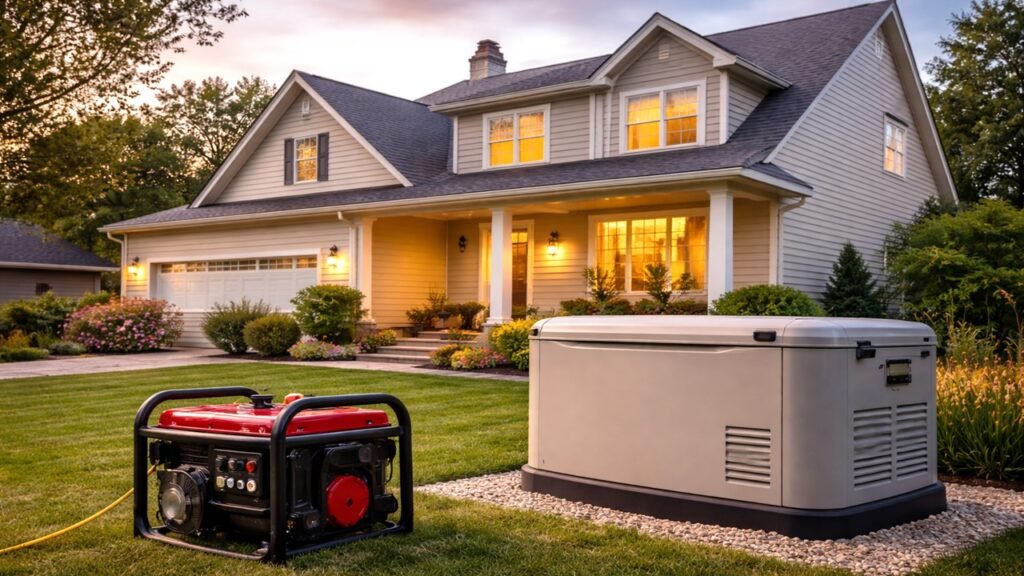
Portable generators require manual setup and are usually powered by gasoline, propane, or dual fuel systems. Standby generators are permanently installed and automatically turn on when the utility power fails.
| Feature | Portable Generator | Standby Generator |
| Installation | No permanent installation required | Requires professional installation |
| Startup | Manual start during outages | Automatic startup |
| Cost | Lower upfront cost | Higher purchase and installation cost |
| Power Output | Typically 2,000 to 12,000 watts | Often 20,000 watts or more |
| Fuel Source | Gasoline, propane, natural gas | Natural gas or propane |
| Maintenance | Owner performs maintenance | Often serviced professionally |
| Use Case | Emergency backup for essential appliances | Whole-house automatic backup |
Portable home backup generators work well for homeowners who want affordable emergency power. Standby generators are more suitable for those who want automatic whole-home protection without manual setup.
How Long Can a Portable Generator Run During an Outage?
Portable generator runtime depends on fuel capacity, generator size, and how much power is being used. Most generators can operate between 8 and 15 hours on a full tank when running at about half load.
If the generator is powering fewer appliances, the runtime usually increases because the engine consumes less fuel. Heavy electrical loads, such as air conditioners or electric heaters, reduce runtime because the generator must work harder.
Fuel type also affects how long the generator can run. Gasoline generators rely on tank capacity, while propane tanks can be swapped quickly to extend operation. Natural gas generators connected to a home gas line can potentially run continuously as long as the gas supply remains available.
Portable Generator Safety for Home Use
Portable generators provide valuable backup power, but they must be used carefully to avoid safety risks. Improper use can lead to carbon monoxide exposure, electrical hazards, or fire risks.
Most generator accidents occur because the unit is placed too close to the home or used indoors. Generators should always operate outdoors with proper ventilation.
Safe generator use includes the following precautions:
- Place the generator at least 20 feet away from doors, windows, and vents to prevent carbon monoxide from entering the home.
- Never run a generator inside a garage, basement, or enclosed porch even if doors or windows are open.
- Use heavy duty outdoor extension cords rated for the electrical load you plan to run.
- Install carbon monoxide detectors inside your home for additional protection.
- Keep the generator dry and operate it under a canopy or generator tent during rain.
- Turn off the generator and allow it to cool before refueling to prevent fire hazards.
- Use a transfer switch or interlock kit when connecting a generator to your home’s electrical system to prevent dangerous backfeeding.
Following these safety practices helps ensure portable home backup generators provide reliable emergency power without unnecessary risk.
Final Verdict
Portable home backup generators provide reliable emergency electricity when the grid goes down. The right generator keeps essentials like refrigerators, lighting, communication devices, and sump pumps running during storms or unexpected outages. When choosing one, the key factors to consider are power output, fuel type, runtime, and how much of your home you want to keep operational.
If you want a balanced generator that works well for most households, the Generac 12,500 Starting Watt Tri-Fuel Portable Generator (GP9500E TF) is a practical choice. Its tri-fuel capability gives you flexibility during outages, and the 9,500 running watts are enough for refrigerators, lights, and multiple home circuits.
For larger homes or heavier electrical loads, the Westinghouse 14500 Peak Watt Tri-Fuel Home Backup (WGen11500TFc) delivers more output. It offers strong running wattage and longer runtime, making it suitable for homeowners who want to run more appliances simultaneously during extended outages.
If you prefer a quieter and cleaner backup solution, the Jackery HomePower 3000 Portable Power Station is worth considering. It works well for indoor-safe backup and essential electronics while avoiding fuel, noise, and exhaust. This makes it a practical option for smaller loads and modern connected homes.
Portable home backup generators remain one of the most practical tools for emergency preparedness. With the right generator, you can keep your home functioning safely and comfortably when power outages occur.
Related FAQs
How many watts do I need for a portable home backup generator?
Most homes need 5,000 to 7,500 running watts to power essentials like refrigerators, lights, and internet equipment. Larger homes or homes with well pumps may require 10,000 watts or more.
Can a portable generator power an entire house?
Most portable generators power essential appliances rather than the entire home. High output models connected to a transfer switch can run several circuits at once.
Is propane or gasoline better for portable generators?
Gasoline usually provides higher power output, while propane stores longer and burns cleaner. Many portable home backup generators support dual fuel or tri fuel operation.
Are portable generators safe for electronics?
Yes, but inverter generators or low THD generators provide cleaner electricity that is safer for computers, TVs, and other sensitive electronics.
How long can a portable generator run continuously?
Most portable generators run between 8 and 15 hours depending on tank size and electrical load. Lower power usage usually increases runtime.
Do portable generators require maintenance?
Yes. Portable generators need regular oil changes, air filter cleaning, and fuel stabilization to maintain reliable performance during emergencies.

Robert Caldwell writes in-depth guides and reviews focused on generators, backup power systems, and portable energy equipment. His work is grounded in hands-on testing, covering fuel types, runtime performance, noise levels, and real-world reliability. He helps homeowners, RV owners, and outdoor users choose dependable power solutions with confidence. Every article emphasizes clear explanations, safe operation, and long-term value.