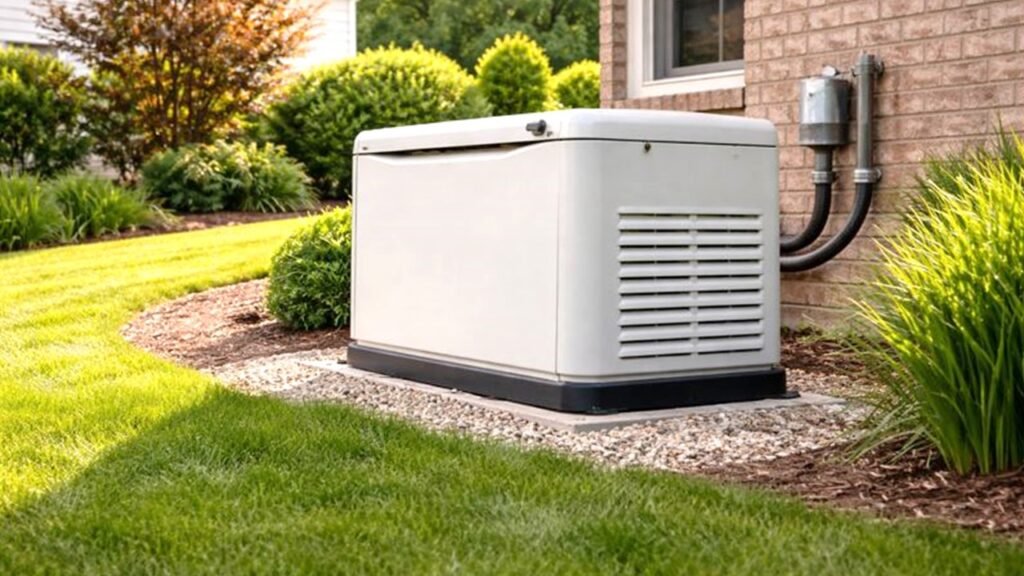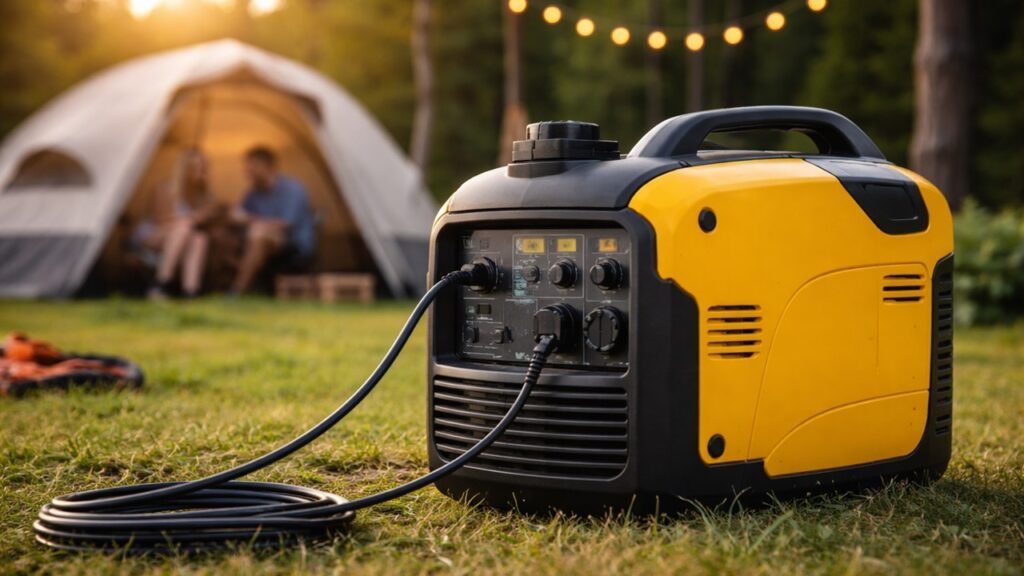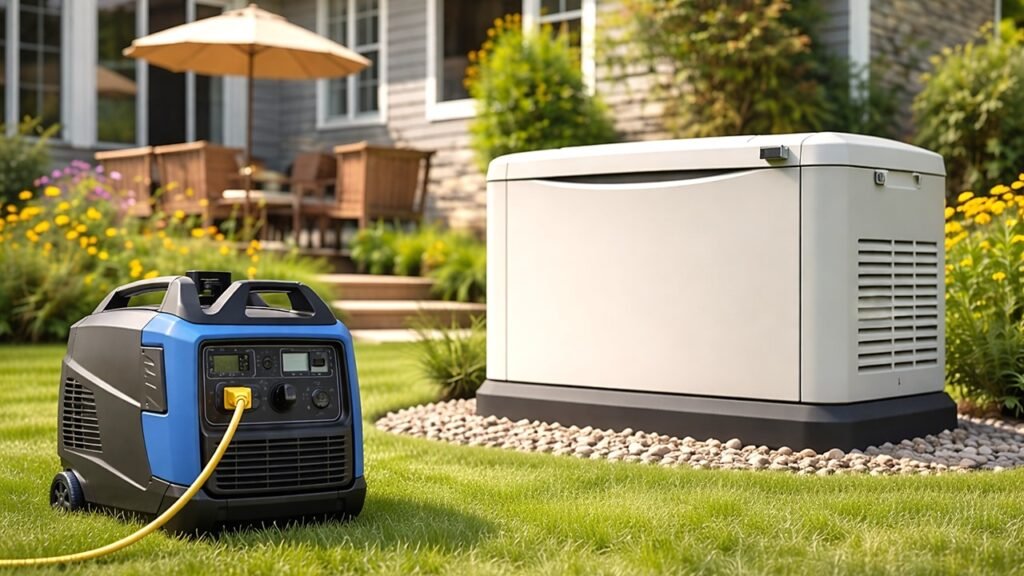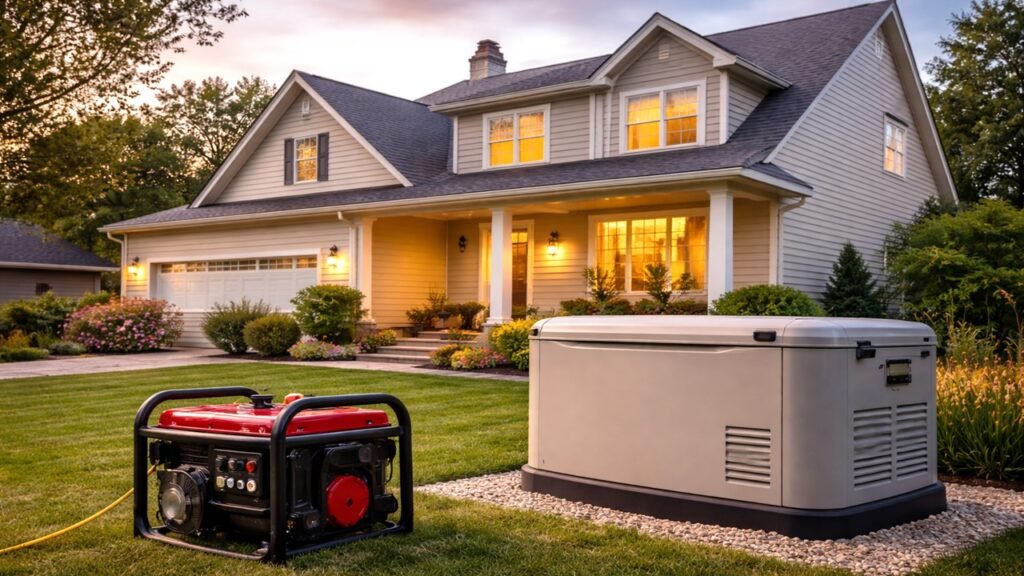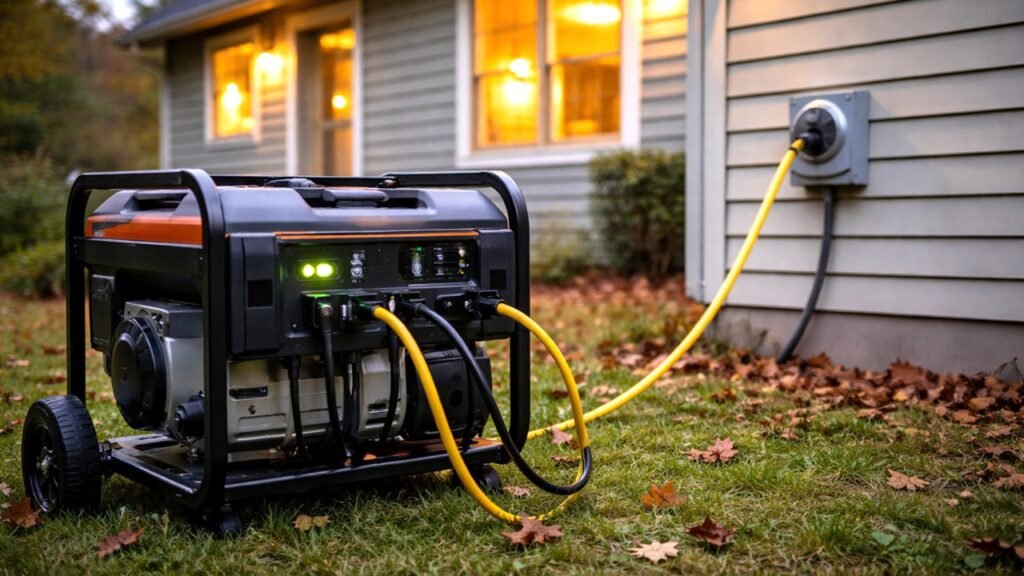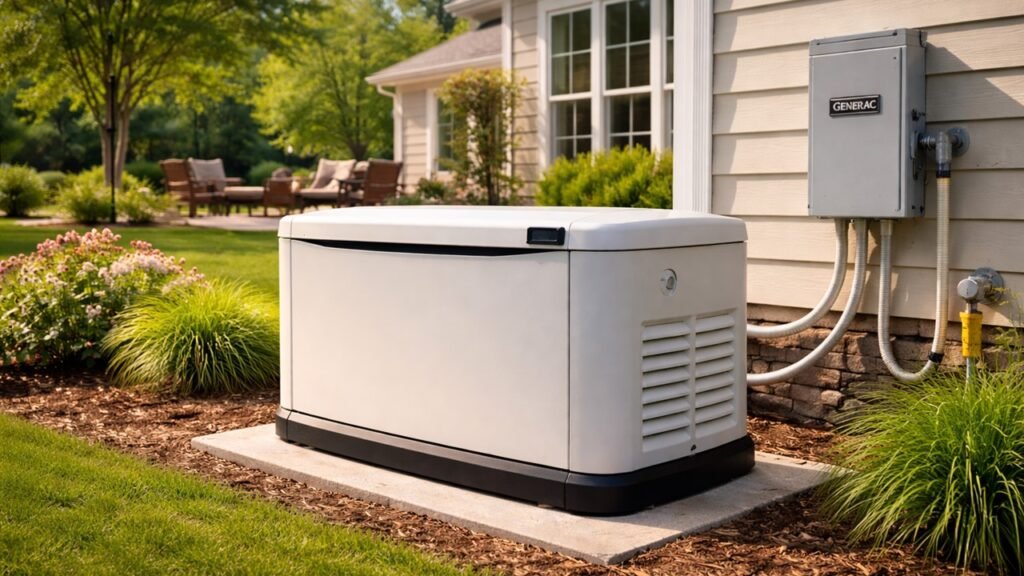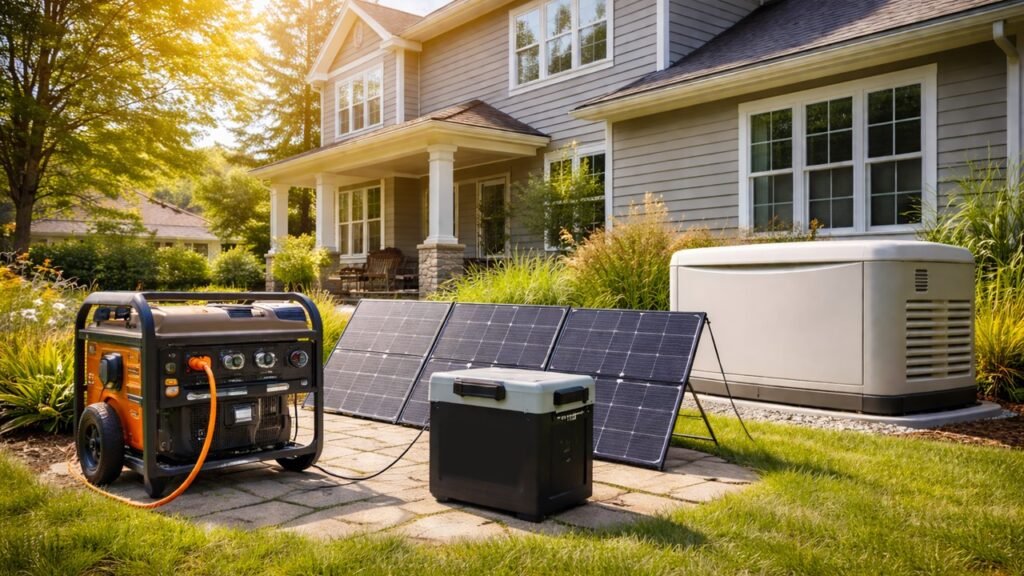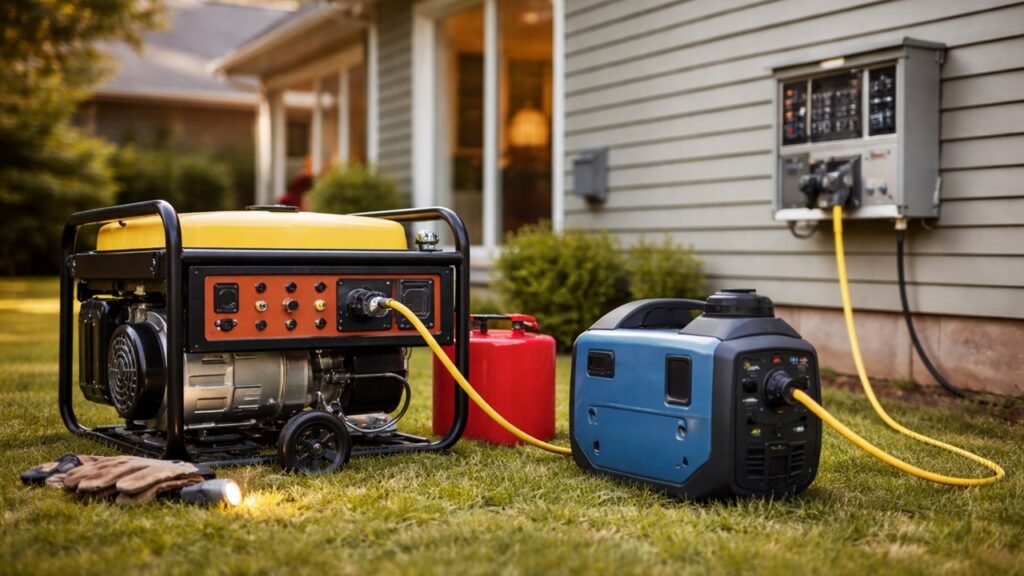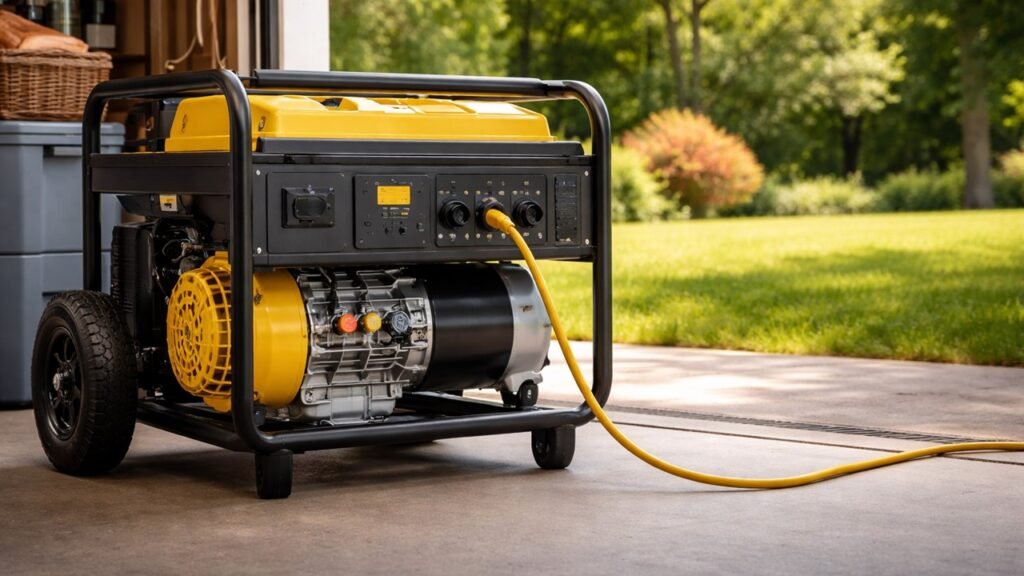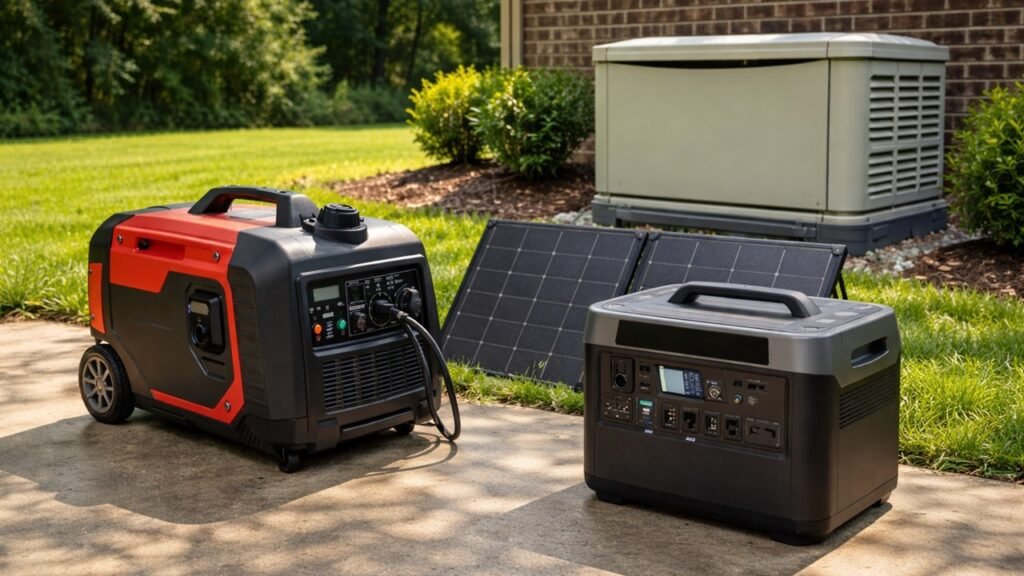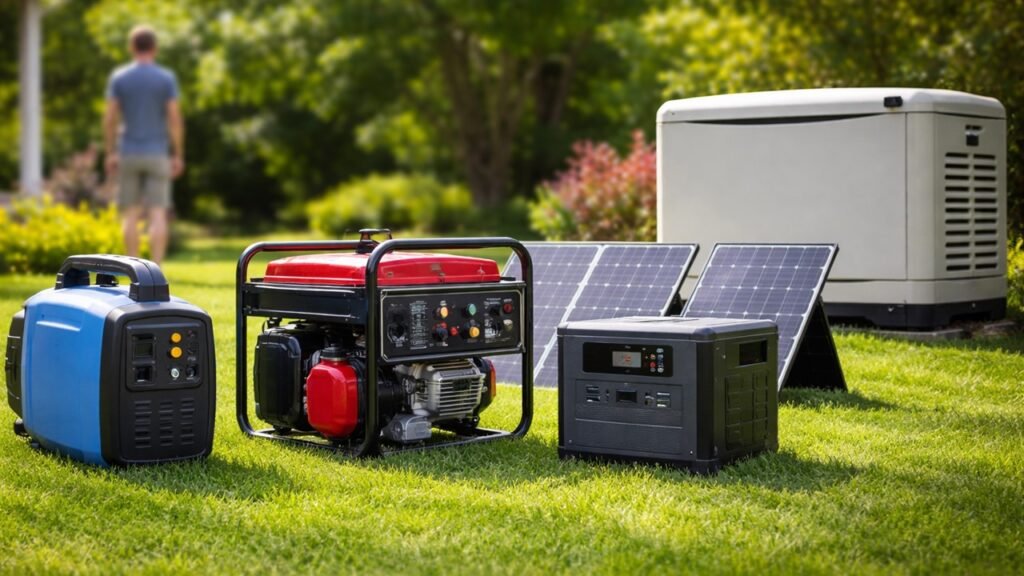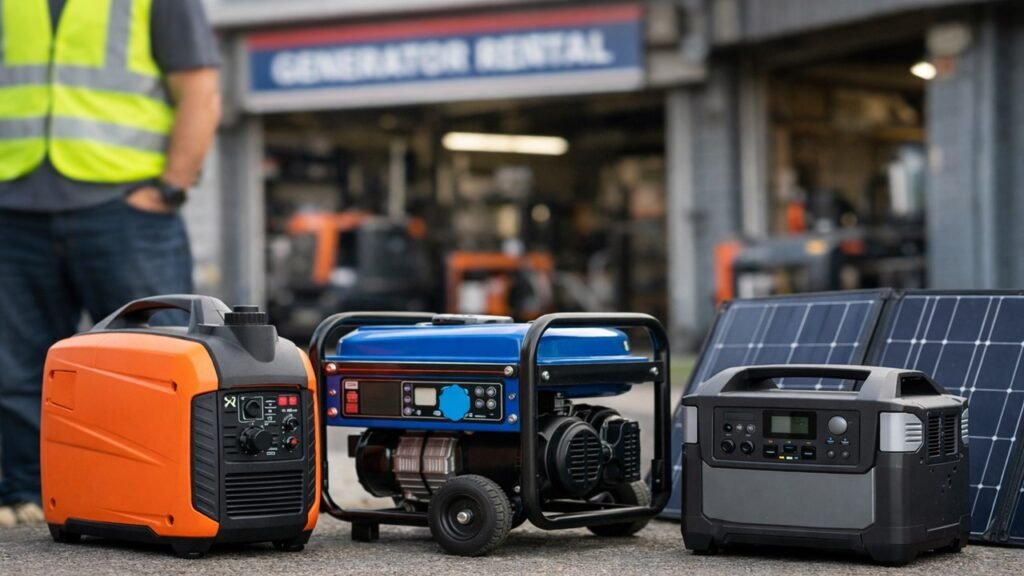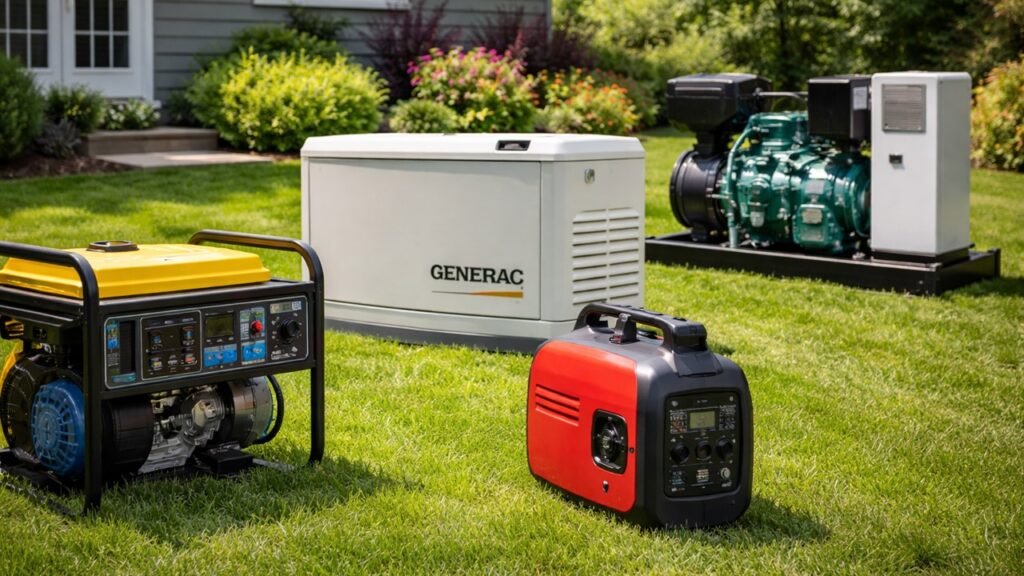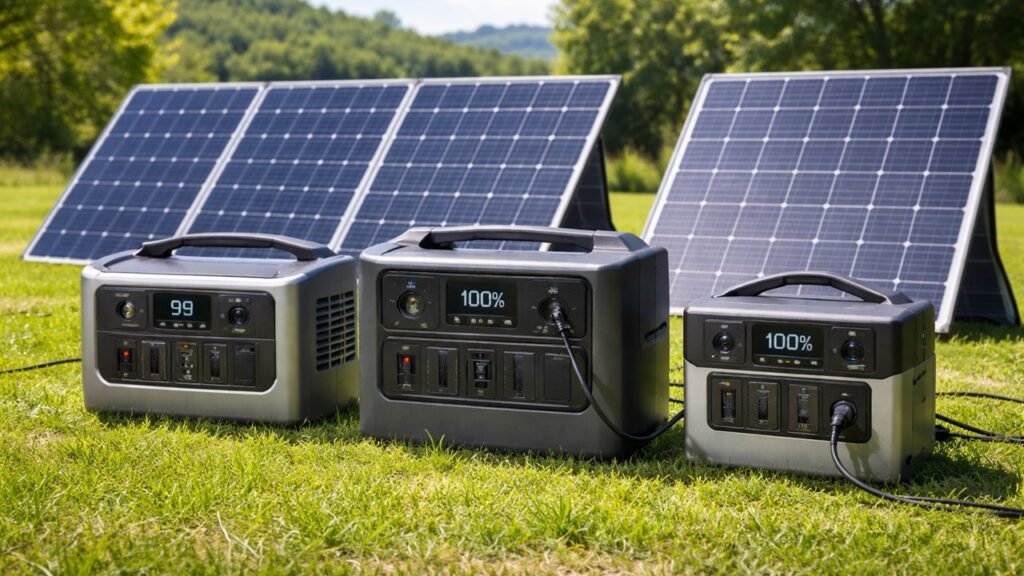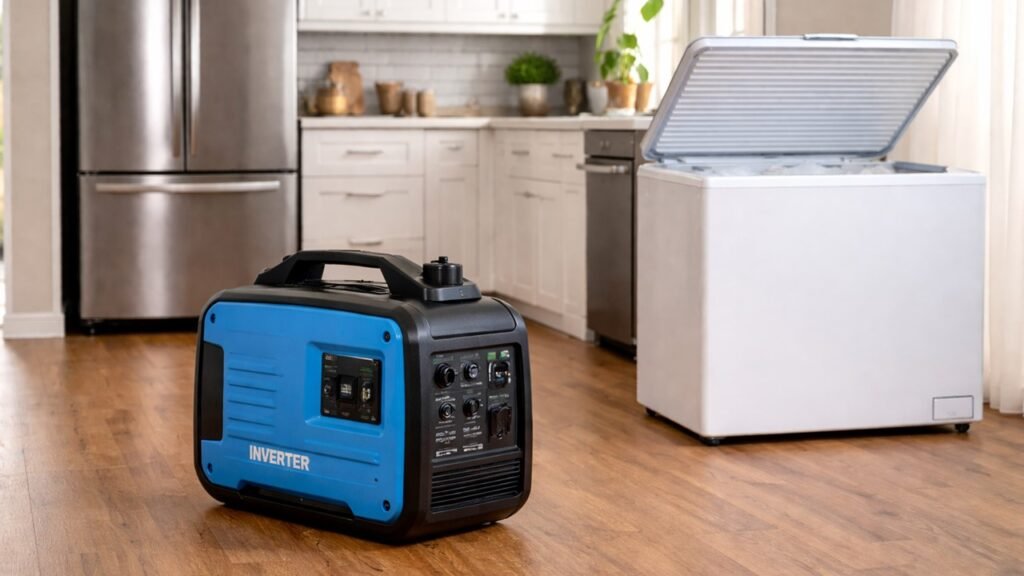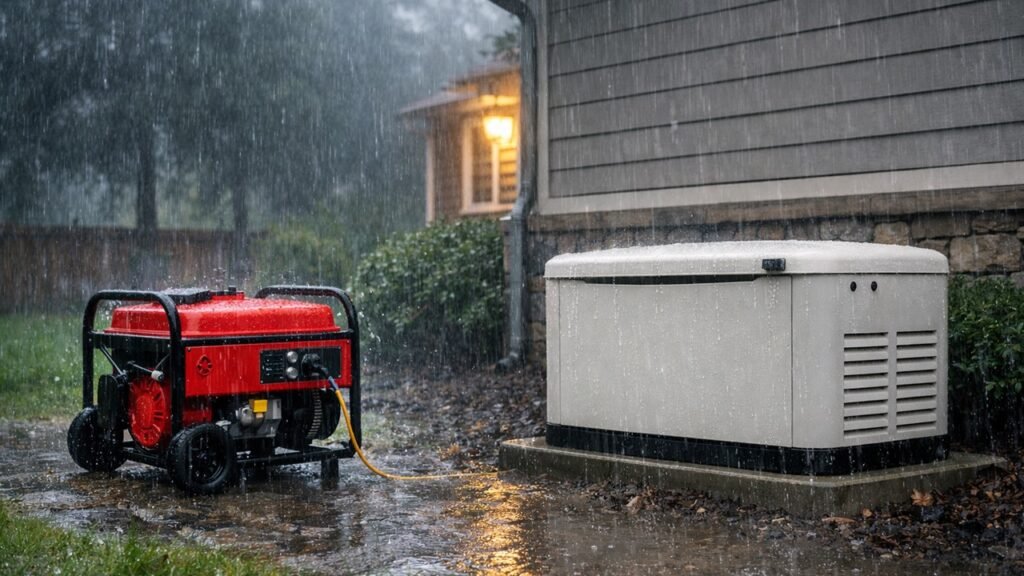
If you are looking for the best generators for home, this guide covers reliable options that can keep your essential appliances running during power outages. A good home generator provides backup electricity when storms, grid failures, or unexpected outages shut down your normal power supply.
Many homeowners consider generators like the Westinghouse 14500 Peak Watt Tri-Fuel for high-capacity portable backup, the Jackery HomePower 3000 for quiet battery-based emergency power, and the Honda 664240 EU2200i for efficient inverter power for essentials. Larger options like the DuroMax XP13000HX provide strong portable whole-home support, while the Generac Guardian 22kW is designed for automatic whole-house standby backup.
After testing the top generators for home backup, this guide explains which models work best for different households and outage situations. If you want a generator for emergency home backup power, this article walks through the key options, what they can run, and how to choose the right one with confidence.
We’re reader-supported. When you buy through links on our site, we may earn an affiliate commission. As an Amazon Associate, we earn from qualifying purchases at no extra cost to you.
Best Generators for Home: Our Top Picks
- Best Overall Pick: Westinghouse 14500 Peak Watt Tri-Fuel Home Backup
- Best Solar Generator Option: Jackery HomePower 3000 Portable Power Station
- Best Quiet Generator for Small Homes: Honda 664240 EU2200i 2200 Watt
- Best Dual Fuel Option: DuroMax XP13000HX 13,000-Watt Dual Fuel
- Best Whole House Standby Option: Generac Guardian 22kW Home Standby Generator
- Best Budget Option: WEN 11,000-Watt 120V/240V Dual Fuel Portable Generator
- Best Whole House Portable Option: Westinghouse 28000 Peak Watt Tri-Fuel Home Backup (WGen20000TFc)
- Best Tri Fuel Option: Generac 12,500 Starting Watt Tri-Fuel Portable Generator (GP9500E TF)
- Best Compact Solar Backup Option: EF ECOFLOW DELTA 3 Portable Power Station
- Best Open Frame Inverter Option: Champion Power Equipment 9000-Watt
- Best Dual Fuel Inverter Option: Pulsar 9500W Dual Fuel Portable Inverter Generator (GD950BN)
- Best Premium Standby Option: Kohler 20RESCL-200SELS 20, 000W Air-Cooled
1. Best Overall Pick: Westinghouse 14500 Peak Watt Tri-Fuel Home Backup
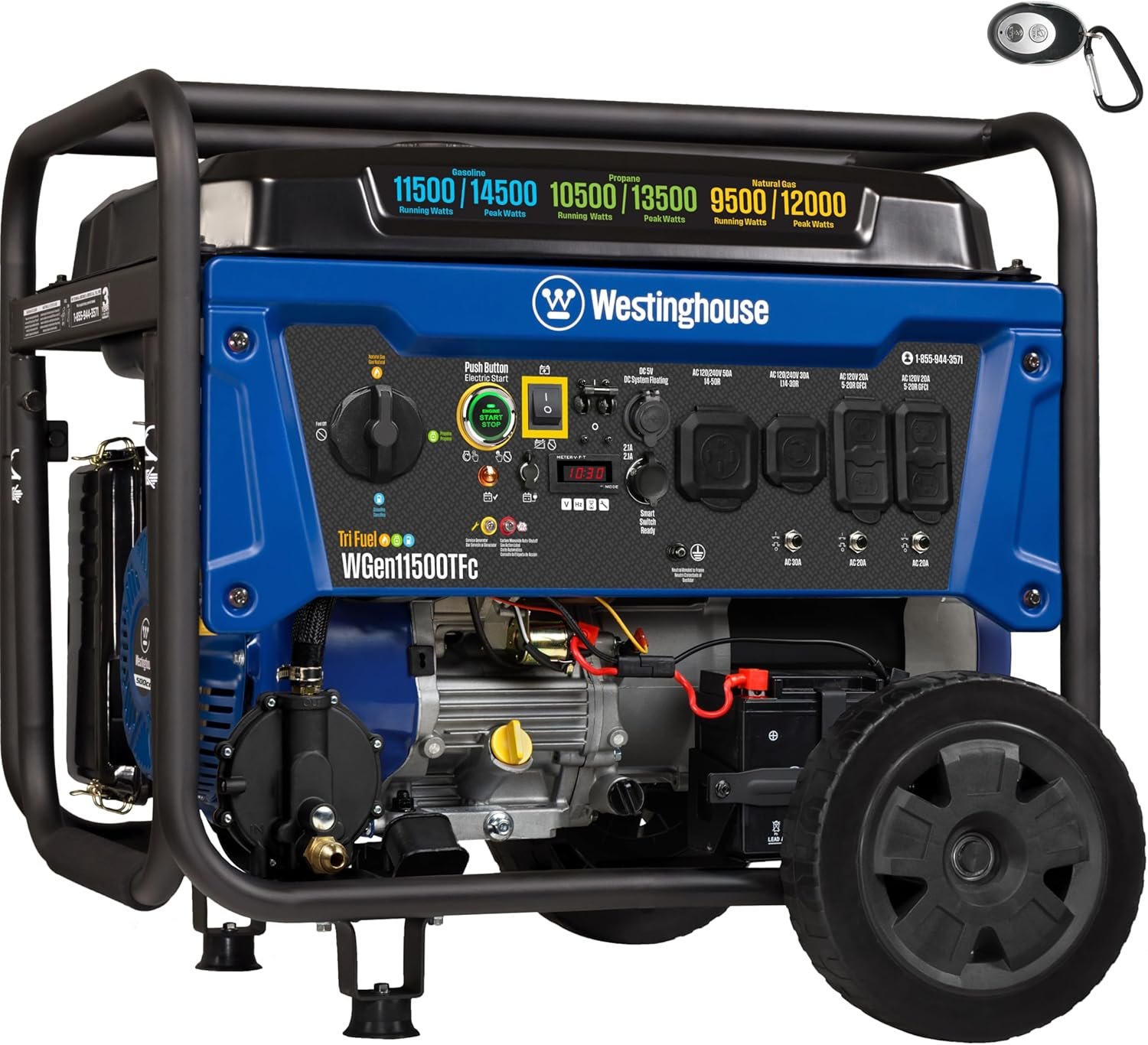
Key Details:
- 14,500 starting watts / 11,500 running watts (gasoline)
- Tri-fuel capability: gasoline, propane, or natural gas
- 550cc 4-stroke OHV engine with cast iron sleeve
- Up to 19 hours runtime on a 9.5-gallon fuel tank
- Transfer switch ready with 240V output
If you’re looking for one of the best generators for home backup, the Westinghouse WGen11500TFc is the kind of machine that checks nearly every box. With up to 14,500 starting watts, it delivers the kind of power many homeowners want when the grid goes down.
During testing with generators in this power range, this level of output usually means refrigerators, sump pumps, lighting circuits, and several household essentials can run at the same time without stressing the generator.
One thing we really like here is the tri-fuel capability. If you’ve ever dealt with extended outages, you know fuel availability can quickly become a problem. With this generator, you can switch between gasoline, propane, or natural gas depending on what’s available. That kind of flexibility is a huge advantage when planning a reliable home backup generator setup.
The engine itself is also built for long-term durability. The heavy-duty 550cc OHV engine with a cast iron sleeve is designed to handle continuous operation during long outages. When running moderate household loads, you can see runtimes approaching 19 hours on a full tank, which means overnight power without constant refueling.
Another feature that stands out is the relatively clean power output with low THD. That means you can safely run sensitive electronics like laptops, routers, TVs, and charging equipment. If you want a portable generator capable of supporting most homes during outages, this Westinghouse model is one of the strongest overall choices available.
Pros:
- Excellent power output for large home backup needs
- Tri-fuel flexibility helps during long emergencies
- Long runtime reduces refueling frequency
- Transfer switch ready for easier home integration
Cons:
- Heavy unit at around 230 pounds
- Louder than enclosed inverter generators
2. Best Solar Generator Option: Jackery HomePower 3000 Portable Power Station
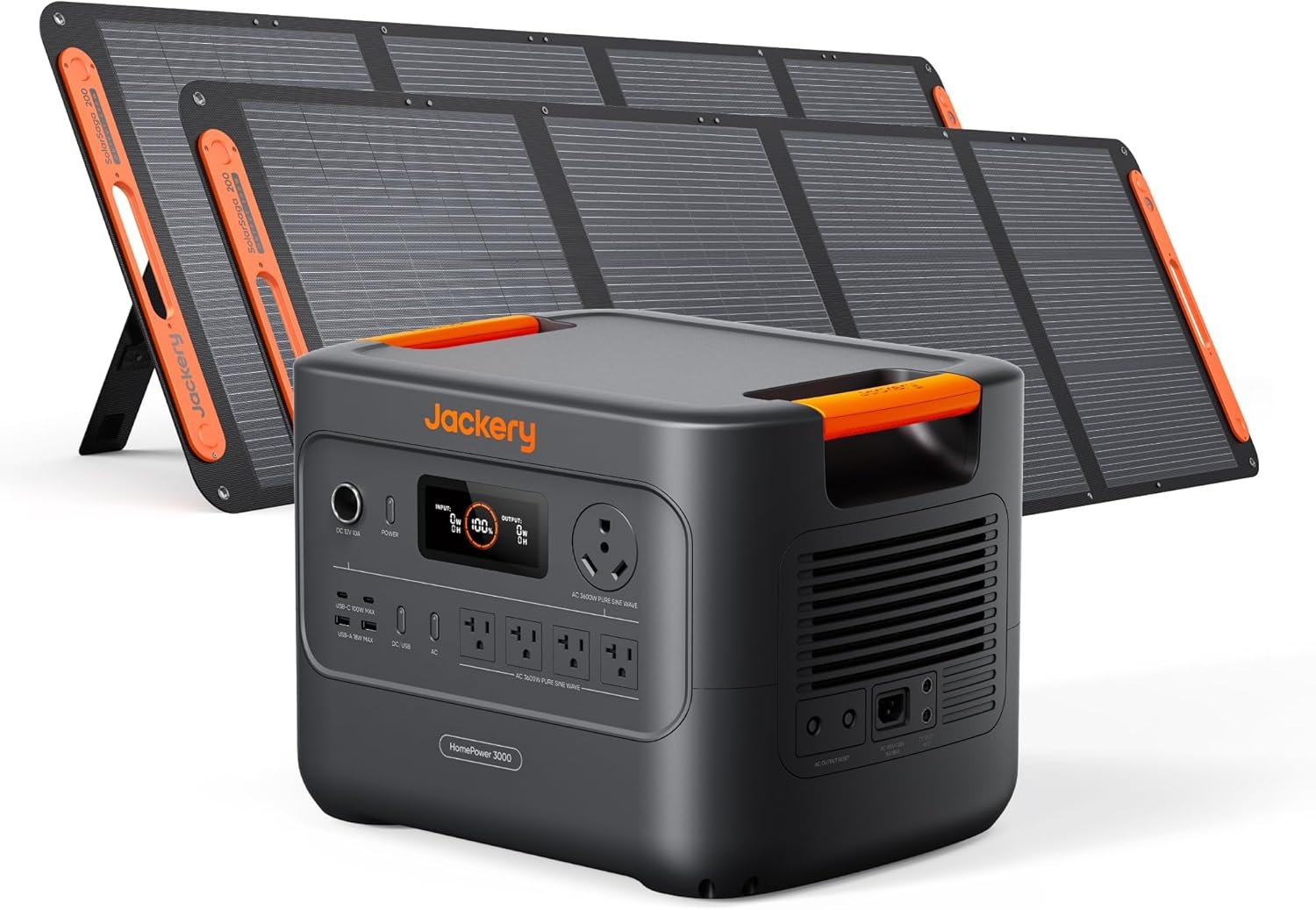
Key Details:
- 3,072Wh LiFePO4 battery capacity
- 3,600W continuous output (7,200W surge)
- ≤20ms UPS switching for uninterrupted power
- Fast recharge in about 1.7 hours with hybrid charging
- Includes two 200W SolarSaga panels
If you prefer a silent and fuel-free backup solution, the Jackery HomePower 3000 is easily one of the most practical solar generators for home use. Instead of running on gasoline or propane, this system stores energy in a large 3,072Wh LiFePO4 battery, which means no fumes, no engine noise, and virtually zero maintenance.
During testing with power stations in this capacity range, units around 3kWh can comfortably support essential appliances for many hours. For example, refrigerators, WiFi routers, LED lighting, fans, and small electronics can run simultaneously. If you live in an area with occasional outages and want quiet emergency power, you will find this setup surprisingly capable.
One feature we particularly like is the built-in UPS capability. When power drops, the system switches to battery power in under 20 milliseconds. That means security systems, internet equipment, computers, and medical devices stay powered without interruption. If you work from home or rely on connected devices, this feature alone makes a big difference.
Charging options are also very flexible. You can recharge the HomePower 3000 through wall outlets, solar panels, car charging, or even a gas generator. Paired with the included solar panels, it becomes a renewable backup power system that can recharge during extended outages.
Pros:
- Completely silent operation with zero emissions
- Large battery capacity for essential home appliances
- UPS feature protects electronics during outages
- Multiple charging options including solar
Cons:
- Limited capacity for large appliances like central AC
- Solar charging speed depends on sunlight conditions
3. Best Quiet Generator for Small Homes: Honda 664240 EU2200i 2200 Watt
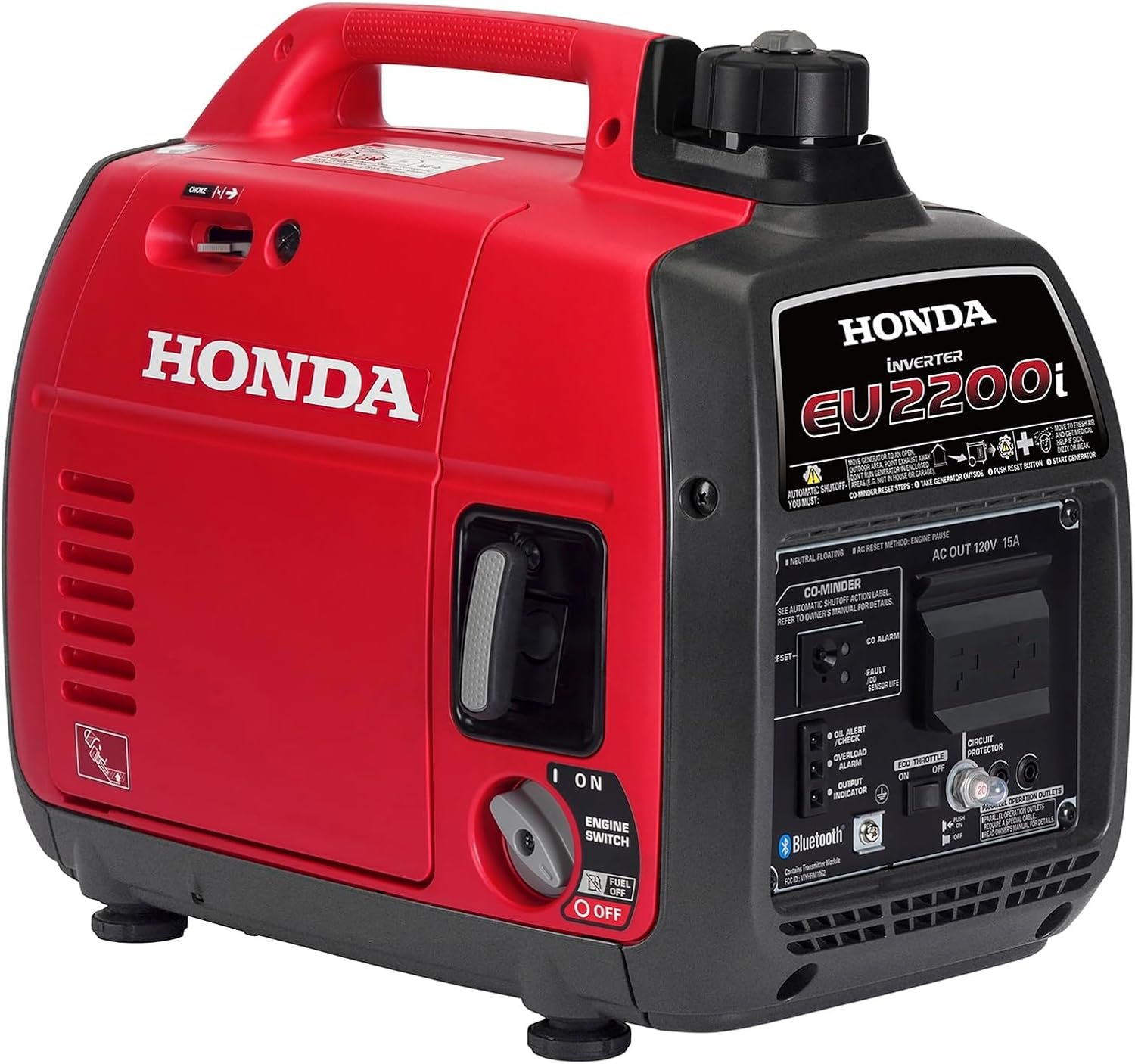
Key Details:
- 2,200 starting watts and 1,800 running watts
- Quiet 48 to 57 dBA operating range
- Inverter technology provides clean, stable power
- Eco-Throttle improves fuel efficiency and runtime
- Parallel capable for up to 4,400 watts
If you are looking for a quiet generator for home backup, the Honda EU2200i is one of the most reliable small inverter generators available. While it cannot power an entire house, it handles essential loads like a refrigerator, WiFi router, lights, TV, fans, and device chargers during short outages.
Noise is a major advantage. It runs between 48 and 57 dBA, quieter than most conventional generators and close to normal conversation levels. This makes it ideal for residential areas and overnight use.
Honda’s inverter technology delivers clean, stable power that is safe for sensitive electronics such as laptops, routers, and TVs. It closely mimics household electricity, helping protect valuable devices during outages.
Fuel efficiency is another strong point. The Eco-Throttle system adjusts engine speed based on load, reducing fuel consumption and noise. It runs about 4 to 9.6 hours per tank, and you can connect a second unit in parallel for up to 4,400 watts when more backup power is needed.
Pros:
- Very quiet for residential and overnight use
- Clean inverter power for sensitive electronics
- Lightweight and easy to carry
- Parallel capability allows future power expansion
Cons:
- Limited output for large appliances or whole-house backup
- Costs more than many generators with similar wattage
4. Best Dual Fuel Option: DuroMax XP13000HX 13,000-Watt Dual Fuel
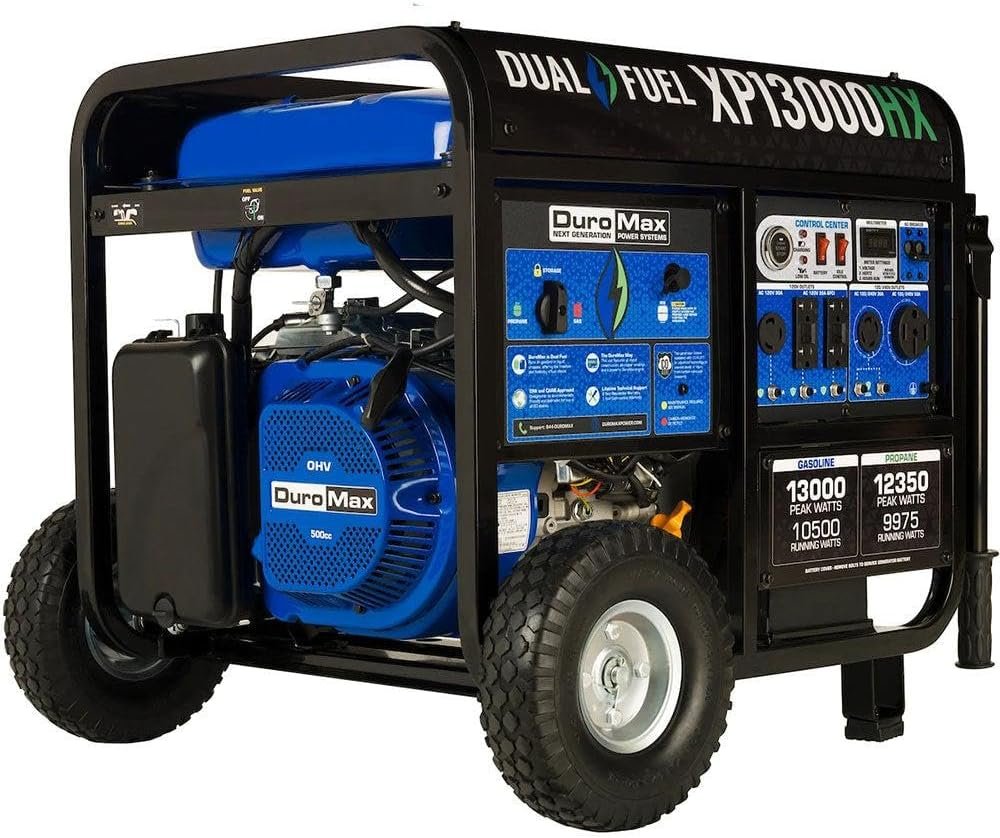
Key Details:
- 13,000 starting watts / 10,500 running watts
- Dual fuel operation: gasoline or propane
- 500cc OHV engine with copper windings
- Electric push-button start
- Transfer switch ready with 50A outlet
If you want a generator that can handle serious power demands but still offers fuel flexibility, the DuroMax XP13000HX is a strong contender among the best generators for home backup. With up to 13,000 starting watts, it provides enough power to support multiple household circuits during outages.
One feature many homeowners appreciate is the dual fuel capability. You can run the generator on either gasoline or propane depending on what you have available. If you store propane tanks for emergencies, switching fuels can be as simple as turning a selector dial.
When testing generators in the 10,000-watt range, this class of power is typically enough to run refrigerators, sump pumps, lighting circuits, and even certain air conditioning systems when properly connected through a transfer switch. That makes it a practical option for families who want reliable emergency power without installing a permanent standby generator.
The control panel is also well designed with multiple outlet options, including a heavy-duty 50-amp connection that works well with transfer switches. If you plan to integrate the generator into your home electrical panel, this feature makes installation much easier for electricians.
Pros:
- Strong output suitable for large home backup loads
- Dual fuel flexibility increases emergency reliability
- Transfer switch ready with 50A outlet
- Electric start makes operation simple
Cons:
- Heavy unit requiring wheels or assistance to move
- Higher fuel consumption under full load
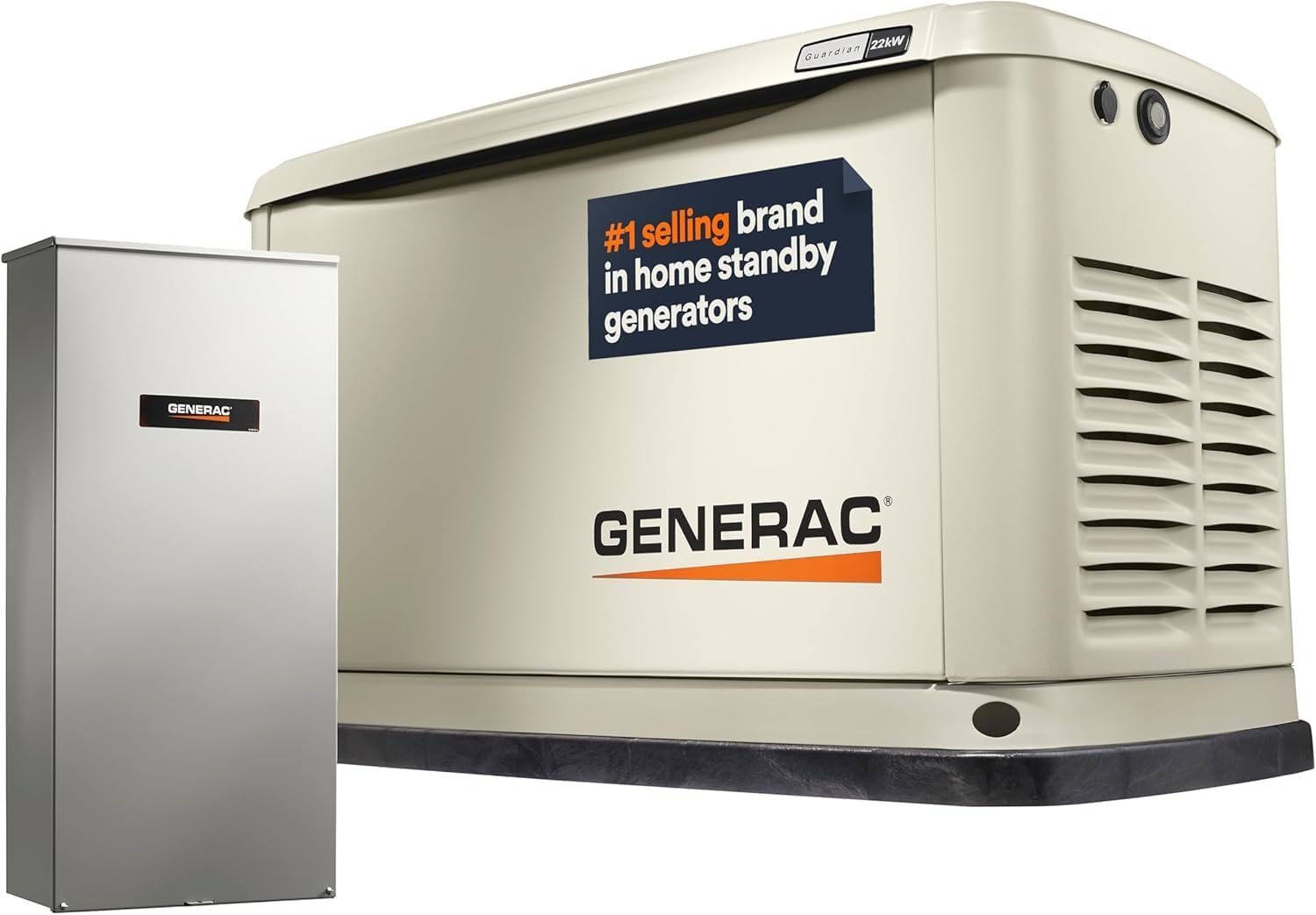
5. Best Whole House Standby Option: Generac Guardian 22kW Home Standby Generator
Key Details:
- 22,000 watts whole-house output
- Runs on natural gas or liquid propane
- Includes 200-amp automatic transfer switch
- Wi-Fi remote monitoring via Mobile Link
- Generac G-Force 1000 engine with <5% THD
If you want fully automatic backup power for your entire home, the Generac Guardian 22kW is one of the most widely installed standby generators in the country. Unlike portable generators, this system is permanently installed outside the house and automatically turns on when the power goes out.
One of the biggest advantages here is convenience. During testing of standby generators, the biggest difference compared to portable units is how seamless they are. When an outage happens, the generator starts automatically and the transfer switch moves your home to generator power within seconds.
With 22,000 watts of output, this system can power nearly everything in a typical home. HVAC systems, refrigerators, lighting circuits, water heaters, and well pumps can all stay operational depending on the electrical configuration. For homeowners who want a true whole-house generator solution, this level of output is ideal.
Another nice feature is the built-in Wi-Fi monitoring. Using Generac’s Mobile Link system, you can track generator status, maintenance alerts, and performance remotely. If you travel frequently or want peace of mind during storms, being able to check your generator from anywhere is extremely helpful.
Pros:
- Fully automatic whole-home backup power
- Includes 200-amp automatic transfer switch
- High output suitable for large homes
- Remote monitoring with Wi-Fi connectivity
Cons:
- Professional installation required
- Higher upfront cost compared to portable generators
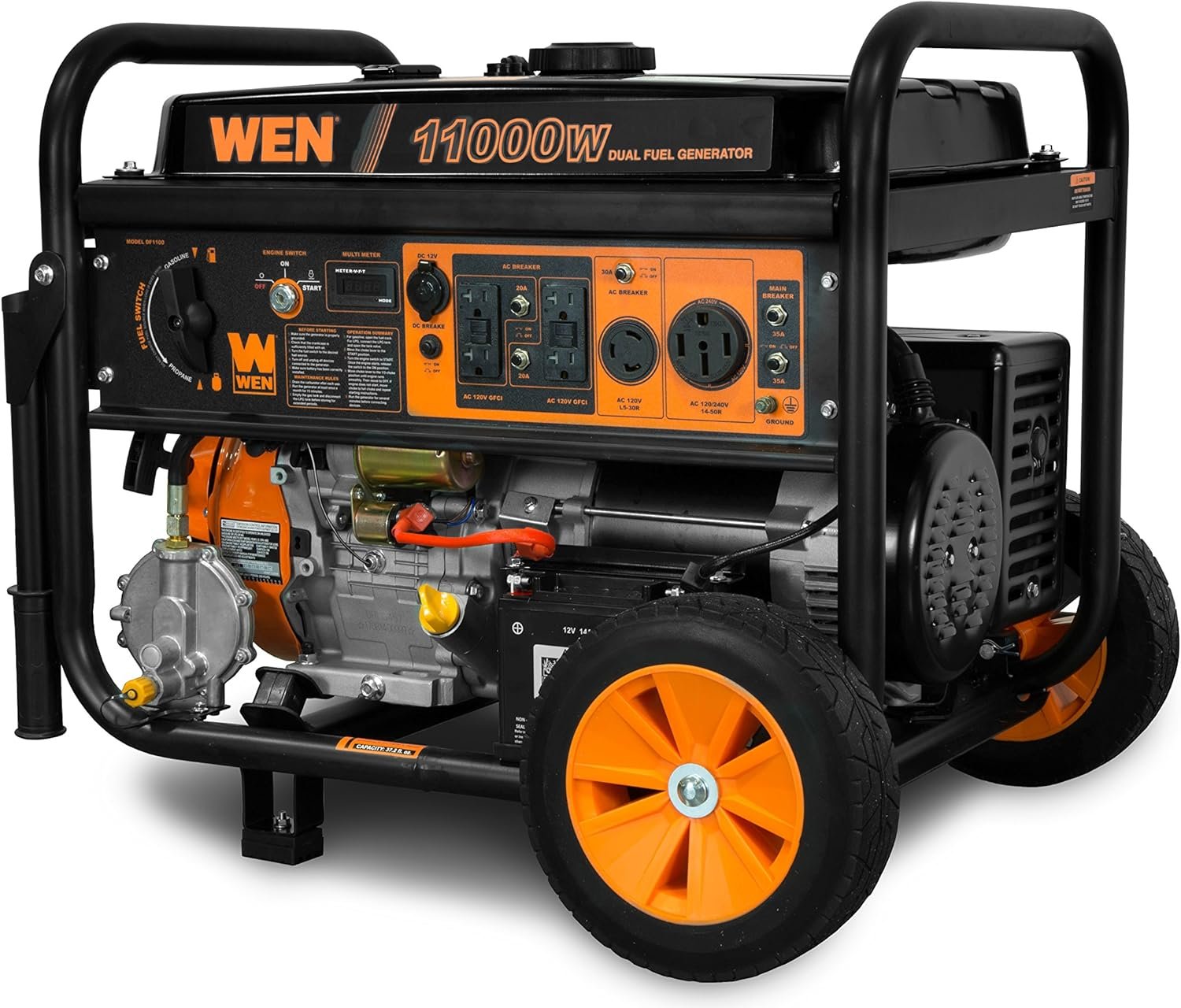
6. Best Budget Option: WEN 11,000-Watt 120V/240V Dual Fuel Portable Generator
Key Details:
- 11,000 starting watts / 8,300 running watts (gasoline)
- Dual fuel: gasoline or propane
- 457cc 4-stroke OHV engine
- Electric start with wheel kit included
- Transfer switch ready with 120V/240V output
If you’re trying to find a powerful generator for home backup without spending a fortune, the WEN DF1100T is a surprisingly capable option. With over 8,000 running watts, it provides enough output to keep many essential household appliances running during outages.
What makes this generator especially appealing is the dual-fuel capability. If you prefer storing propane for emergencies, you can easily switch from gasoline to propane with the fuel selection dial. In real-world outage scenarios, that flexibility can make a big difference when one fuel type becomes scarce.
When tested with typical home loads, generators in the 8,000-watt range can run refrigerators, lighting circuits, sump pumps, routers, and small appliances simultaneously. If you’re building an affordable home backup generator setup, this power range tends to be a very practical sweet spot.
The generator also includes several useful outlets, including a 50-amp connection for transfer switches. That means it can be integrated with your home’s electrical panel safely by a licensed electrician, making it much easier to power multiple circuits during outages.
Pros:
- Strong power output for the price
- Dual-fuel operation adds flexibility
- Electric start simplifies operation
- Transfer switch ready for home backup
Cons:
- Louder than inverter generators
- Shorter runtime compared to larger fuel tanks
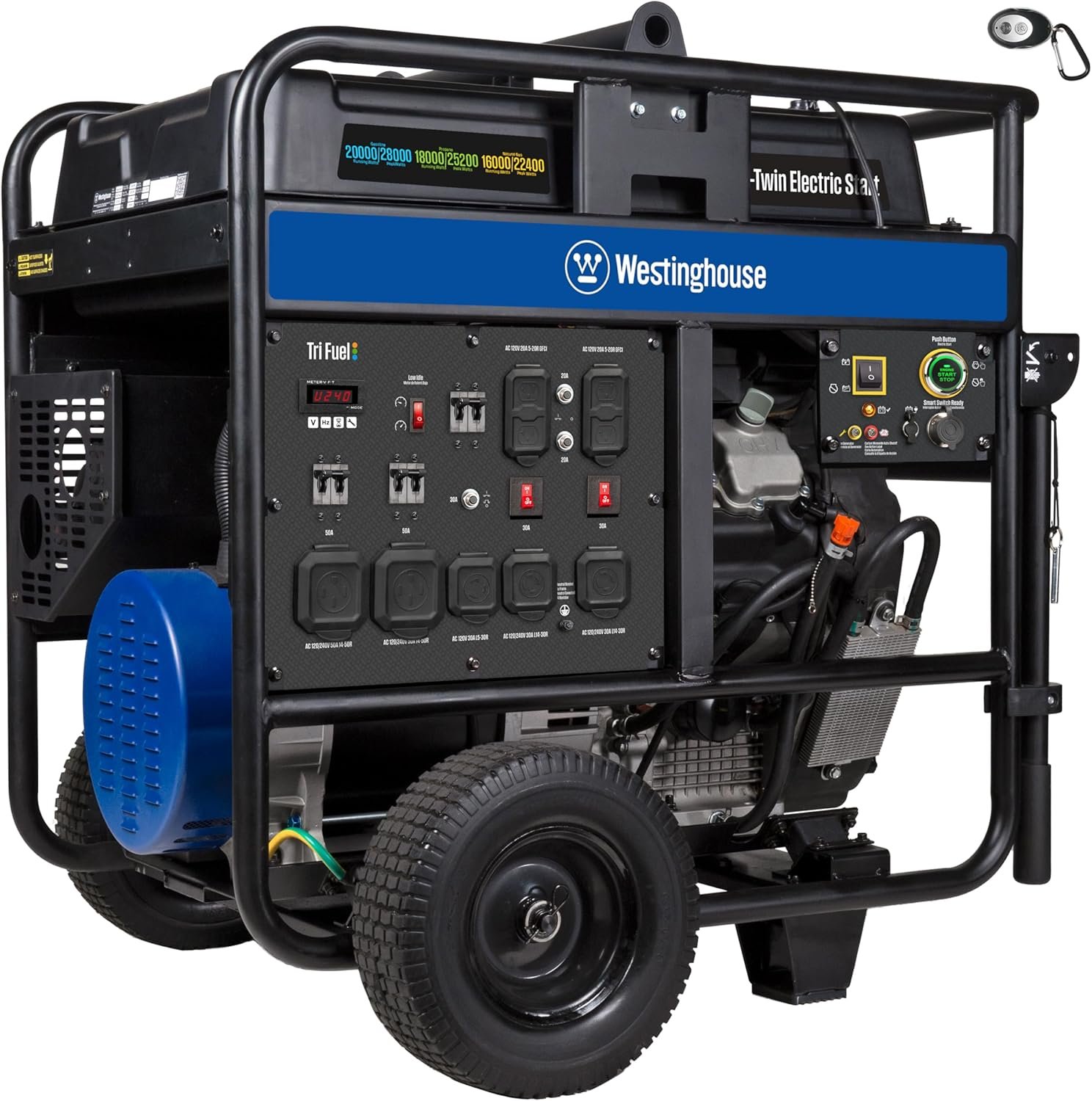
7. Best Whole House Portable Option: Westinghouse 28000 Peak Watt Tri-Fuel Home Backup (WGen20000TFc)
Key Details:
- 28,000 starting watts / 20,000 running watts (gasoline)
- Tri-fuel capability: gasoline, propane, or natural gas
- Massive 999cc V-Twin OHV engine
- Up to 13 hours runtime at 25% load
- Transfer switch and interlock kit ready with multiple outlets
If you’re searching for one of the most powerful generators for home backup, the Westinghouse WGen20000TFc sits in a completely different class from most portable generators. With up to 28,000 peak watts, it delivers power levels that start to compete with permanent standby systems while still remaining technically portable.
During testing with high-capacity generators like this, one thing becomes very clear: this level of wattage can support a large portion of a home’s electrical load. Refrigerators, well pumps, lighting circuits, sump pumps, and even some central air systems can operate simultaneously when properly connected through a transfer switch or interlock setup.
Another thing we like about this model is the tri-fuel flexibility. If gasoline becomes difficult to find during a major storm, you can switch to propane or connect it to natural gas. If you’re planning a serious home emergency power setup, having multiple fuel options adds a lot of long-term reliability.
The generator is also built with a heavy-duty 999cc V-Twin engine and reinforced steel frame. With large wheels, folding handles, and a lifting bracket, moving it around is still manageable despite its size. If you want a portable generator capable of powering a large home, this Westinghouse unit is one of the strongest options currently available.
Pros:
- Extremely high output capable of powering large homes
- Tri-fuel design adds emergency fuel flexibility
- Transfer switch and interlock ready
- Built with a durable heavy-duty engine
Cons:
- Very large and heavy generator
- Higher price compared to typical portable units
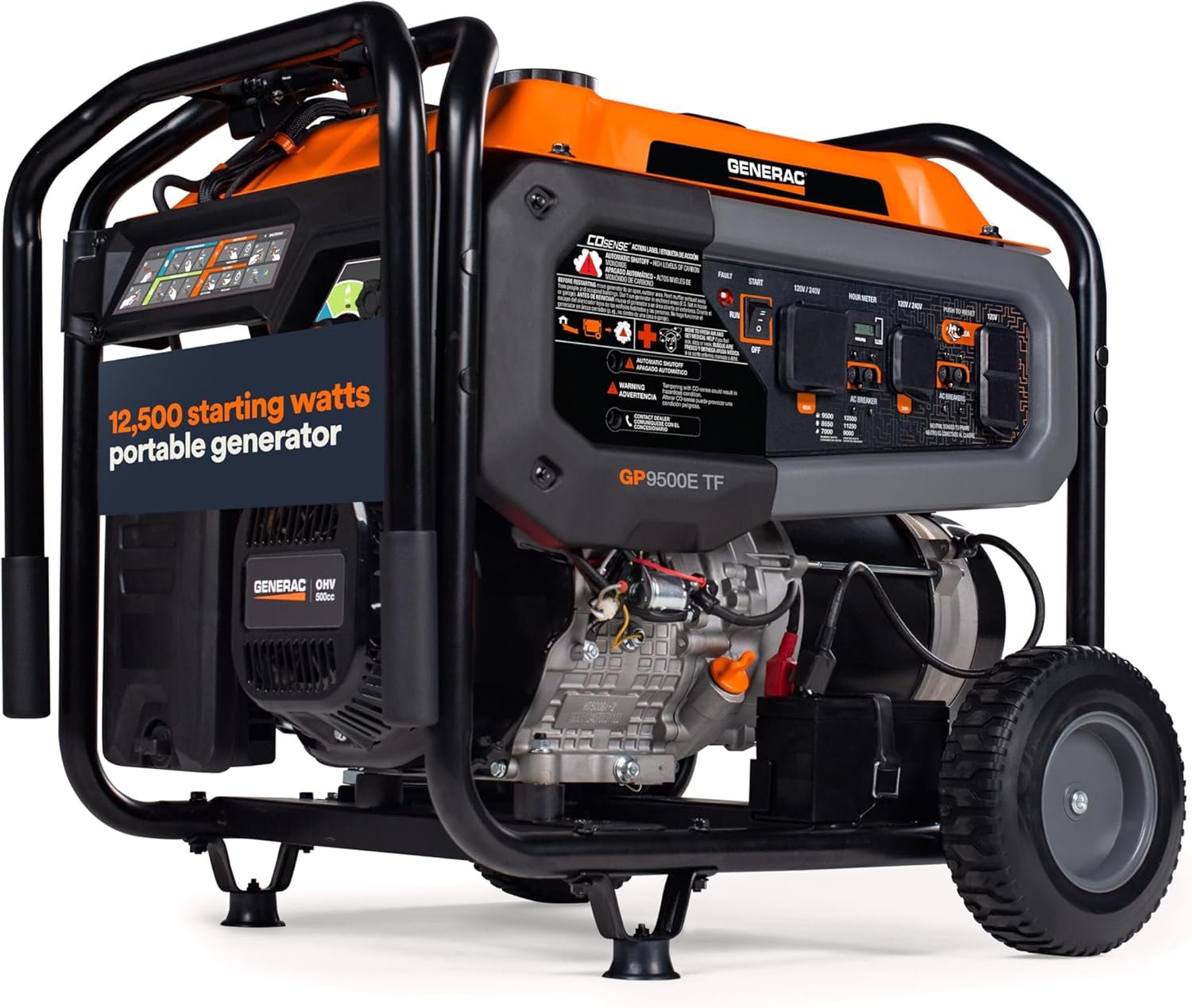
8. Best Tri Fuel Option: Generac 12,500 Starting Watt Tri-Fuel Portable Generator (GP9500E TF)
Key Details:
- 12,500 starting watts / 9,500 running watts
- Tri-fuel capability: gasoline, propane, natural gas
- Electric start with included battery
- Up to 10.5 hours runtime at 50% load
- COsense carbon monoxide shutdown system
For homeowners who want flexibility without jumping into the high price range of massive generators, the Generac GP9500E TF is a very balanced tri-fuel generator for home backup. With 9,500 running watts, it sits in a practical range that works well for many residential emergency setups.
One thing that stands out during testing of generators in this class is how versatile the power level is. Around 9,000 to 10,000 running watts is usually enough to run refrigerators, sump pumps, lighting circuits, small appliances, and some HVAC equipment depending on startup loads.
The tri-fuel design also adds another layer of reliability. You can run it on gasoline, propane, or natural gas depending on what’s available. If you’re planning for extended outages caused by storms or grid failures, having multiple fuel options can make a big difference.
Generac also includes its COsense safety system, which automatically shuts the generator down if dangerous carbon monoxide levels are detected. If you’re looking for a flexible home backup generator that balances power, safety, and fuel options, this model is a very practical choice.
Pros:
- Tri-fuel flexibility for emergency preparedness
- Solid power output for most home backup needs
- Electric start for easier operation
- Built-in carbon monoxide safety shutdown
Cons:
- Open-frame design produces noticeable noise
- Natural gas output is slightly lower than gasoline power
9. Best Compact Solar Backup Option: EF ECOFLOW DELTA 3 Portable Power Station
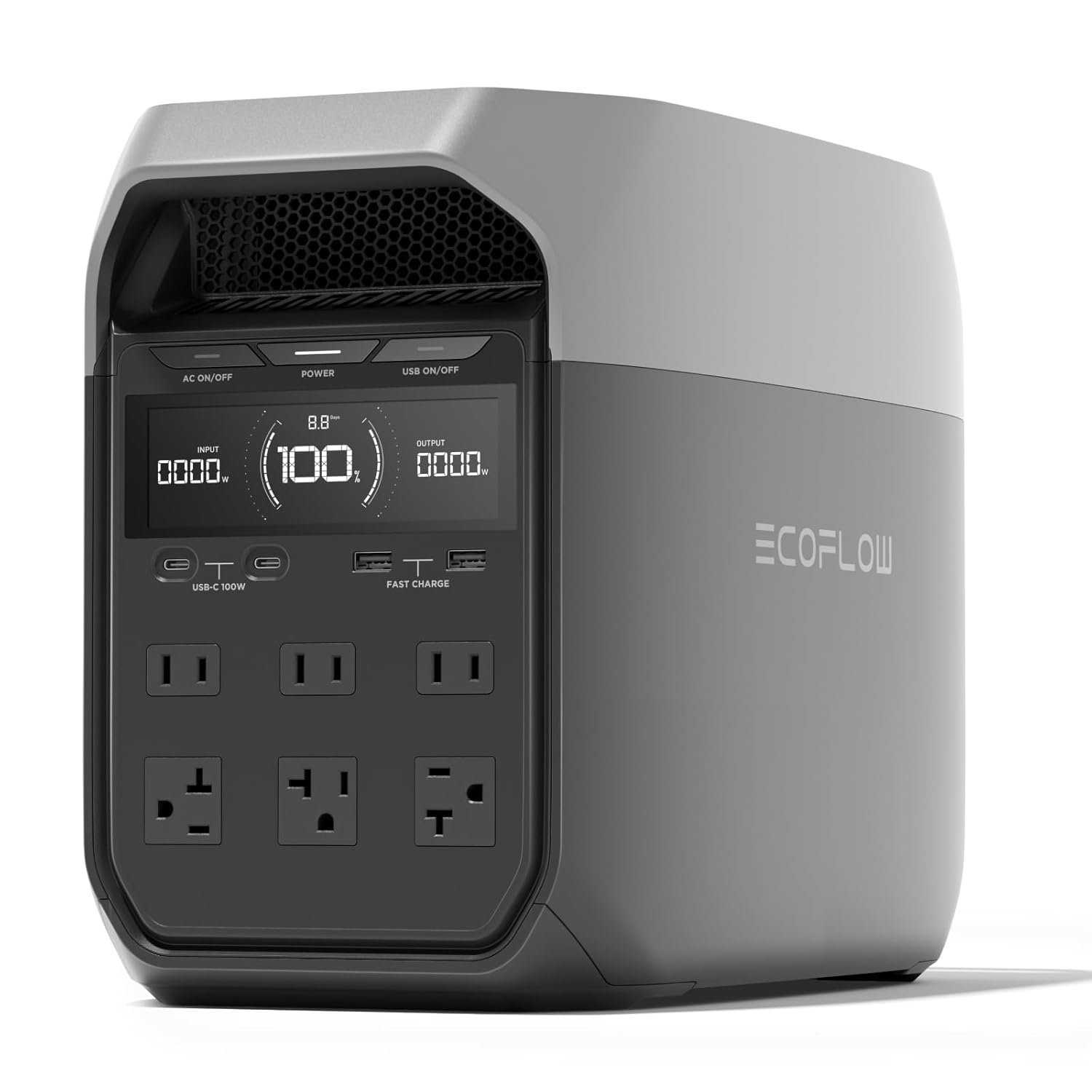
Key Details:
- 1024Wh LiFePO4 battery capacity
- 1800W continuous output (2200W surge, 3600W with X-Boost)
- Full recharge in about 56 minutes with AC + solar input
- Expandable battery capacity up to 5kWh
- Powers up to 13 devices simultaneously
If you want a quiet and compact backup solution for essential home electronics, the EcoFlow DELTA 3 is one of the more practical portable power stations available today. It’s designed for situations where you want reliable emergency power without dealing with fuel, engine maintenance, or generator noise.
During testing with power stations around the 1000Wh range, this size typically works best for smaller emergency loads. Refrigerators, routers, LED lights, laptops, and phone chargers can all run during an outage. For short blackouts or apartment use, a compact power station like this can keep important devices powered long enough to get through the outage comfortably.
One thing that stands out is the extremely fast charging speed. EcoFlow designed this model so it can recharge very quickly through AC power combined with solar input. In real use, that means if power returns briefly or sunlight becomes available, the battery can recover capacity quickly.
Another advantage is the expansion capability. If your power needs grow later, the system can connect to additional batteries and expand to around 5kWh of total storage. That flexibility makes it a good entry point if you’re considering a solar backup system for the home.
Pros:
- Silent operation with no fuel required
- Very fast recharge compared to most power stations
- Expandable battery capacity
- Lightweight and easy to move around the house
Cons:
- Limited power output for large appliances
- Solar panels are optional and sold separately
10. Best Open Frame Inverter Option: Champion Power Equipment 9000-Watt
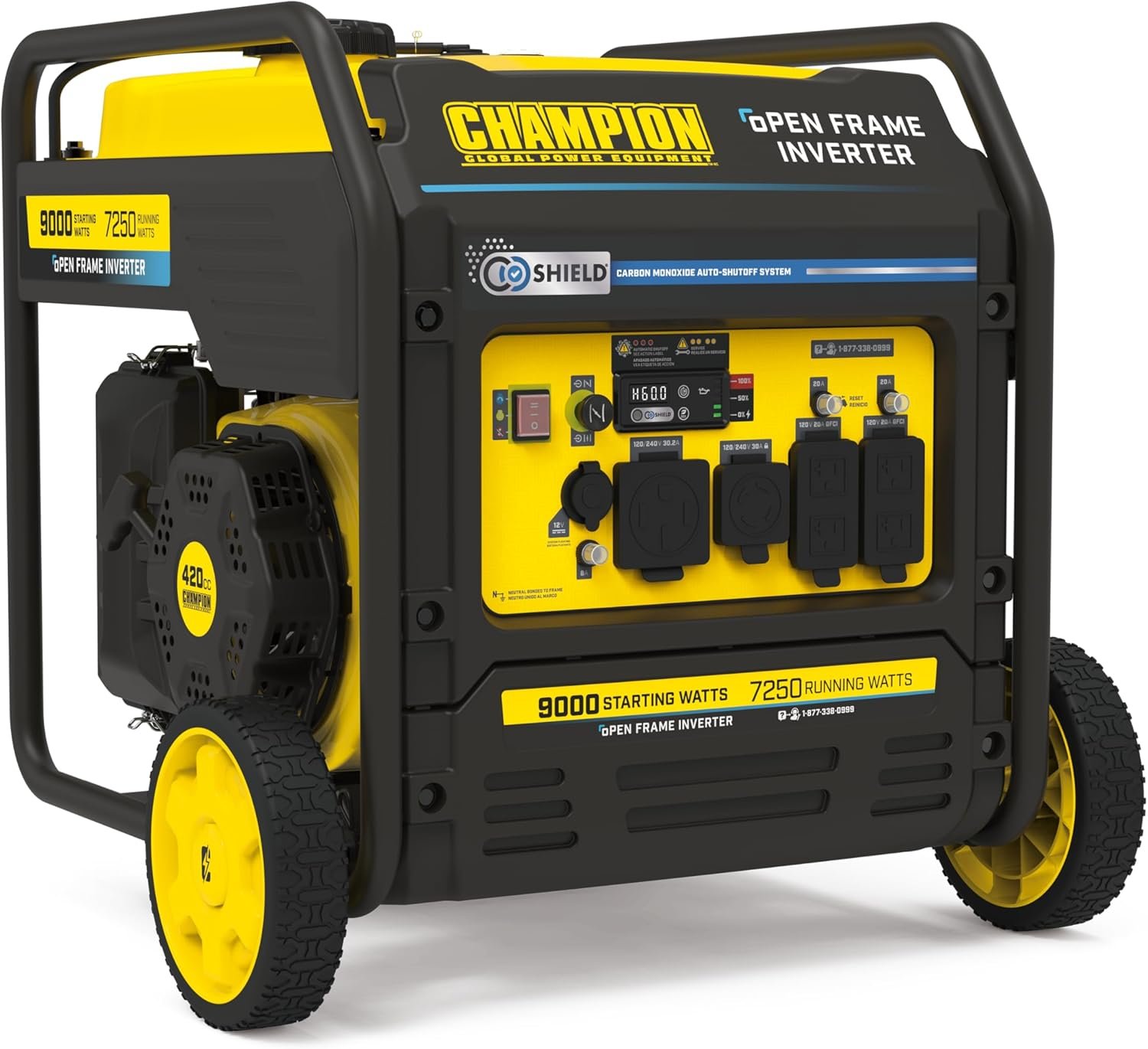
Key Details:
- 9000 starting watts / 7250 running watts
- Quiet inverter technology with less than 3% THD
- Electric start with Cold Start Technology
- Up to 10.5 hours runtime at half load
- Multiple outlets including 120/240V connections
If you want the cleaner power of an inverter generator but still need enough output for home backup, the Champion 9000W open frame inverter generator is an interesting middle ground. It combines the higher wattage of traditional generators with inverter technology that produces stable electricity.
When tested with common household electronics, inverter generators tend to deliver smoother power than conventional open frame generators. That means devices like computers, routers, TVs, and charging equipment run safely without voltage fluctuations.
Another advantage is the reduced noise compared to traditional generators in the same power range. Champion’s quiet technology helps keep noise levels lower while still producing enough power for several home circuits. For residential neighborhoods, this makes a noticeable difference during overnight outages.
This generator also includes useful features like electric start, a digital display, and multiple outlet options. With around 7250 running watts available, it can support refrigerators, sump pumps, lighting circuits, and other essentials when connected through a transfer switch.
Pros:
- Inverter power suitable for sensitive electronics
- Higher wattage than most inverter generators
- Electric start and cold weather starting technology
- Lower noise compared to traditional open frame units
Cons:
- Larger than typical inverter generators
- Fuel consumption increases at higher loads
11. Best Dual Fuel Inverter Option: Pulsar 9500W Dual Fuel Portable Inverter Generator (GD950BN)
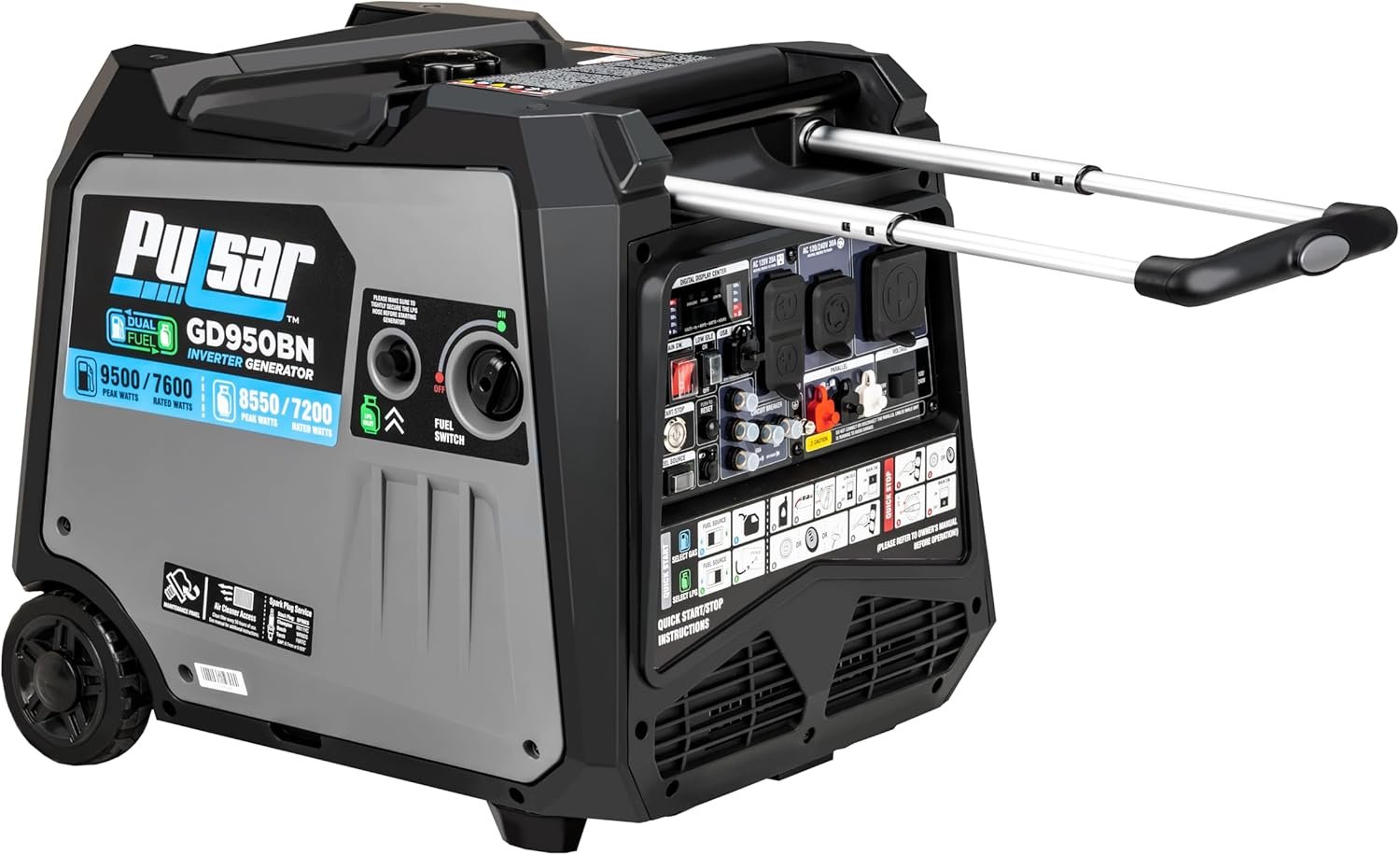
Key Details:
- 9500 starting watts dual fuel output
- Runs on gasoline or propane
- Inverter generator with clean power output
- Parallel ready for expanded power
- Portable design with wheels and telescoping handle
If you want a balance between clean inverter power and fuel flexibility, the Pulsar GD950BN is a solid option among portable generators for home backup. With 9500 watts of peak power, it sits in a useful range for running several household appliances during outages.
One thing that stands out during testing of dual fuel generators is the convenience of having two fuel options. Gasoline provides the highest output, while propane offers longer storage life and cleaner operation. Being able to switch between both fuels gives you more flexibility when planning emergency power.
Because it’s an inverter generator, the electricity it produces is much cleaner than traditional generators. This helps protect electronics like laptops, televisions, and internet equipment. If you rely on these devices during outages, inverter generators like this are often the safer choice.
Another nice feature is the parallel capability. If you ever need more power later, a second compatible unit can be connected to double the output. That kind of expandability is useful if your power needs grow over time.
Pros:
- Dual fuel flexibility for emergency situations
- Clean inverter power for electronics
- Portable design with wheels and handle
- Parallel ready for increased power capacity
Cons:
- Runtime is shorter due to smaller fuel tank
- Heavier than many inverter generators
12. Best Premium Standby Option: Kohler 20RESCL-200SELS 20, 000W Air-Cooled
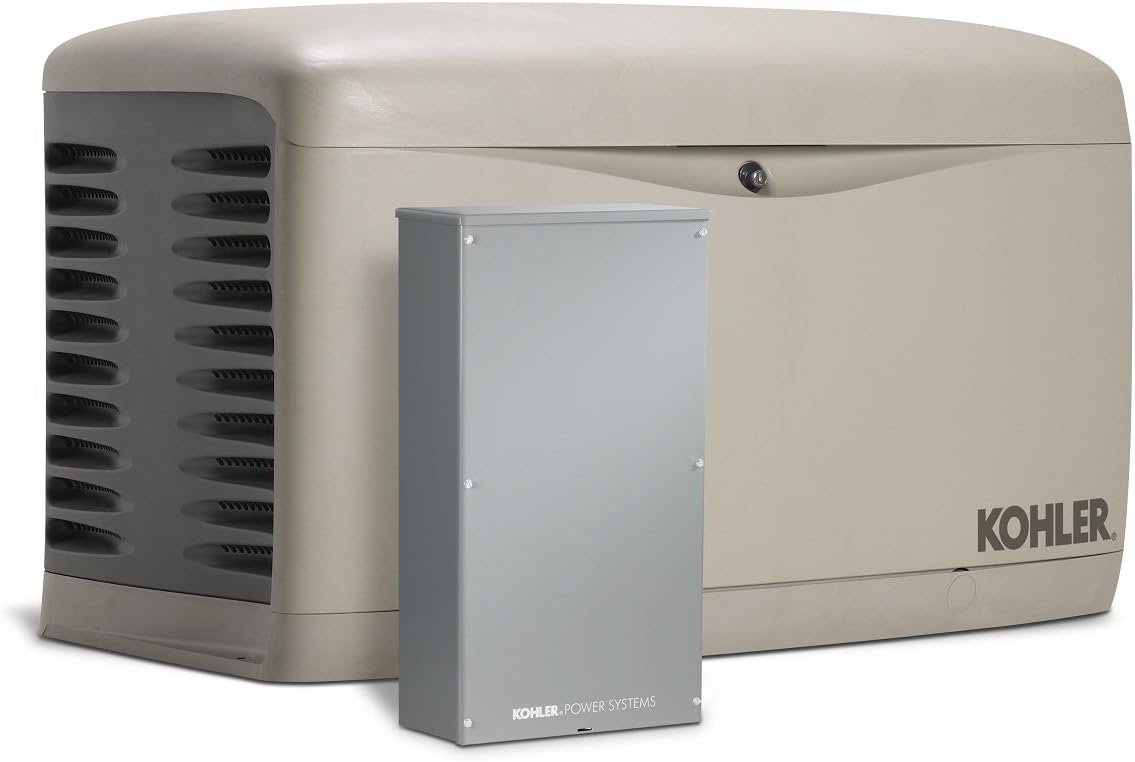
Key Details:
- 20,000 watt whole-house standby output
- Includes 200 amp automatic transfer switch
- Automatic startup during power outages
- 100% corrosion-proof outdoor enclosure
- 5-year / 2000-hour limited warranty
If you want reliable whole-house backup power that runs automatically during outages, the Kohler 20RESCL is one of the most respected standby generators available. It’s designed to be permanently installed outside the home, similar to an air conditioning unit, and connected directly to your electrical system.
When the power goes out, the generator starts automatically within seconds and the transfer switch moves your home to generator power. During testing of standby systems, this type of automatic operation is one of the biggest advantages compared to portable generators. There’s no need to go outside, refuel, or manually start anything.
With 20,000 watts of available output, this generator can support many large household loads including refrigerators, sump pumps, lighting circuits, HVAC systems, and security equipment. For homeowners who want dependable backup power for storms or grid outages, this level of capacity can keep most of the house operating normally.
Another feature worth mentioning is the corrosion-resistant enclosure. Kohler designed this generator to withstand harsh outdoor environments, including coastal areas where moisture and salt air can damage equipment over time.
Pros:
- Fully automatic whole-house backup power
- High output suitable for large homes
- Durable outdoor enclosure for long-term reliability
- Includes automatic transfer switch
Cons:
- Requires professional installation
- Higher upfront cost than portable generators
What Can a Home Generator Actually Power?
A home generator powers appliances based on its wattage capacity. Every appliance uses running watts and may require higher starting watts when it first turns on. Understanding these power needs helps you choose the right generator size for your house.
If you choose a generator that matches your essential loads, you can keep critical systems running during outages. Most homeowners prioritize refrigerators, sump pumps, lights, routers, and heating or cooling equipment when planning backup power.
Below is a general idea of how much electricity common household appliances require.
| Appliance | Typical Running Watts | Starting Watts |
| Refrigerator | 600 | 1200 |
| Sump Pump | 800 | 1500 |
| Microwave | 1000 | 1000 |
| Window Air Conditioner | 1200 | 1800 |
| Electric Water Heater | 4000 | 4000 |
| Router / Internet | 10 | 10 |
| LED Lights | 10–15 each | Same |
| Well Pump | 1000 | 2000 |
Generator capacity determines how many of these appliances can run at the same time. For example, a 7,000 to 10,000 watt generator can usually power most essential circuits, while a 20,000 watt standby generator can often run an entire house.
How Long Can a Generator Power a House During an Outage?
Generator runtime depends on three main factors. Fuel type determines how much energy the generator can produce. Load level affects how quickly the generator consumes fuel. Tank size determines how long the generator can operate before refueling.
If you run fewer appliances, the generator uses less fuel and runs longer. When the generator powers heavy loads like air conditioners or water heaters, fuel consumption increases and runtime decreases.
Typical generator runtime scenarios look like this:
- Small inverter generator: 4 to 10 hours on one tank depending on load
- Portable gasoline generator: 8 to 20 hours depending on tank size and load
- Dual fuel generator using propane: 10 to 24 hours depending on tank capacity
- Standby generator connected to natural gas: unlimited runtime as long as gas supply continues
- Solar generator: runtime depends on battery capacity and solar recharge availability
If you want longer outage protection, larger fuel tanks, propane storage, or solar battery expansion can significantly extend how long your home stays powered.
How to Calculate Your Home’s Backup Power Needs
The first step in choosing the right home generator is calculating how much electricity your household actually needs during an outage. Every appliance uses a certain number of watts, and many devices require extra power when they first start. This is called starting watts or surge watts. A generator must be able to handle both the running load and the highest surge load at the same time.
Start by listing the appliances you want to keep running when the power goes out. Most homeowners prioritize refrigerators, sump pumps, lighting, internet equipment, heating systems, and sometimes a microwave or small air conditioner. Each appliance label usually lists the wattage requirement. If not, you can estimate using average values.
A simple formula used for generator sizing is:
Total generator capacity needed = Sum of running watts of all appliances + Highest starting watt requirement.
For example, imagine a home wants to power a refrigerator (600 watts running, 1200 starting), a sump pump (800 watts running, 1500 starting), lights (200 watts), and a router (10 watts). The running load would be:
600 + 800 + 200 + 10 = 1,610 running watts.
The highest starting watt is the sump pump at about 1,500 watts. So the generator should support at least:
1,610 + 1,500 = about 3,100 watts.
Most experts recommend adding about 20 percent extra capacity as a safety margin. In this case, a 4,000 watt generator would be a safe choice for those loads. Larger homes with HVAC systems or well pumps may need generators in the 8,000 to 20,000 watt range.
How to Choose the Best Generator for Home
Choosing the right generator for home backup depends on several factors including power output, fuel type, installation method, and how much of the house you want to run during an outage.
Generator Power Output
Generator power output determines how many appliances you can run at the same time. Smaller inverter generators often produce between 1,800 and 4,000 watts, which is enough for a few essential devices like a refrigerator, lighting, and internet equipment.
Portable generators designed for home backup usually provide between 7,000 and 12,000 running watts. This range can support several circuits including refrigerators, sump pumps, kitchen appliances, and sometimes small air conditioning units.
Standby generators typically range from 14,000 to 24,000 watts or more. These systems are designed to power most or all of a home’s electrical panel during extended outages.
Fuel Type and Availability
Fuel type plays an important role in emergency preparedness. Gasoline generators are common and usually provide the highest power output, but gasoline does not store well for long periods.
Propane generators burn cleaner and propane tanks can be stored for years without degradation. Many homeowners prefer propane for emergency use because it is easier to maintain long term.
Natural gas generators connect directly to the home’s gas supply. This allows continuous operation without refueling, which is why most standby generators use natural gas as their primary fuel source.
Solar generators use battery storage instead of fuel. These systems are quiet and produce no emissions, making them useful for indoor backup power or situations where fuel storage is not practical.
Transfer Switch Compatibility
A transfer switch allows a generator to safely power home circuits. This device isolates your home from the utility grid and prevents electricity from flowing back into power lines.
Portable generators can connect to a manual transfer switch or interlock kit installed in the electrical panel. This setup allows specific circuits such as refrigerators, lighting, and outlets to run during an outage.
Standby generators include automatic transfer switches that detect outages and switch power automatically. When the grid power returns, the system switches back to utility electricity without manual intervention.
Noise and Location Considerations
Generator noise can become an issue in residential neighborhoods. Open frame generators often produce more noise because the engine is exposed.
Inverter generators usually operate much quieter because they adjust engine speed based on power demand. These generators are often preferred for residential use when noise levels are a concern.
Standby generators are typically installed outside the home with sound-dampening enclosures, which helps reduce noise compared to traditional portable units.
Portable Generator vs. Standby Generator for Home Backup
Portable generators and standby generators both provide emergency electricity, but they work very differently. A portable generator is a movable unit that must be started manually and connected to the home when an outage occurs. A standby generator is permanently installed and starts automatically when the power fails.
Choosing between these two types depends on budget, power requirements, and how much convenience you want during an outage.
| Feature | Portable Generator | Standby Generator |
| Installation | No permanent installation required | Permanently installed outside the home |
| Startup | Manual start required | Starts automatically during outages |
| Power Capacity | Typically 3,000 to 13,000 watts | Usually 14,000 to 24,000 watts |
| Fuel Type | Gasoline, propane, or dual fuel | Natural gas or propane |
| Cost | Lower upfront cost | Higher purchase and installation cost |
| Maintenance | Requires refueling and manual setup | Automatic monitoring and operation |
Portable generators work well for occasional outages and essential circuits. Standby generators are designed for homeowners who want uninterrupted power without needing to manually start equipment during storms or emergencies.
How to Reduce Generator Noise in Residential Areas
Generator noise is one of the most common concerns for homeowners using portable generators. Most open-frame generators produce between 65 and 80 decibels, which can be noticeable in quiet neighborhoods. Fortunately, several simple adjustments can help reduce the noise level.
The goal is to reduce vibration, redirect sound away from the house, and increase distance between the generator and living areas.
Here are some effective ways to reduce generator noise:
- Place the generator farther away from windows and walls to reduce sound reflection
- Position the exhaust outlet facing away from the house and neighboring homes
- Place the generator on a rubber mat or anti-vibration pad to reduce ground noise
- Build a simple sound barrier using plywood panels or sound blankets
- Install acoustic generator boxes designed for outdoor equipment
- Use inverter generators, which typically operate much quieter than open-frame models
- Run the generator on lower load levels when possible since engines become louder under heavy load
Even small changes in placement and insulation can noticeably reduce generator noise, making backup power more comfortable for both homeowners and neighbors during outages.
Generator Safety Tips for Home Backup Power
Using a generator can keep your home powered during outages, but it must be used safely. Portable generators produce carbon monoxide and high heat, so correct placement and safe electrical connections are essential. In addition, complex installations such as transfer switches or standby generators should always be handled by qualified professionals.
Most generator accidents happen because of poor placement, unsafe refueling, or incorrect wiring. Following a few basic safety practices and using licensed electricians when needed can help ensure reliable and safe backup power for your home.
- Always run portable generators outdoors at least 20 feet away from doors, windows, and vents.
- Never operate a generator inside a house, garage, basement, or enclosed space.
- Install carbon monoxide detectors in the home when using a generator.
- Let the generator cool before refueling to reduce fire risk.
- Store gasoline or propane safely in approved containers.
- Use heavy-duty outdoor extension cords rated for generator loads.
- Never plug a generator directly into a wall outlet to avoid backfeeding.
- Use a transfer switch or interlock kit for safe home circuit connection.
- Hire a licensed electrician for transfer switch or standby generator installation.
- Keep the generator dry and protected from rain.
- Perform regular maintenance such as oil checks and test runs.
Following these precautions and involving professionals when needed helps ensure your generator provides safe and dependable backup power during outages.
Final Verdict
Choosing the best generators for home backup comes down to understanding your power needs, fuel preferences, and how much convenience you want during outages. Some households only need enough electricity for essentials like refrigerators, lights, and internet equipment. Others want a generator capable of running multiple circuits or even the entire house during extended outages.
If you want a powerful and flexible portable generator that can handle heavy household loads, the Westinghouse 14500 Peak Watt Tri-Fuel is one of the strongest options available. Its ability to run on gasoline, propane, or natural gas gives homeowners flexibility during emergencies when one fuel source may be unavailable.
For homeowners who prefer quiet and clean backup power, the Jackery HomePower 3000 is a great solution. Because it runs on a large battery system and solar charging, you can use it indoors safely while keeping essential electronics, routers, lights, and small appliances running during outages.
If you want strong home backup power with a simpler fuel setup, the DuroMax XP13000HX offers excellent value. It provides enough wattage to support multiple household circuits while allowing you to run the generator on either gasoline or propane, depending on availability.
Ultimately, the best generator for home power backup depends on your household’s power requirements, budget, and preferred fuel type. Whether you choose a portable generator, solar battery system, or standby generator, having reliable backup power can make a major difference during storms, grid failures, or unexpected outages.
Related FAQs
What size generator is best for a house?
Most homes need a generator between 7,000 and 12,000 watts to power essential appliances like refrigerators, sump pumps, lights, and internet equipment.
Can a generator run a whole house?
Yes, whole-house standby generators typically range from 14,000 to 24,000 watts and can power most home circuits including HVAC systems.
Are inverter generators better for home use?
Inverter generators produce cleaner electricity and operate quieter, making them ideal for sensitive electronics and residential neighborhoods.
How long can a generator run continuously?
Portable generators typically run 8 to 20 hours depending on fuel tank size and load, while standby generators connected to natural gas can run for days.
Is propane or gasoline better for generators?
Propane stores longer and burns cleaner, while gasoline usually provides slightly higher power output and easier availability.
Can solar generators power a house during outages?
Solar generators can power essential appliances depending on battery capacity and solar input, but large homes usually need multiple batteries.
Do generators need maintenance?
Yes, generators require routine maintenance such as oil changes, air filter checks, and periodic testing to ensure reliable operation.

Robert Caldwell writes in-depth guides and reviews focused on generators, backup power systems, and portable energy equipment. His work is grounded in hands-on testing, covering fuel types, runtime performance, noise levels, and real-world reliability. He helps homeowners, RV owners, and outdoor users choose dependable power solutions with confidence. Every article emphasizes clear explanations, safe operation, and long-term value.