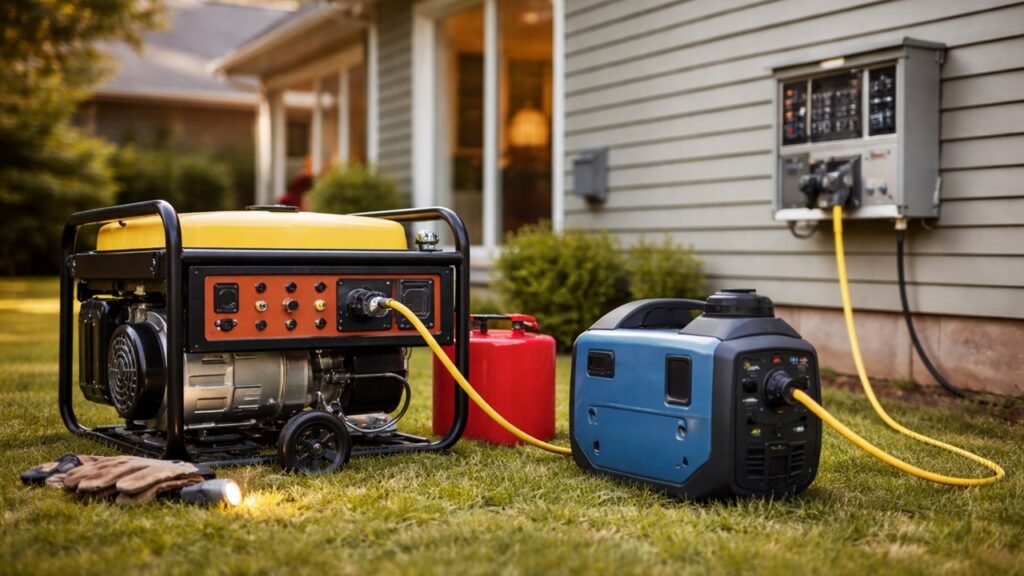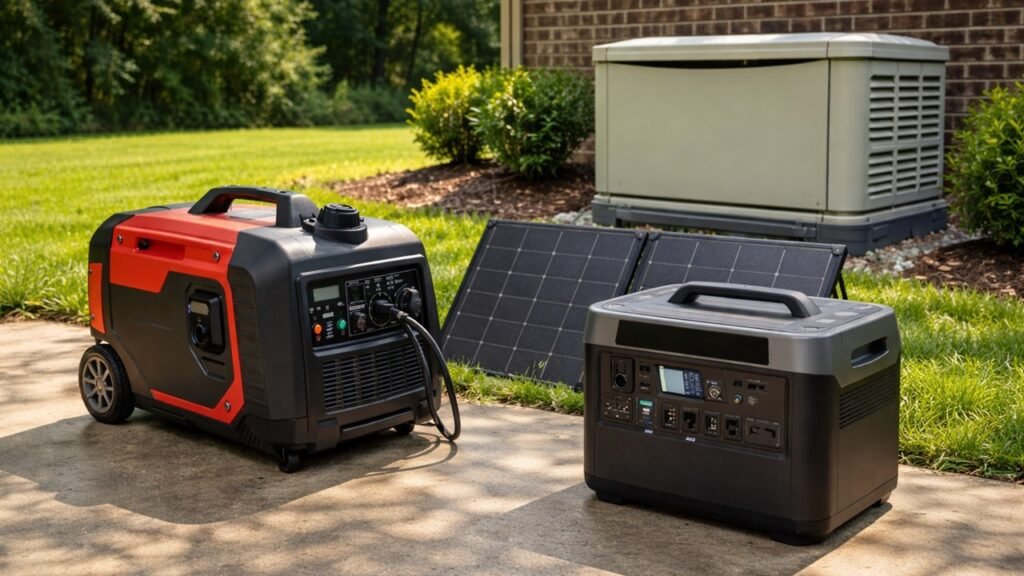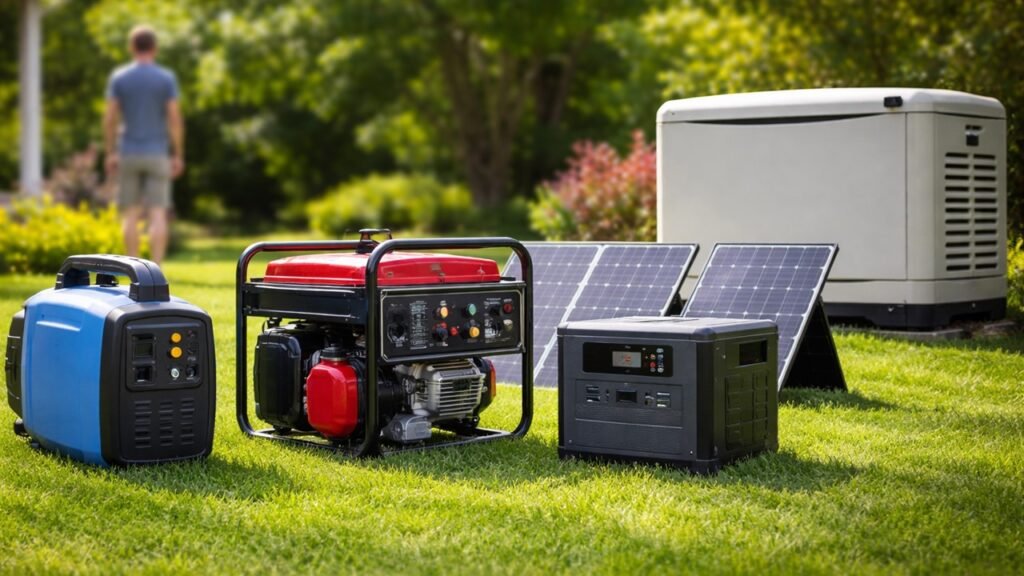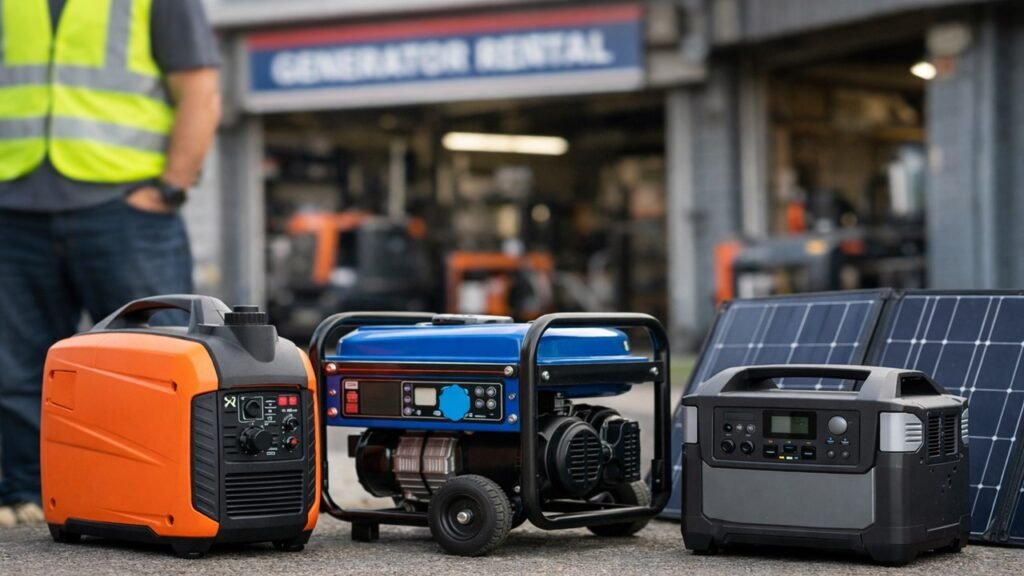
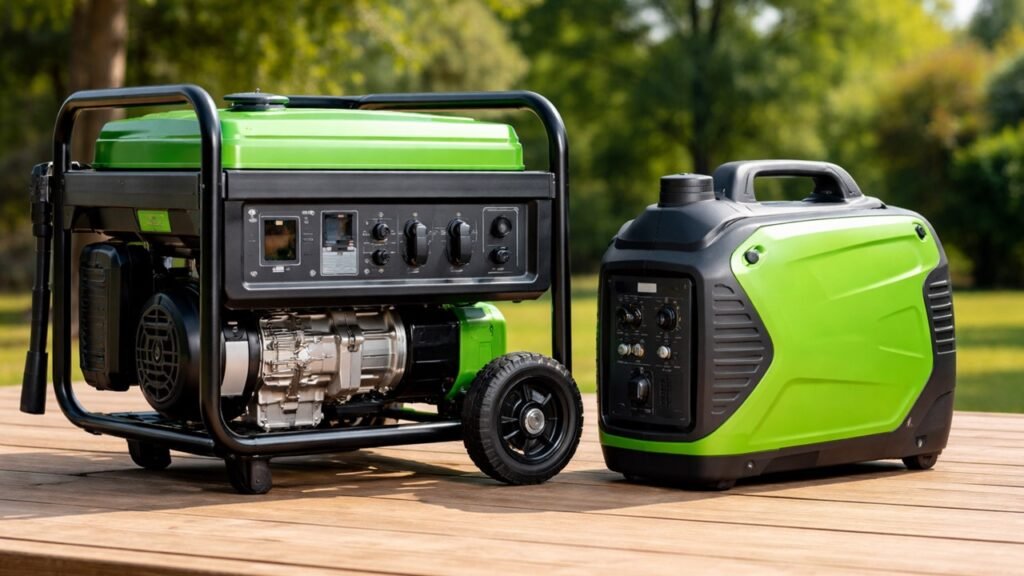
Inverter generator vs generator comes down to one simple question: do you want cleaner, quieter power or higher output for less money?
If you’re looking for something to run sensitive electronics, camp comfortably, or keep noise low at home, an inverter generator usually makes more sense. If you need serious wattage for tools, pumps, or multiple large appliances and you care more about power than polish, a traditional generator often wins.
Let’s break it down clearly.
Key Summary:
- Inverter generators produce cleaner power than traditional generators. Inverter generators reduce voltage fluctuation and protect sensitive electronics.
- Traditional generators deliver higher wattage than most inverter models. Traditional generators handle heavy appliances and power tools more easily.
- Inverter generators run quieter than traditional generators. Inverter generators adjust engine speed based on load demand.
- Traditional generators cost less upfront than inverter generators. Traditional generators offer lower price per watt.
- Inverter generators improve fuel efficiency during light loads. Inverter generators throttle down to reduce fuel consumption.
What Is a Traditional Generator?
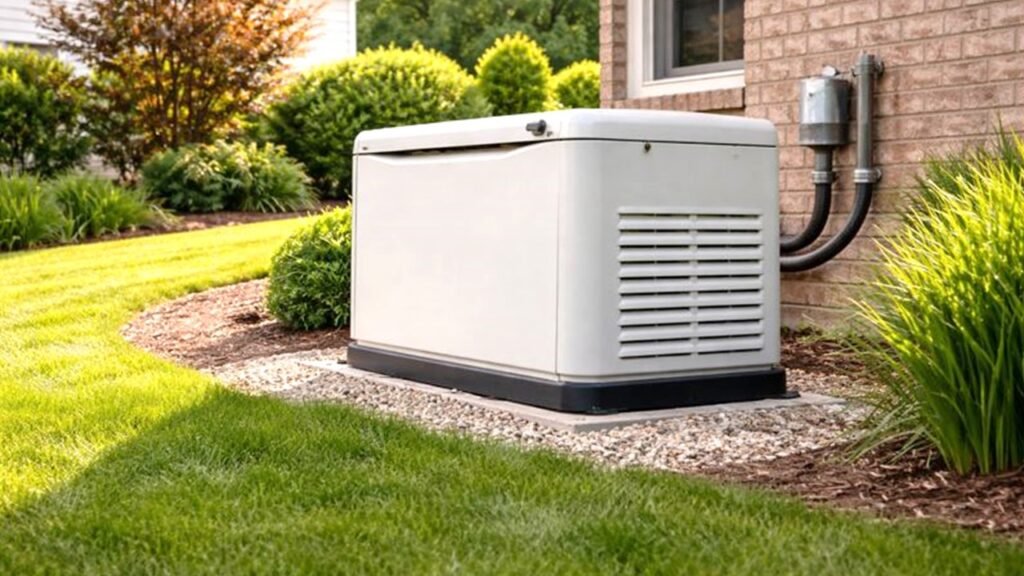
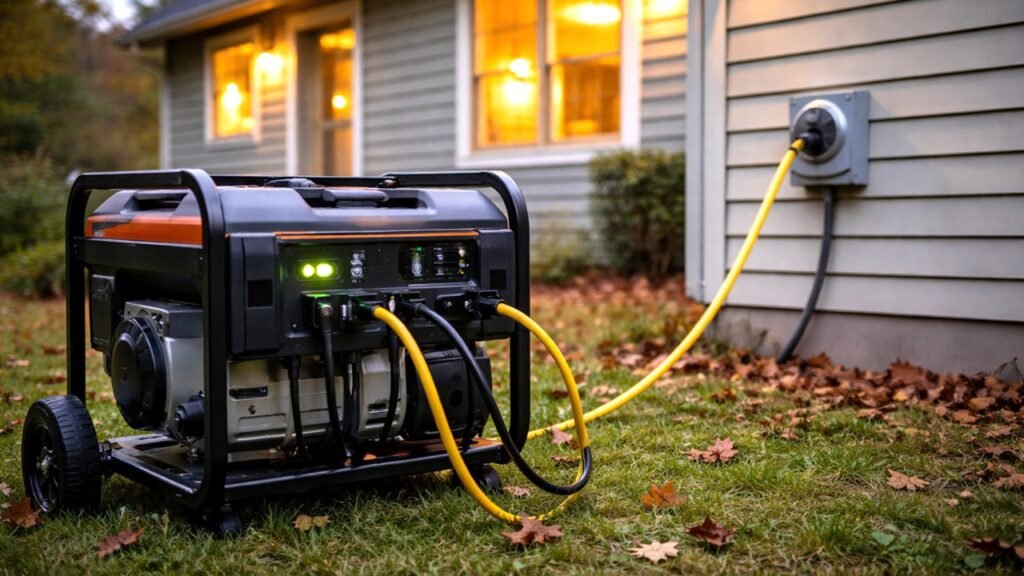
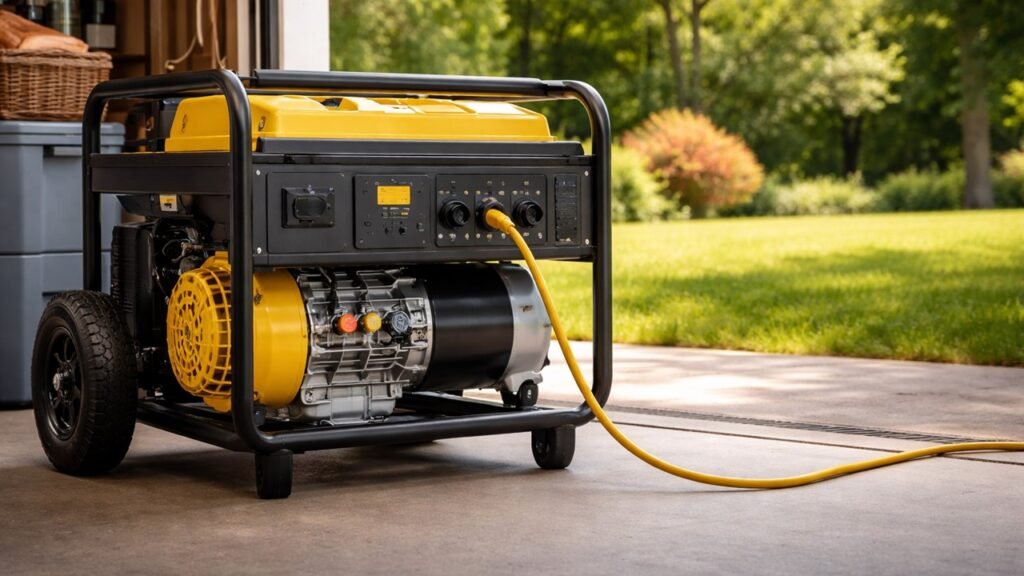
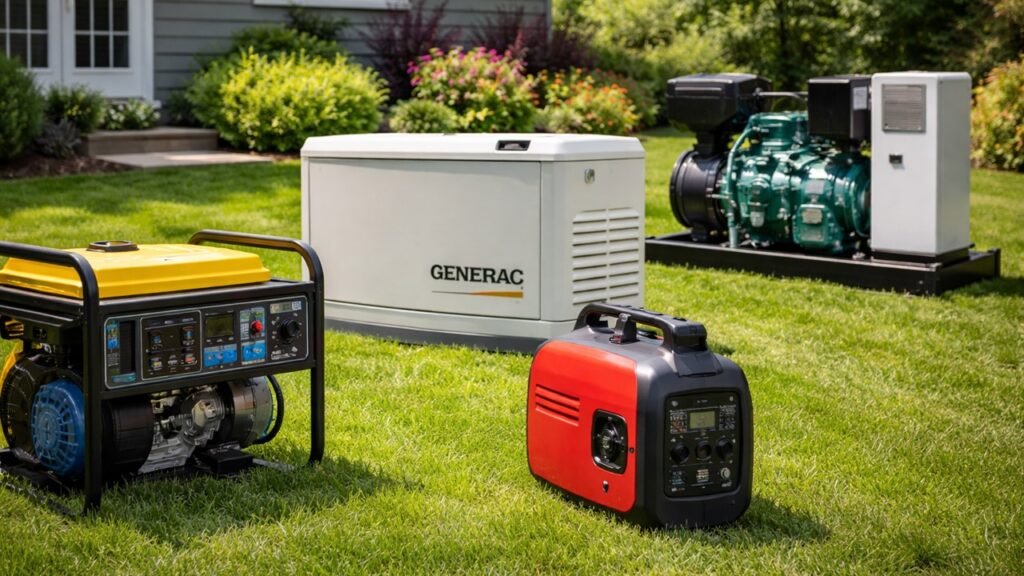
A traditional generator is the classic fuel-powered machine most people picture. It burns gasoline, propane, or diesel, spins an alternator, and produces AC electricity directly.
Most portable traditional generators run at a fixed speed to maintain 60 Hz power. That steady high engine speed is why they tend to be louder and burn more fuel, even when you are not using much power.
In simple terms, traditional generators are built for strength and output, not refinement.
Here’s what that means in real life:
- A traditional generator produces AC power directly from the alternator.
- A traditional generator maintains frequency by holding steady engine speed.
- A traditional generator delivers high starting watts for motors and compressors.
- A traditional generator costs less upfront per watt in most cases.
- A traditional generator may produce more voltage fluctuation compared to inverter models.
If you’re running a sump pump, power tools, a well pump, or multiple large appliances, this type of generator is often the practical choice.
Further reading:
- Best Portable Solar Generators for Home Backup
- Best Portable Solar Generator
- Best Solar Generators for Off Grid Living
- Best Portable Power Stations for Home Backup
What Is an Inverter Generator?
An inverter generator works differently behind the scenes. It first produces AC power, converts it to DC, and then converts it back to stable AC power. That extra step helps smooth out the electricity before it reaches your devices.
The engine also adjusts its speed depending on how much power you’re actually using. So if you’re just charging a laptop and running a few lights, it doesn’t run full throttle.
That design makes inverter generators feel more modern and refined.
Here’s what that means in practical terms:
- An inverter generator converts AC to DC, then back to clean AC power.
- An inverter generator reduces total harmonic distortion, often around 3% or lower in many models.
- An inverter generator adjusts engine speed based on load demand.
- An inverter generator runs quieter under typical household loads.
- An inverter generator is safer for sensitive electronics like laptops and TVs.
If you’re camping, using an RV, or backing up a home full of electronics, this type usually makes more sense.
Inverter Generator vs Generator: Side-by-Side Comparison
Here’s the short answer.
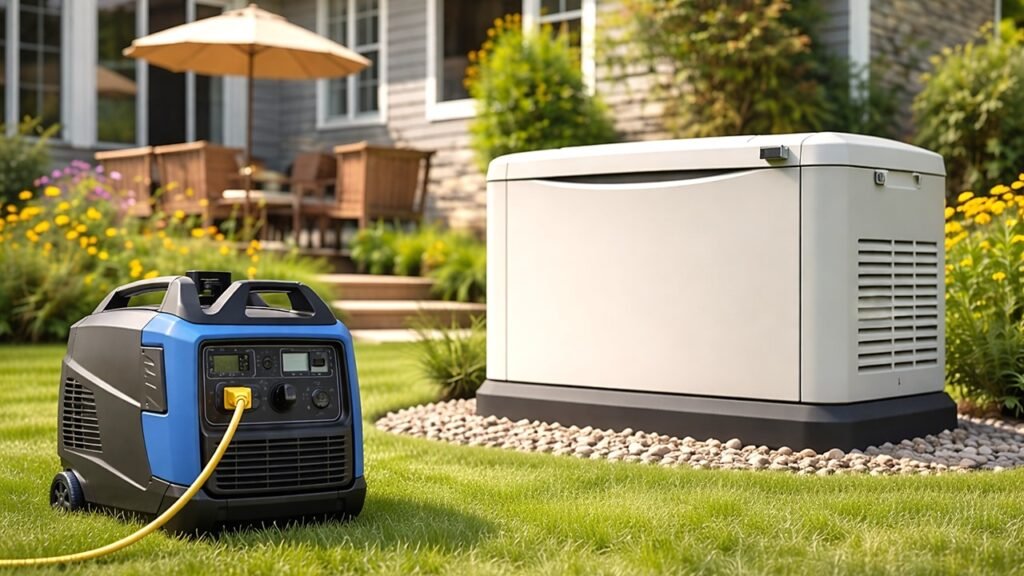
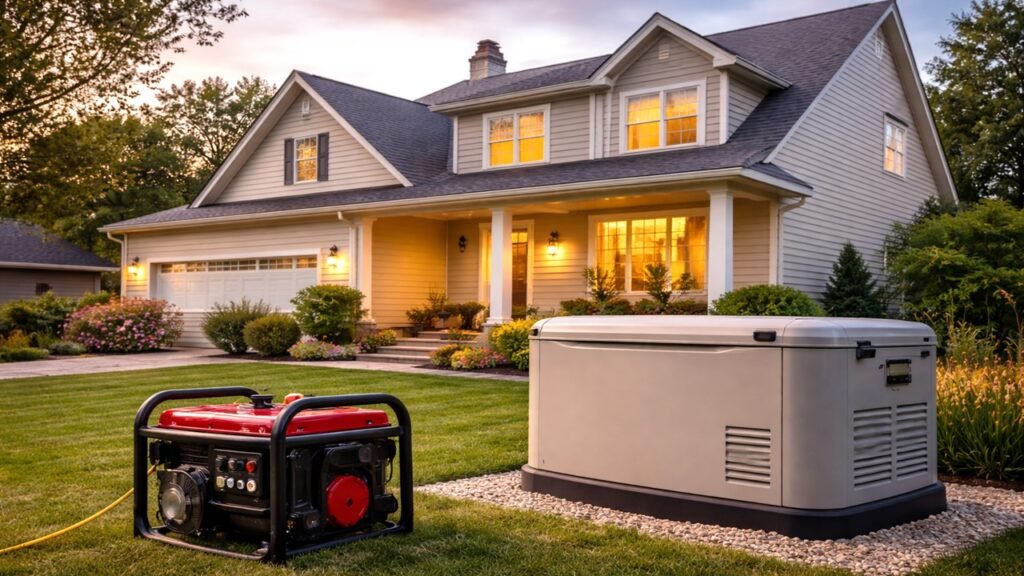
An inverter generator is better for quiet operation, fuel efficiency, and electronics. A traditional generator is better for higher power output at a lower upfront price.
Now let’s look at it side by side:
| Feature | Inverter Generator | Traditional Generator |
| Power Quality | Clean and stable output, often low THD | Raw AC output with more fluctuation |
| Engine Speed | Adjusts to load demand | Runs at steady high speed |
| Noise Level | Generally quieter | Generally louder |
| Fuel Efficiency | More efficient at light to medium loads | Less efficient at low loads |
| Portability | Usually lighter and compact | Often heavier and bulkier |
| Maximum Output | Moderate unless paired in parallel | Higher wattage options widely available |
| Upfront Cost | Higher | Lower |
If you’re looking for comfort, quiet, and electronics protection, go inverter. If you’re looking for raw strength and budget value, go traditional.
Noise, Fuel Efficiency, and Power Quality Explained
Noise, fuel efficiency, and power quality are where the real differences show up. A traditional generator usually runs at a steady high engine speed to maintain 60 Hz output. That steady speed means more engine noise and more fuel burned, even when you are only running a few devices.
An inverter generator adjusts its engine speed based on demand. When you are running light loads, the engine slows down. That typically means less noise and better fuel efficiency over time. If you plan to run a generator for long hours, especially during multi day outages, that fuel difference adds up.
Power quality matters most for electronics. Inverter generators smooth out electricity before sending it to your devices, which helps protect laptops, TVs, routers, and medical equipment. Traditional generators can still power most appliances just fine, but their output may fluctuate more under changing loads.
Which One Is Better for Home Backup Power?
For most modern homes, an inverter generator is better for protecting electronics and keeping noise manageable. A traditional generator is better when you need high wattage for heavy appliances and do not mind extra noise.
Now let’s break that down clearly.
Choose a Traditional Generator for Home Backup If
- You need high starting watts for sump pumps, well pumps, or large AC units.
- You plan to run multiple heavy appliances at the same time.
- Noise is not a major concern in your area.
- Your priority is lower upfront cost per watt.
Traditional generators shine when the goal is raw output and reliability under heavy loads.
Choose an Inverter Generator for Home Backup If
- You want cleaner power for electronics and smart home devices.
- You prefer quieter operation in residential neighborhoods.
- You expect longer outages and want better fuel efficiency.
- You are running light to medium loads most of the time.
If your home is full of modern electronics and you value comfort during outages, an inverter generator usually makes more sense.
Inverter Generator vs Generator for Camping, RVs, and Outdoor Use
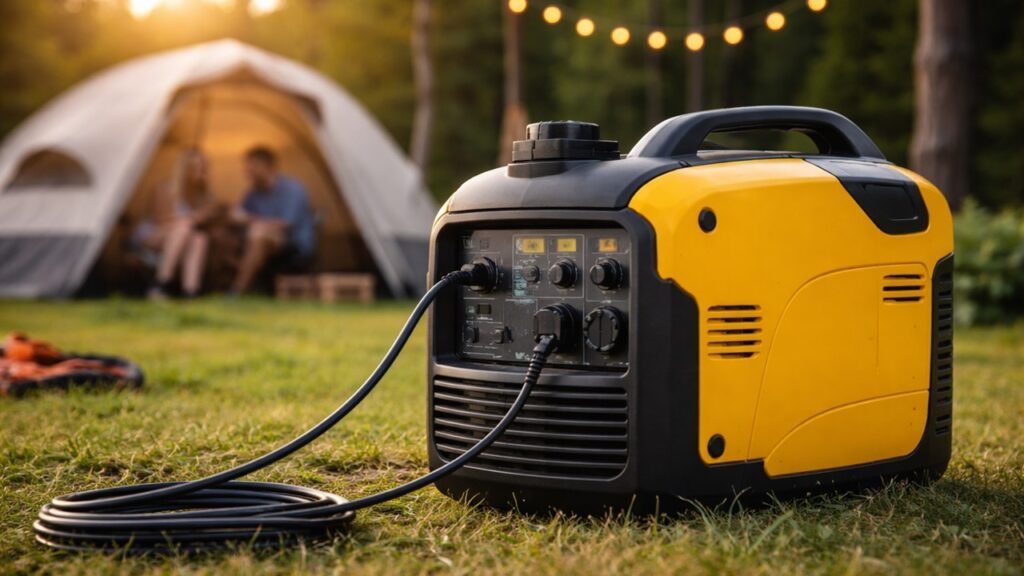
For camping, RVs, and outdoor activities, an inverter generator is usually the better choice. It runs quieter, uses less fuel at low loads, and is easier to carry.
Here’s why that matters in real life.
Why Inverter Generators Work Better Outdoors
- Inverter generators produce less noise, which is important in campgrounds.
- Inverter generators are typically lighter and more compact.
- Inverter generators protect phones, laptops, and portable electronics.
- Inverter generators adjust engine speed when loads are low, saving fuel on long trips.
Most campgrounds have noise rules. A loud traditional generator can disturb neighbors and may even violate quiet hour policies.
When a Traditional Generator Might Still Make Sense Outdoors
- You are powering large tools at a remote job site.
- You need high wattage for construction equipment.
- Noise restrictions are not an issue.
For recreational use, inverter models usually win. For job sites, traditional models often take the lead.
Cost Comparison and Long-Term Value
Traditional generators usually cost less upfront. Inverter generators usually cost more at the beginning but can save money over time through better fuel efficiency.
The right value depends on how often you plan to use it and how long you expect outages to last.
Here is how to think about long term value:
- Traditional generators cost less initially per watt.
- Inverter generators may reduce fuel costs during long or frequent use.
- Inverter generators may protect expensive electronics from unstable power.
- Traditional generators may require more fuel during light load operation.
- Maintenance costs vary by model, but both require oil changes and regular upkeep.
If you use a generator only once or twice a year, a traditional unit may offer better value. If you use it regularly, inverter fuel savings can start to matter.
Related reading:
Safety Considerations (Important)
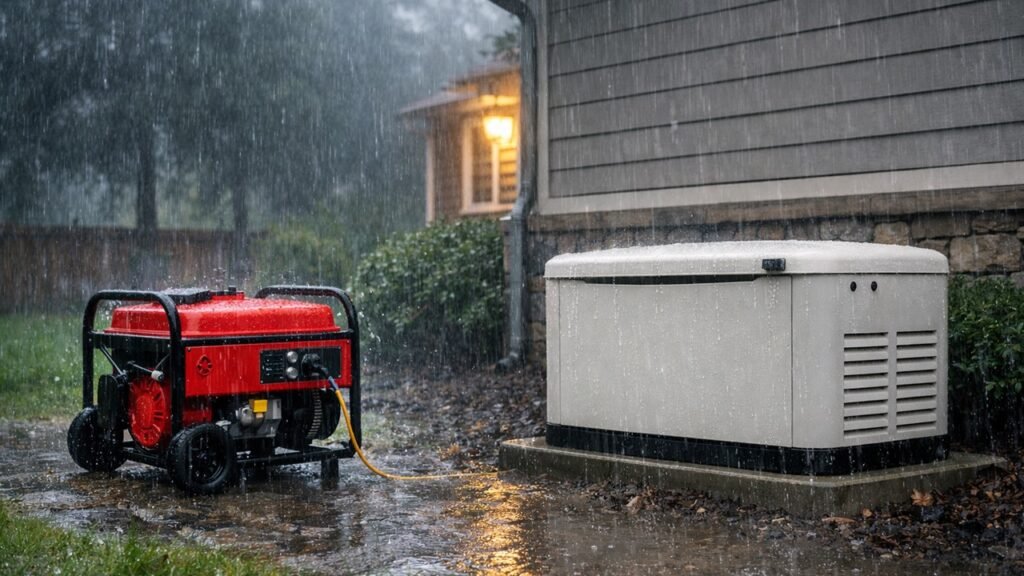
Both inverter and traditional generators burn fuel and produce carbon monoxide. Neither is safe to run indoors, in a garage, or near open windows. Carbon monoxide poisoning is a serious and life threatening risk.
The type of generator does not change this rule. Safe placement and proper setup matter more than the model you choose.
Keep these safety rules in mind:
- Always run generators outdoors in open air.
- Keep the generator at least 20 feet away from your home.
- Point the exhaust away from doors and windows.
- Use carbon monoxide alarms inside your home.
- Never refuel a hot generator.
- Use heavy duty extension cords rated for the load.
Safety is not optional. Even a smaller, quieter inverter generator can produce dangerous levels of carbon monoxide.
Conclusion
The inverter generator vs generator debate really comes down to your priorities. If you want quiet operation, better fuel efficiency, and protection for sensitive electronics, an inverter generator is usually the smarter choice.
If you need high wattage for heavy tools, pumps, or multiple large appliances and want to keep upfront costs lower, a traditional generator is often the practical option.
There is no universal winner. The best generator is the one that matches your power needs, your environment, and how often you plan to use it. Choose based on your real world usage, not just the spec sheet.
Related FAQs
Is an inverter generator better than a regular generator?
For most home use, yes. An inverter generator is quieter, more fuel efficient, and safer for electronics. A regular generator is better if you need higher wattage for heavy equipment.
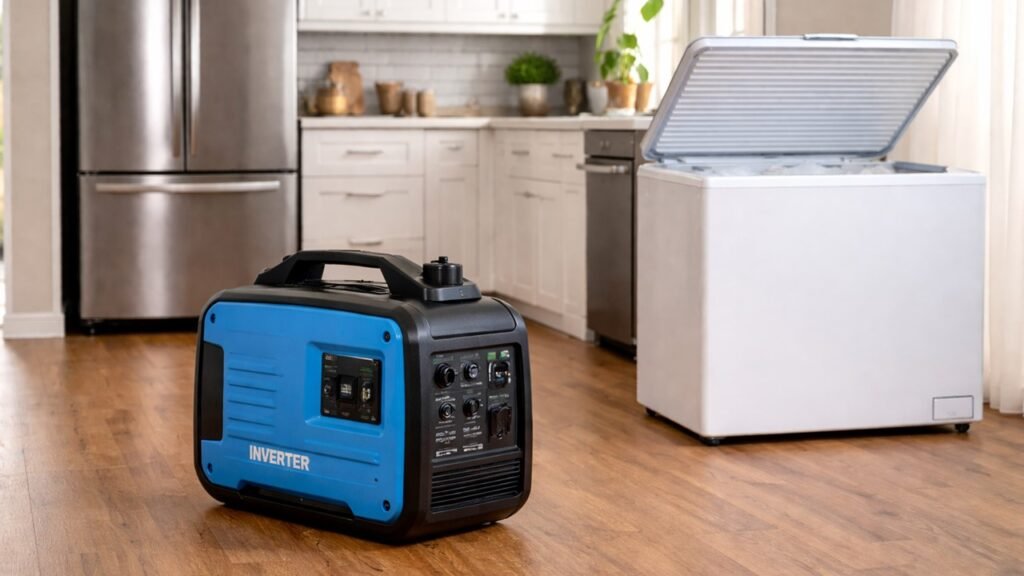
Can an inverter generator run a refrigerator?
Yes. Most inverter generators can run a refrigerator, as long as the starting watts and running watts fit within the generator’s capacity.
Why are inverter generators more expensive?
Inverter generators use advanced electronics to clean and stabilize power. That extra technology increases manufacturing cost, which raises the upfront price.
Are traditional generators more powerful?
In many cases, yes. Traditional generators are widely available in higher wattage ranges, making them suitable for heavy loads and large appliances.
Which is quieter, inverter generator or generator?
An inverter generator is usually quieter because it adjusts engine speed based on demand. A traditional generator runs at constant high speed, which increases noise.
Do inverter generators save fuel?
Yes. Inverter generators slow down when power demand is low, which reduces fuel consumption during light and medium loads.

Robert Caldwell writes in-depth guides and reviews focused on generators, backup power systems, and portable energy equipment. His work is grounded in hands-on testing, covering fuel types, runtime performance, noise levels, and real-world reliability. He helps homeowners, RV owners, and outdoor users choose dependable power solutions with confidence. Every article emphasizes clear explanations, safe operation, and long-term value.