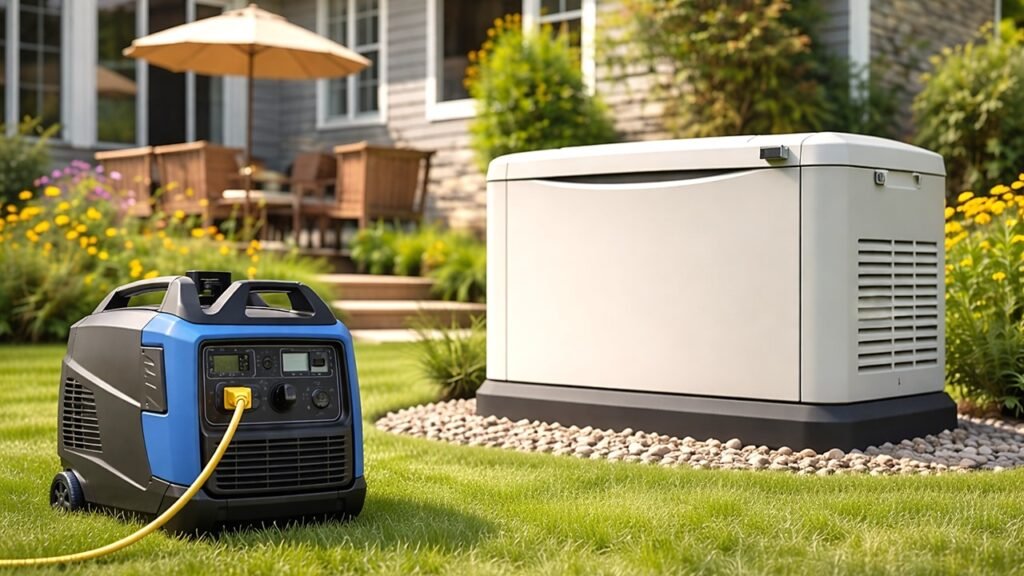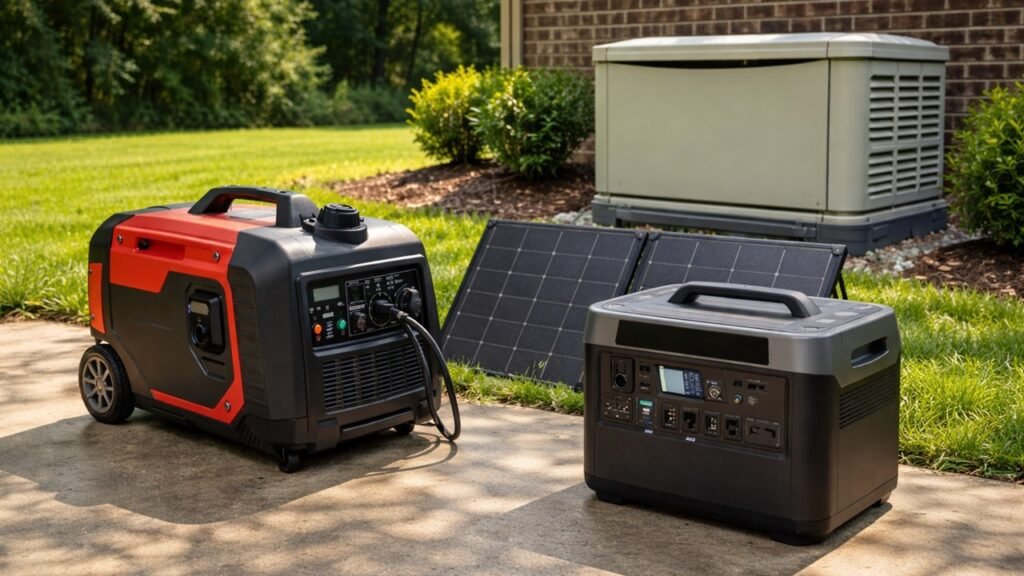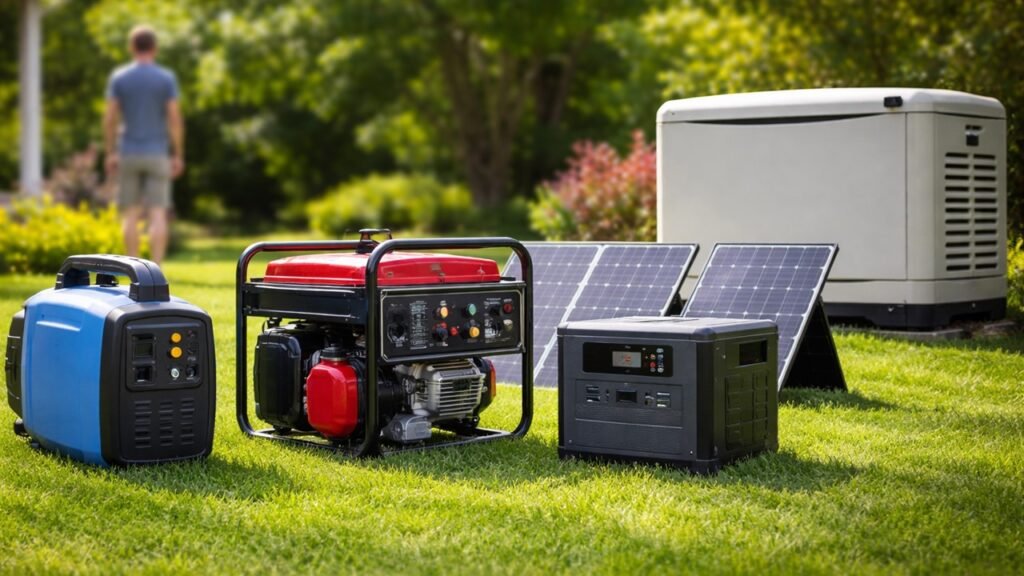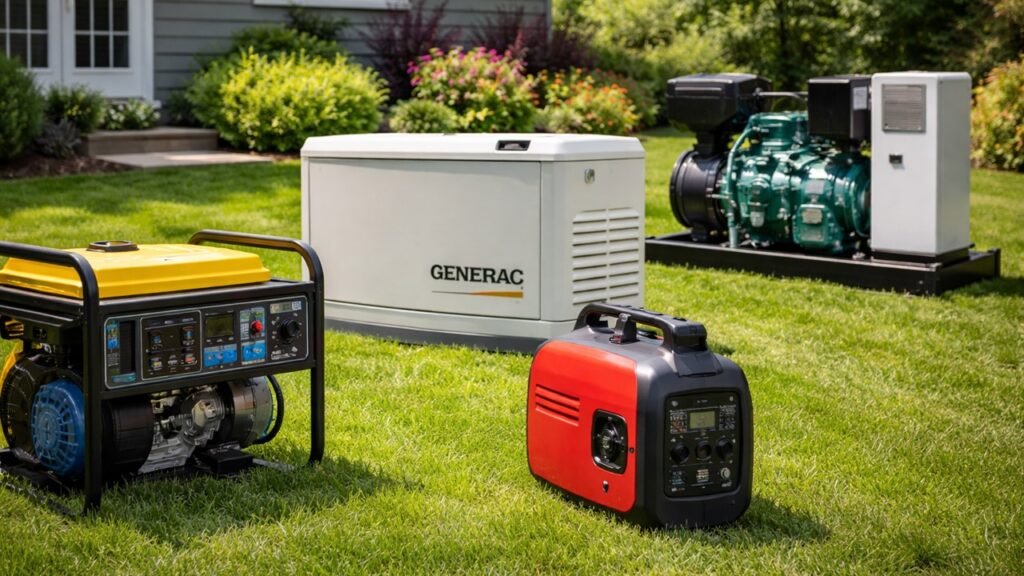
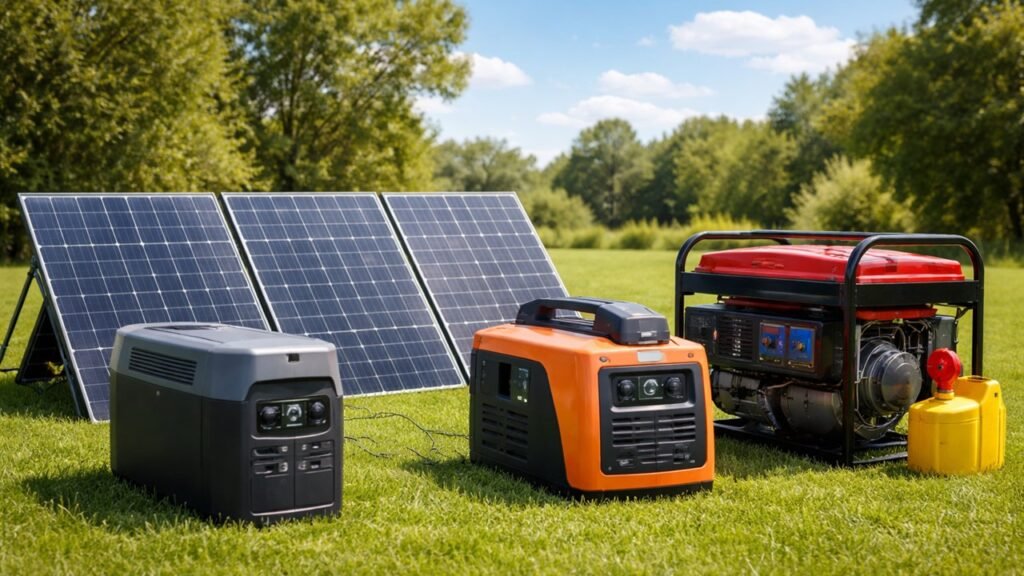
If you are comparing solar vs gas generator options, you are likely trying to answer one simple question: which one makes more sense for your home? The truth is, both can keep your lights on during an outage, but they work very differently. A solar generator stores electricity in a battery and runs clean and silent. A gas generator burns fuel to create power and usually delivers more raw output.
The better choice depends on how much power you need, how long you expect outages to last, and how comfortable you are dealing with fuel, noise, and maintenance.
Key Summary:
- Solar generators use stored battery power and produce zero emissions during operation, while gas generators burn fuel and release exhaust gases.
- Gas generators deliver higher surge wattage for heavy appliances, while solar generators prioritize quiet and controlled power output.
- Solar generators operate safely indoors because they produce no carbon monoxide, while gas generators must run outdoors to prevent poisoning risks.
- Solar generators have higher upfront costs but lower long term expenses due to zero fuel use, while gas generators cost less initially but require ongoing fuel and maintenance.
- A hybrid setup combines solar generators for daily essentials and gas generators for high demand or extended outages, improving overall backup reliability.
Solar Generator vs Gas Generator (Quick Comparison)
In simple terms, solar generators are safer and quieter. Gas generators are more powerful and cheaper upfront. That is the core difference most homeowners care about.
| Feature | Solar Generator | Gas Generator |
| Power Source | Sunlight stored in battery | Gasoline, propane, or diesel |
| Indoor Use | Safe | Not safe due to carbon monoxide |
| Noise Level | Silent | Loud, 60 to 90 dB |
| Upfront Cost | Higher | Lower |
| Ongoing Cost | Very low | Fuel and maintenance required |
| Best For | Indoor backup, apartments, RV use | High wattage appliances, job sites |
If you live in an apartment or want something you can safely run indoors, solar makes life easier. If you need to power central air conditioning or heavy tools, gas still has an advantage.
Further reading:
- Best Portable Solar Generators for Home Backup
- Best Portable Solar Generator
- Best Solar Generators for Off Grid Living
- Best Portable Power Stations for Home Backup
What Is a Solar Generator
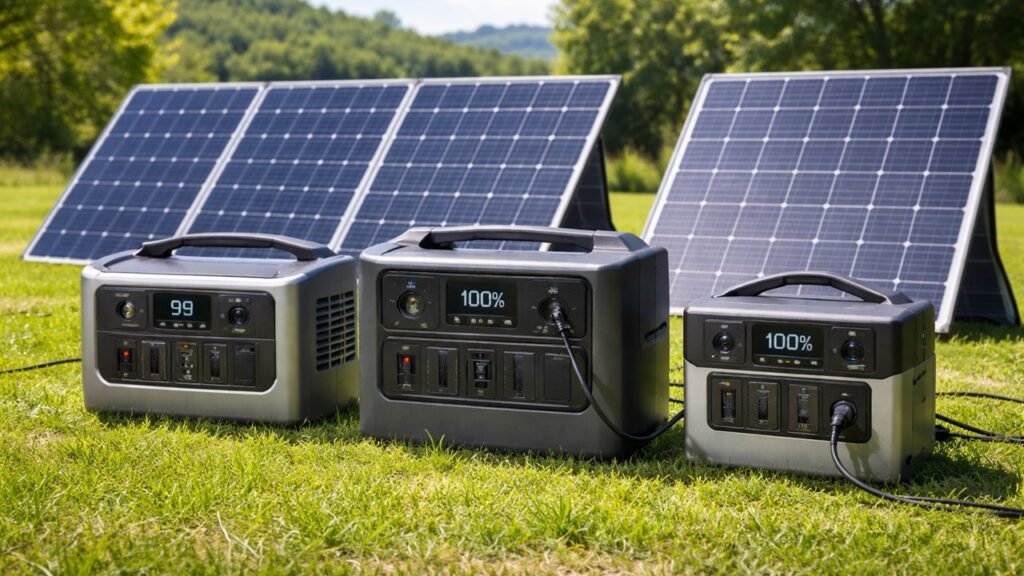
A solar generator is basically a large rechargeable battery with built in outlets. Instead of burning fuel, it stores electricity and delivers it when you need it. You can charge it from a wall outlet, your car, or solar panels.
Inside, it has four main parts: solar panels to collect energy, a battery to store it, a charge controller to regulate incoming power, and an inverter that turns stored DC electricity into standard AC power for your appliances.
Most modern models use LiFePO4 batteries, which are known for longer lifespan and better safety compared to older lithium-ion systems. Many units are rated for thousands of charge cycles, which means they can last many years with regular use. The biggest benefits are silence, zero fumes, and minimal maintenance. You plug it in and it just works.
What Is a Gas Generator
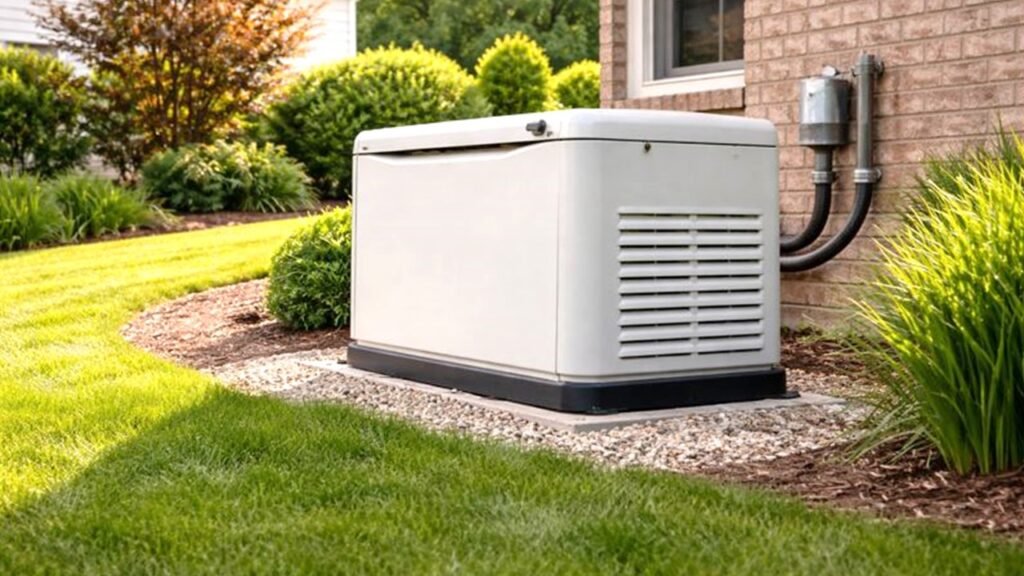
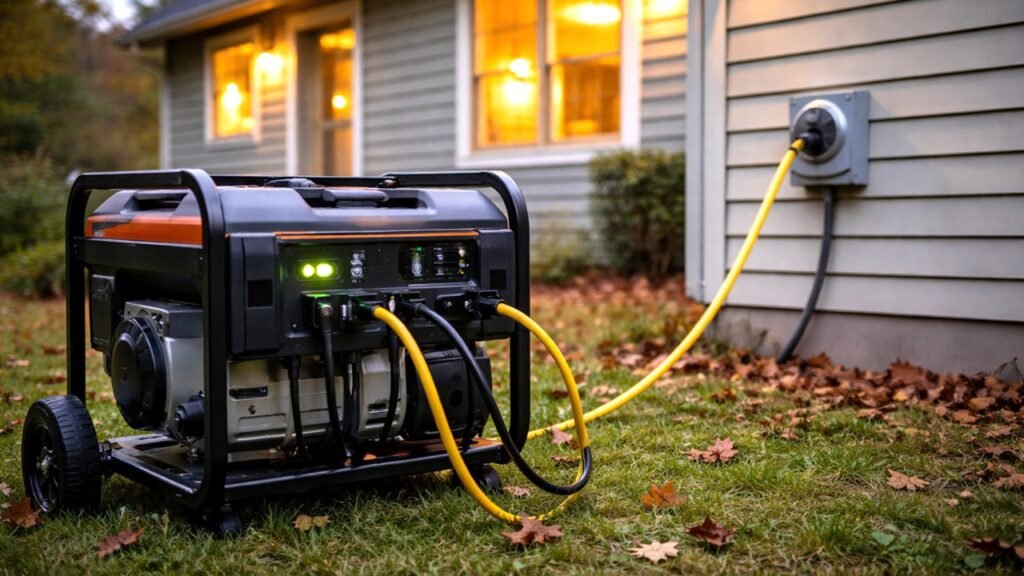
A gas generator is a small engine that creates electricity by burning fuel. It works similarly to a car engine. When fuel burns inside the engine, it spins an alternator, which produces electricity.
These generators usually run on gasoline, though some models also support propane or diesel. They can deliver strong, immediate power, which is why they are common on construction sites and in emergency home backup situations.
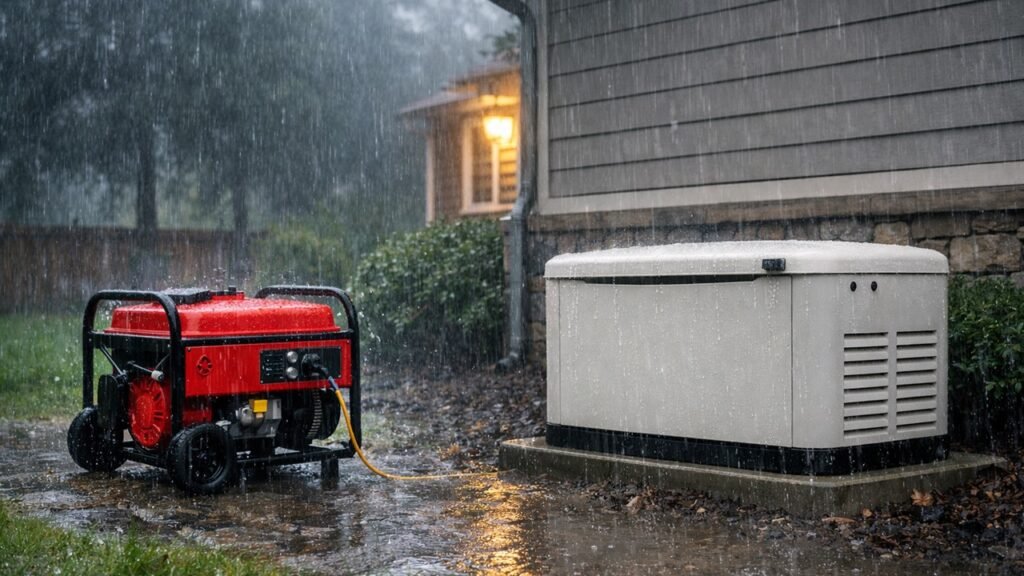
The tradeoff is that they are noisy and must always be used outdoors. Gas generators produce carbon monoxide, which is extremely dangerous in enclosed spaces.
According to the U.S. Consumer Product Safety Commission, hundreds of deaths occur every year due to generator-related carbon monoxide poisoning. They also require regular oil changes, fuel management, and occasional part replacements.
Power Output Differences Between Solar and Gas Generators
If power output is your main concern, gas generators usually win in raw wattage. They are built to handle high surge loads like air conditioners, well pumps, and large power tools.
Solar generators are more limited by battery size and inverter capacity, though high-end expandable systems can reach whole-home levels.
Here is a general comparison:
| Generator Type | Typical Output Range | Suitable For |
| Small Solar Generator | 300 to 1,000 watts | Phones, lights, small electronics |
| Mid Size Solar Generator | 1,500 to 3,600 watts | Refrigerators, TVs, small heaters |
| Expandable Solar System | 5,000 to 36,000 watts | Whole home backup setups |
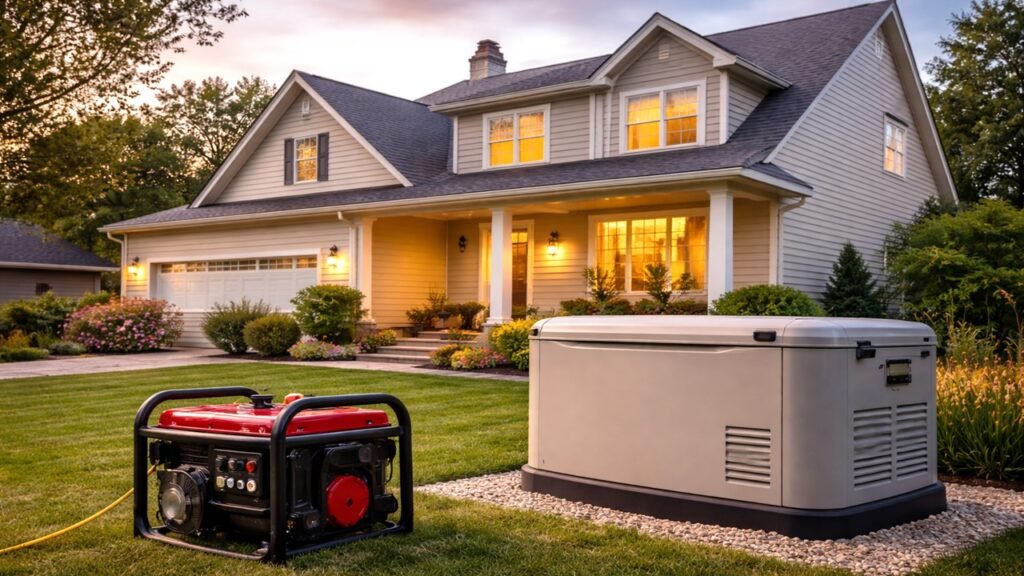
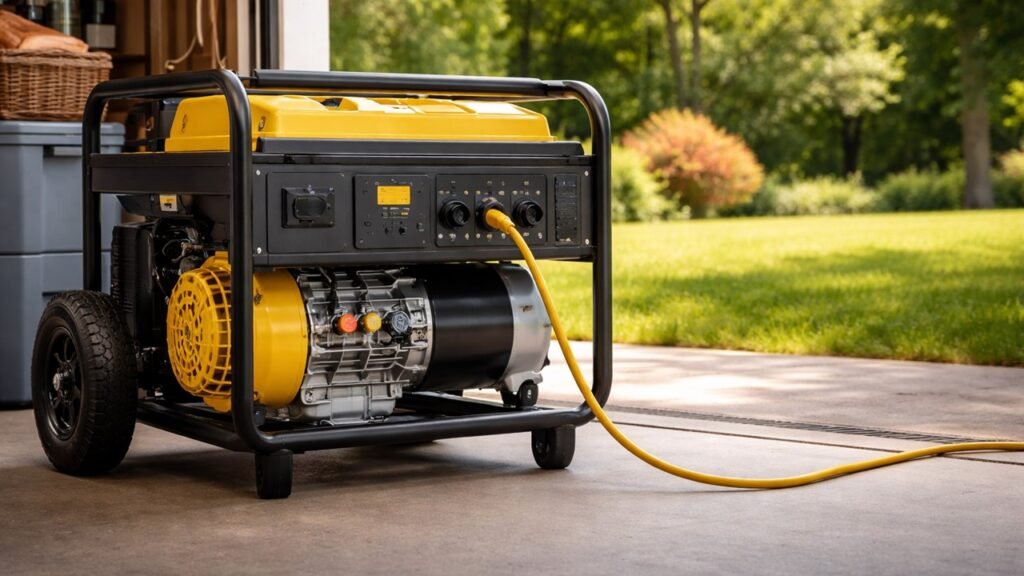
| Portable Gas Generator | 2,000 to 10,000 watts | AC units, tools, appliances |
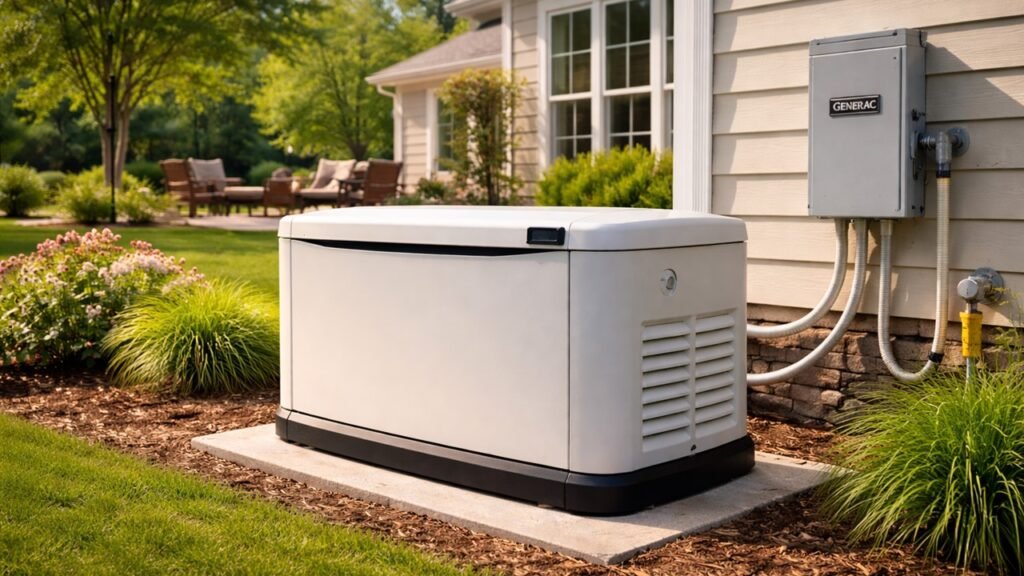
| Standby Gas Generator | 10,000 to 22,000+ watts | Central HVAC and full home circuits |
For short outages where you need heavy power fast, gas is straightforward. For quieter, cleaner backup focused on essentials, solar often feels more practical in everyday living.
Runtime and Refueling Comparison
Gas generators can run as long as you have fuel, while solar generators run as long as the battery has stored energy. The real difference comes down to fuel access versus battery capacity and sunlight availability.
Solar Generator Runtime
A solar generator runs until the battery is depleted. Runtime depends on battery size, total load, and inverter efficiency. For example, a 2,000Wh battery can run a 200W refrigerator for roughly 8 to 10 hours depending on cycling.
You can extend runtime by adding solar panels during daylight hours. If the sun is strong and panel input is high, you may offset much of your daily usage. However, cloudy weather or short winter days reduce charging speed. In extended bad weather, once the battery drains, you must recharge through wall power or wait for sunlight.
Solar works best when loads are managed carefully and when you prioritize essential appliances.
Gas Generator Runtime
A gas generator runs as long as there is fuel in the tank. Once the tank is empty, you simply refuel and continue running. This makes gas attractive for long outages where sunlight may be unreliable.
Most portable units run 6 to 12 hours per tank depending on load and tank size. Larger standby systems connected to propane or natural gas lines can run for days.
The limitation is fuel availability. During large outages, gas stations may close or run out of fuel. Storing fuel at home also requires proper safety precautions.
Safety and Indoor Use
Solar generators are safe for indoor use because they produce no emissions. Gas generators must always run outdoors due to the risk of carbon monoxide poisoning.
- Solar generators produce zero carbon monoxide.
- Solar generators are safe in apartments, garages, and enclosed spaces.
- Gas generators emit carbon monoxide, which is odorless and deadly.
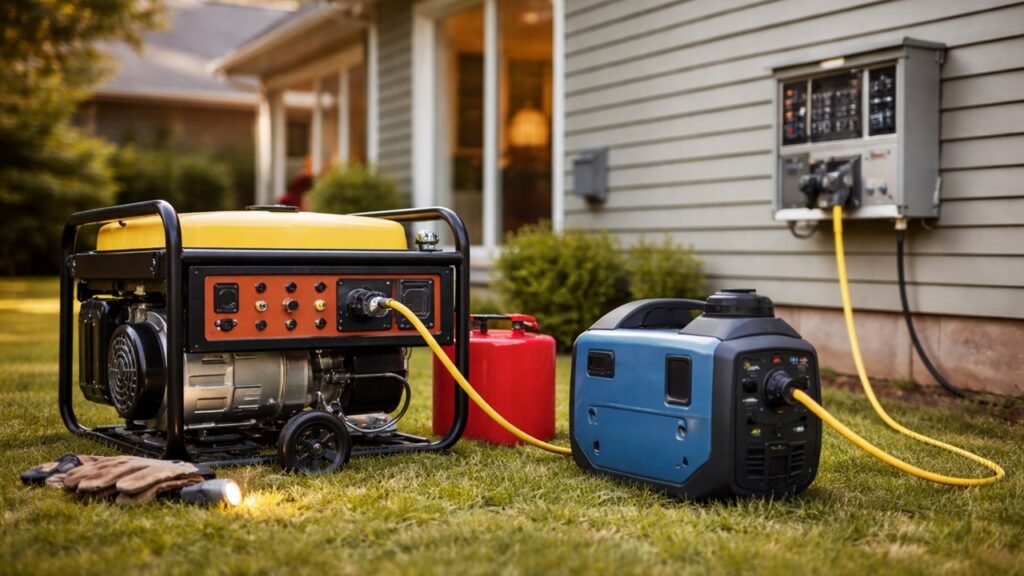
- Gas generators must be placed at least 20 feet away from buildings.
- Gas generators should never run inside homes, garages, or near windows.
- Fuel storage for gas generators must follow fire safety guidelines.
According to the U.S. Consumer Product Safety Commission, portable generators are a leading cause of carbon monoxide deaths during power outages. Safety alone is a major deciding factor for many households.
Noise Level Comparison
Solar generators operate silently, while gas generators produce noticeable engine noise. For many homeowners, noise becomes a major quality of life factor during outages.
| Generator Type | Typical Noise Level | Real World Comparison |
| Solar Generator | 0 dB from engine | Silent operation |
| Inverter Gas Generator | 50 to 65 dB | Similar to conversation |
| Conventional Gas Generator | 70 to 90 dB | Similar to lawn mower |
If you live in a quiet neighborhood or apartment building, solar is far less disruptive. Gas generators can be heard clearly, especially at night.
Cost Comparison (Upfront vs Long-Term)
Gas generators cost less upfront, but solar generators usually cost less over time due to zero fuel expenses and lower maintenance.
| Cost Factor | Solar Generator | Gas Generator |
| Purchase Price | Higher initial investment | Lower upfront cost |
| Fuel Cost | None | Ongoing expense |
| Maintenance Cost | Minimal | Regular oil, parts, servicing |
| 10 Year Cost | Often lower overall | Often higher due to fuel and upkeep |
While solar requires a larger initial purchase, fuel costs for gas add up quickly during repeated outages. Over many years, those recurring costs can exceed the initial price difference.
You may also like:
Maintenance Requirements
Solar generators require very little upkeep, while gas generators need regular servicing to remain reliable.
Solar Generator Maintenance
Maintenance is simple and minimal. There are no engines, oil changes, or fuel systems to worry about. You mainly monitor battery health and keep the unit clean.
Occasionally, you may need firmware updates depending on the brand. If you use solar panels, cleaning them periodically improves charging efficiency. Overall, maintenance is low effort and predictable.
Gas Generator Maintenance
Gas generators require routine engine maintenance. Oil must be changed regularly. Spark plugs and air filters need inspection or replacement. Fuel can degrade over time and may require stabilizers.
If not properly maintained, carburetors can clog, especially if fuel sits unused. Many manufacturers recommend running the generator periodically even when not in use to keep the engine in good condition.
For homeowners who prefer a plug and forget solution, solar feels simpler. For those comfortable with engine maintenance, gas remains manageable but requires more attention.
Environmental Impact
Solar generators have a significantly lower environmental impact than gas generators because they do not burn fossil fuels during operation. Gas generators rely on combustion, which produces emissions and contributes to air pollution.
- Solar generators produce zero emissions during use.
- Solar generators reduce dependence on fossil fuels.
- Solar panels can last 25 years or more with proper care.
- LiFePO4 batteries typically last 8 to 15 years depending on usage.
- Gas generators burn gasoline, propane, or diesel.
- Gas generators release carbon dioxide and carbon monoxide.
- Fuel production and transport add to overall environmental impact.
- Engine wear over time increases emissions if not maintained properly.
If lowering your carbon footprint matters to you, solar clearly has the advantage in day to day operation.
Best Use Cases for Each Generator Type
Solar generators are ideal for quiet, indoor, and long term use, while gas generators are better suited for high power demands and short term heavy loads. The right choice depends on your living situation and energy needs.
When a Solar Generator Makes More Sense
If you live in an apartment, solar is usually the safer option. It can run indoors without fumes, making it suitable for flats and enclosed spaces. It also works well for RV trips, camping, and situations where noise restrictions apply.
Solar is practical for powering essentials such as refrigerators, WiFi routers, lights, laptops, and medical devices. It is also a strong choice if you want lower ongoing costs and minimal maintenance.
For long term preparedness where fuel shortages are a concern, solar paired with panels provides energy independence during extended outages.
When a Gas Generator Is the Better Choice
Gas generators shine when you need high surge power quickly. They handle central air conditioners, well pumps, large heaters, and power tools more easily.
They are commonly used on construction sites and in homes that require heavy loads during short outages. If upfront budget is limited and you are comfortable with fuel storage and engine maintenance, gas remains a practical option.
For households that prioritize raw wattage over silence and emissions, gas often feels more straightforward.
Related reading:
Can You Use Solar and Gas Generators Together
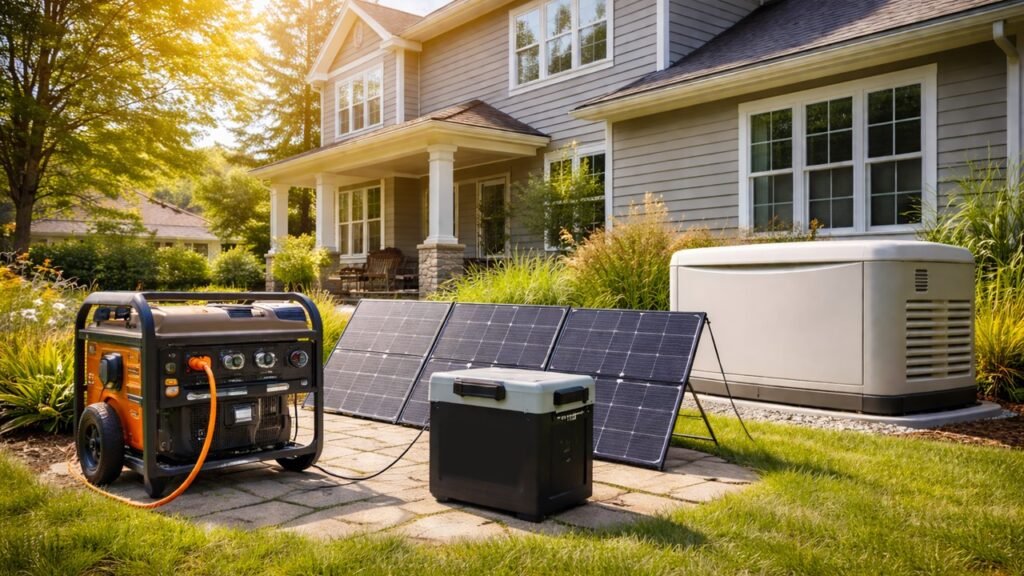
Yes, many homeowners use both systems as a hybrid backup strategy. Solar can handle daily essentials quietly and efficiently, while a gas generator can be used to recharge batteries or support heavy loads when needed.
This approach reduces fuel consumption while still giving you high power capability. During extended cloudy weather, the gas unit can recharge the solar battery system to maintain stability.
A hybrid setup offers flexibility. You get the safety and quiet operation of solar most of the time, with the backup strength of gas when conditions demand it.
Conclusion
When comparing solar vs gas generator options, the main differences come down to power output, safety, cost, and lifestyle fit. Solar generators are quiet, emission free, and low maintenance. Gas generators provide strong immediate output and lower upfront pricing.
If you prioritize indoor safety, long term savings, and minimal upkeep, solar is often the better choice. If you need high surge power for large appliances and want a lower purchase cost, gas may suit you better.
For many homes, a balanced hybrid approach delivers the most reliable solution. Choosing the right system starts with understanding your power needs, outage patterns, and comfort level with fuel and maintenance.
Related FAQs
Is a solar generator better than a gas generator for home use?
A solar generator is better for indoor safety, low noise, and long term savings. A gas generator is better if you need higher wattage for heavy appliances.
Can a solar generator run a refrigerator during a power outage?
Yes, most mid size solar generators can run a standard refrigerator for several hours. Runtime depends on battery capacity and total load.
Which is cheaper long term, solar or gas generator?
Solar generators are usually cheaper long term because they have no fuel costs and minimal maintenance. Gas generators require ongoing fuel and servicing.
Are gas generators more powerful than solar generators?
In most cases, yes. Gas generators typically deliver higher surge and continuous wattage, especially for large appliances like air conditioners.
Can you charge a solar generator with a gas generator?
Yes, you can recharge a solar generator using a gas generator through AC input. Many homeowners use this as a hybrid backup strategy.
Are solar generators reliable in winter or cloudy weather?
Solar generators still work in winter, but charging may be slower due to reduced sunlight. Battery storage size becomes more important in low sun conditions.

Robert Caldwell writes in-depth guides and reviews focused on generators, backup power systems, and portable energy equipment. His work is grounded in hands-on testing, covering fuel types, runtime performance, noise levels, and real-world reliability. He helps homeowners, RV owners, and outdoor users choose dependable power solutions with confidence. Every article emphasizes clear explanations, safe operation, and long-term value.