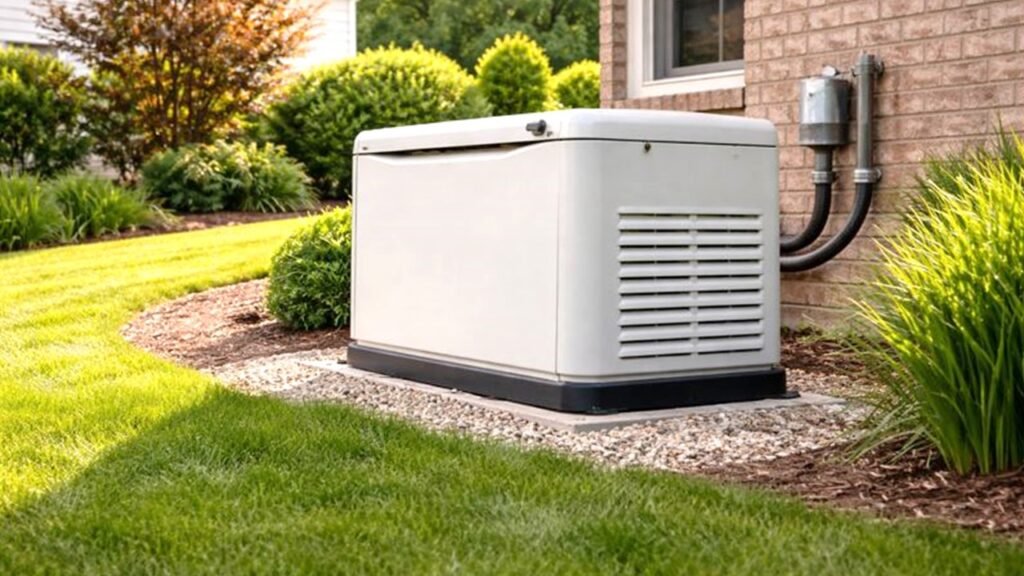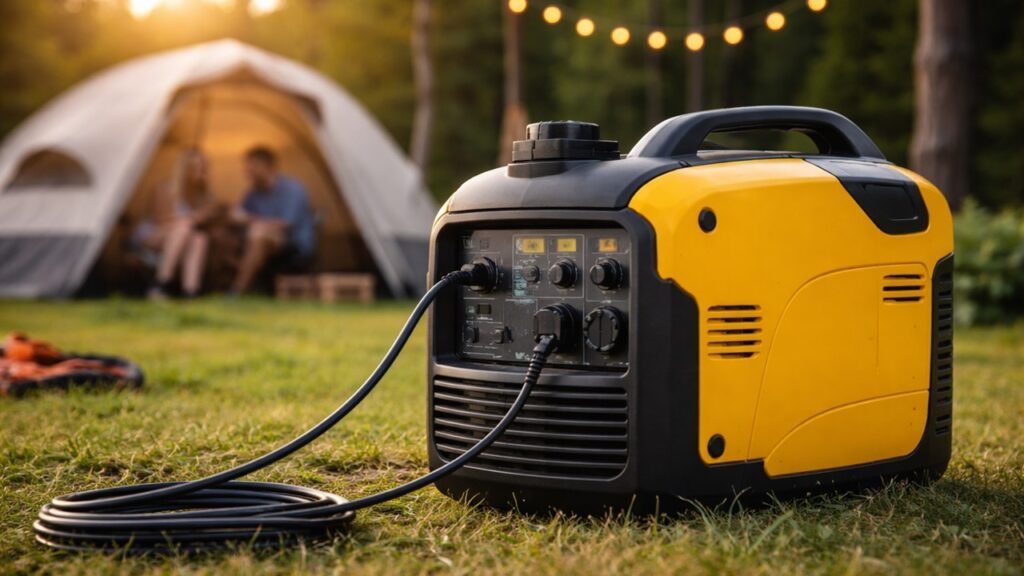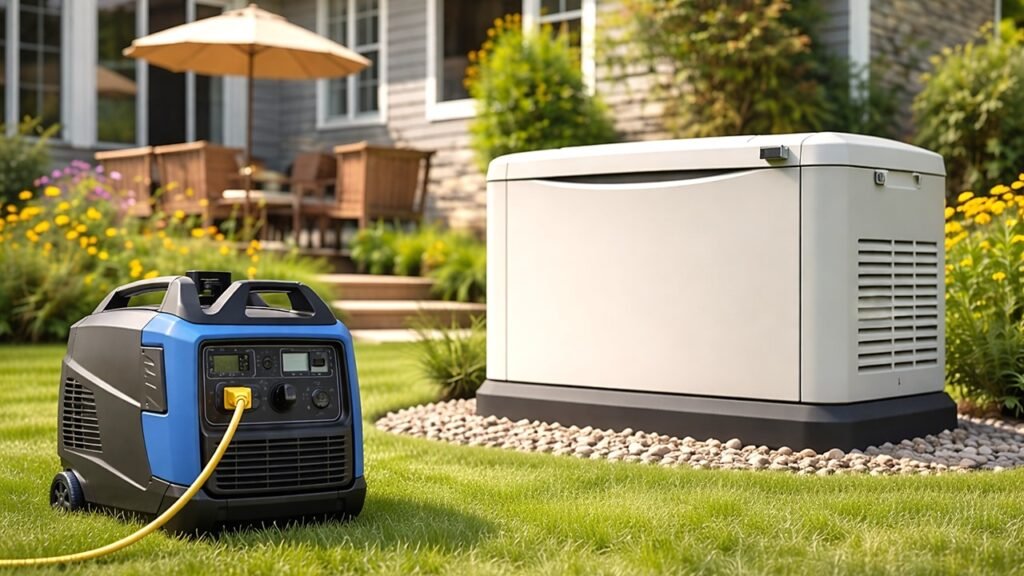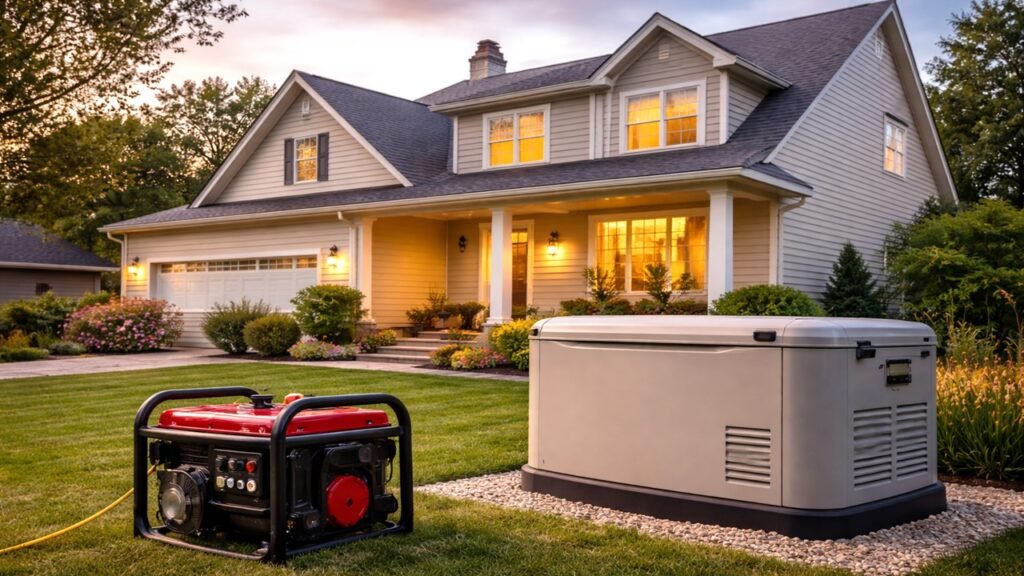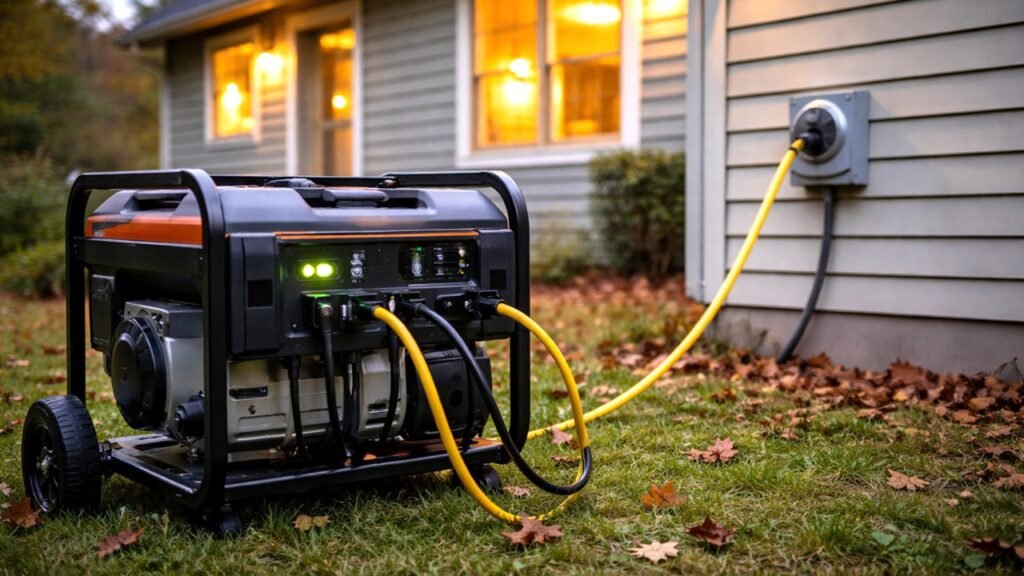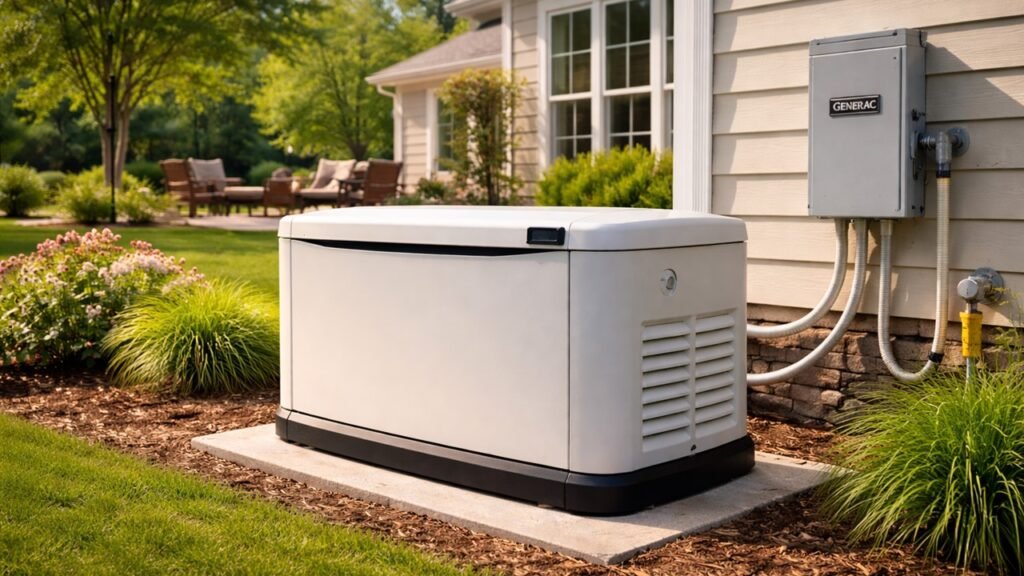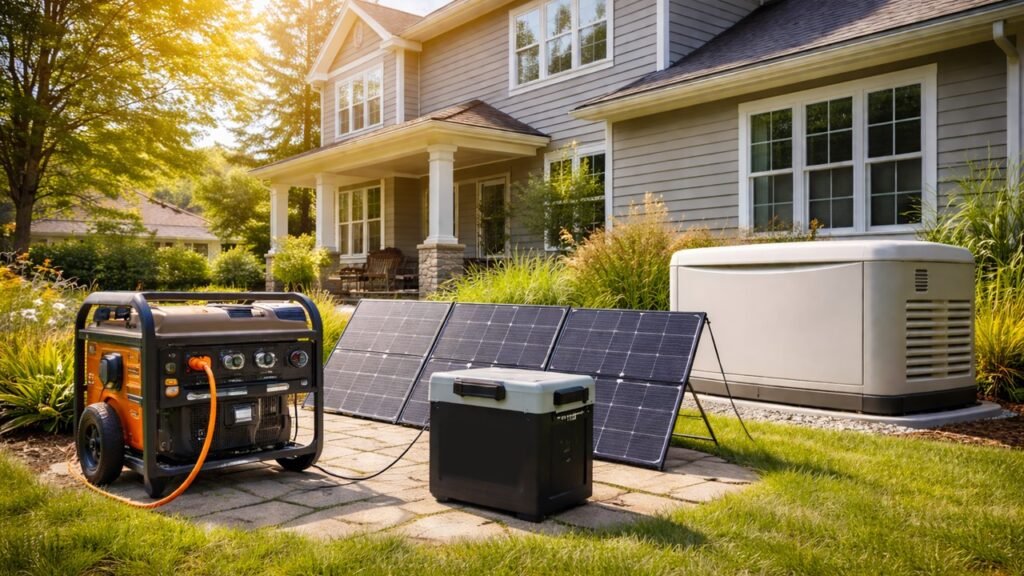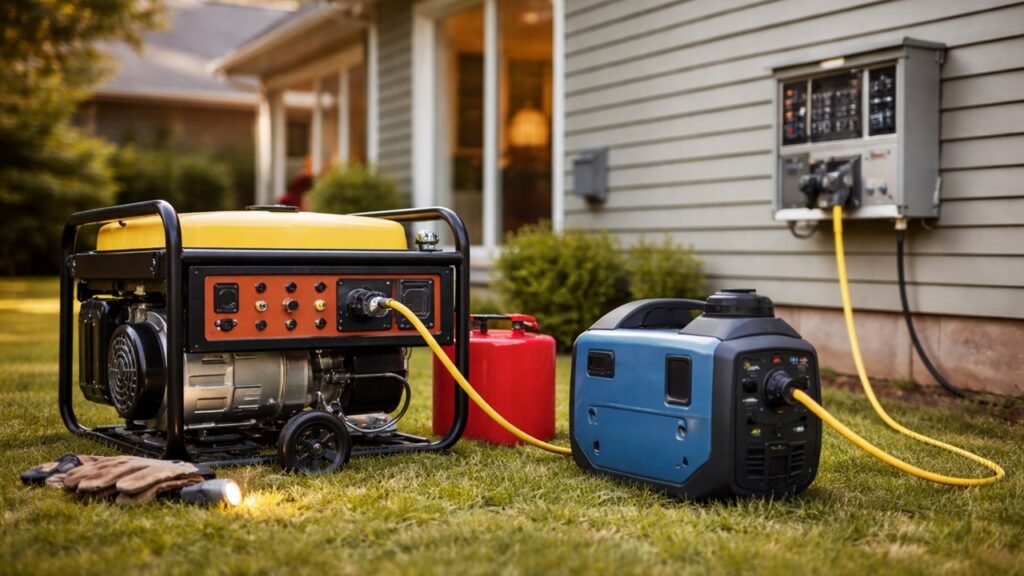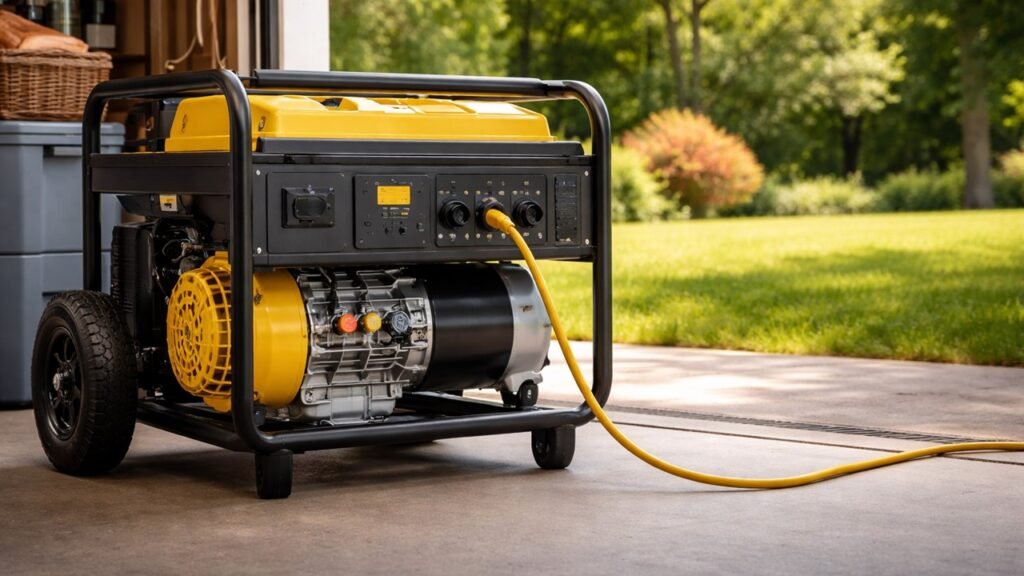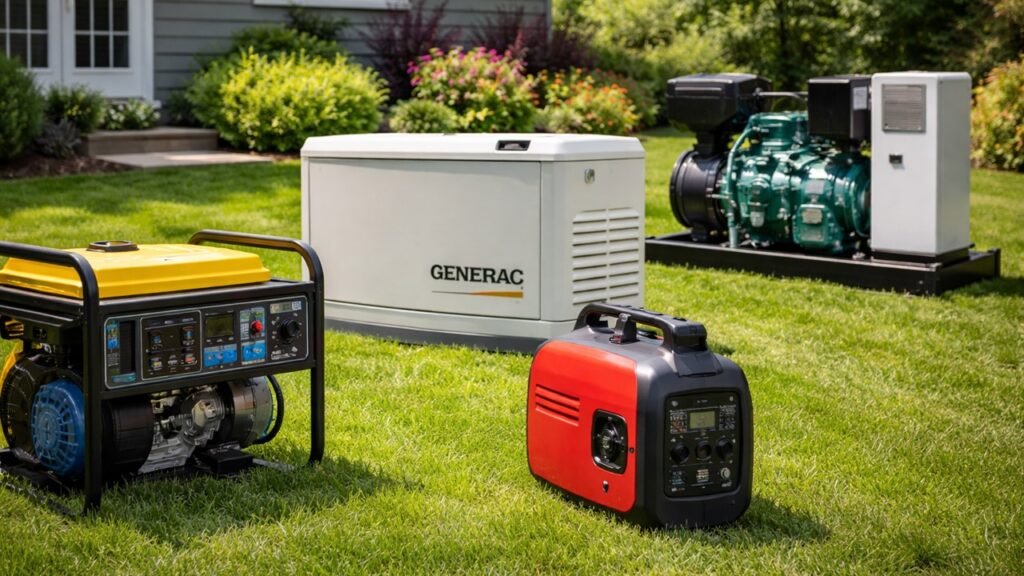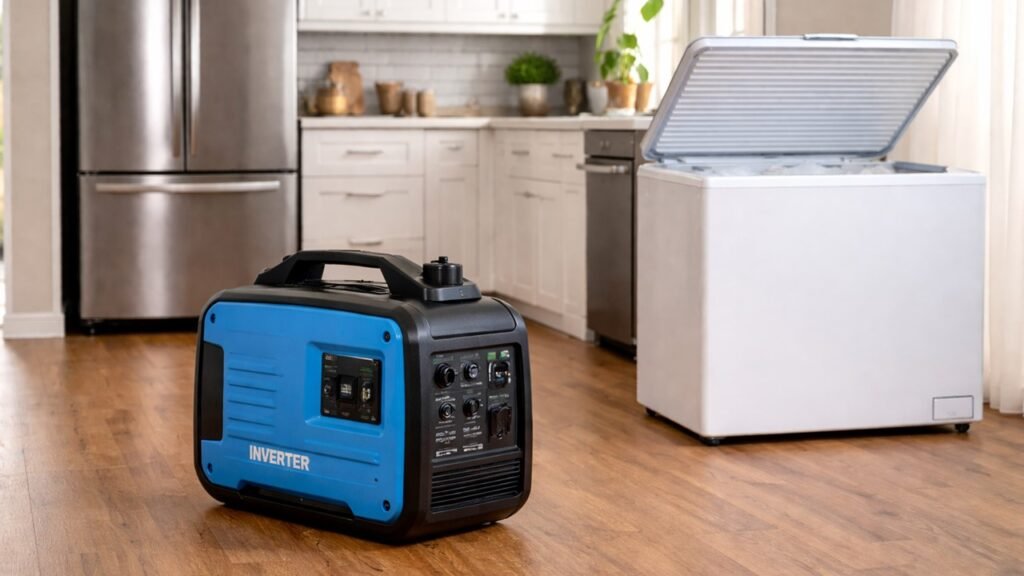
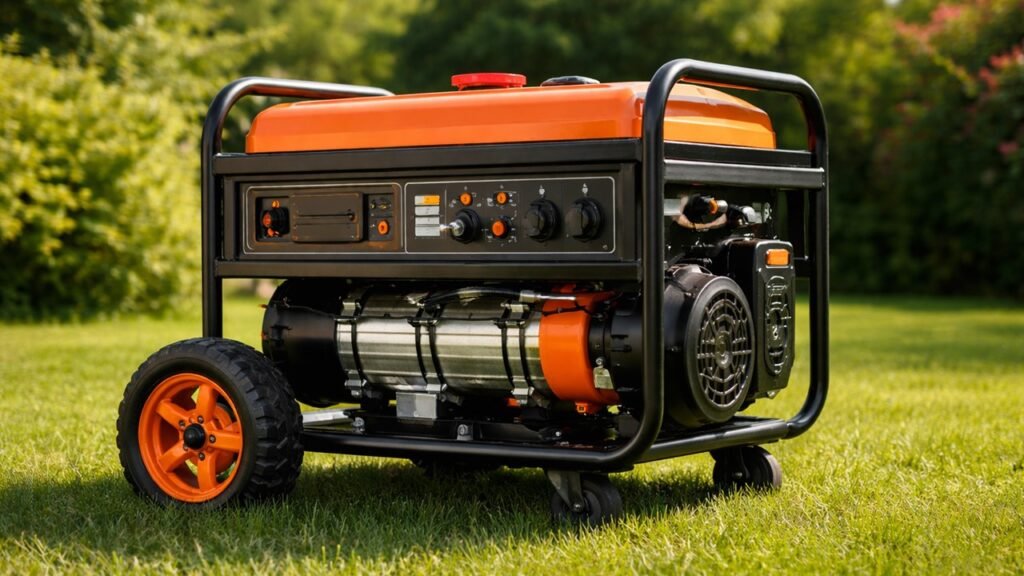
A dual fuel generator is a type of generator that can run on two different fuel sources, most commonly gasoline and propane. That flexibility is the main reason people choose it. If gasoline becomes hard to find during a power outage, you can switch to propane and keep your lights, fridge, and essential appliances running.
If you are thinking about buying backup power and want fewer fuel worries, a dual fuel generator is often the more practical choice compared to a single fuel model.
Key Summary:
- A dual fuel generator runs on gasoline or propane, giving users two separate fuel options for backup power.
- Gasoline provides slightly higher maximum wattage, while propane offers longer shelf life and cleaner combustion.
- Dual fuel generators increase emergency preparedness by reducing dependence on a single fuel source.
- Most portable dual fuel generators operate on one fuel at a time, not both simultaneously.
- Propane can be stored for years without degrading, whereas gasoline typically degrades within months without stabilizer, according to the U.S. Energy Information Administration.
What Is a Dual Fuel Generator?
A dual fuel generator is simply a generator designed to operate on two types of fuel instead of just one. In most residential and portable models, those fuels are gasoline and propane. You choose which fuel to use depending on availability, storage, or convenience.
Unlike industrial systems that blend fuels together, most consumer dual fuel generators run on one fuel at a time. You select gasoline or propane, and the engine is built to handle either safely. That is what makes them popular for home backup, RV trips, camping, and emergency preparedness.
The real benefit is flexibility. Gasoline usually provides slightly more power. Propane burns cleaner and can be stored much longer without going bad. Having both options gives you more control during outages or supply disruptions.
Recommended reading:
How Does a Dual Fuel Generator Work?
A dual fuel generator works much like a regular generator, but it includes a system that allows you to choose between gasoline and propane. Once you select the fuel, the engine burns it to create mechanical energy, and the alternator converts that energy into electricity for your home or equipment.
Here is what happens inside:
- You select either gasoline from the built-in tank or propane from an external tank.
- The chosen fuel flows into the engine through the appropriate fuel system.
- The engine ignites the fuel and creates combustion.
- The spinning engine turns an alternator.
- The alternator produces electrical power.
Some models allow you to switch fuels without shutting the unit down, but many require you to turn the generator off before switching. It depends on the design, so it is important to check the manufacturer’s instructions.
What Fuel Do Dual Fuel Generators Use?
Most dual fuel generators use gasoline and propane. These two fuels are common, widely available, and practical for portable power equipment.
Here is how they compare in everyday use:
- Gasoline usually delivers slightly higher maximum power output. It performs well in cold weather but has a short shelf life and can degrade within a few months without stabilizer.
- Propane burns cleaner and produces fewer engine deposits. It has a very long shelf life and can be stored for years without degrading, which makes it useful for emergency preparedness.
- Natural gas is available on some models or conversions, mainly for home standby setups connected to a gas line.
If you want maximum wattage, gasoline has a slight edge. If you want long-term storage and cleaner operation, propane is often the better choice. Having both available means you are not dependent on a single fuel source when you need power the most.
Gasoline vs Propane in Dual Fuel Generators
Gasoline and propane are the two most common fuels used in dual fuel generators. Gasoline typically provides slightly higher power output, while propane offers longer storage life and cleaner operation. Your choice depends on whether you prioritize maximum wattage or long-term fuel stability.
| Feature | Gasoline | Propane |
| Power Output | Slightly higher peak wattage | About 5 to 10 percent lower than gasoline |
| Shelf Life | 3 to 6 months without stabilizer | Can last for years without degrading |
| Emissions | Higher carbon monoxide output | Cleaner burning with lower emissions |
| Maintenance Impact | Leaves carbon deposits over time | Burns cleaner with fewer engine deposits |
| Cold Weather Performance | Starts more easily in freezing temperatures | Can struggle in extreme cold without proper setup |
| Storage Safety | Flammable liquid, more storage restrictions | Stored in sealed tanks, generally safer long term |
If you want maximum output for heavy loads, gasoline has a small advantage. If you are preparing for long-term outages, propane is usually the more reliable fuel to store.
Advantages of Dual Fuel Generators
A dual fuel generator gives you flexibility and peace of mind during power outages. Instead of depending on one fuel source, you have a backup option ready to go.
Key advantages include:
- Fuel flexibility during emergencies, allowing you to switch fuels if one becomes unavailable
- Extended total runtime by using gasoline first and propane afterward
- Cleaner operation when running on propane, which reduces engine buildup
- Longer fuel storage capability, since propane does not degrade like gasoline
- Better preparedness for natural disasters or supply shortages
- More control over operating costs, since you can choose whichever fuel is cheaper or easier to access
For many homeowners, the biggest benefit is simple. You are less likely to be stuck without power because of fuel shortages.
Disadvantages of Dual Fuel Generators
Dual fuel generators offer flexibility, but they are not perfect. The added capability comes with some trade-offs.
Common drawbacks include:
- Slightly reduced maximum power when running on propane
- Higher upfront purchase cost compared to single fuel models
- More components to maintain, including propane regulators and fuel selector systems
- Larger size and added complexity in some models
- Gasoline still requires careful storage and stabilizer for long-term use
If you prefer simplicity and only plan to use one fuel type, a single fuel generator may be easier to manage.
Related reading:
- What Is A Tri Fuel Generator
- How Does A Dual Fuel Generator Work
- How Much Propane Does A Generator Use
Dual Fuel vs Single Fuel Generators
A dual fuel generator offers more flexibility, while a single fuel generator focuses on simplicity. The right choice depends on how you plan to use it and how important fuel backup is to you.
| Feature | Dual Fuel Generator | Single Fuel Generator |
| Fuel Options | Two fuel types | One fuel type |
| Flexibility | High during outages | Limited to one source |
| Emergency Preparedness | Stronger backup capability | Depends on fuel availability |
| Cost | Generally higher | Usually more affordable |
| Maintenance | Slightly more complex | Simpler design |
| Best For | Home backup and preparedness | Occasional or short-term use |
If you want maximum flexibility during long outages, dual fuel makes sense. If you only need temporary power and want lower cost, a single fuel model can still do the job effectively.
When Should You Use a Dual Fuel Generator?
You should use a dual fuel generator when fuel flexibility matters. If you live in an area prone to extended outages, storms, or fuel shortages, having two fuel options reduces your risk of running out of power. It is especially useful for home backup, RV travel, and emergency preparedness.
Dual fuel generators are a good choice if:
- You experience multi-day power outages and need extended runtime options
- You want to store propane long term without worrying about fuel degradation
- You live in an area where gasoline supply may be disrupted during disasters
- You use a generator for RV trips or off-grid activities and want flexible refueling
- You want the option to choose the more affordable fuel depending on market prices
- You prefer cleaner engine operation when running on propane
- You want added peace of mind knowing you are not dependent on one fuel source
If your main goal is preparedness and flexibility, dual fuel is often the smarter investment.
Safety Tips for Dual Fuel Generators
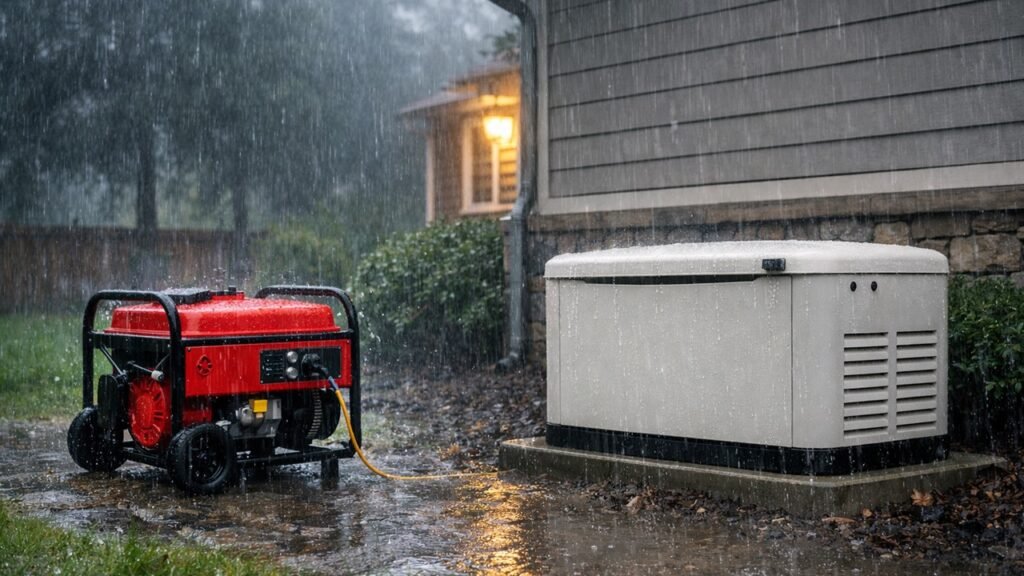
Dual fuel generators are safe when used correctly, but improper operation can be dangerous. Like all fuel-powered generators, they produce carbon monoxide and must be handled with care. Following basic safety practices significantly reduces risks.
Important safety tips include:
- Never run a generator indoors, in a garage, or near windows and doors
- Place the generator at least 20 feet away from your home with the exhaust directed away
- Install carbon monoxide detectors inside your home
- Store gasoline in approved containers away from living spaces
- Keep propane tanks upright and properly connected using approved hoses
- Turn the generator off and allow it to cool before refueling
- Follow the manufacturer’s instructions when switching between fuels
- Perform regular maintenance checks on fuel lines, regulators, and connections
Safety should always come before convenience. Proper placement and fuel handling are critical.
You may also like:
Conclusion
A dual fuel generator gives you flexibility by allowing you to run on both gasoline and propane. That flexibility can make a real difference during extended outages, especially when one fuel source becomes difficult to find.
Gasoline provides slightly higher power output, while propane offers cleaner operation and long-term storage advantages. Understanding the trade-offs helps you decide which fuel to prioritize in different situations.
If you are looking for reliable backup power with fewer fuel worries, a dual fuel generator offers a balanced solution. It combines versatility, preparedness, and practical performance in one unit.
Related FAQs
Can a dual fuel generator run on propane only?
Yes. Most dual fuel generators can run entirely on propane if selected. You do not need to use gasoline unless you choose to.
Does propane reduce generator power output?
Yes. Propane typically produces about 5 to 10 percent less maximum wattage compared to gasoline in most portable models.
Can you switch fuels while the generator is running?
Some models allow fuel switching while running, but many require shutting the generator off first. Always follow the manufacturer’s instructions.
Is a dual fuel generator better for home backup?
A dual fuel generator is often better for home backup because it gives you two fuel options during outages or supply shortages.
How long can a dual fuel generator run on propane?
Runtime depends on load and tank size, but a standard 20-pound propane tank can power many portable models for 8 to 12 hours at moderate load.
Are dual fuel generators more expensive?
Yes. Dual fuel generators usually cost more upfront than single fuel models due to added fuel system components.

Robert Caldwell writes in-depth guides and reviews focused on generators, backup power systems, and portable energy equipment. His work is grounded in hands-on testing, covering fuel types, runtime performance, noise levels, and real-world reliability. He helps homeowners, RV owners, and outdoor users choose dependable power solutions with confidence. Every article emphasizes clear explanations, safe operation, and long-term value.