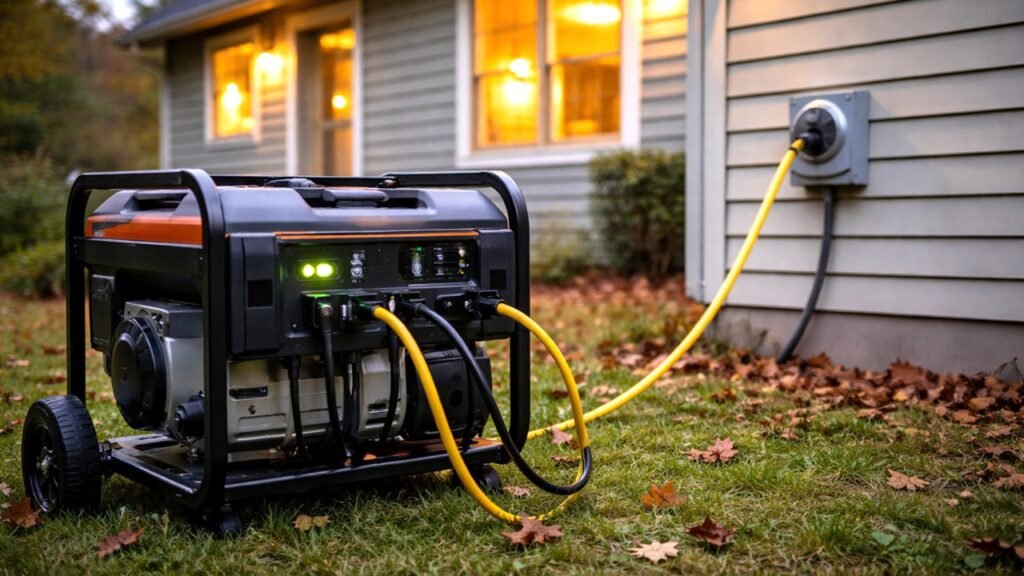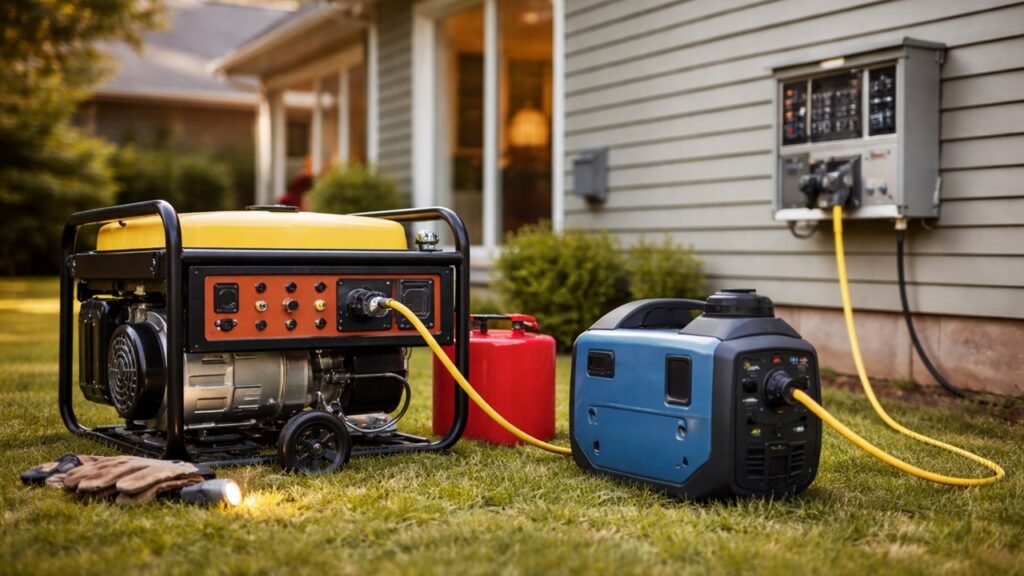
If you’re wondering how long a generator will run on 5 gallons of gas, the honest answer is this: most portable generators will run somewhere between 8 and 15 hours on 5 gallons at about half load. Smaller inverter models can run longer. Larger high-wattage generators will run shorter.
The exact number depends on three things: how big the generator is, how much power you’re pulling from it, and how efficiently the engine burns fuel. Once you understand those factors, it becomes much easier to estimate what 5 gallons will realistically get you during an outage or a camping trip.
Key Summary:
- Most portable generators run 8 to 15 hours on 5 gallons of gas at 50 percent load.
- Smaller inverter generators extend runtime to 15 to 20 hours by adjusting engine speed to match power demand.
- Larger 7,500 to 10,000 watt generators reduce runtime to 6 to 9 hours due to higher fuel consumption.
- Electrical load determines fuel burn rate, and high-watt appliances like air conditioners shorten runtime significantly.
- Fuel planning improves outage preparedness, and most homes require 10 to 15 gallons to cover a full 24-hour power outage.
How Long Does a Generator Run on 5 Gallons of Gas?
For a typical 4,000 to 5,000 watt portable generator, 5 gallons of gas usually lasts around 9 to 12 hours at 50 percent load. That 50 percent figure matters because most manufacturers test and advertise runtime under moderate load, not full capacity.
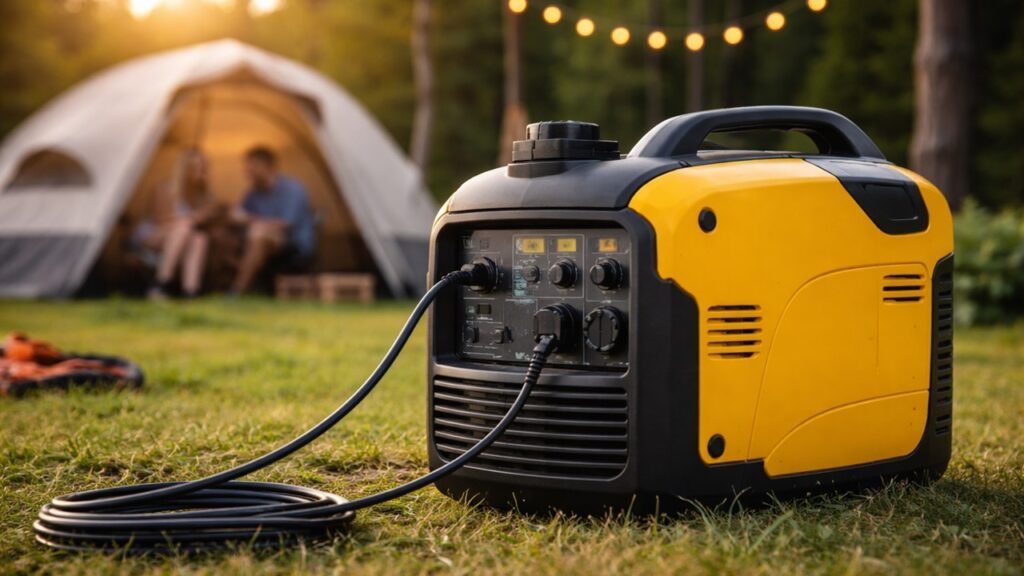
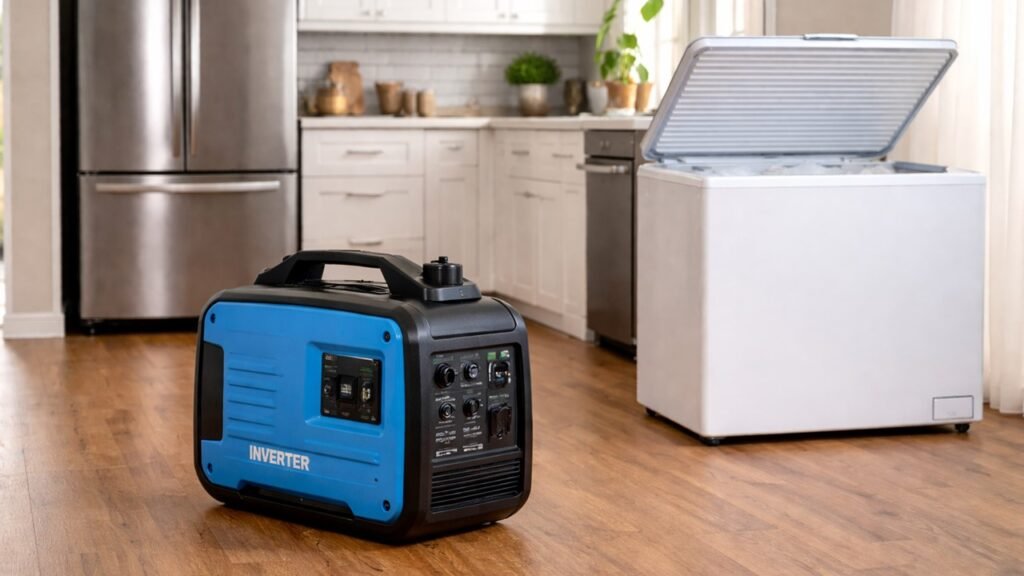
If you’re using a smaller 2,000 watt inverter generator, you might see 15 to 20 hours on the same 5 gallons, especially if you’re just running lights, a fridge, and a few small electronics. These models throttle down when demand is low, which stretches fuel much further.
On the other hand, if you’re running a large 7,500 to 10,000 watt generator and powering heavy loads like an air conditioner or well pump, 5 gallons may only last 6 to 9 hours. The more power you draw, the faster the fuel disappears. There’s no way around that.
Recommended reading:
Generator Runtime on 5 Gallons by Generator Size
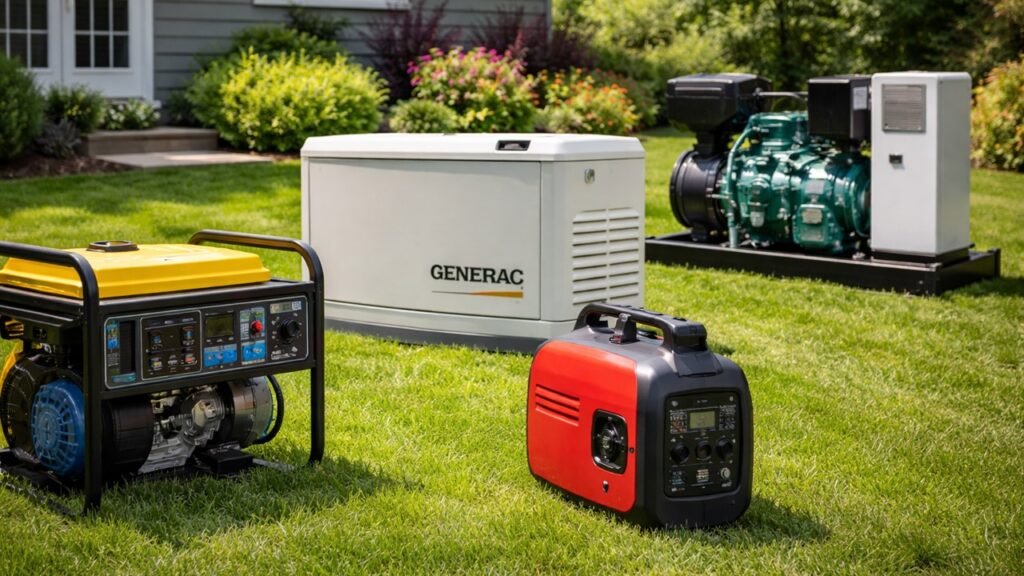
In simple terms, smaller engines burn less fuel per hour and run longer on the same 5 gallons. Larger engines burn more fuel and run shorter. Here’s what that usually looks like in the real world.
| Generator Size | Typical Wattage | Avg Fuel Use at 50% Load | Estimated Runtime on 5 Gallons | Common Use |
| Small inverter | Around 2,000W | ~0.25 gal/hr | 18 to 20 hours | Camping, lights, charging devices |
| Medium portable | 4,000 to 5,000W | ~0.5 gal/hr | Around 10 hours | Fridge, sump pump, TV |
| Large portable | 7,500 to 10,000W | ~0.8 gal/hr | 6 to 8 hours | Whole-home essentials, AC |
These are averages, not guarantees. Two generators with similar wattage can still have slightly different fuel consumption depending on engine design and build quality.
What Affects How Long a Generator Runs on 5 Gallons?
Even with the same 5 gallons of gas, runtime can vary quite a bit. A few key factors make the biggest difference.
Electrical Load
Load is the number one factor.
If you’re only running a refrigerator, some lights, and a Wi-Fi router, your generator will sip fuel. Add a space heater, electric stove, or central air conditioner, and fuel consumption jumps quickly.
Most manufacturers base their runtime claims on 50 percent load because it’s a balanced, realistic use case. If you push closer to 80 or 90 percent capacity, expect your runtime to drop sharply.
Inverter vs Conventional Generator
Inverter generators are generally more fuel efficient, especially under light to moderate loads. They adjust engine speed based on demand, so when you’re not pulling much power, the engine slows down and saves fuel.
Conventional generators run at a fixed speed, typically 3,600 RPM, whether you’re using 500 watts or 3,000 watts. That steady high speed burns more fuel over time, particularly when loads are light.
If fuel efficiency is a priority, inverter models usually give you more hours per gallon.
Engine Efficiency and Maintenance
A well-maintained generator runs more efficiently than a neglected one.
Dirty air filters restrict airflow and reduce combustion efficiency. Old spark plugs can cause incomplete burning of fuel. Low or degraded oil increases engine friction. All of these small issues add up and can slightly reduce your total runtime.
Keeping your generator serviced does not just extend its lifespan. It also helps you get closer to the advertised fuel runtime numbers.
How to Calculate Generator Runtime on 5 Gallons
If you want a more accurate estimate for your specific generator, you need to know one number: how many gallons per hour your generator burns at a certain load. Most manufacturers list fuel consumption in the manual or on the product page.
The basic idea is simple. Take the total fuel available and divide it by the fuel used per hour. For example, if your generator uses 0.5 gallons per hour at 50 percent load, 5 gallons will last about 10 hours. If it burns 0.8 gallons per hour, runtime drops to just over 6 hours.
You can also estimate fuel use based on wattage. Smaller inverter generators often burn around 0.2 to 0.3 gallons per hour at moderate load. Mid-size 5,000 watt units average about 0.4 to 0.6 gallons per hour. Larger 10,000 watt models may consume 0.7 to 1 gallon per hour depending on demand.
| Generator Wattage | Typical Fuel Use at 50% Load | Estimated Runtime on 5 Gallons |
| 2,000W inverter | 0.25 gal/hr | About 20 hours |
| 5,000W portable | 0.5 gal/hr | About 10 hours |
| 7,500W portable | 0.7 gal/hr | About 7 hours |
| 10,000W portable | 0.8 to 1 gal/hr | 5 to 6 hours |
These numbers are averages. Your real runtime will depend on how heavily you load the generator and how efficiently it is running.
Related reading:
- How Much Gas Does A Generator Use
- How Long Can A Generator Run
- How Long Can A Portable Generator Run Continuously
Can a Generator Run 24 Hours on 5 Gallons?
In most cases, no. Five gallons is usually not enough to keep a standard portable generator running for a full 24 hours unless it is a small inverter model under very light load.
For a typical 4,000 to 5,000 watt generator running household essentials, you are realistically looking at 8 to 12 hours. Even the more fuel-efficient inverter units would need to be running at very low load to stretch 5 gallons close to 24 hours.
If your goal is to cover a full-day outage, you should plan for at least 10 to 15 gallons of fuel, depending on your generator size and load. It is always better to estimate on the conservative side rather than run out of fuel in the middle of the night.
How to Make 5 Gallons of Gas Last Longer
The easiest way to make 5 gallons last longer is to reduce the load on your generator. Every watt you remove from the system directly extends runtime.
- Prioritize essentials only. Run the refrigerator, a few lights, and critical devices, but avoid running everything at once.
- Avoid high-wattage heating appliances like space heaters, electric stoves, and dryers. These drain fuel quickly.
- Use an inverter generator if possible, since it adjusts engine speed and saves fuel under lighter loads.
- Cycle large appliances. For example, let the fridge run, then turn it off briefly while powering another device.
- Keep the generator well maintained. Clean air filters, fresh oil, and good spark plugs improve fuel efficiency.
Small changes in load can easily add several extra hours to your total runtime.
You may also like:
Conclusion
How long a generator will run on 5 gallons of gas depends mainly on its size and how much power you are pulling from it. Most mid-size portable generators will give you somewhere between 8 and 12 hours at moderate load, while smaller inverter units can stretch closer to 20 hours.
Large generators that power heavy appliances will burn through 5 gallons much faster, often in under 8 hours. That is why understanding your actual power needs matters more than just looking at tank size.
If you are preparing for an outage or planning extended use, always calculate fuel consumption ahead of time and build in a safety margin. A realistic estimate and a little extra fuel on hand can make all the difference when the power goes out.
Related FAQs
How long will a 5,000 watt generator run on 5 gallons of gas?
A typical 5,000 watt generator runs about 8 to 12 hours on 5 gallons at 50 percent load. Runtime drops faster if you run heavy appliances like air conditioners or heaters.
Can a small inverter generator run all day on 5 gallons?
In some cases, yes. A 2,000 watt inverter generator running light loads can last 15 to 20 hours, but reaching a full 24 hours usually requires very low power use.
Does a generator burn gas when nothing is plugged in?
Yes, it still burns fuel. Conventional generators run at constant engine speed even without load, so they consume gas whether devices are connected or not.
Is 5 gallons enough for overnight power?
For most mid-size generators, yes. Five gallons typically covers 8 to 12 hours, which is enough for an overnight outage if you only power essentials.
What uses the most fuel on a generator?
High-wattage appliances like space heaters, central AC units, electric water heaters, and dryers consume the most fuel because they push the generator closer to full load.
How much fuel do I need for a 24-hour outage?
Most portable generators require 10 to 15 gallons to safely cover a full 24 hours at moderate load. Larger generators may need even more.

Robert Caldwell writes in-depth guides and reviews focused on generators, backup power systems, and portable energy equipment. His work is grounded in hands-on testing, covering fuel types, runtime performance, noise levels, and real-world reliability. He helps homeowners, RV owners, and outdoor users choose dependable power solutions with confidence. Every article emphasizes clear explanations, safe operation, and long-term value.