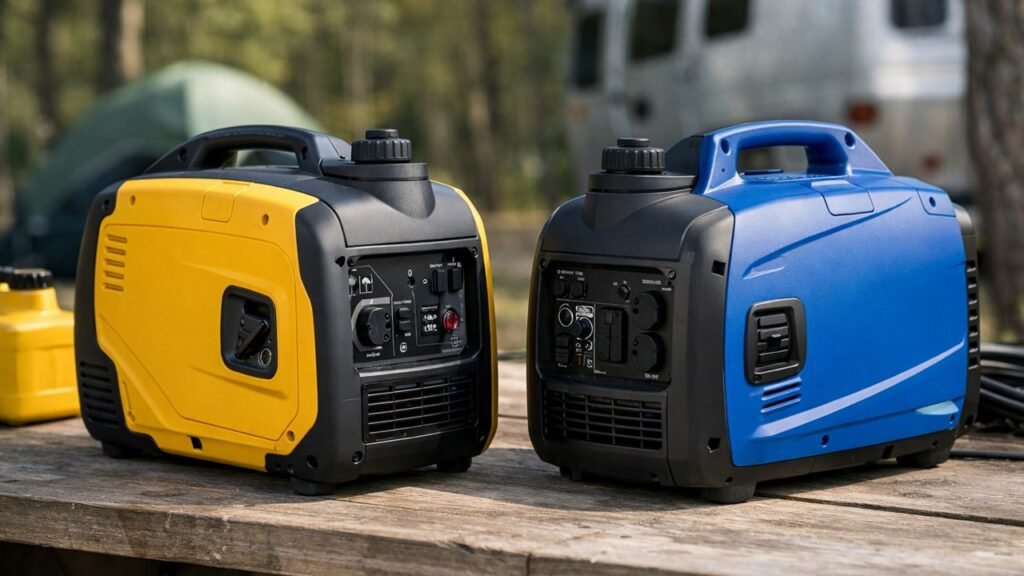
An inverter generator works by producing electricity, cleaning it electronically, and delivering stable AC power that is safe for modern electronics. Instead of sending raw power straight from the engine to your devices, it rebuilds the electricity into a smooth and consistent output.
If you are looking for a quieter, more fuel efficient generator that can safely run laptops, routers, refrigerators, or RV appliances, understanding how an inverter generator works will help you make a confident buying decision.
Key Summary:
- An inverter generator converts raw AC power into DC and then back into stable AC electricity.
- An inverter generator adjusts engine speed based on power demand to improve fuel efficiency and reduce noise.
- An inverter generator reduces total harmonic distortion to produce cleaner power for sensitive electronics.
- An inverter generator delivers consistent voltage and frequency similar to utility grid electricity.
- An inverter generator is best suited for RV use, camping, job sites, and essential home backup loads.
What Is an Inverter Generator?
An inverter generator is a portable generator that combines a traditional fuel powered engine with modern electronic controls to produce cleaner, more stable electricity. It still burns gasoline or propane like a regular generator, but the way it processes the electricity is different.
A conventional generator sends the power it produces directly to the outlets. An inverter generator takes an extra step. It converts the power electronically before it reaches your devices, which results in smoother voltage and a steadier frequency.
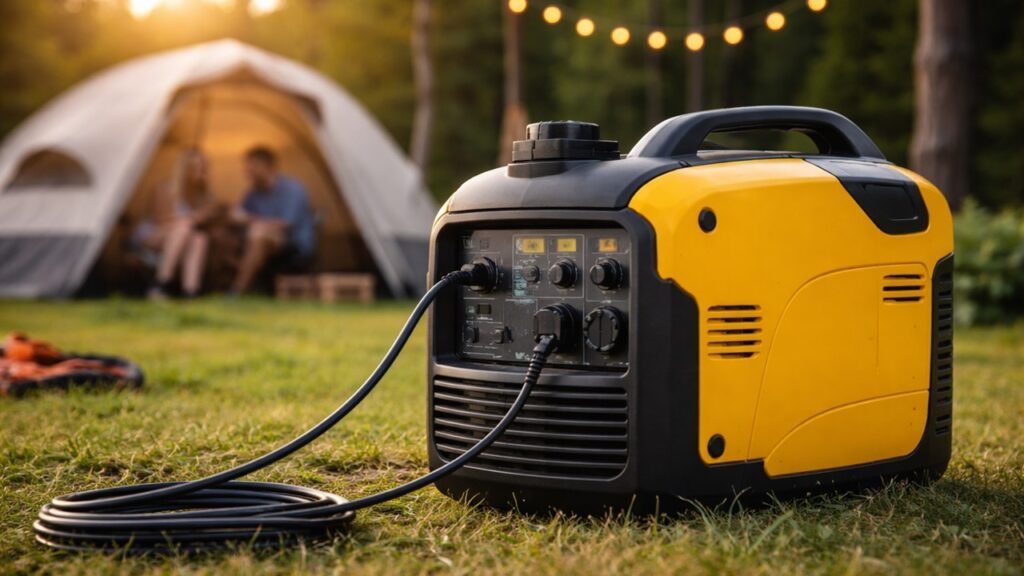
Because of this added electronic control, inverter generators are widely used for camping, RV travel, tailgating, job sites, and home backup for essential appliances. They are especially popular when people need reliable power for electronics such as laptops, televisions, routers, battery chargers, and medical equipment.
In most cases, inverter generators are quieter at low loads and more fuel efficient when compared to traditional open frame portable generators.
Further reading:
How Does an Inverter Generator Work? Step-by-Step
An inverter generator works through a controlled three stage electrical process. It first creates raw AC electricity, then converts it into DC, and finally converts it back into clean and stable AC power.
Here is how that process unfolds.
Step 1: The Engine Produces Mechanical Energy
Everything starts with fuel. The engine burns gasoline or propane, which creates combustion. That combustion spins the crankshaft, and the spinning motion turns the alternator.
This part is very similar to a standard generator. Mechanical rotation is the foundation of power generation. Without that movement, no electricity is produced.
Step 2: The Alternator Generates Raw AC Power
As the engine spins, the alternator converts mechanical motion into alternating current, or AC electricity. At this point, the electricity is functional but not perfectly stable.
In a conventional generator, the quality of this power depends heavily on engine speed. If the engine speed changes under load, the output voltage and frequency can fluctuate.
Step 3: The Rectifier Converts AC to DC
Instead of sending that raw AC power directly to your outlets, the inverter generator routes it through a rectifier. The rectifier converts alternating current into direct current, or DC power.
Direct current provides a more stable electrical baseline. It is easier to control and regulate electronically, which prepares the system for the final step.
Step 4: The Inverter Converts DC Back to Clean AC
Once the electricity is in DC form, the inverter module converts it back into alternating current. This time, however, the output is tightly controlled.
A built in microprocessor manages voltage and frequency. The final output remains steady at either 50 Hz or 60 Hz, depending on your region. The waveform is smoother, and total harmonic distortion is significantly reduced compared to many conventional portable generators.
That smoother waveform is why inverter generators are often recommended for sensitive electronics. The power more closely resembles the electricity supplied by the utility grid.
Related reading:
- What Is An Inverter Generator?
- What Is The Difference Between An Inverter And A Generator
- How Does A Generator Produce Electricity
Main Parts Inside an Inverter Generator
An inverter generator includes both mechanical and electronic components. The mechanical parts create the power, and the electronic components refine it.
Here are the main parts you will find inside an inverter generator:
| Component | What It Does | Why It Matters |
| Fuel System | Delivers gasoline or propane to the engine | Enables combustion and power generation |
| Engine | Burns fuel to create rotational force | Produces the mechanical energy required for electricity |
| Alternator | Converts rotation into raw AC electricity | Generates the initial electrical output |
| Rectifier | Converts AC into DC | Stabilizes current before electronic control |
| Inverter Module | Converts DC back into clean AC power | Produces smooth and stable output |
| Control Board | Regulates voltage and frequency | Maintains consistent power quality |
| Smart Throttle System | Adjusts engine speed based on load | Improves fuel efficiency and reduces noise |
| Output Panel and Breakers | Distributes electricity safely | Protects devices from overload |
| CO Safety System | Monitors carbon monoxide levels | Enhances user safety during operation |
The inverter module and control board are what truly separate this type of generator from a traditional open frame model. They allow the engine to slow down when demand is low while still delivering stable power.
Even with cleaner output, inverter generators still burn fuel and produce exhaust gases. They must always be operated outdoors in a well ventilated area.
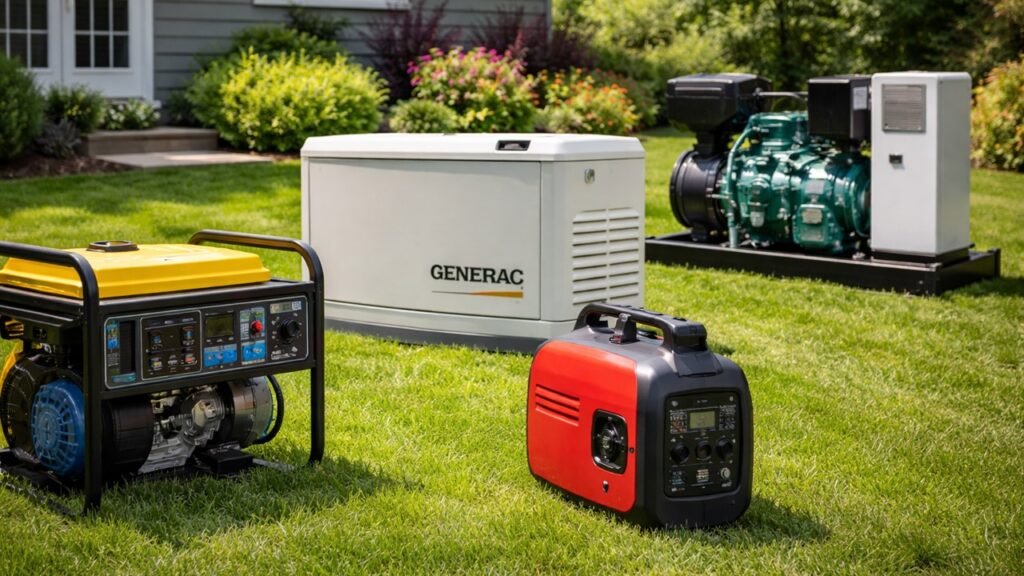
Inverter Generator vs Regular Generator
An inverter generator differs from a regular generator mainly in how it delivers electricity. A regular generator sends raw AC power directly from the engine and alternator to the outlets, while an inverter generator electronically cleans and stabilizes that power before output. The result is quieter operation, better fuel efficiency at light loads, and safer power for electronics.
Here is a clear side by side comparison:
| Feature | Inverter Generator | Regular Portable Generator |
| Power Quality | Produces stable, low distortion AC power | Produces raw AC with higher distortion |
| Engine Speed | Adjusts RPM based on load | Runs at constant speed |
| Noise Level | Quieter at light to medium loads | Typically louder |
| Fuel Efficiency | More efficient at partial load | Less efficient at partial load |
| Portability | Usually lighter and compact | Often heavier and bulkier |
| Cost | Higher price per watt | Lower price per watt |
| Best For | Electronics, RVs, camping, home essentials | Heavy tools, high wattage needs, budget use |
If you need cleaner power and quieter operation, an inverter generator is often the better choice. If your main priority is maximum wattage for the lowest cost, a regular generator may make more sense.
What Can an Inverter Generator Run?
An inverter generator can run most household essentials and small to medium appliances, as long as the generator is properly sized. The key is understanding running watts and starting watts before plugging everything in.
What your inverter generator can power depends on its rated output and the total load connected at the same time.
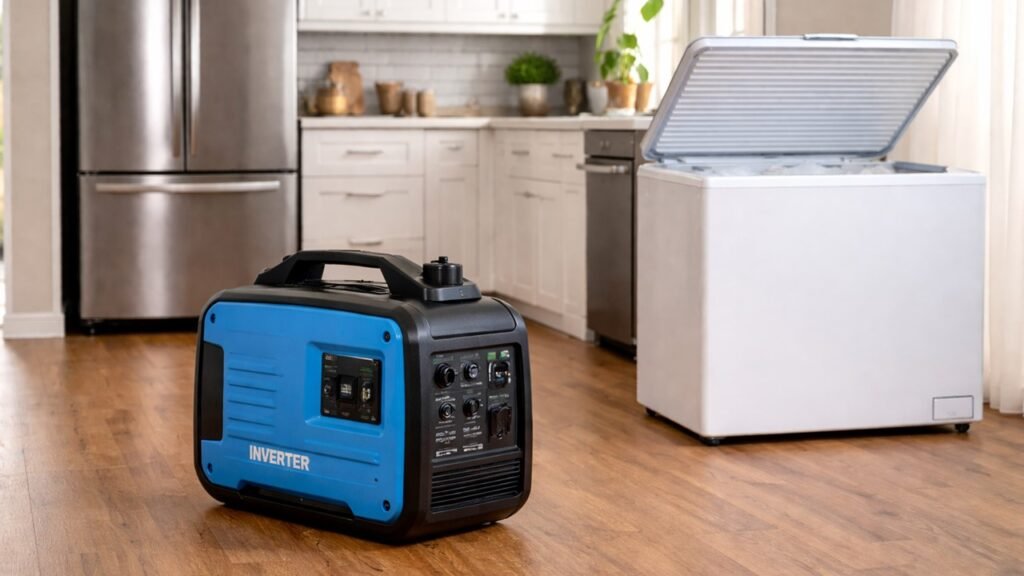
Can It Run a Refrigerator?
Yes, most inverter generators rated 2000 to 3000 watts can run a standard refrigerator. Refrigerators require a surge of power when the compressor starts, which is higher than the running wattage. As long as the generator’s surge capacity exceeds that startup demand, it can handle the load comfortably.
Can It Run an RV Air Conditioner?
Running an RV air conditioner is possible, but sizing matters. Many RV air conditioners require high startup wattage. A 3000 watt inverter generator may handle a smaller unit, while larger RV air conditioners may require 3500 watts or more. Some RV owners install soft start devices to reduce startup surge and make smaller inverter generators more capable.
Can It Power a House?
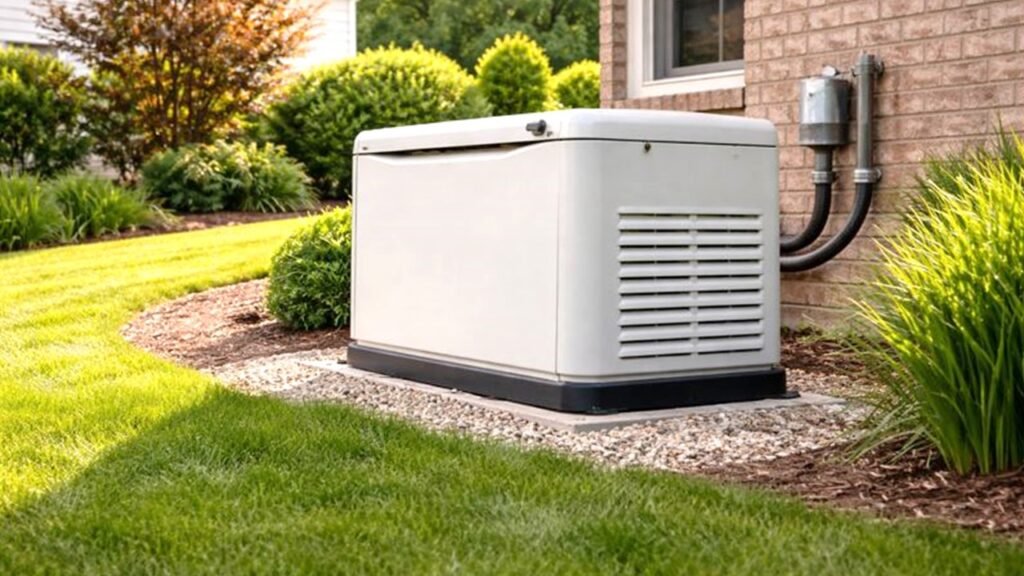
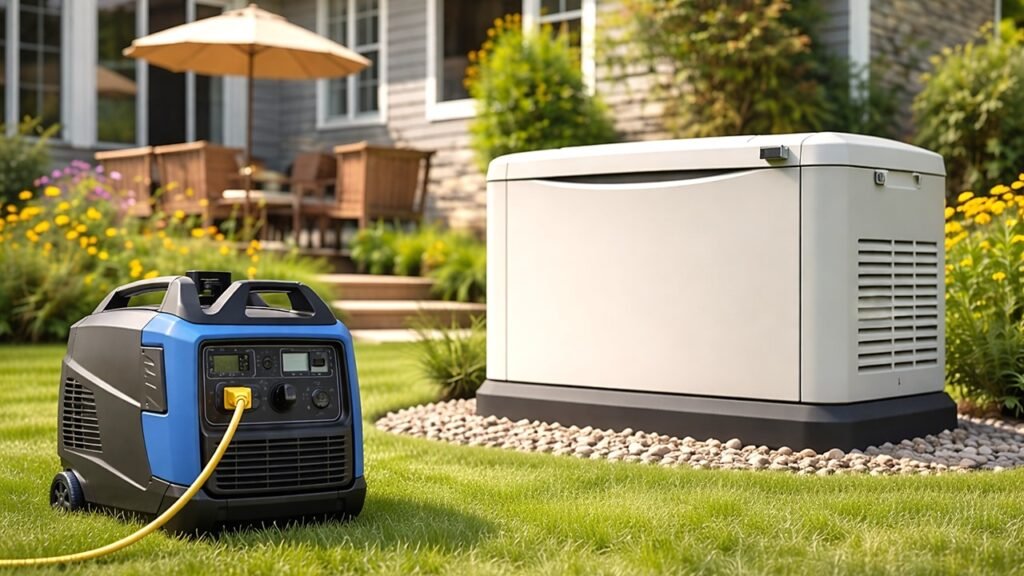
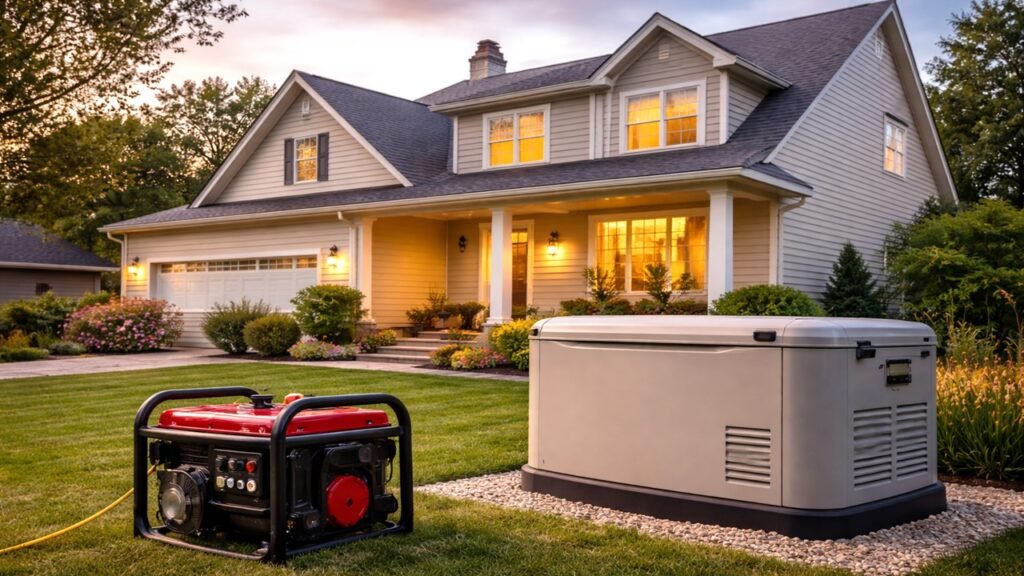
An inverter generator can power essential household circuits such as lights, a refrigerator, WiFi, and a sump pump during an outage. However, most portable inverter generators are not designed to run an entire house with central air conditioning and electric heating. For whole home backup, larger standby systems are typically required.
Before choosing a generator, list the appliances you want to run at the same time and calculate total running watts plus the highest starting surge.
Pros and Cons of Inverter Generators
Inverter generators offer clear advantages, especially for portable and electronic sensitive applications. However, they are not perfect for every situation.
Pros
- Cleaner power that is safer for laptops, TVs, routers, and medical devices
- Quieter operation compared to many open frame generators
- Better fuel efficiency at light and medium loads
- Lightweight and easier to transport
- Ability to connect two units in parallel for higher output
Cons
- Higher upfront cost per watt
- Lower maximum output compared to large conventional generators
- Still produces exhaust gases and cannot be used indoors
- May struggle with very high surge appliances unless properly sized
For many users, the quieter operation and cleaner power are worth the higher initial price.
Safety Tips for Using an Inverter Generator
An inverter generator is safer for electronics, but it still burns fuel and produces carbon monoxide. Proper setup and operation are critical.
Here are the most important safety guidelines:
- Never operate the generator indoors or in enclosed spaces
- Place the generator far from doors, windows, and vents
- Point the exhaust away from occupied areas
- Install carbon monoxide detectors in your home or RV
- Allow the unit to cool before refueling
- Use heavy duty, outdoor rated extension cords
- Avoid overloading the generator beyond its rated capacity
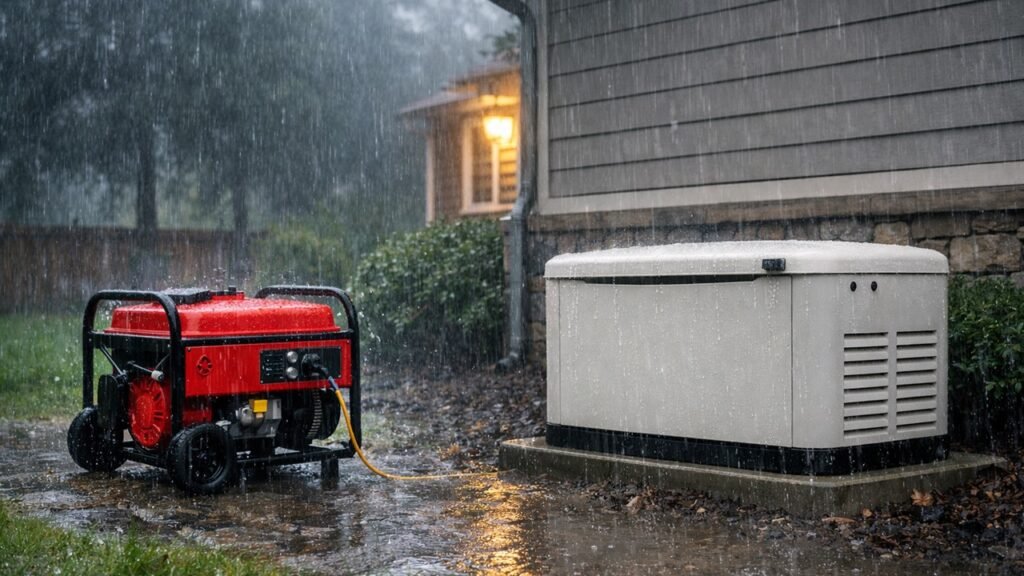
- Keep the generator dry, but do not enclose it tightly and restrict airflow
Following these steps significantly reduces the risk of carbon monoxide poisoning and equipment damage.
You may also like:
Conclusion
An inverter generator works by producing electricity, converting it electronically, and delivering cleaner, more stable AC power. That extra conversion step is what makes it quieter and safer for modern electronics compared to many regular portable generators.
If you need reliable power for camping, RV use, tailgating, or basic home backup, an inverter generator is often a practical and efficient choice. It balances fuel savings, portability, and power quality in a way that suits everyday needs.
Before buying, focus on the appliances you plan to run and choose a model with enough surge capacity and headroom. When properly sized and used safely outdoors, an inverter generator can provide dependable backup power whenever you need it most.
Related FAQs
How does an inverter generator work differently from a regular generator?
An inverter generator works by converting raw AC power into DC and then back into clean, stable AC electricity. A regular generator sends raw power directly to outlets without electronically rebuilding it.
Why does an inverter generator produce cleaner power?
An inverter generator produces cleaner power because it electronically regulates voltage and frequency after conversion. This reduces waveform distortion and makes the output safer for sensitive electronics.
Does an inverter generator adjust engine speed automatically?
Yes, an inverter generator adjusts engine speed based on power demand. When the load is low, the engine slows down to save fuel and reduce noise.
Can an inverter generator run sensitive electronics safely?
Yes, most inverter generators can safely run laptops, TVs, routers, and medical devices because they produce stable, low distortion AC power similar to grid electricity.
Is an inverter generator more fuel efficient?
An inverter generator is more fuel efficient at partial loads because it does not run at full speed all the time. Lower engine speed reduces fuel consumption when demand is low.
Can you use an inverter generator indoors?
No, you cannot use an inverter generator indoors. Even though the power is cleaner, it still burns fuel and produces carbon monoxide, which is dangerous in enclosed spaces.

Robert Caldwell writes in-depth guides and reviews focused on generators, backup power systems, and portable energy equipment. His work is grounded in hands-on testing, covering fuel types, runtime performance, noise levels, and real-world reliability. He helps homeowners, RV owners, and outdoor users choose dependable power solutions with confidence. Every article emphasizes clear explanations, safe operation, and long-term value.