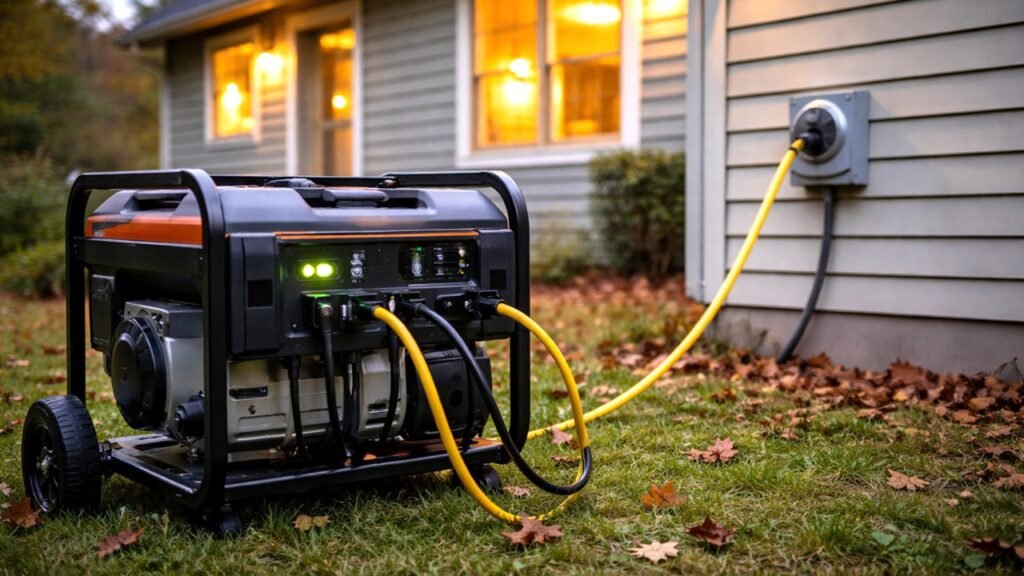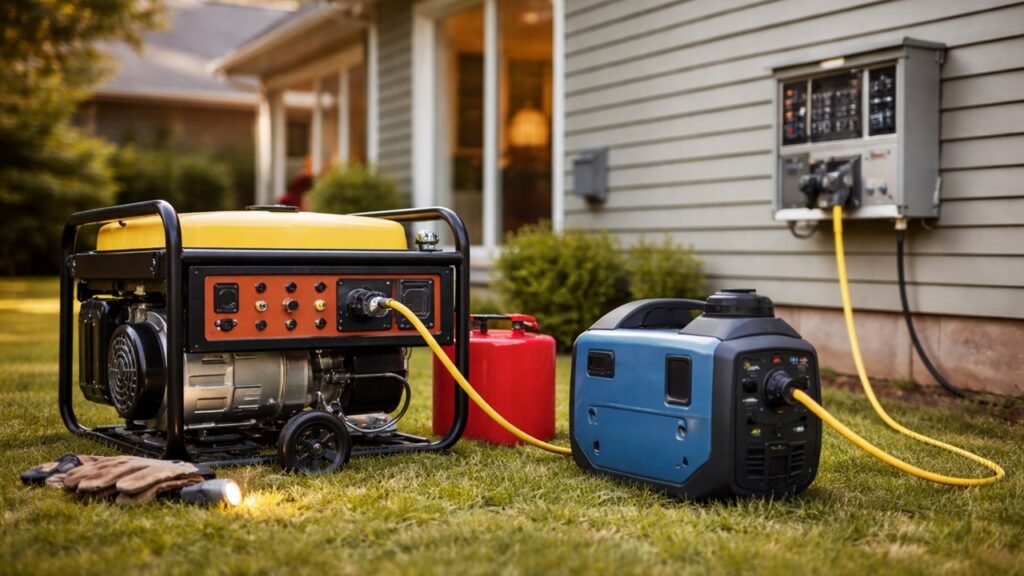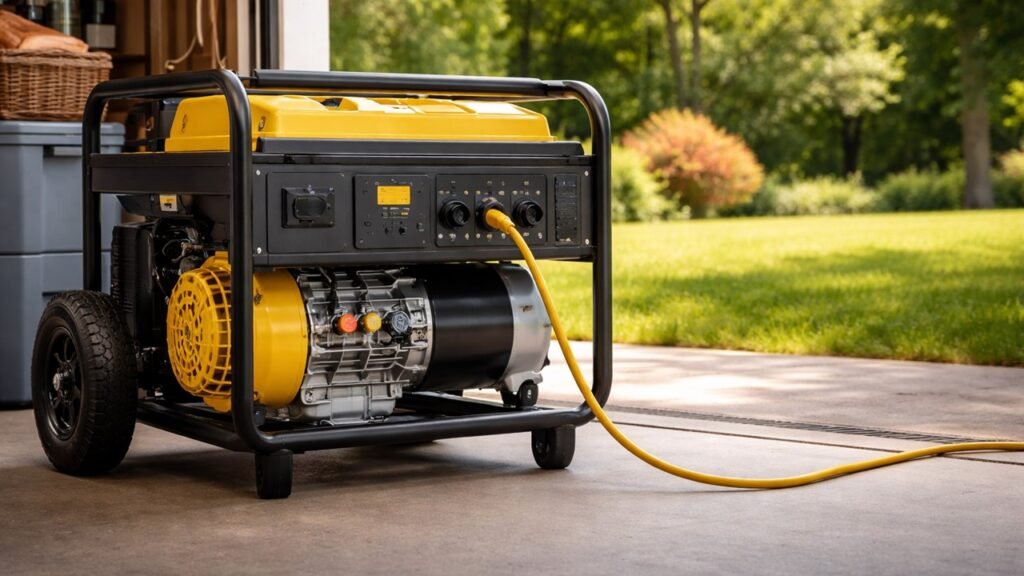
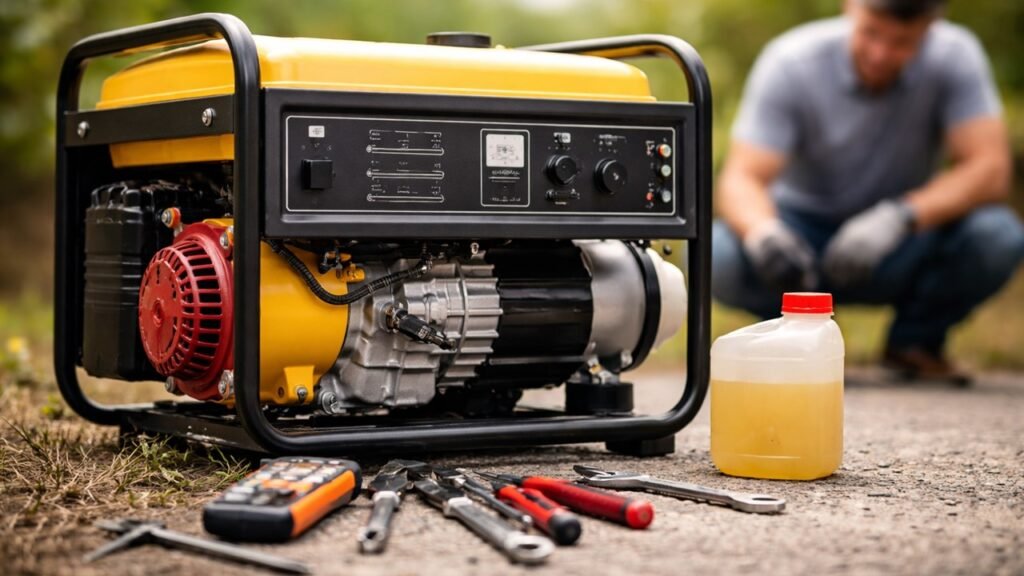
If your generator is running but not producing power, the engine is working but the electrical system is not building voltage. In most cases, the issue is simple. A tripped breaker, low oil shutdown, lost magnetism, or a faulty voltage regulator usually causes the problem.
A generator engine spins the alternator. The alternator creates electricity. The voltage regulator stabilizes that electricity. If one of those steps fails, the engine keeps running but your outlets stay dead.
The good news is this: most “no power” problems are fixable at home if you follow the right order.
Key Summary:
- A generator running without producing power usually indicates a breaker trip, low oil shutdown, lost residual magnetism, or a faulty voltage regulator.
- A tripped circuit breaker stops electrical output to protect the alternator from overload damage.
- Low oil sensors disable voltage production to prevent engine failure, even if the engine continues running.
- Loss of residual magnetism prevents the alternator from building voltage after long storage or no load operation.
- A failed Automatic Voltage Regulator reduces or blocks voltage output, often showing 40 to 70 volts instead of 120 volts.
Quick Checks to Do First (Most Common Fixes)
Most generators that run but produce no electricity have a basic safety issue. Before opening anything up, check the easy stuff first.
A generator breaker protects the alternator from overload. An oil sensor protects the engine from damage. If either one trips, output stops immediately.
Start here:
- Reset the main circuit breaker on the control panel
- Press any outlet reset buttons fully in
- Turn breakers fully OFF, then back ON
- Disconnect all appliances and restart the generator
- Test with one small device like a lamp
- Check engine oil level and top off if needed
- Make sure the generator is sitting level
- Inspect extension cords for cuts or burn marks
Overloading is one of the most common causes of sudden power loss. When total watts exceed the generator’s rated capacity, the breaker trips to protect internal components.
Low oil shutdown is another frequent cause. Many generators will still run but will not energize outlets if oil is low. The sensor cuts excitation power as a safety measure.
If resetting everything brings power back, the issue was likely a protection trip and not internal damage.
Recommended reading:
If Generator Still Produces No Power, Follow These Fixes
If the simple checks did not fix it, the issue is usually inside the alternator or voltage regulation system. At this point, we move from basic resets to electrical diagnosis.
A generator needs residual magnetism to begin producing voltage. It also needs a working voltage regulator to maintain output. If either fails, you get an engine that sounds fine but delivers nothing.
Let’s go step by step.
Restore Lost Residual Magnetism (Field Flashing)
Generators rely on a small amount of leftover magnetism inside the rotor to start generating electricity. If the unit sits unused for months, that magnetism can fade.
No magnetism means no voltage build-up.
This usually shows up as 0 to 5 volts at the outlet.
You can restore magnetism using one of these methods:
- Plug in a corded drill, start the generator, hold the trigger, and manually spin the drill chuck backward
- Briefly apply 12V from a battery to the excitation terminals following your service manual
The drill method is safer for most DIY users. The battery method works faster but requires precision.
Important: This applies to conventional generators. Inverter generators use electronic control boards and do not rely on traditional field flashing.
Check the Automatic Voltage Regulator (AVR)
The AVR controls voltage output. If it fails, the alternator cannot build or maintain proper voltage.
When the AVR weakens, voltage often sits between 40 and 70 volts instead of reaching 120 volts.
Here is how voltage readings typically map to problems:
| Voltage Reading | What It Usually Means |
| 0 to 5V | Lost residual magnetism |
| 40 to 70V | Faulty AVR |
| Fluctuating voltage | Weak AVR or loose wiring |
| 110 to 125V | Generator output normal |
AVRs are relatively affordable and commonly replaced in portable generators. If your unit has visible burn marks or smells like overheated electronics, the regulator is a strong suspect.
Inspect Brushes and Slip Rings
If your generator uses brushes, they carry excitation current to the rotor. Worn brushes stop that current flow.
No excitation current means no output.
Check for:
- Brushes worn below manufacturer length
- Uneven wear
- Brushes stuck in holders
- Dirty or corroded slip rings
Lightly cleaning slip rings can restore contact. If brushes are too short, replace them.
This is a common fix in older portable generators.
Check the Capacitor on Brushless Generators
Brushless generators often use a capacitor to help regulate voltage. If the capacitor fails, voltage build-up stops.
Look for:
- Bulging casing
- Leaking fluid
- Burn marks
- Failed capacitance reading with a multimeter
Capacitors are not repairable. They must be replaced with the exact rated part.
Inspect Wiring and Connections
Generators vibrate constantly. Over time, vibration loosens connections.
Loose wiring prevents electricity from reaching outlets even if voltage is being generated internally.
Check:
- Outlet terminals
- Control panel wiring
- Ground connections
- Transfer switch wiring if connected to a home
Burnt insulation or melted connectors indicate overheating and should be repaired immediately.
Consider Alternator Winding Damage
If everything else checks out, the alternator windings may be damaged.
Burnt windings stop electricity production completely. This often happens after heavy overload or extended high heat operation.
Signs include:
- Strong burnt electrical smell
- Visible insulation damage
- Zero voltage despite working AVR and brushes
At this point, professional repair or alternator replacement is usually required.
Most of the time, a generator running but not producing power is not catastrophic. It is usually a protection trip, magnetism loss, or a voltage regulator issue.
Start simple. Test methodically. Move from external checks to internal components. That approach saves time, money, and unnecessary part replacements.
Related reading:
- What Kind Of Oil Does A Generator Take
- How Does A Generator Produce Electricity
- How To Connect Generator To House Without Transfer Switch
Generator Type Matters (Why Some Fixes Don’t Apply)
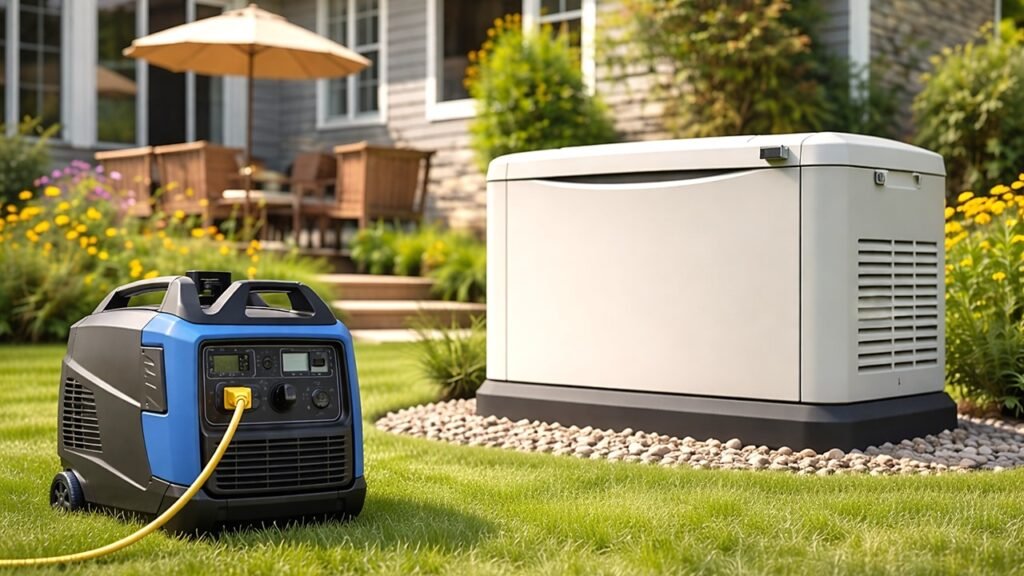
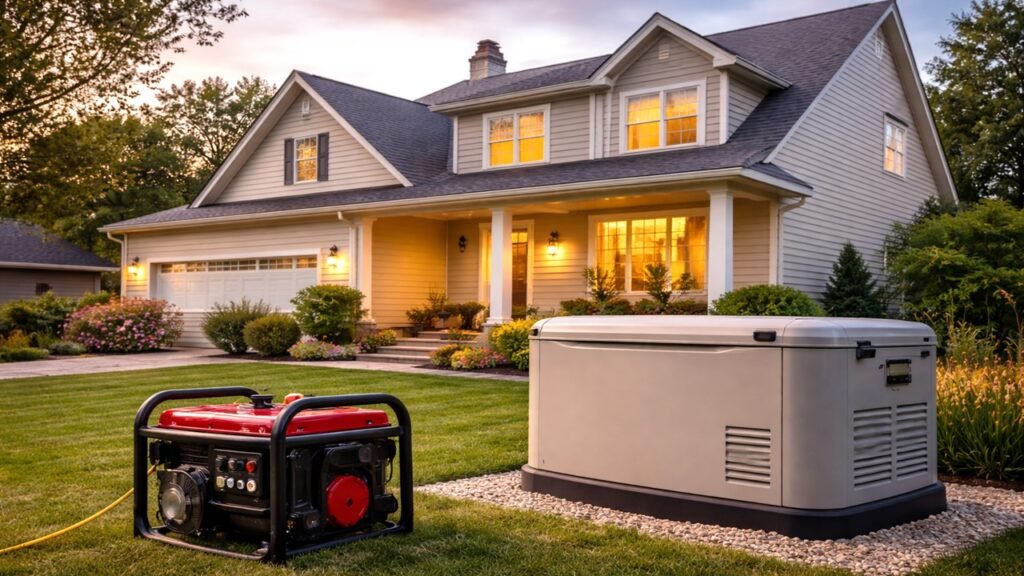
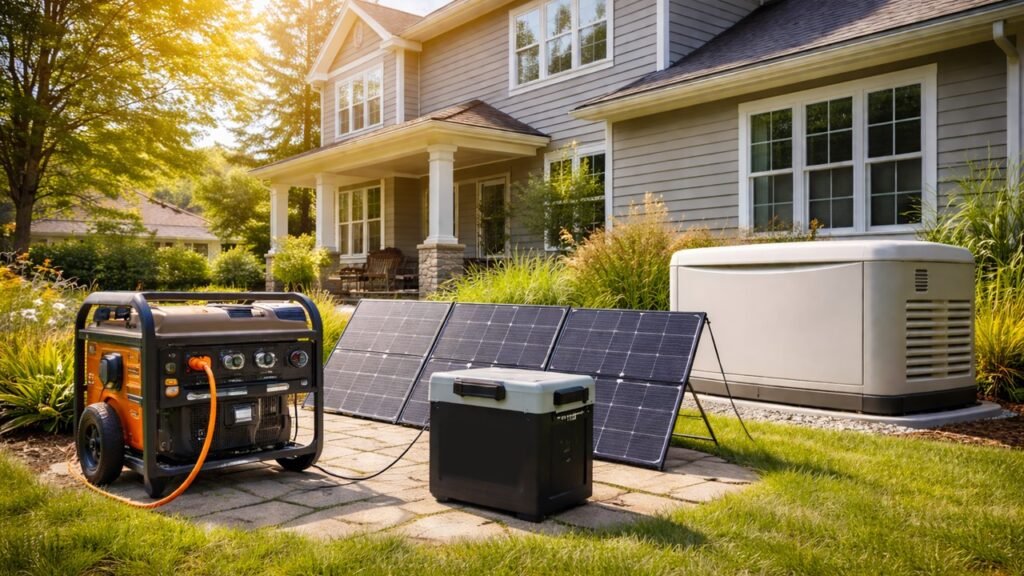
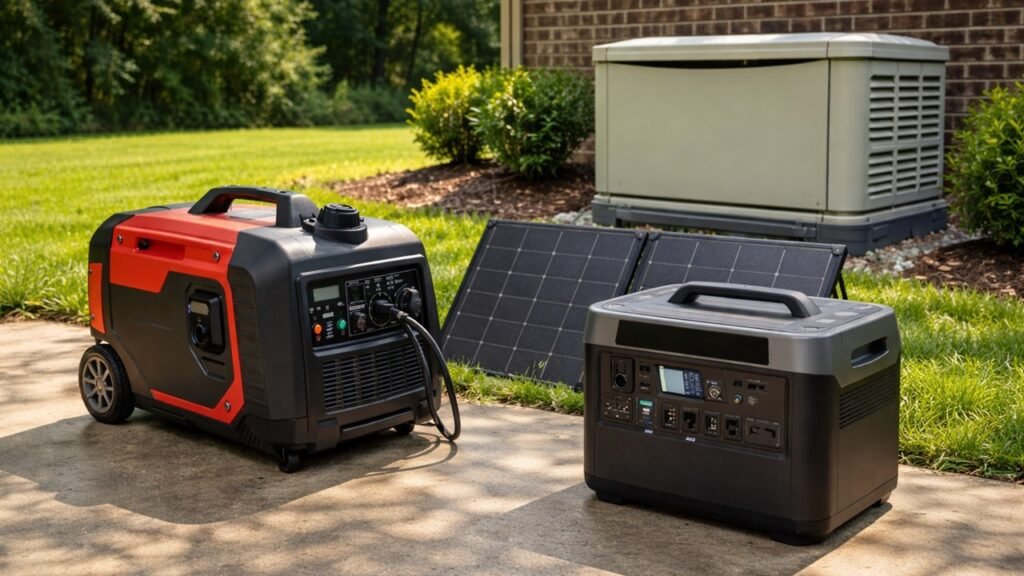
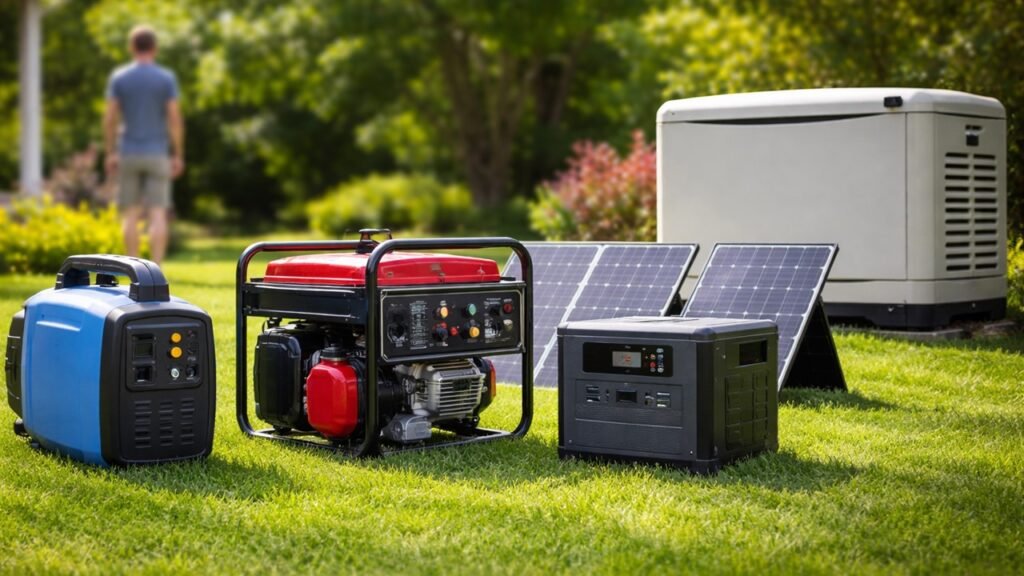
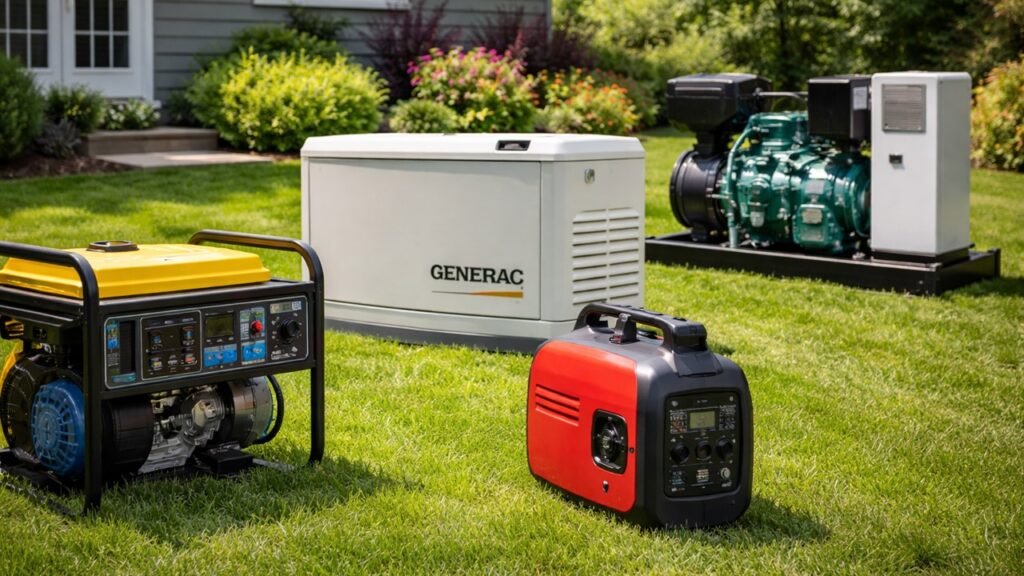
Not every generator works the same way. Portable generators, inverter generators, and standby units use different excitation and control systems. That means a fix that works on one type may not apply to another. Before replacing parts or attempting field flashing, you need to know what type of generator you’re dealing with.
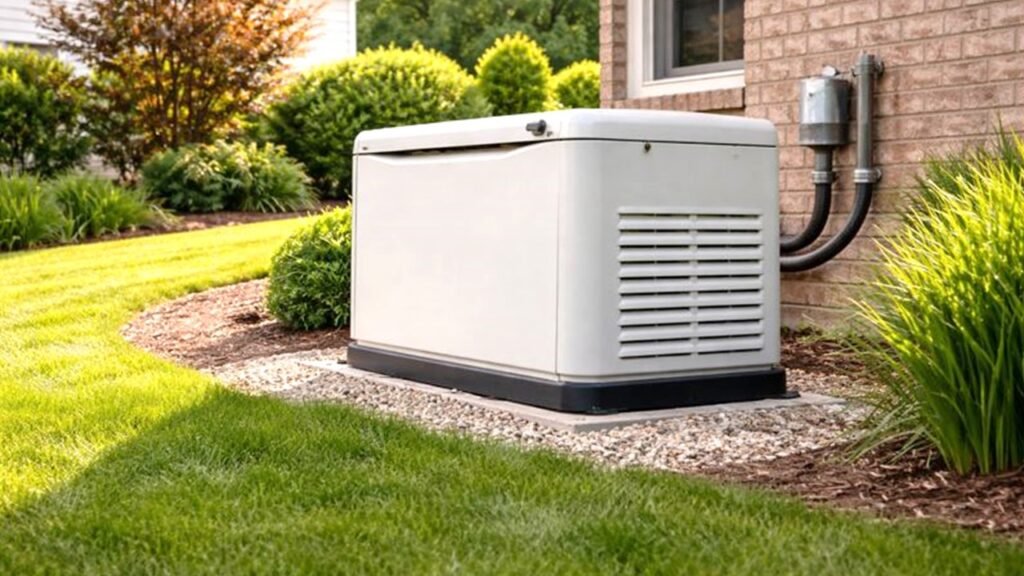
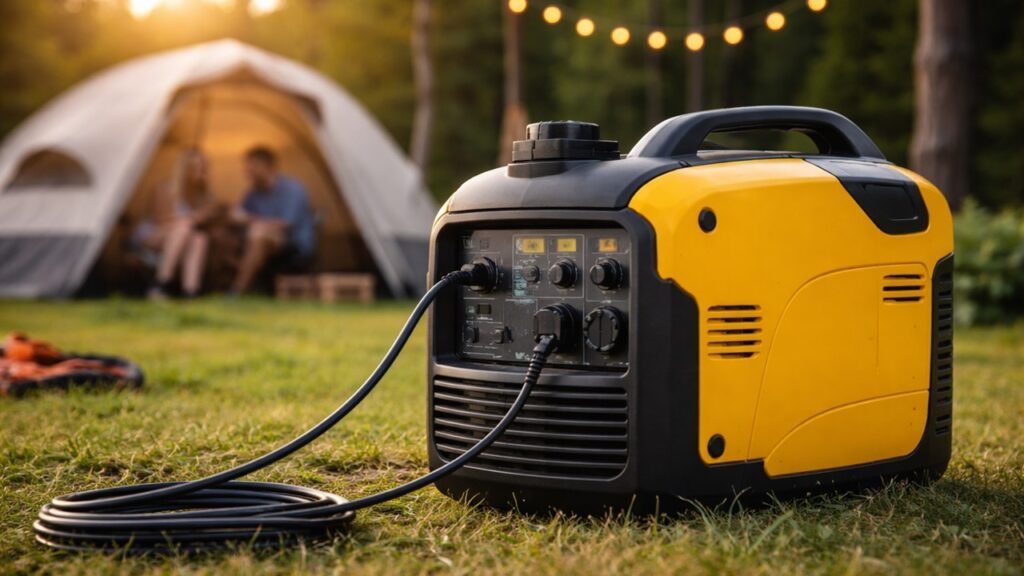
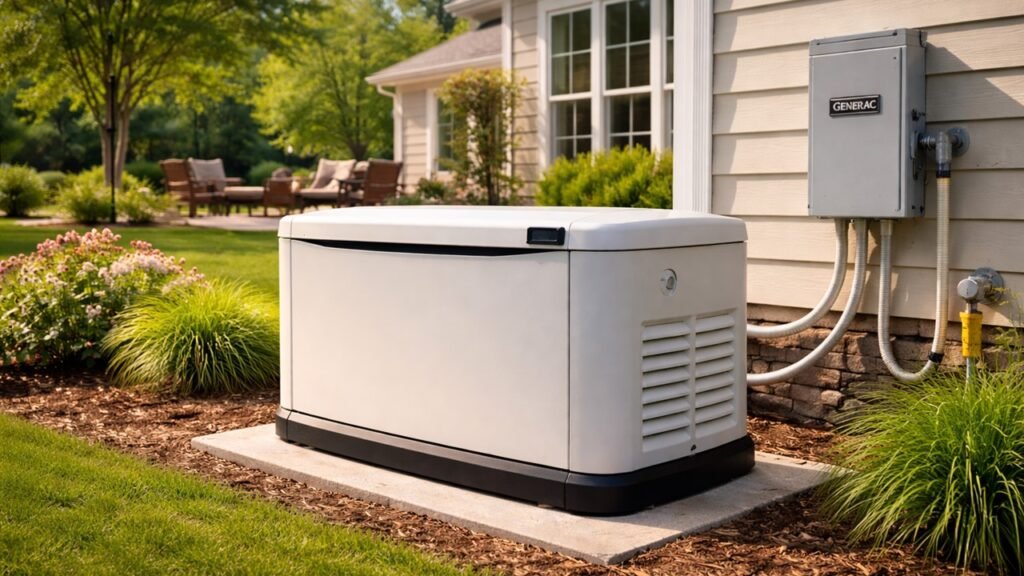
For example, traditional portable generators rely on residual magnetism and often use brushes or capacitors. Inverter generators rely on electronic control boards. Standby generators often integrate transfer switches and advanced voltage regulators.
Here’s how the differences typically break down:
| Generator Type | Common No Power Causes | Fix Approach | DIY Friendly |
| Conventional Portable | Tripped breaker, lost magnetism, faulty AVR, worn brushes | Reset, field flash, replace AVR or brushes | Yes, mostly |
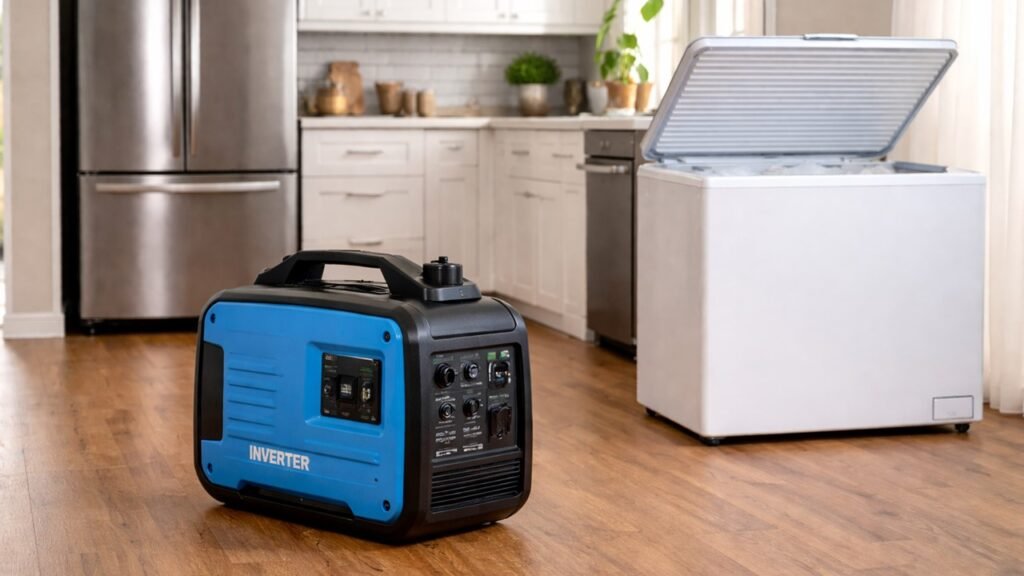
| Inverter Generator | Control board failure, overload protection, internal fuse | Reset system, inspect internal electronics | Limited |
| Standby Generator | Transfer switch fault, AVR failure, control module issue | Electrical testing, professional diagnostics | Usually no |
If you’re troubleshooting an inverter or standby unit connected to your home panel, internal electronics and transfer systems often require professional service.
When a Generator Running With No Power Means Serious Damage
Sometimes the issue is not a simple reset or regulator problem. If you smell burnt insulation, see visible damage, or measure zero voltage even after checking magnetism and AVR components, the alternator windings may be damaged.
Burnt windings usually happen after heavy overload, extended high heat operation, or poor maintenance. Once copper windings overheat and insulation breaks down, the generator cannot produce electricity properly.
Repeated AVR failures can also signal deeper internal issues. If you replace a regulator and it burns out again quickly, the root cause may be a shorted winding or internal electrical imbalance. At that point, professional inspection is the safest option.
How to Prevent Generator Power Loss in the Future
Most generator no power problems are preventable with regular operation and proper storage. Generators lose magnetism when they sit unused. Electrical components fail faster when units are overloaded or poorly maintained.
Preventive care reduces breakdown risk and extends alternator life.
To avoid future power loss:
- Run your generator every 30 to 60 days under a small load
- Avoid running the generator with no load for long periods
- Do not exceed the rated wattage capacity
- Keep oil at the correct level and change it on schedule
- Store fuel properly and use stabilizer if storing long term
- Inspect wiring and connections annually
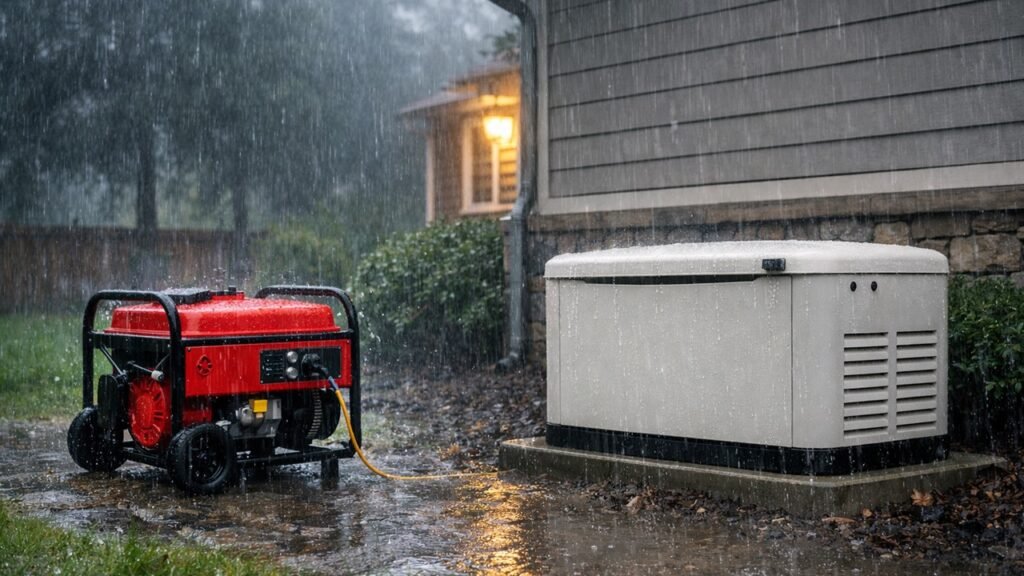
- Keep the generator clean and dry during storage
Running the unit regularly keeps residual magnetism strong and ensures internal components stay active.
You may also like:
Conclusion
If your generator is running but not producing power, the problem is usually electrical rather than mechanical. In most cases, the fix involves resetting breakers, restoring magnetism, or replacing a voltage regulator.
Start with the simple checks first. Confirm oil level, reset breakers, and test with a small load before moving into deeper electrical components. A step by step approach prevents unnecessary part replacement.
When basic fixes do not work, inspect the AVR, brushes, capacitor, and wiring. If signs of burnt windings or repeated failures appear, professional service is the safest route. With regular maintenance and proper operation, most no power issues can be avoided entirely.
Related FAQs
Why is my generator running but not producing power?
A generator runs but produces no power when a breaker trips, oil sensor shuts off excitation, residual magnetism is lost, or the AVR fails. The engine works, but voltage is not building inside the alternator.
How do I reset a generator that has no power output?
Turn the main breaker fully off, then back on. Press outlet reset buttons. Disconnect all loads and restart the generator before testing with a small appliance.
What causes a generator to lose residual magnetism?
Long storage without use reduces rotor magnetism. Running the generator without load can also weaken magnetic buildup. Field flashing usually restores it.
Can a bad AVR cause a generator to stop producing power?
Yes. The Automatic Voltage Regulator controls output voltage. If it fails, voltage stays low or unstable, even though the engine runs normally.
How do I know if my generator alternator is bad?
Burnt smells, visible winding damage, and zero voltage despite working breakers and AVR suggest alternator failure. A multimeter test confirms output level.
Does low oil stop a generator from producing electricity?
Yes. Many generators use low oil sensors that cut electrical output to protect the engine, even if the engine continues running.

Robert Caldwell writes in-depth guides and reviews focused on generators, backup power systems, and portable energy equipment. His work is grounded in hands-on testing, covering fuel types, runtime performance, noise levels, and real-world reliability. He helps homeowners, RV owners, and outdoor users choose dependable power solutions with confidence. Every article emphasizes clear explanations, safe operation, and long-term value.