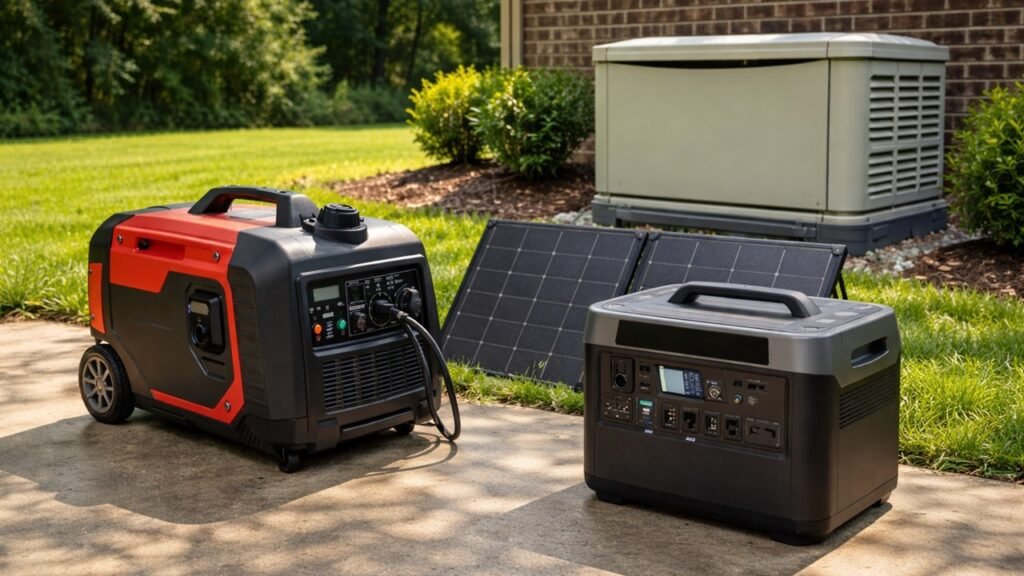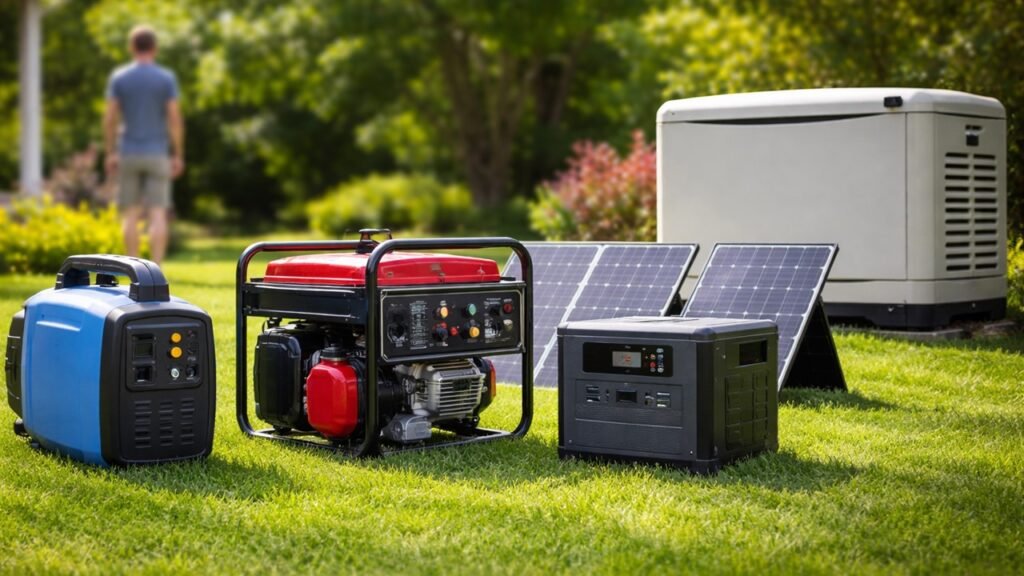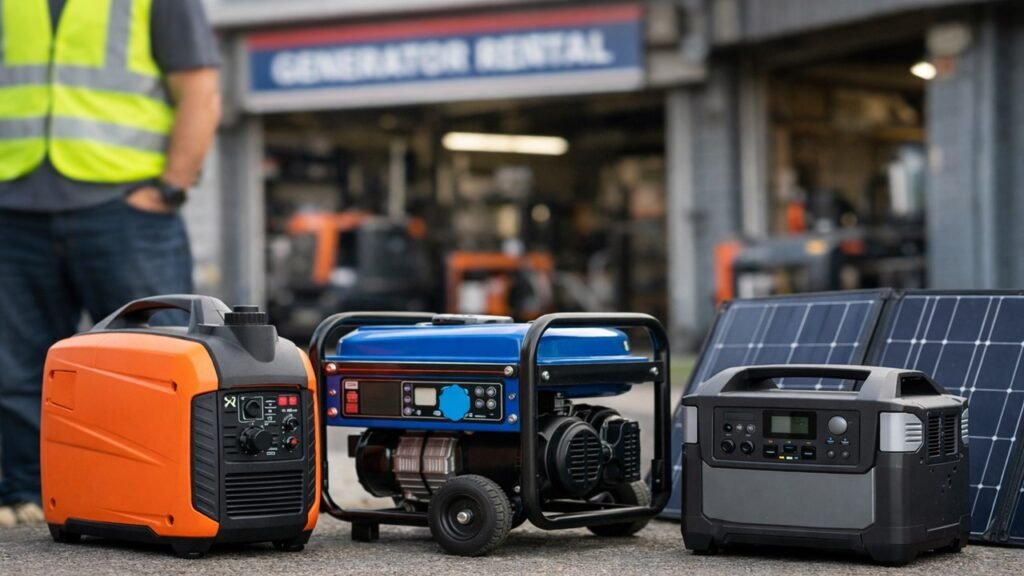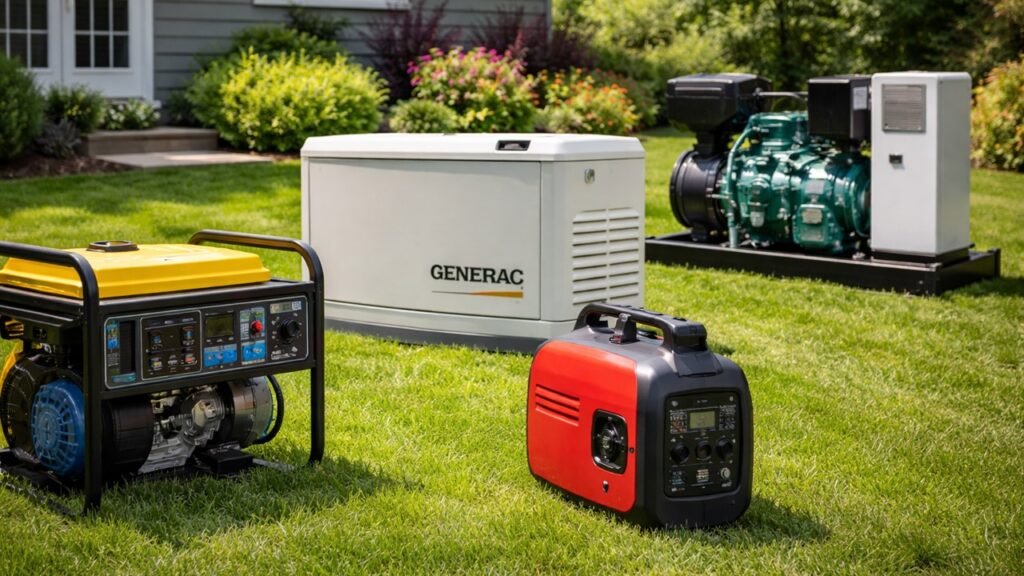
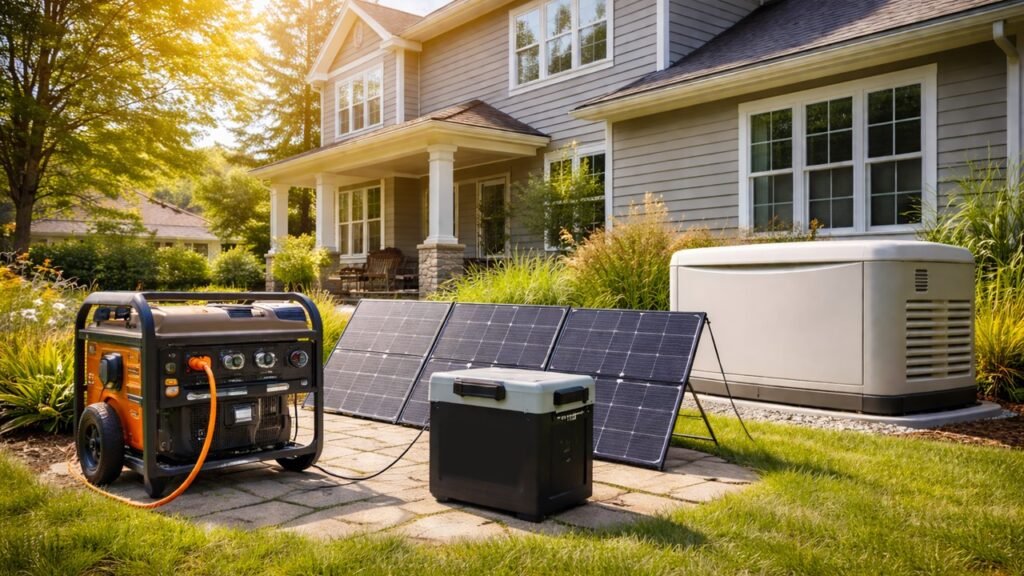
A generator for a 2,000 sq ft house typically costs between $7,000 and $15,000 installed, depending on generator size, fuel type, and installation requirements.
If you are looking for accurate pricing, realistic sizing guidance, and a clear comparison of generator options for a 2,000 square foot home, this guide breaks everything down in a simple and practical way.
Key Summary
- A generator for a 2,000 sq ft house typically costs between $7,000 and $15,000 installed, depending on generator type, size, and installation complexity.
- Most 2,000 sq ft homes require a generator rated between 16kW and 24kW to safely power essential appliances and major systems.
- Standby generators provide full-house backup power, while portable and solar generators support only essential or partial loads.
- Installation costs significantly affect total price because labor, transfer switches, fuel connections, and permits add to the base generator cost.
- Fuel type influences long-term expenses, with natural gas generally offering the lowest operating cost for residential generators.
Average Generator Cost for a 2,000 Sq Ft House
The average cost of a generator for a 2,000 sq ft house varies widely because not every home requires the same level of backup power. Some homeowners only need to run essential appliances, while others want full-house coverage during outages.
| Generator type | Typical capacity | Generator price | Installed cost | Best for |
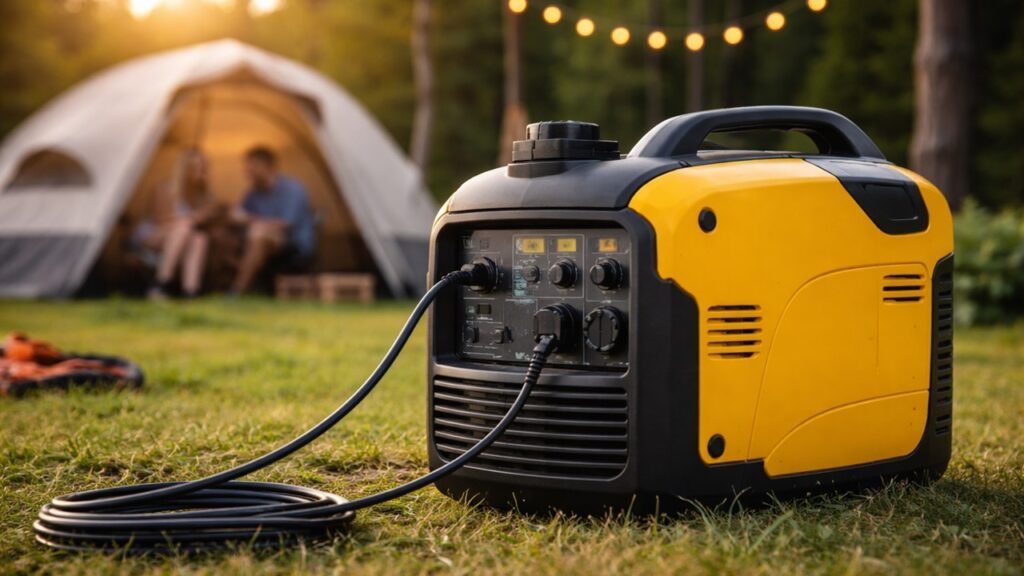
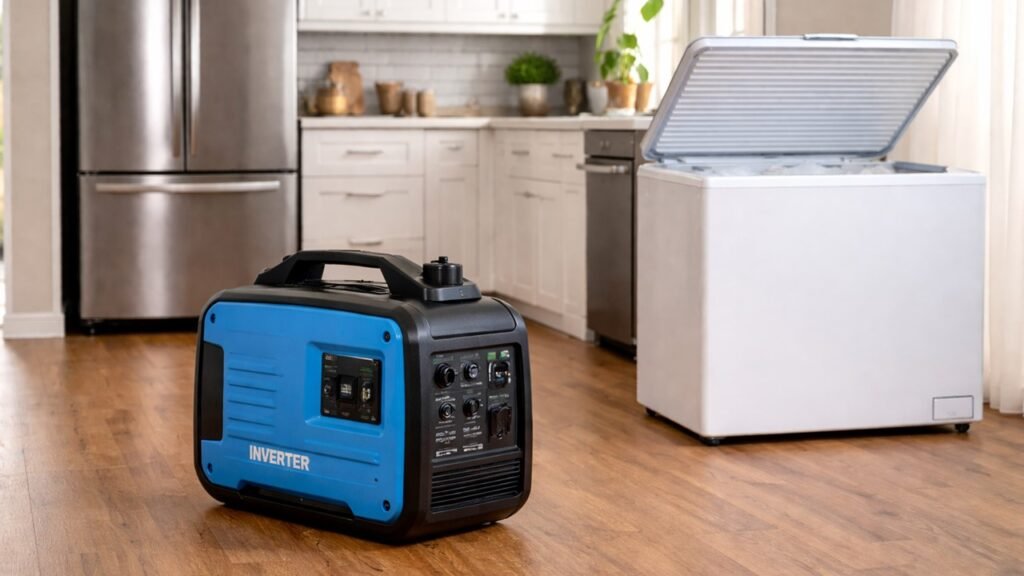
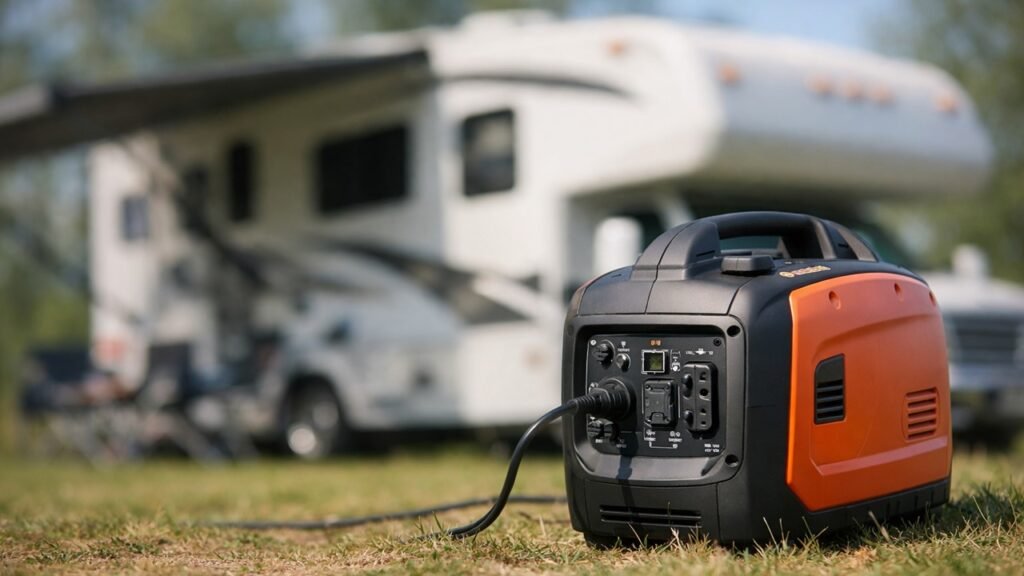
| Portable generator | 7kW to 10kW | $600 to $2,500 | $1,000 to $3,500 | Essential circuits |
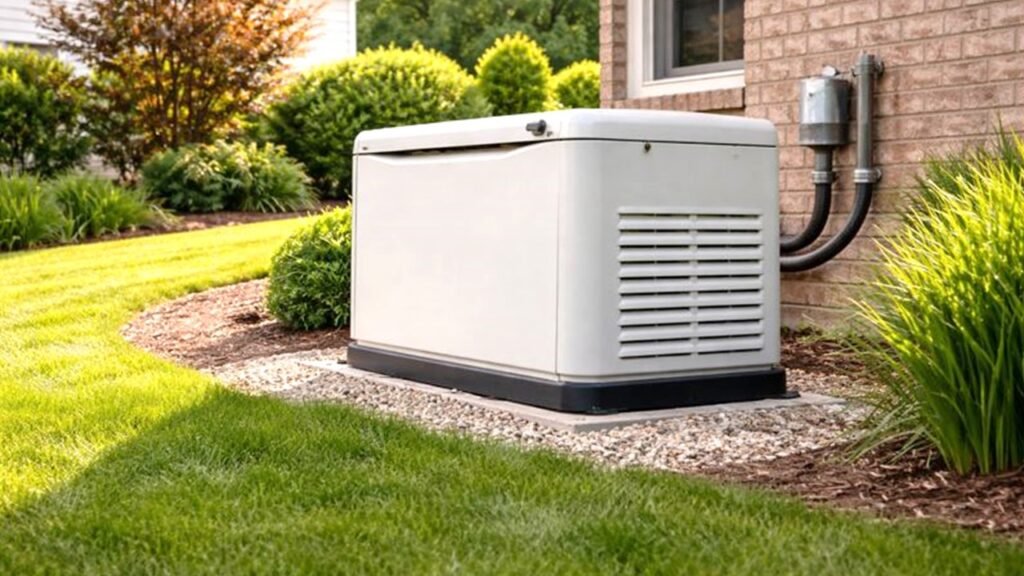
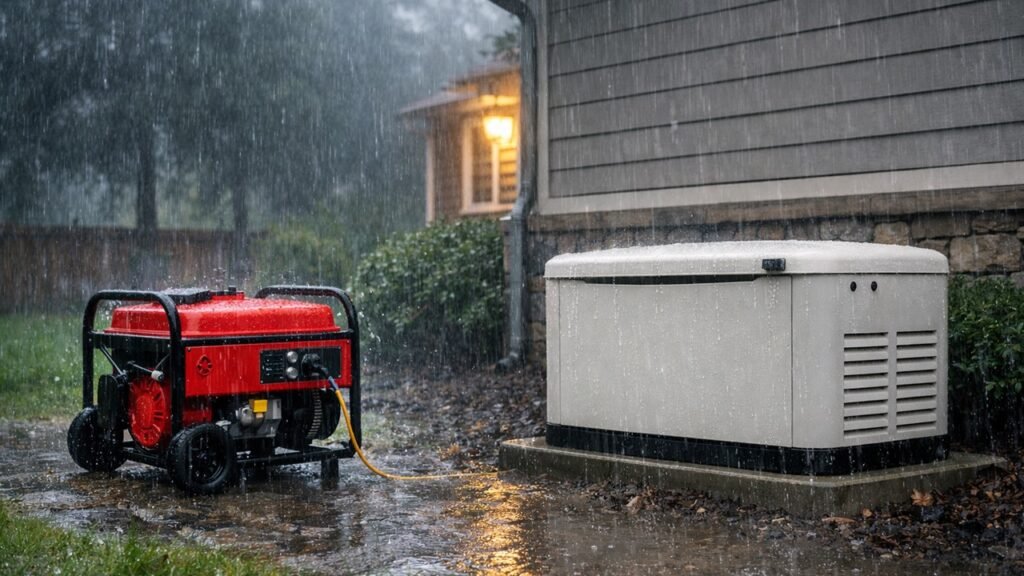
| Standby generator | 18kW to 24kW | $3,000 to $6,500 | $7,000 to $15,000 | Whole-house backup |
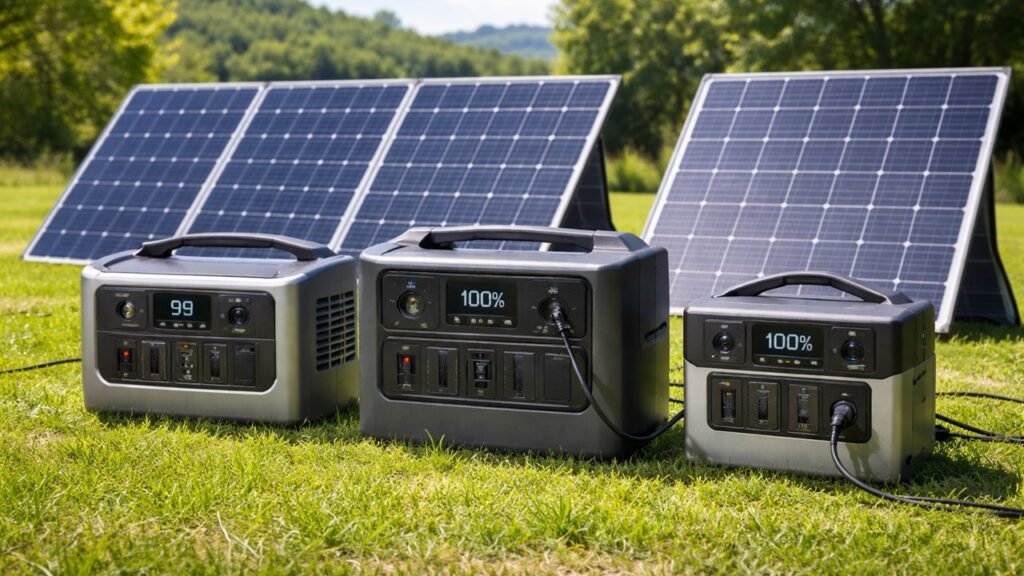
| Solar generator | 3kWh to 15kWh | $2,000 to $10,000 | $2,000 to $12,000 | Quiet, fuel-free backup |
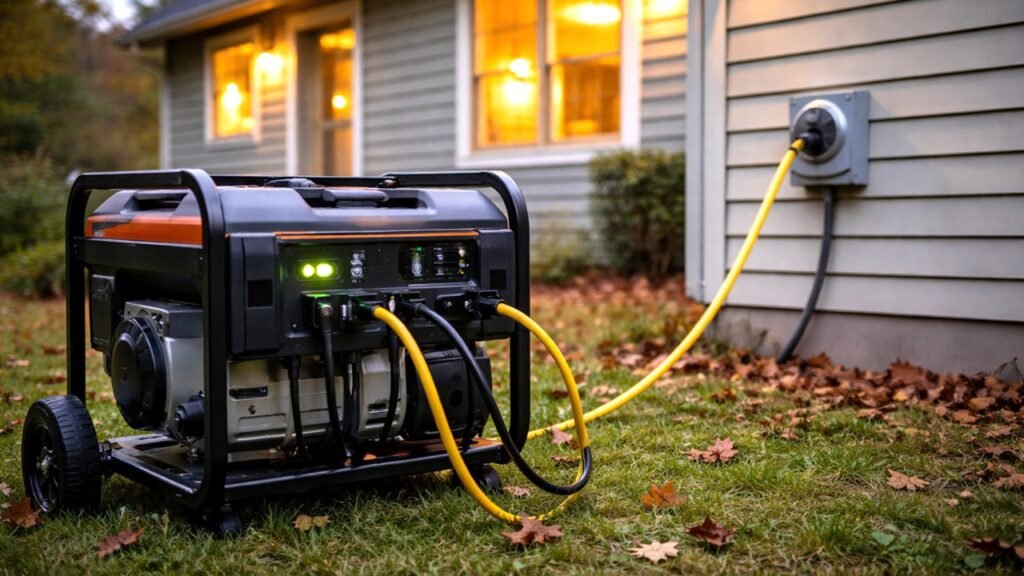
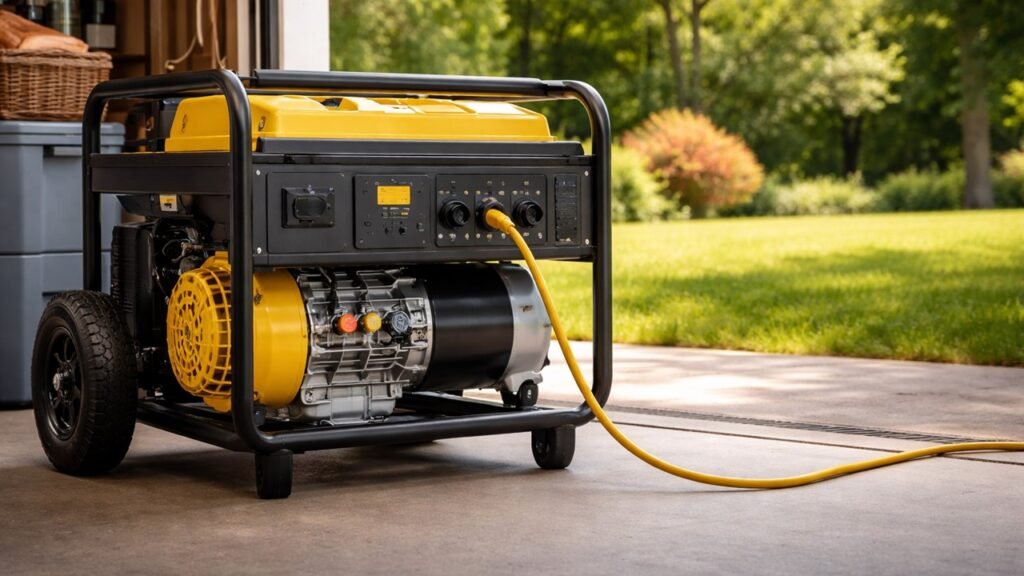
Portable generators offer the lowest upfront cost but limited coverage.
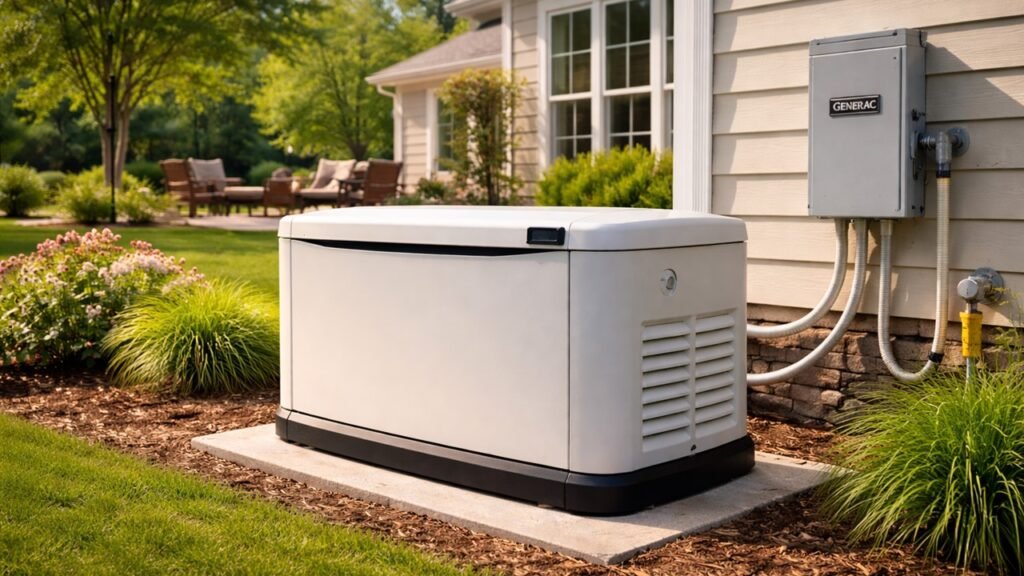
Standby generators cost more but provide automatic, full-home power.
Solar generators eliminate fuel use but are better suited for partial loads.
Recommended reading:
- Best Generators for Home Use
- Best Portable Generators
- Best Portable Solar Generators for Home Backup
What Size Generator Does a 2,000 Sq Ft House Need?
Most 2,000 sq ft homes require a generator rated between 16kW and 24kW to handle typical household electrical demand safely. The exact size depends on appliance usage, heating and cooling systems, and whether major loads run simultaneously.
Homes with central air conditioning, electric water heaters, or well pumps usually fall toward the higher end of this range. Properties that rely on natural gas for heating and cooking often need less electrical capacity.
A 20kW generator is the most common choice because it supports full-home operation without excessive fuel use or overspending on capacity that rarely gets used.
Cost Breakdown for Installing a Whole-House Generator
Whole-house generator pricing includes more than just the generator itself. Installation labor, electrical equipment, and fuel connections account for a significant portion of the final cost. Typical whole-house generator installation costs:
| Cost component | Average cost |
| Generator unit | $3,000 to $7,500 |
| Installation labor | $2,000 to $5,000 |
| Transfer switch | $500 to $2,500 |
| Fuel connection | $500 to $2,000 |
| Permits and inspections | $100 to $500 |
Installation complexity increases when electrical panels require upgrades or when gas lines must be extended. Local permit requirements and labor rates also affect total pricing.
Portable vs Standby vs Solar Generators for a 2,000 Sq Ft Home
Choosing the right generator type depends on how much of your home you want to power and how often outages occur in your area.
Generator type comparison:
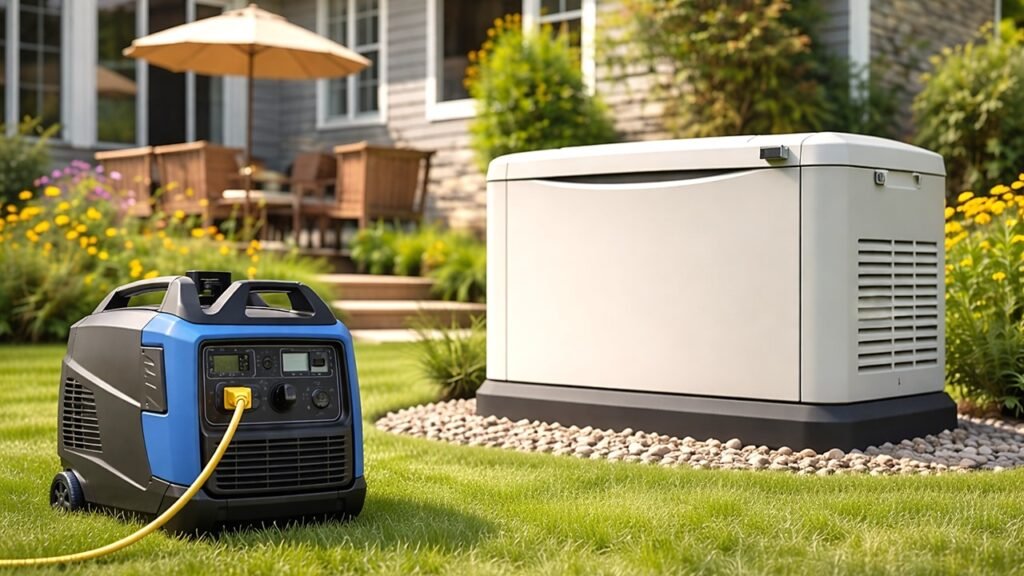
| Generator type | Power coverage | Automatic operation | Noise level | Cost level |
| Portable generator | Essentials only | No | Loud | Low |
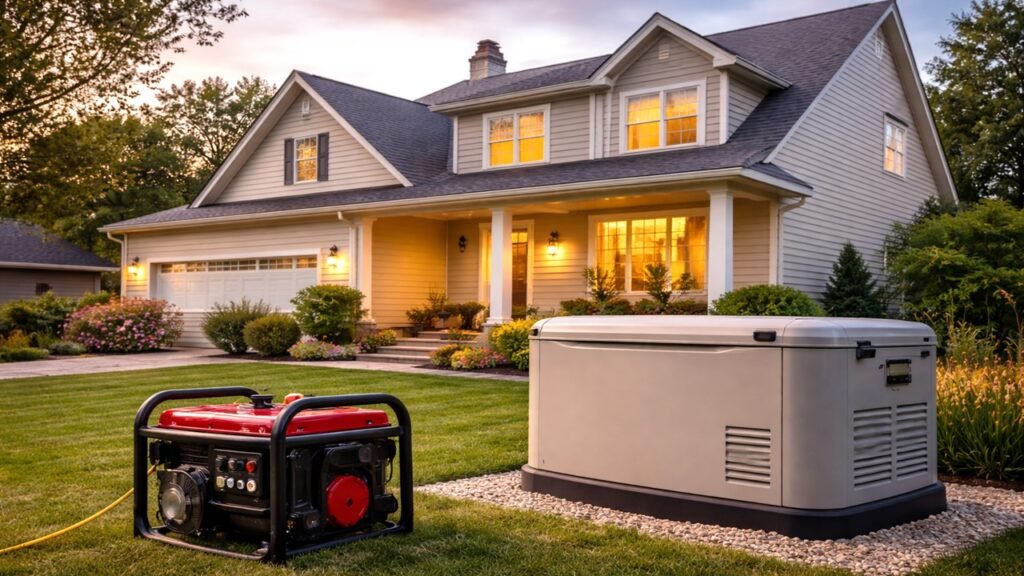
| Standby generator | Entire home | Yes | Moderate | High |
| Solar generator | Partial backup | Yes | Silent | Medium to high |
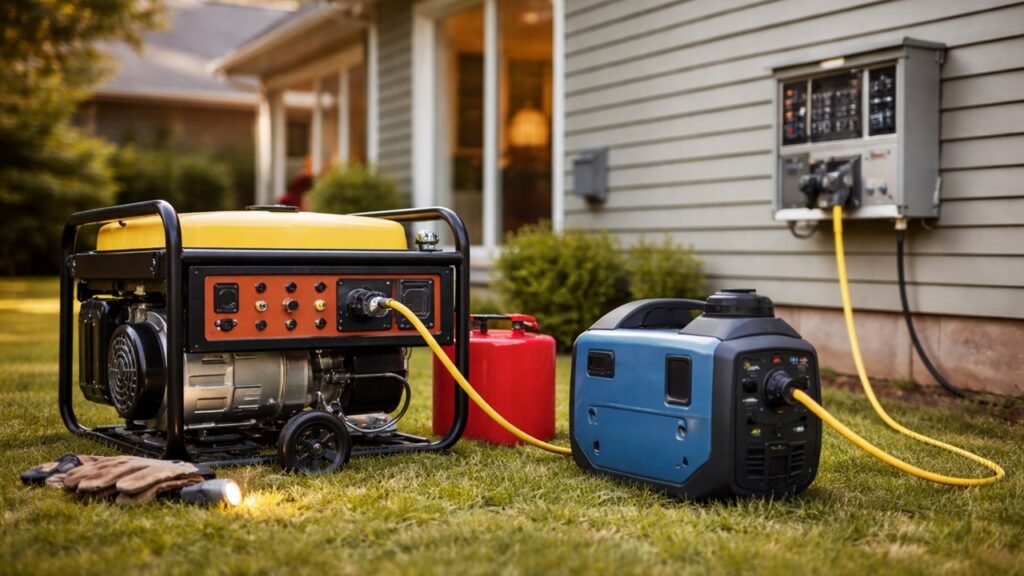
Portable generators work well for short outages and limited needs.
Standby generators provide the most reliable solution for whole-house backup.
Solar generators offer silent operation but are not ideal for high-demand appliances like central air conditioning.
Related generator guides:
- How Much Is A Generator For A 1500 Sq Ft House
- How Many Watt Generator To Run A House
- What Size Generator To Run Refrigerator And Freezer?
Fuel Type and How It Affects Generator Cost
Fuel choice affects both the upfront installation price and the long-term cost of running a generator for a 2,000 sq ft home. Some fuels are cheaper to connect but cost more over time, while others require higher setup costs and deliver steadier operating expenses.
The best option usually depends on what utilities are already available at your property, how long outages typically last, and how often you expect the generator to run.
Key fuel considerations include:
- Natural gas offers lower operating costs and continuous runtime, but requires an existing gas line.
- Propane burns cleanly and stores well, though tank installation increases upfront cost.
- Diesel delivers strong efficiency but comes with higher equipment costs and is less common for residential use.
Ongoing Costs You Should Budget For
Owning a generator involves more than the initial purchase and installation. Planning for recurring expenses helps avoid surprises and keeps the system reliable over time.
Here are the most common ongoing costs to expect:
- Annual maintenance and professional inspections.
- Fuel consumption during extended power outages.
- Battery replacement for control systems or solar setups.
- Optional service plans or extended warranties.
How to Get an Accurate Cost Estimate for Your Home
Online averages are useful for research, but they cannot reflect the specific electrical layout and power needs of your home. A precise estimate requires an in-person evaluation by a licensed generator installer.
During this visit, the installer calculates electrical loads, checks panel capacity, reviews fuel access, and confirms local code requirements. This process ensures the generator is sized correctly and installed safely.
A professional estimate typically includes:
- Total appliance and HVAC load calculations.
- Electrical panel condition and upgrade needs.
- Fuel source availability and connection distance.
- Permit, inspection, and local labor costs.
Is a Whole-House Generator Worth It for a 2,000 Sq Ft Home?
A whole-house generator is often worth the investment in areas with frequent or long-lasting power outages. Automatic backup power protects essential systems like refrigeration, heating, cooling, and home offices without manual setup.
Homes that rely on electric appliances, medical equipment, or remote work benefit most from standby generators. The convenience of instant power restoration also adds peace of mind during storms or grid failures.
If outages are rare or power needs are limited, a portable or partial-backup solution may provide better value at a lower upfront cost.
You may also like:
- How Much Does A Whole House Generator Cost
- Can A Solar Generator Power A House
- Generator vs Portable Power Station
Conclusion
A generator for a 2,000 sq ft house typically costs between $7,000 and $15,000 installed, with price differences driven by generator type, size, fuel choice, and installation complexity.
Standby generators provide the most complete protection, while portable and solar options work well for essential loads and tighter budgets. Choosing the right system depends on how much of the home you want to power and how often outages occur.
By understanding generator sizing, installation costs, fuel options, and ongoing expenses, homeowners can choose a backup power solution that delivers reliable performance when it matters most.
Related FAQs
How much is a generator for a 2000 sq ft house?
A generator for a 2000 sq ft house typically costs between $7,000 and $15,000 installed, depending on size, fuel type, and labor.
What size generator is recommended for a 2000 sq ft home?
Most 2000 sq ft homes need a 16kW to 24kW generator. A 20kW unit is the most common choice for whole-house backup.
Can a portable generator run a 2000 sq ft house?
A portable generator can power essential appliances only. It cannot run an entire 2000 sq ft house at the same time.
Does fuel type affect the cost of a generator?
Fuel type impacts both upfront and long-term costs. Natural gas is usually cheapest to run, while propane adds tank costs.
How much does it cost to install a whole-house generator?
Installation typically costs $2,000 to $5,000, depending on electrical work, fuel connections, and local permit requirements.
Is a whole-house generator worth it for a 2000 sq ft home?
A whole-house generator is worth it if outages are frequent or long-lasting. It provides automatic, uninterrupted backup power.

Robert Caldwell writes in-depth guides and reviews focused on generators, backup power systems, and portable energy equipment. His work is grounded in hands-on testing, covering fuel types, runtime performance, noise levels, and real-world reliability. He helps homeowners, RV owners, and outdoor users choose dependable power solutions with confidence. Every article emphasizes clear explanations, safe operation, and long-term value.