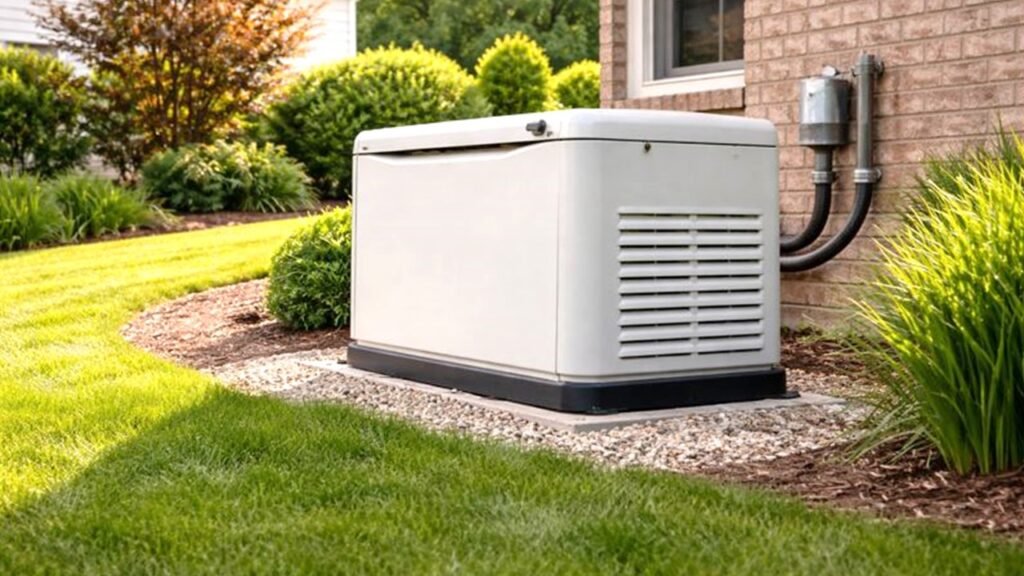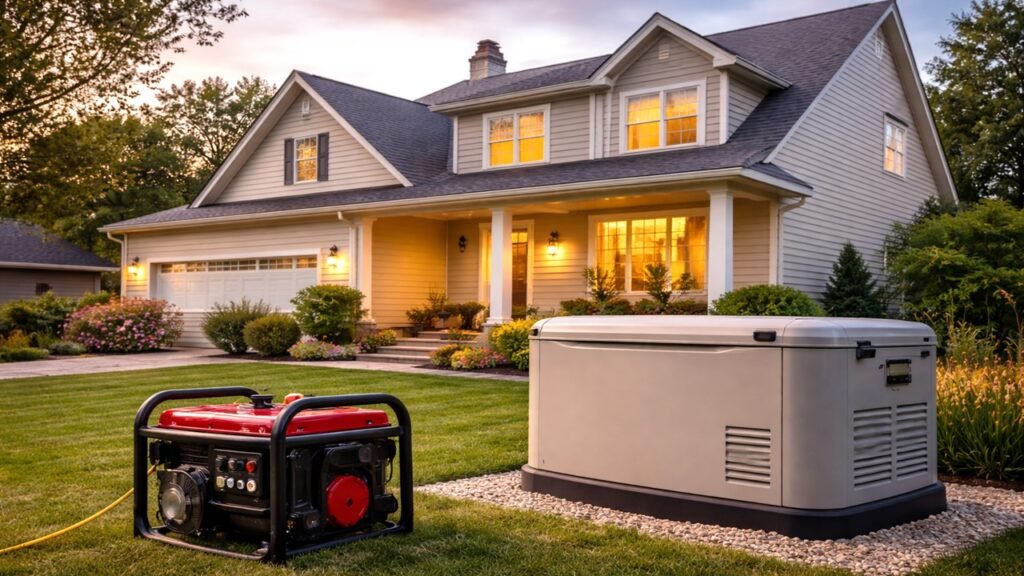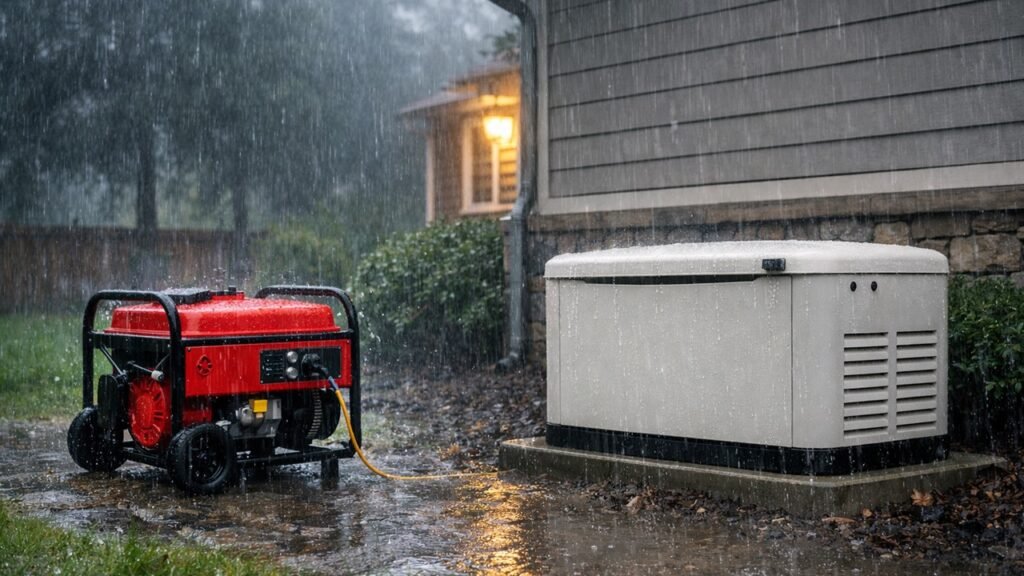
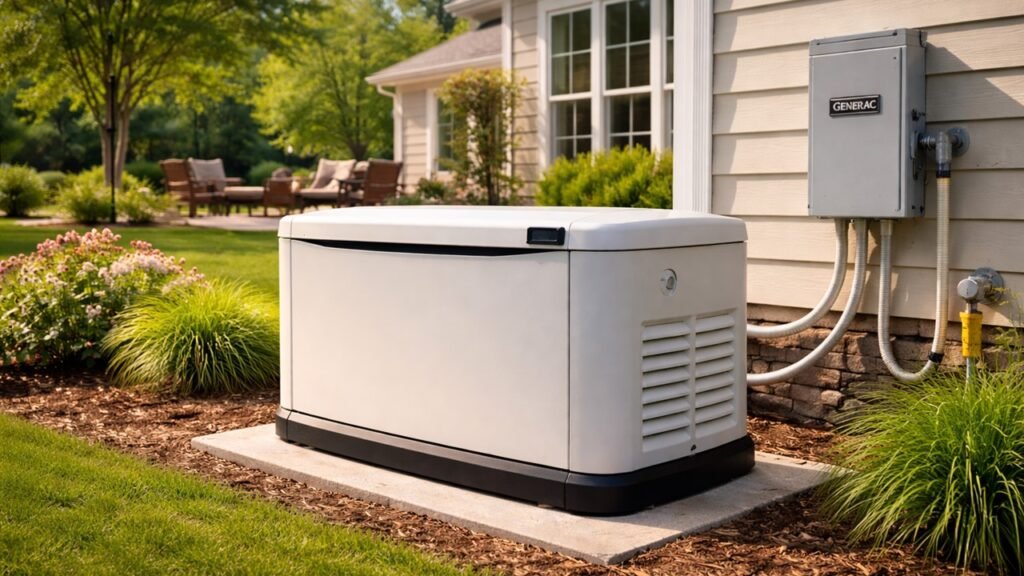
A whole house generator typically costs between $7,000 and $25,000 installed, depending on generator size, fuel type, and installation complexity.
This article explains average pricing, cost breakdowns, fuel type comparisons, real installation examples, and ways to estimate the right generator cost for your home.
Key Summary
- Whole house generator cost ranges from $7,000 to $25,000 installed, depending on generator size, fuel type, and installation complexity.
- Most homeowners pay between $10,000 and $15,000 for a properly installed whole house standby generator.
- Generator size in kilowatts determines how many appliances and systems the generator can power during an outage.
- Installation requirements increase total cost through labor, fuel connections, transfer switches, and local permits.
- Fuel type selection affects both upfront installation cost and long-term running expenses during outages.
How Much Does a Whole House Generator Cost on Average?
A whole house generator cost includes both the generator unit and professional installation. Most homeowners in the United States spend $10,000 to $15,000 for a fully installed standby system that powers most or all of their home during an outage.
Smaller systems designed for essential circuits sit at the lower end of the range, while large systems capable of running HVAC, electric ranges, and multiple appliances push costs higher. Installation variables such as fuel line work, electrical upgrades, and permits explain much of the price difference between homes.
The final price depends less on brand name and more on power capacity and site conditions.
Average cost breakdown highlights:
- Whole house generator installed cost ranges from $7,000 to $25,000
- Most homeowners pay around $10,000 to $15,000
- Generator size (kW) drives cost more than brand
- Installation labor and fuel connection are major cost contributors
Recommended reading:
- Best Generators for Home Use
- Best Portable Generators
- Best Portable Solar Generators for Home Backup
What Factors Affect the Cost of a Whole House Generator?
The cost of a whole house generator varies because no two homes have the same power needs or installation conditions. The final price depends on how much electricity your home requires during an outage and how complex the installation is at your property.
In most cases, generator size and installation requirements matter more than brand choice. Homes that need to run central air conditioning, electric heating, or multiple large appliances will require larger systems and higher budgets.
The main factors that affect whole house generator cost include:
- Generator size in kilowatts, based on total electrical load
- Whole-home coverage versus essential-circuit coverage
- Fuel type and availability at the home
- Distance to the electrical panel and fuel source
- Electrical panel upgrades or code compliance work
- Local labor rates, permits, and inspection requirements
Whole House Generator Cost Table (Installed)
Installed pricing varies widely because generator size and coverage goals differ from home to home. The table below shows typical installed costs, including the generator, transfer switch, and standard professional installation.
Actual coverage depends on appliance load calculations, not just home square footage.
| Generator Size (kW) | Typical Installed Cost | Typical Coverage |
| 7 to 10 kW | $7,000 to $10,000 | Essential circuits, refrigerator, lighting, outlets |
| 14 to 18 kW | $8,500 to $12,000 | Essentials plus well pump or single AC |
| 20 to 24 kW | $9,000 to $15,000+ | Most household appliances including HVAC |
| 30 to 48 kW | $14,000 to $25,000+ | Large homes, multiple HVAC systems |
Generator size determines both coverage and cost. Oversizing increases price, while proper load planning controls budget.
Related generator guides:
- How Much Is A Generator For A 1500 Sq Ft House
- How Many Watt Generator To Run A House
- What Size Generator To Run Refrigerator And Freezer?
Whole House Generator Cost Breakdown
A whole house generator is priced as a complete system, not just a single piece of equipment. The total cost combines the generator unit, professional installation, automatic transfer equipment, and required site preparation. Each of these elements is necessary for safe and reliable operation during a power outage.
Most homeowners see the largest portion of the budget go toward the generator itself and installation labor. Costs then increase based on fuel connection work, electrical panel requirements, and local permit rules. This is why two similar homes can receive very different quotes.
Looking at the total as individual components makes it easier to understand where the money goes and how to control costs through proper sizing and planning.
| Cost Component | Typical Cost Range |
| Generator unit | $2,000 to $18,000 |
| Installation labor | $1,500 to $5,000 |
| Automatic transfer switch | $500 to $2,500 |
| Concrete pad and site prep | Around $1,000 |
| Permits and inspections | $50 to $500 |
| Estimated total installed cost | $7,000 to $25,000 |
What Changes the Price the Most (Top Cost Factors)
Whole house generator pricing is driven more by technical requirements than by brand preference. Two homes of the same size can have very different costs based on electrical load, fuel access, and installation conditions.
The biggest price changes come from decisions made during sizing and planning, not from optional upgrades.
Top factors that increase or reduce cost:
- Generator size required to run HVAC systems
- Whole-home coverage versus essential-circuit coverage
- Fuel type and distance to fuel source
- Electrical panel upgrades or code compliance work
- Local labor rates and permitting requirements
Cost by Fuel Type (Upfront + Running Cost Basics)
Fuel type affects both the installed price of a whole house generator and the cost to run it during outages. Some fuels reduce installation work, while others add storage or maintenance requirements. Over time, fuel choice also determines how affordable long outages will be.
Natural gas systems are often the easiest to live with if a utility line is available. Propane generators work well in rural areas but adds tank costs. Diesel offers durability but higher upfront and operating expenses. The right choice depends on fuel availability, outage length, and budget priorities.
Comparing fuel types side by side helps clarify the real cost beyond the generator itself.
| Fuel Type | Typical Installed Cost | Typical Running Cost Basics |
| Natural gas | $9,000 to $15,000 | Lower ongoing cost; utility-supplied fuel |
| Propane | $9,500 to $17,000 | Tank required; fuel cost varies by tank size |
| Diesel | $12,000 to $25,000 | Higher fuel cost; efficient under heavy load |
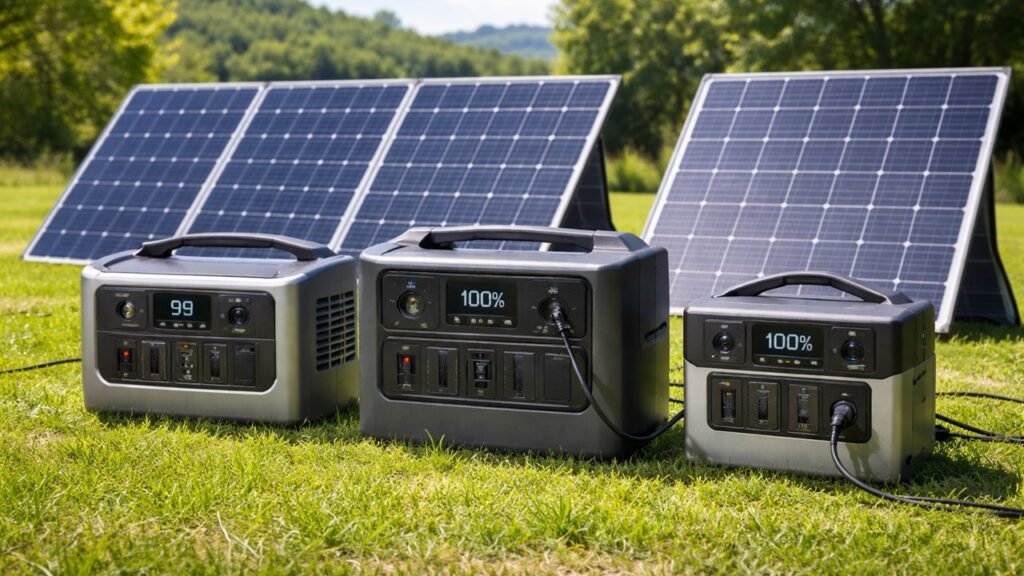
| Solar + battery | $10,000 to $25,000+ | No fuel cost; limited by battery capacity |
Natural gas usually offers the lowest long-term operating cost, while propane and diesel increase flexibility in areas without gas service. Solar and battery systems avoid fuel costs entirely but require higher upfront investment for whole-home coverage.
Annual Ownership Costs (Maintenance + Fuel)
A whole house generator has ongoing costs beyond installation. These expenses ensure reliability, safety, and long service life. While annual costs are modest compared to installation, they should be budgeted in advance.
Fuel cost only becomes significant during extended outages, especially for high-capacity systems.
Typical annual ownership costs include:
- Routine maintenance of $300 to $600 per year
- Oil changes, inspections, and battery replacement
- Fuel cost based on generator load and outage length
- Optional monitoring or service plans
You may also like:
Whole House vs Partial Home (Cost Saving Option)
A whole house generator powers nearly all circuits in a home, while a partial-home system supports only selected essential loads. Choosing partial coverage is one of the most effective ways to reduce upfront cost.
Partial-home systems reduce generator size, installation labor, and fuel consumption without eliminating backup power entirely.
Partial-home generators make sense when:
- HVAC does not need to run during outages
- Only essentials like refrigeration and lighting are required
- Budget constraints limit generator size
- Smart load management is available
Is a Whole House Generator Worth the Cost?
A whole house generator provides uninterrupted power during outages, improving safety, comfort, and home functionality. For households with medical equipment, extreme weather exposure, or unreliable grid service, the value often outweighs the cost.
The financial return is not measured in energy savings. A generator is a resilience investment that protects food, climate control, security systems, and daily routines.
A whole house generator is worth the cost when outage risk is high, downtime has serious consequences, and long-term reliability matters more than short-term savings.
Conclusion
A whole house generator typically costs $7,000 to $25,000 installed, with most homeowners landing between $10,000 and $15,000 depending on size, fuel type, and installation complexity.
Generator size and installation conditions influence cost more than brand. Planning for essential loads, fuel availability, and local code requirements helps control the final price.
The most accurate way to avoid overspending is proper load calculation and a detailed, itemized installation quote before purchase.
Related FAQ
How much does a whole house generator cost installed?
Most installed whole house generators cost between $7,000 and $25,000, depending on kW size, fuel type, and labor.
What is the average cost of a 22kW whole house generator?
A 22kW whole house generator typically costs $11,000 to $14,000 installed for a standard home setup.
What increases the cost of a whole house generator the most?
Running central HVAC, long gas line runs, electrical panel upgrades, and local permitting requirements raise total cost.
Is a whole house generator cheaper than solar battery backup?
Whole house generators usually cost less upfront, while solar battery systems cost more initially but have lower long-term operating costs.
Can I lower the cost by powering only part of my home?
Yes. Partial-home coverage can reduce generator size and cut total costs by several thousand dollars.

Robert Caldwell writes in-depth guides and reviews focused on generators, backup power systems, and portable energy equipment. His work is grounded in hands-on testing, covering fuel types, runtime performance, noise levels, and real-world reliability. He helps homeowners, RV owners, and outdoor users choose dependable power solutions with confidence. Every article emphasizes clear explanations, safe operation, and long-term value.