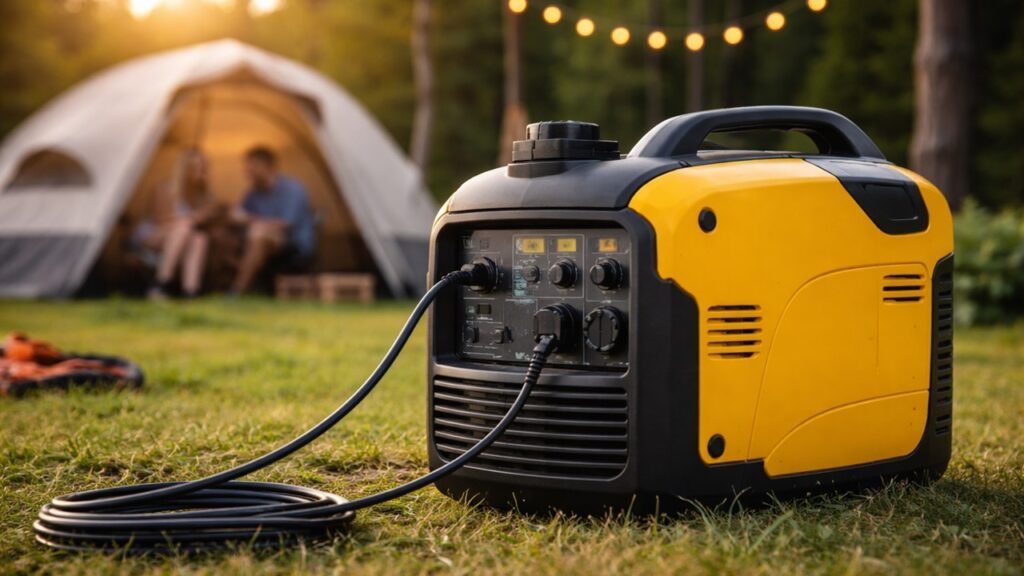
An inverter generator is a type of portable generator designed to deliver clean and stable electricity for modern devices.
If you are looking to understand what an inverter generator is, how it works, and how it differs from a conventional generator, this guide explains the essentials in clear, practical language.
Key Summary
- An inverter generator produces clean and stable electricity suitable for sensitive electronics.
- Inverter generator technology converts raw power into a regulated sine wave using electronic circuitry.
- Variable engine speed improves fuel efficiency and noise control under changing loads.
- Inverter generators support camping, RV use, and essential home backup where quiet operation matters.
- Clean power output reduces risk of damage to modern devices such as laptops and medical equipment.
What Is an Inverter Generator?
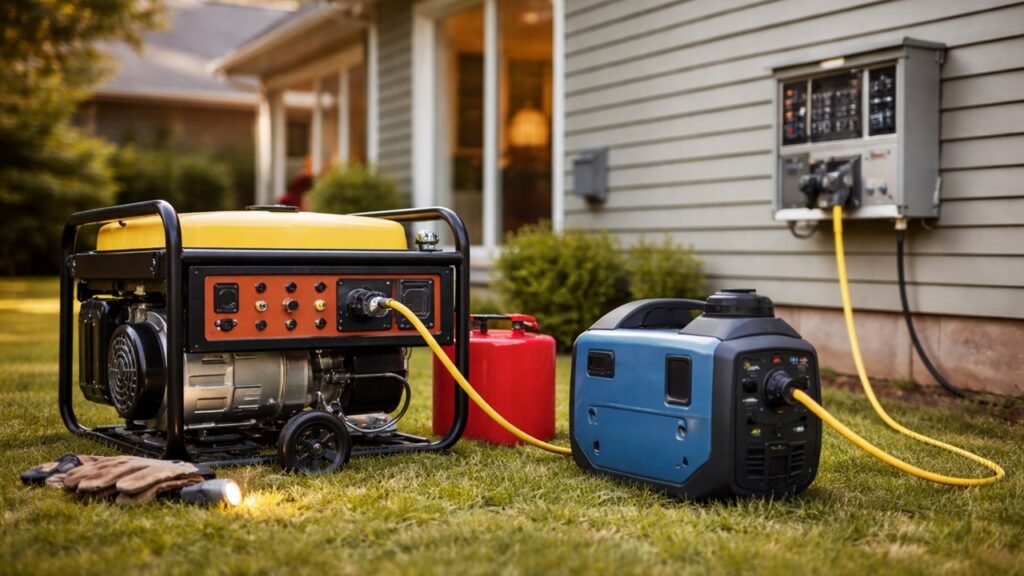
An inverter generator is a portable power source that uses electronic circuitry to regulate electricity before it reaches your devices.
Instead of sending raw power directly from the engine to the outlets, it refines the output to closely match household wall power.
Unlike traditional generators, inverter generators do not operate at a fixed engine speed.
They automatically adjust performance based on how much power is being used, which helps reduce fuel consumption and operating noise.
Because of this design, inverter generators are commonly used for camping, RV setups, home backup situations, and sensitive electronics.
The focus is on power quality, efficiency, and portability rather than maximum output.
Recommended reading:
How Does an Inverter Generator Work?
An inverter generator produces electricity through a multi-stage conversion process that improves consistency and stability.
This controlled approach allows it to maintain steady voltage and frequency even as power demand changes.
Instead of relying on constant engine speed, onboard electronics manage both power production and output quality.
This results in smoother operation, better fuel efficiency, and less strain on internal components.
Inverter generator power conversion process:
- A fuel-powered engine creates mechanical energy.
- An alternator generates high-frequency AC electricity.
- A rectifier converts AC electricity into DC power.
- An inverter converts DC power into stable AC electricity.
- Regulated power is delivered to connected devices.
Inverter Generator vs Conventional Generator
The difference between an inverter generator and a conventional generator comes down to power control, efficiency, and usability.
The comparison below shows how each performs in real-world use.
| Feature | Inverter Generator | Conventional Generator |
| Power output quality | Smooth and stable sine wave | Raw and fluctuating AC |
| Engine operation | Variable speed based on load | Constant full-speed operation |
| Fuel usage | More efficient under light loads | Consumes fuel continuously |
| Noise output | Quieter during normal use | Loud at all times |
| Electronics compatibility | Safe for sensitive devices | Risky for electronics |
| Common applications | Camping, RVs, backup essentials | Job sites, heavy-duty tools |
What Is “Clean Power” and Why It Matters
Clean power refers to electricity that maintains consistent voltage and frequency without sudden fluctuations.
This type of power is essential for protecting sensitive electronics from damage or long-term wear.
Inverter generators produce clean power by minimizing electrical distortion during the conversion process.
Lower distortion allows devices to operate more efficiently and reduces the risk of overheating or malfunction.
It is important to note that clean power describes electrical quality, not environmental impact.
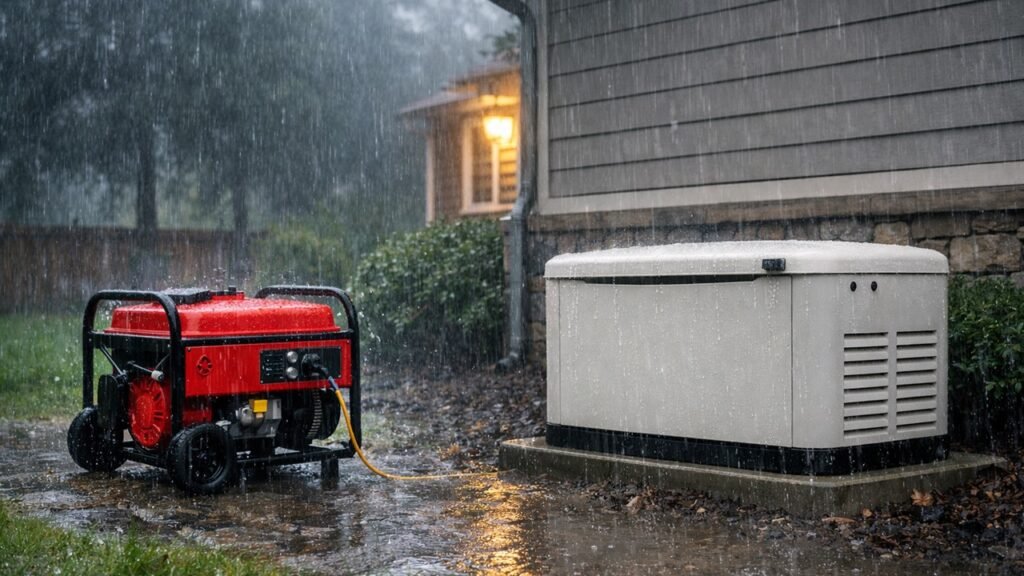
Even though the electricity is stable, inverter generators still burn fuel and must always be used outdoors.
Related generator guides:
- How Does An Inverter Generator Work
- What Is The Difference Between An Inverter And A Generator
- How Does A Generator Produce Electricity
Key Benefits of an Inverter Generator
Inverter generators offer reliable power designed for modern electronics and real-world portability.
Their design prioritizes efficiency, noise reduction, and electrical stability over raw output.
Key benefits include:
- Clean electricity protects laptops, phones, and medical devices.
- Variable engine speed improves fuel efficiency under light loads.
- Quiet operation makes them suitable for camping and residential use.
- Compact size improves portability and storage convenience.
- Parallel capability allows power expansion when needed.
Common Uses of Inverter Generators
Inverter generators are widely used in situations where quiet operation and clean power matter.
They are especially useful when portability and fuel efficiency are more important than maximum wattage.
Camping and Outdoor Activities
Inverter generators support outdoor use by delivering quiet and portable power.
Campers rely on inverter generators to run lights, small appliances, and charging devices without disturbing others.
RV and Van Life Power
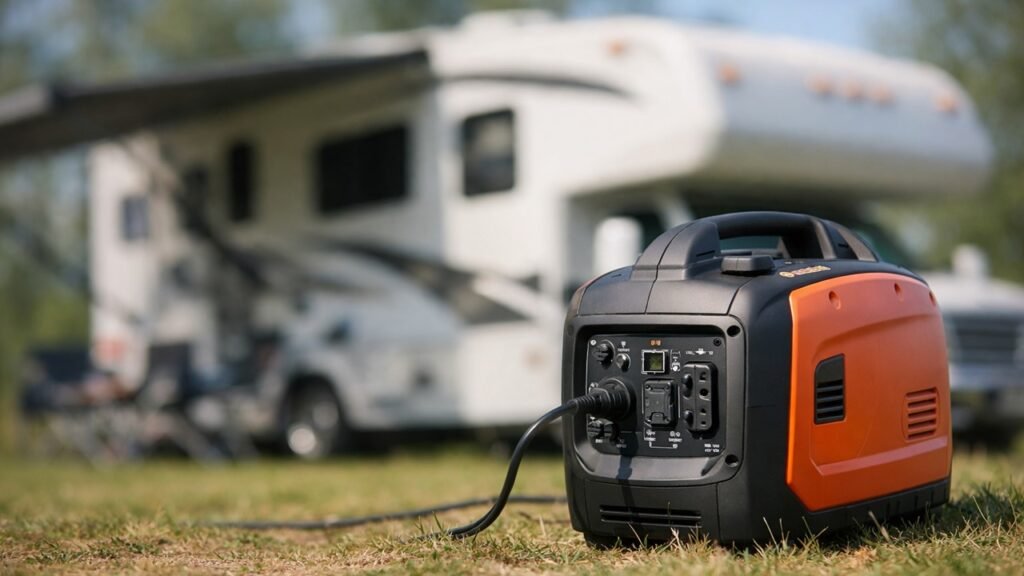
RV owners use inverter generators to supplement shore power and solar systems.
Clean power output protects onboard electronics such as converters, televisions, and routers.
Home Backup for Essential Appliances
Inverter generators provide short-term backup power during outages.
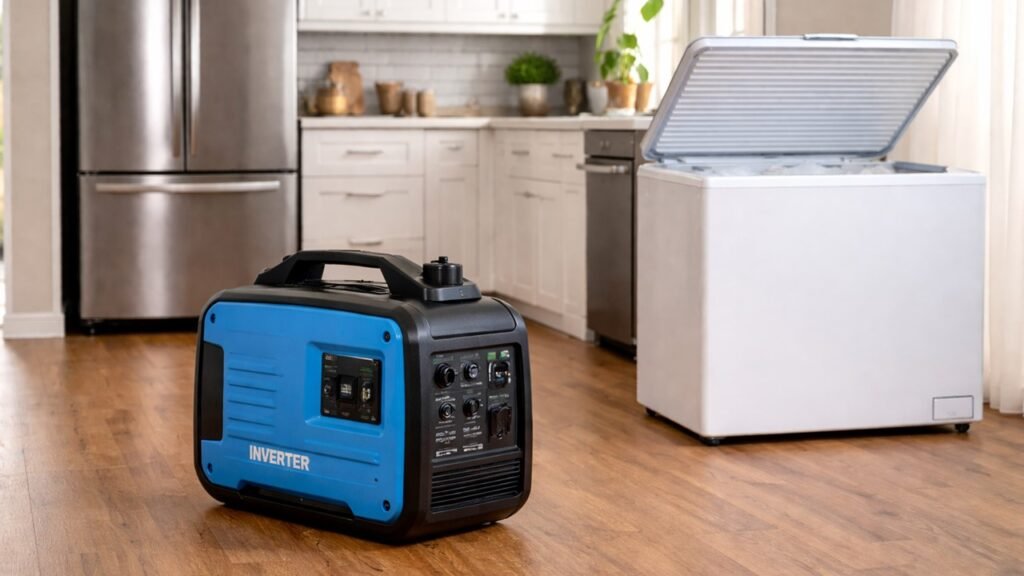
They are commonly used to run refrigerators, lights, internet equipment, and small medical devices.
Powering Sensitive Electronics
Sensitive electronics require stable voltage and frequency.
Inverter generators supply power that closely matches household electricity quality.
You may also like:
Limitations of Inverter Generators
Inverter generators are efficient and quiet, but they are not designed for every power need.
Understanding their limitations helps avoid incorrect use or unrealistic expectations.
Common limitations include:
- Lower maximum wattage compared to large conventional generators.
- Higher purchase cost due to advanced electronics.
- Limited suitability for whole-house backup power.
- Outdoor-only operation because of exhaust emissions.
Are Inverter Generators Safe to Use Indoors?
Inverter generators are not safe to use indoors under any circumstances.
They burn fuel and produce carbon monoxide, which is dangerous even in small amounts.
Clean power refers to electrical quality, not exhaust safety.
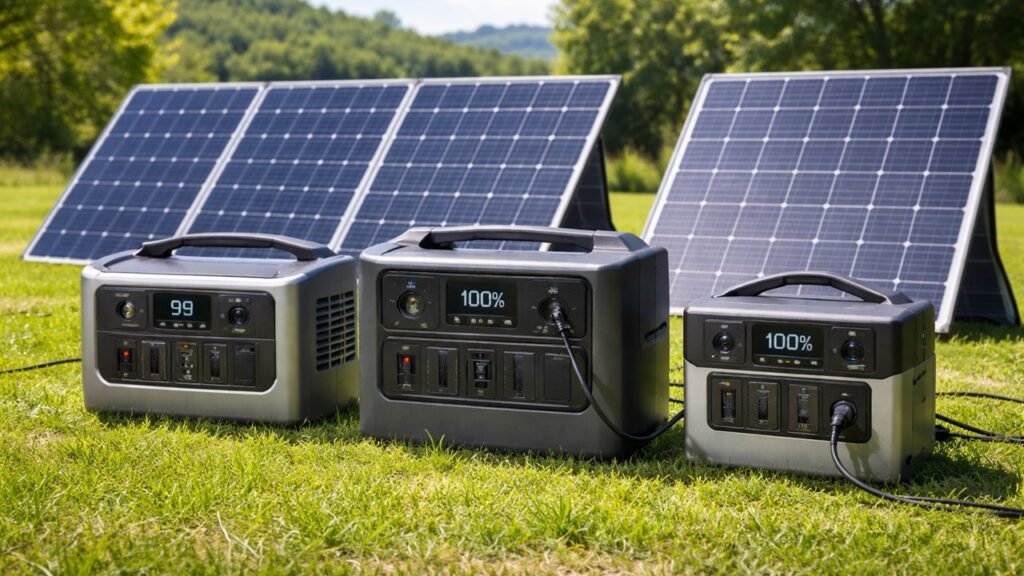
Only battery-based power stations and solar generators are designed for indoor operation.
Conclusion
An inverter generator is a portable power solution that delivers clean, stable electricity through advanced power conversion.
Its ability to adjust engine speed improves fuel efficiency and reduces noise compared to conventional generators.
While inverter generators are ideal for camping, RV use, and essential home backup, they are not a replacement for high-output or whole-house systems.
Choosing the right generator depends on power needs, noise tolerance, and where the equipment will be used.
Related FAQs
What is an inverter generator used for?
An inverter generator is used to power sensitive electronics, camping gear, RV appliances, and essential home devices during outages.
How is an inverter generator different from a regular generator?
An inverter generator produces cleaner, more stable electricity and adjusts engine speed, while regular generators run at fixed speed with raw power.
Are inverter generators fuel efficient?
Yes. Inverter generators save fuel by matching engine speed to power demand instead of running at full throttle constantly.
Can an inverter generator power a refrigerator?
Most inverter generators can run a refrigerator if the generator’s wattage meets the fridge’s starting and running power needs.
Are inverter generators quiet?
Inverter generators are quieter than conventional generators, especially at low loads, making them suitable for camping and residential areas.

Robert Caldwell writes in-depth guides and reviews focused on generators, backup power systems, and portable energy equipment. His work is grounded in hands-on testing, covering fuel types, runtime performance, noise levels, and real-world reliability. He helps homeowners, RV owners, and outdoor users choose dependable power solutions with confidence. Every article emphasizes clear explanations, safe operation, and long-term value.